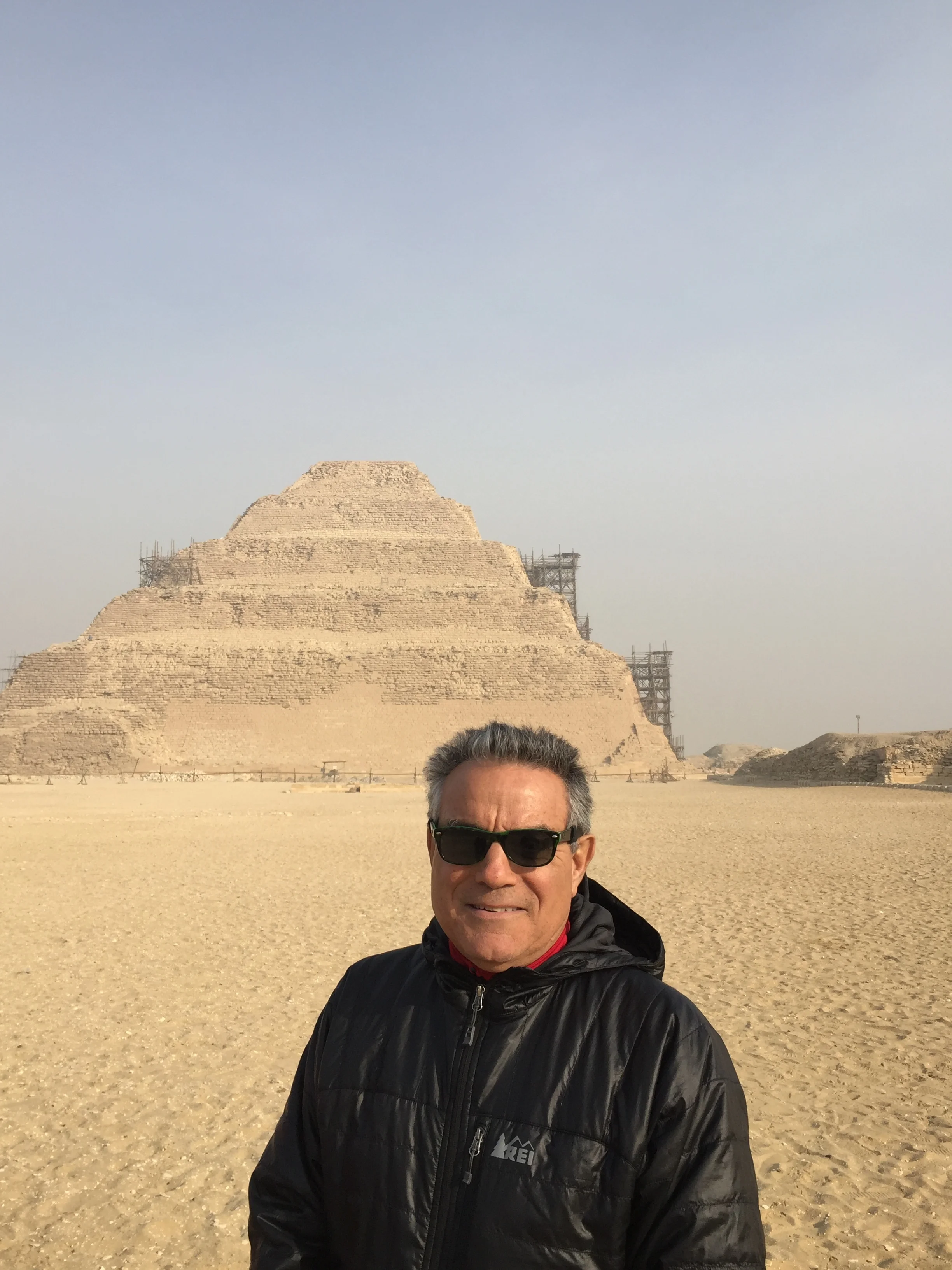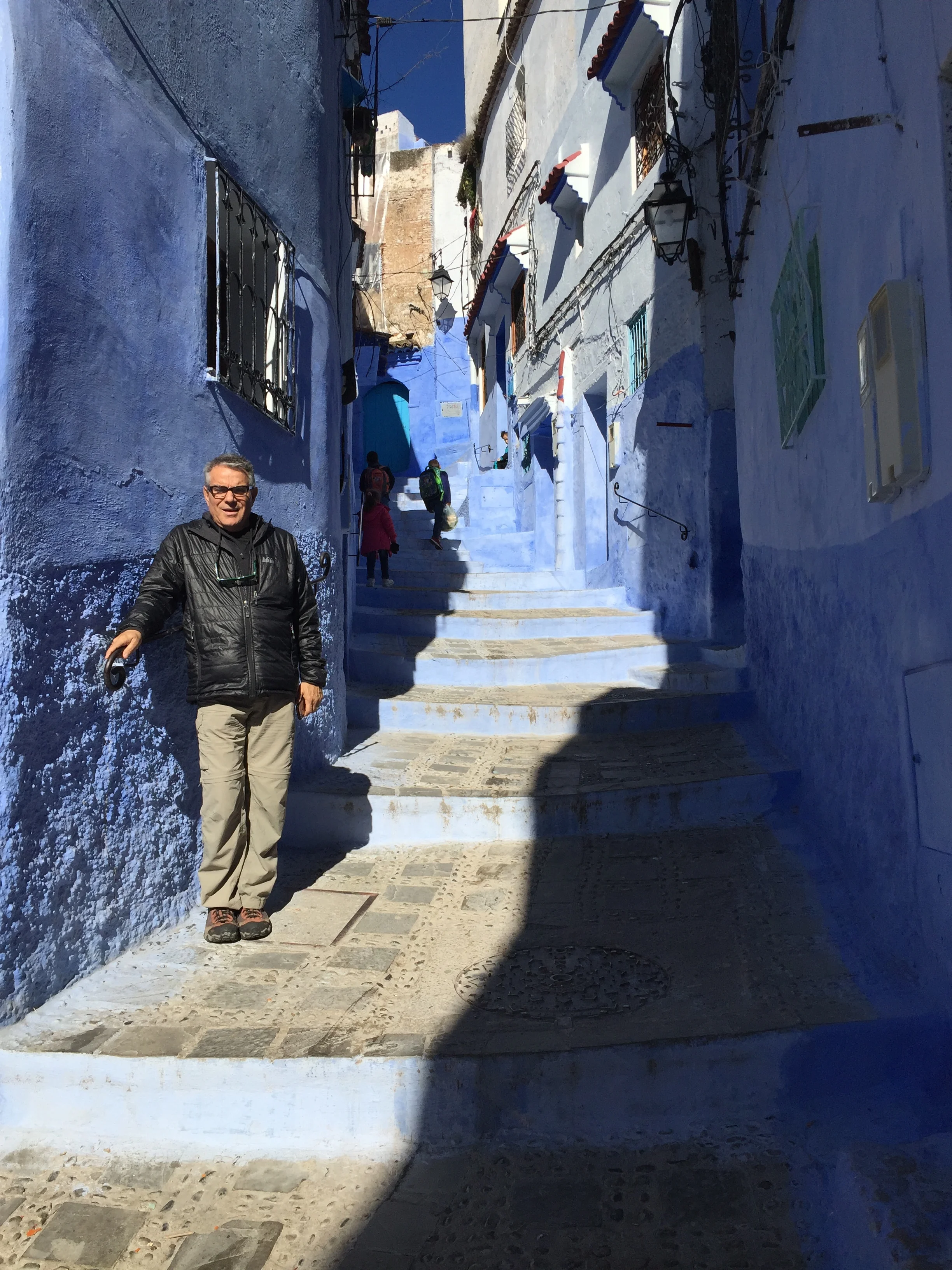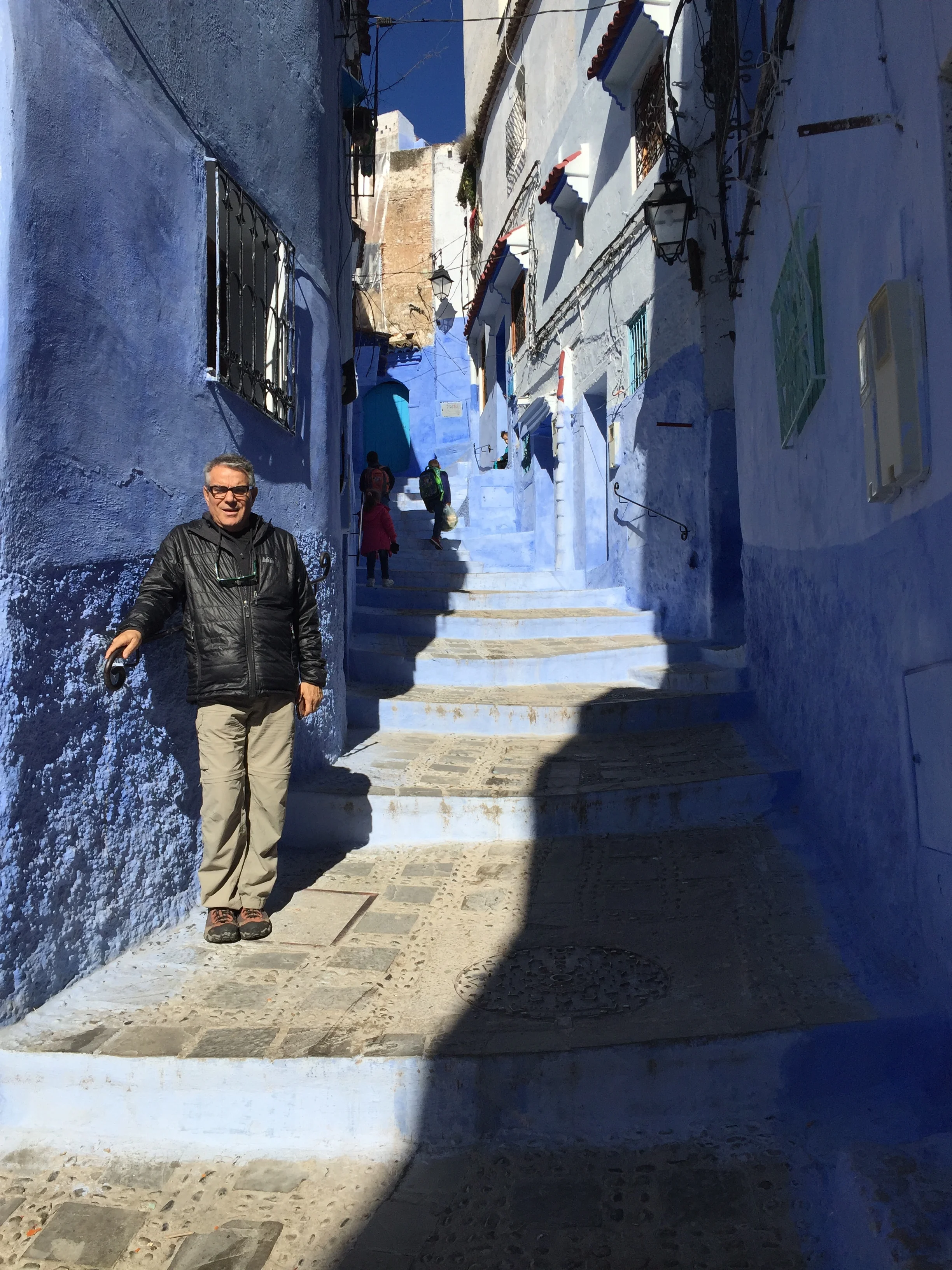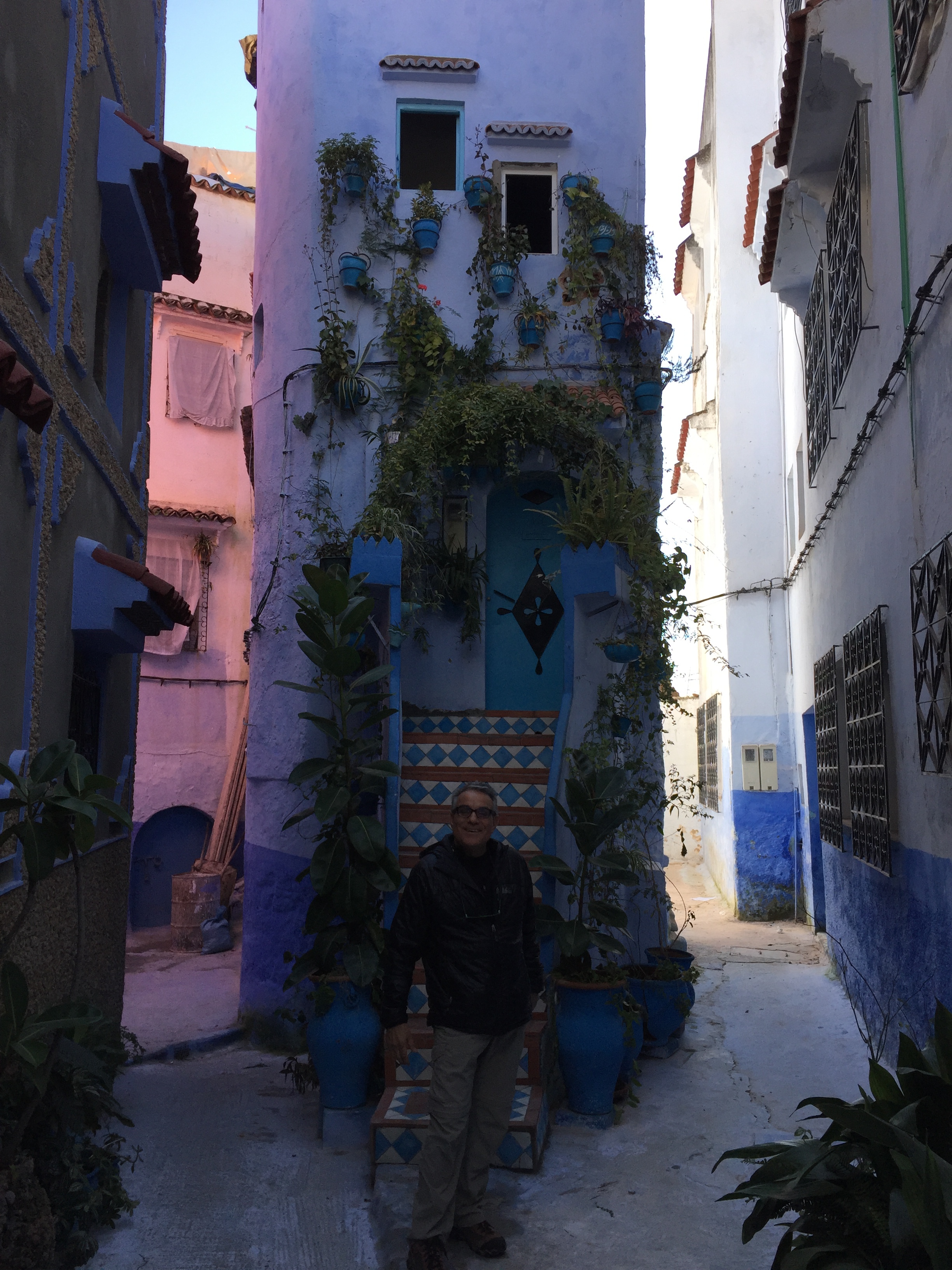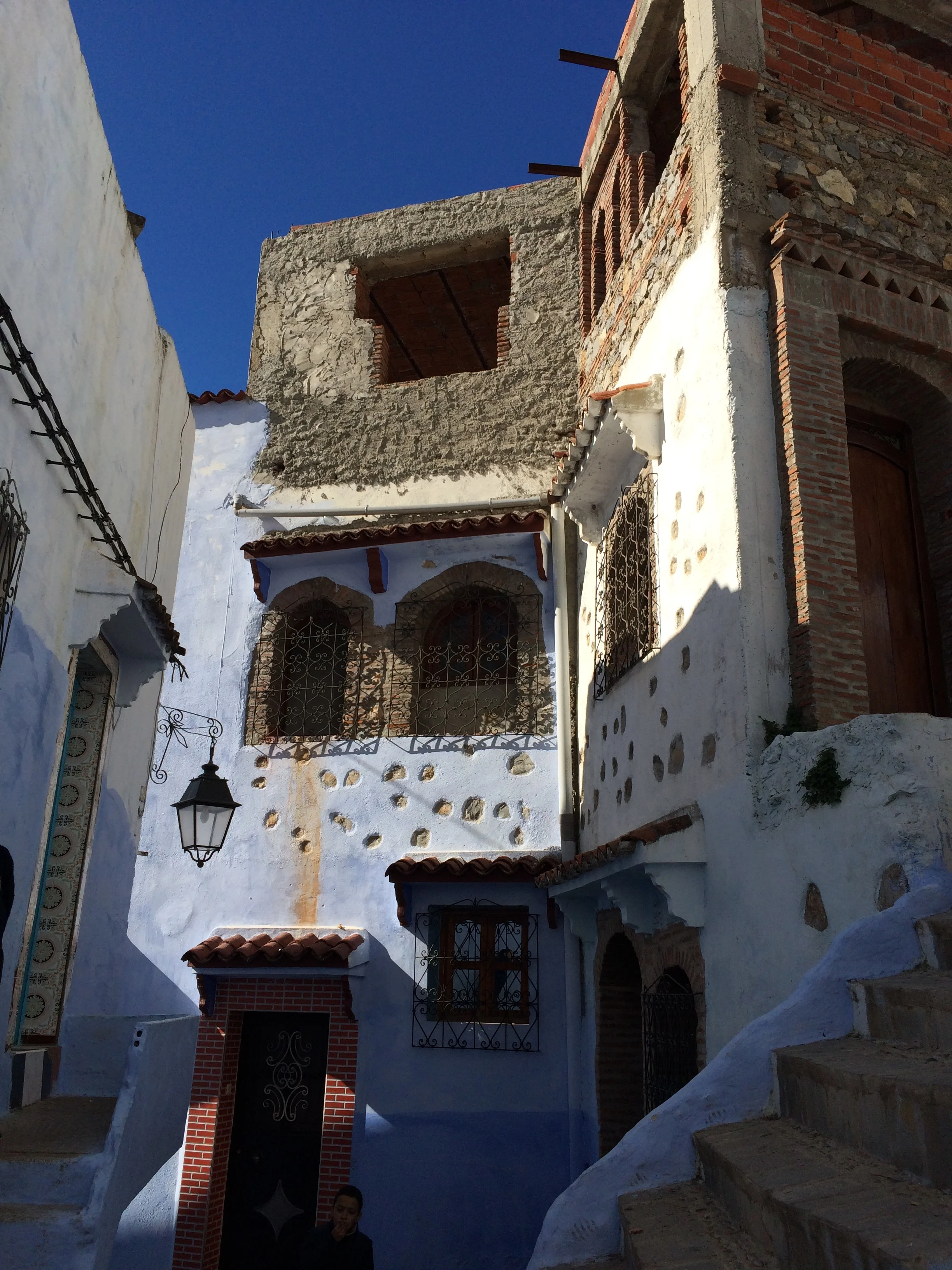
Egypt Part Two

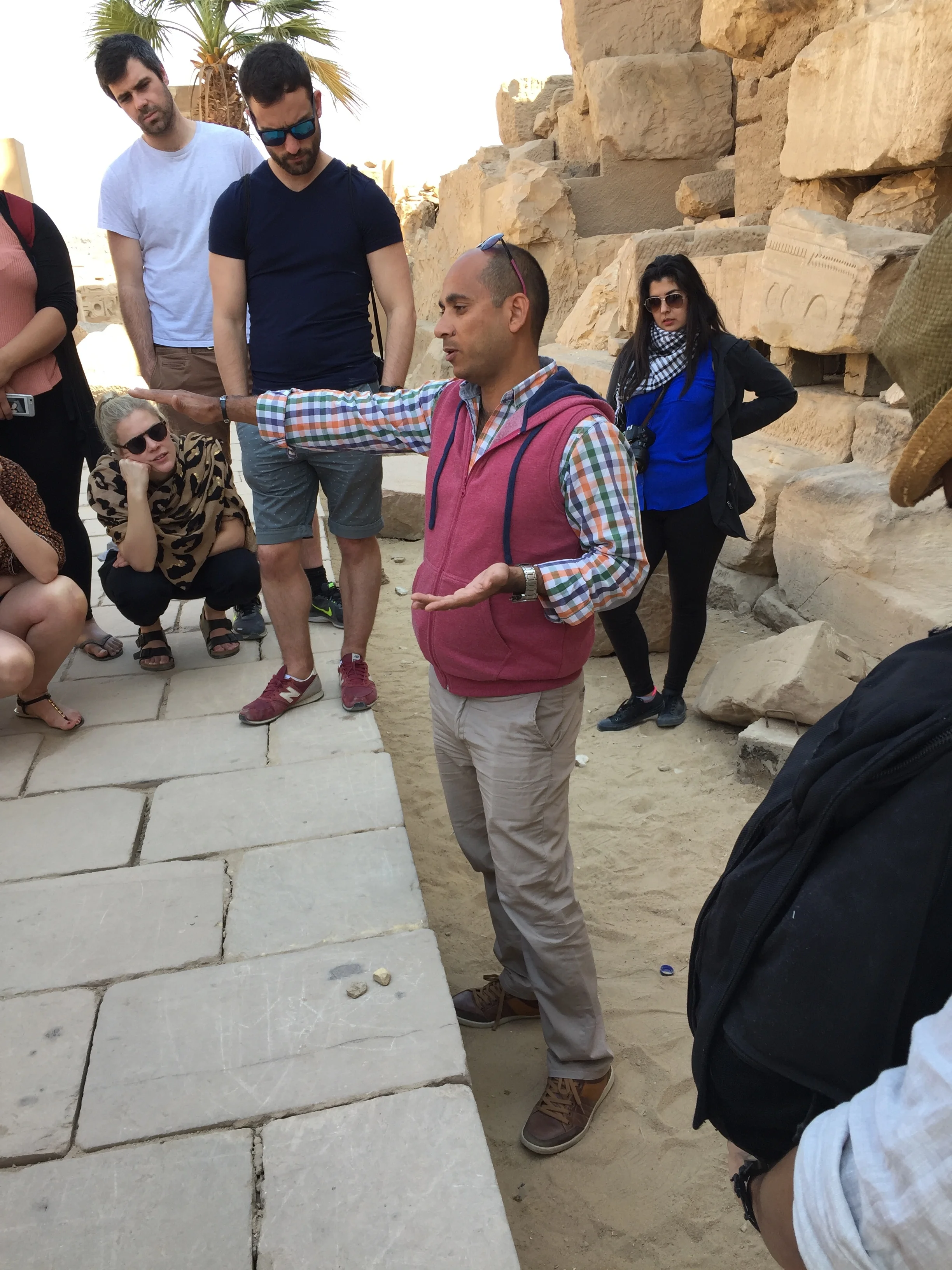
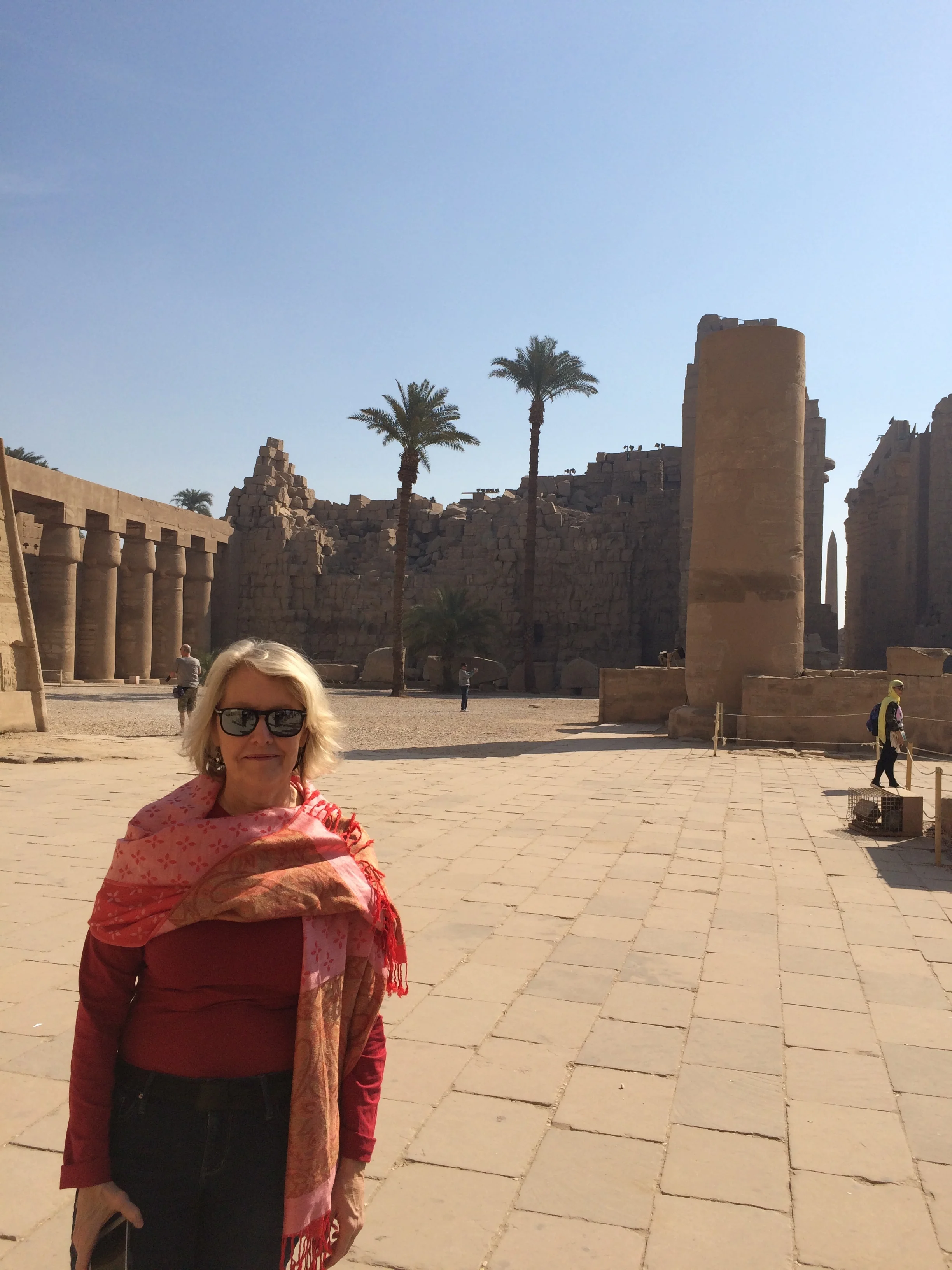
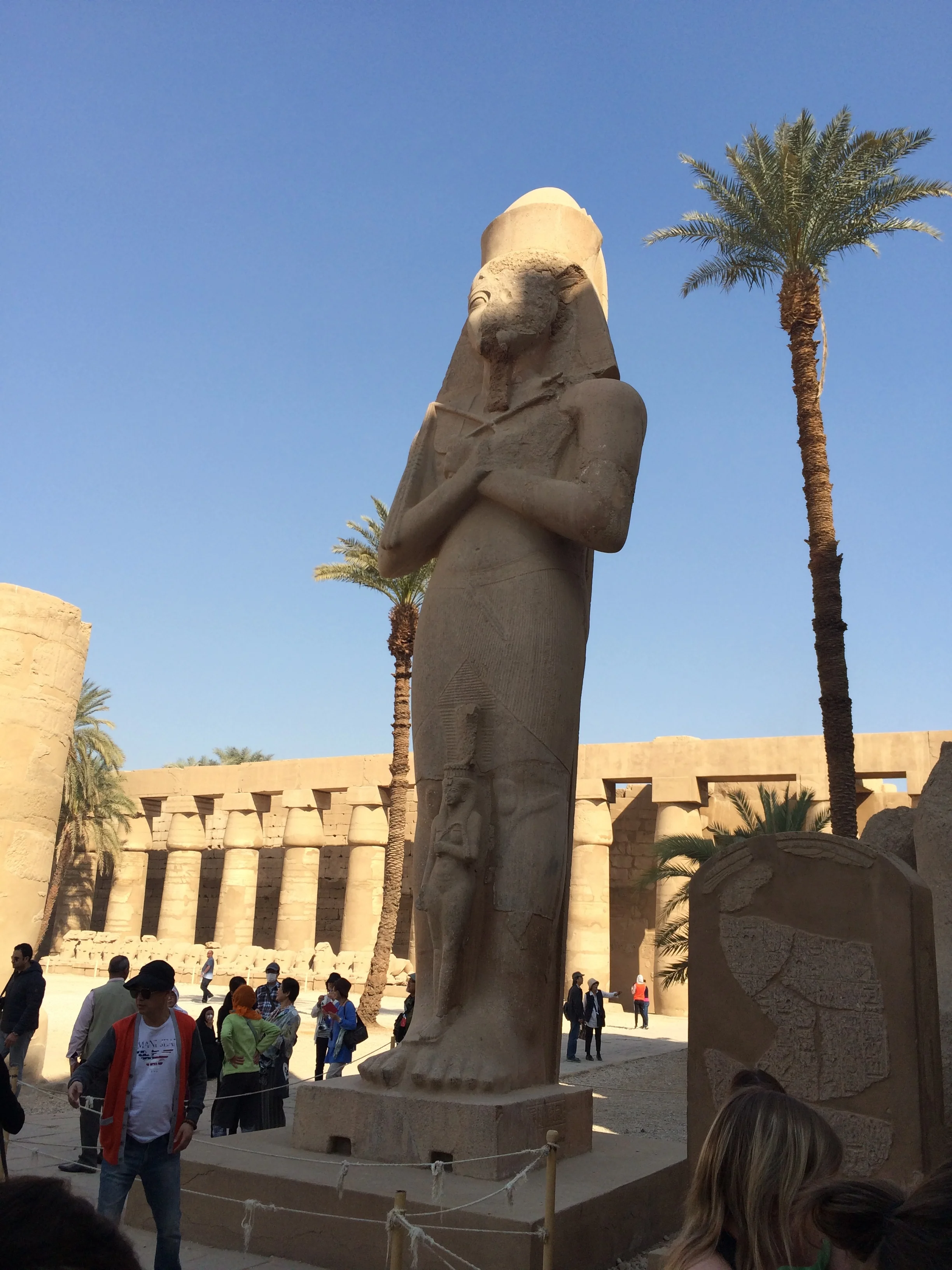
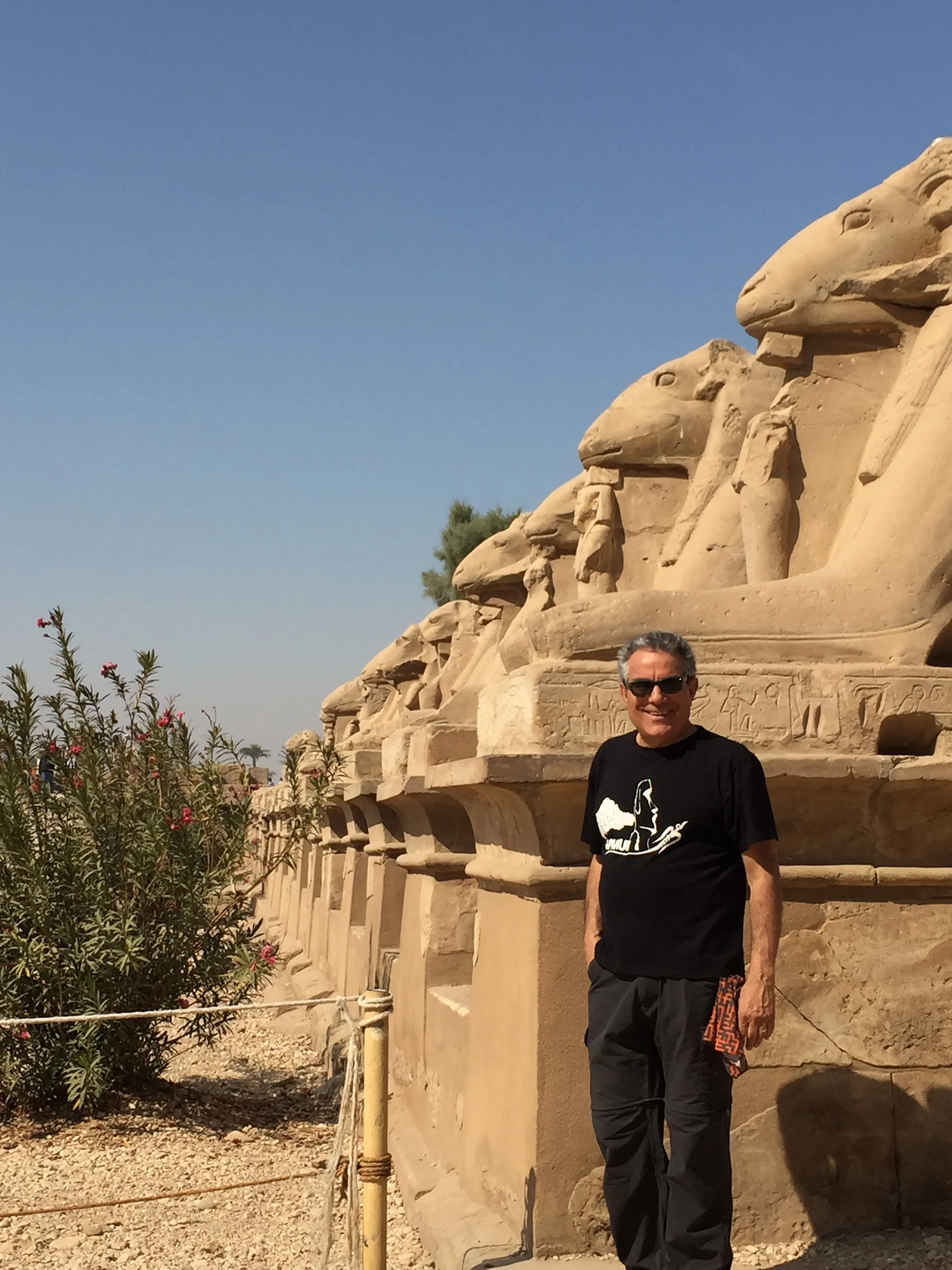
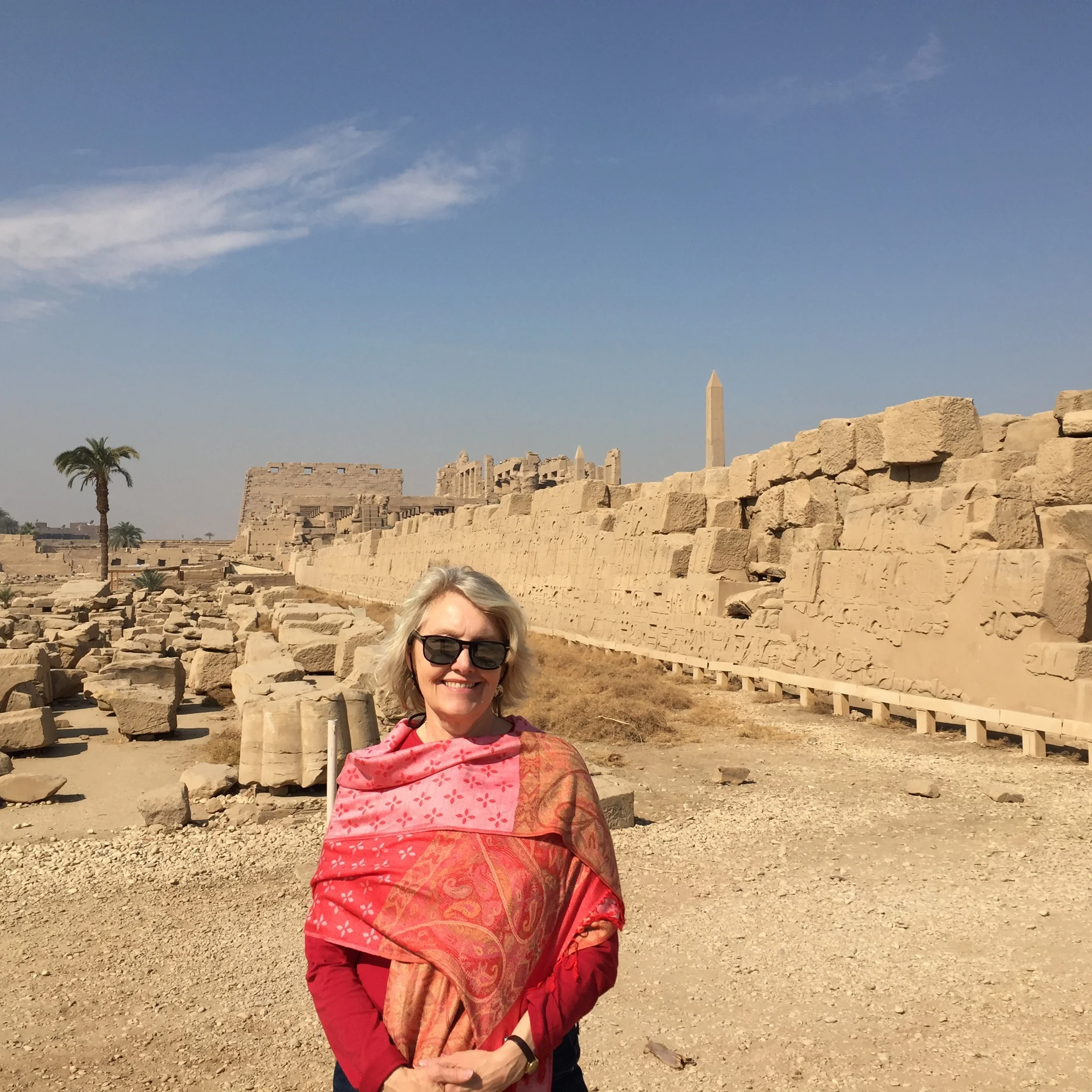
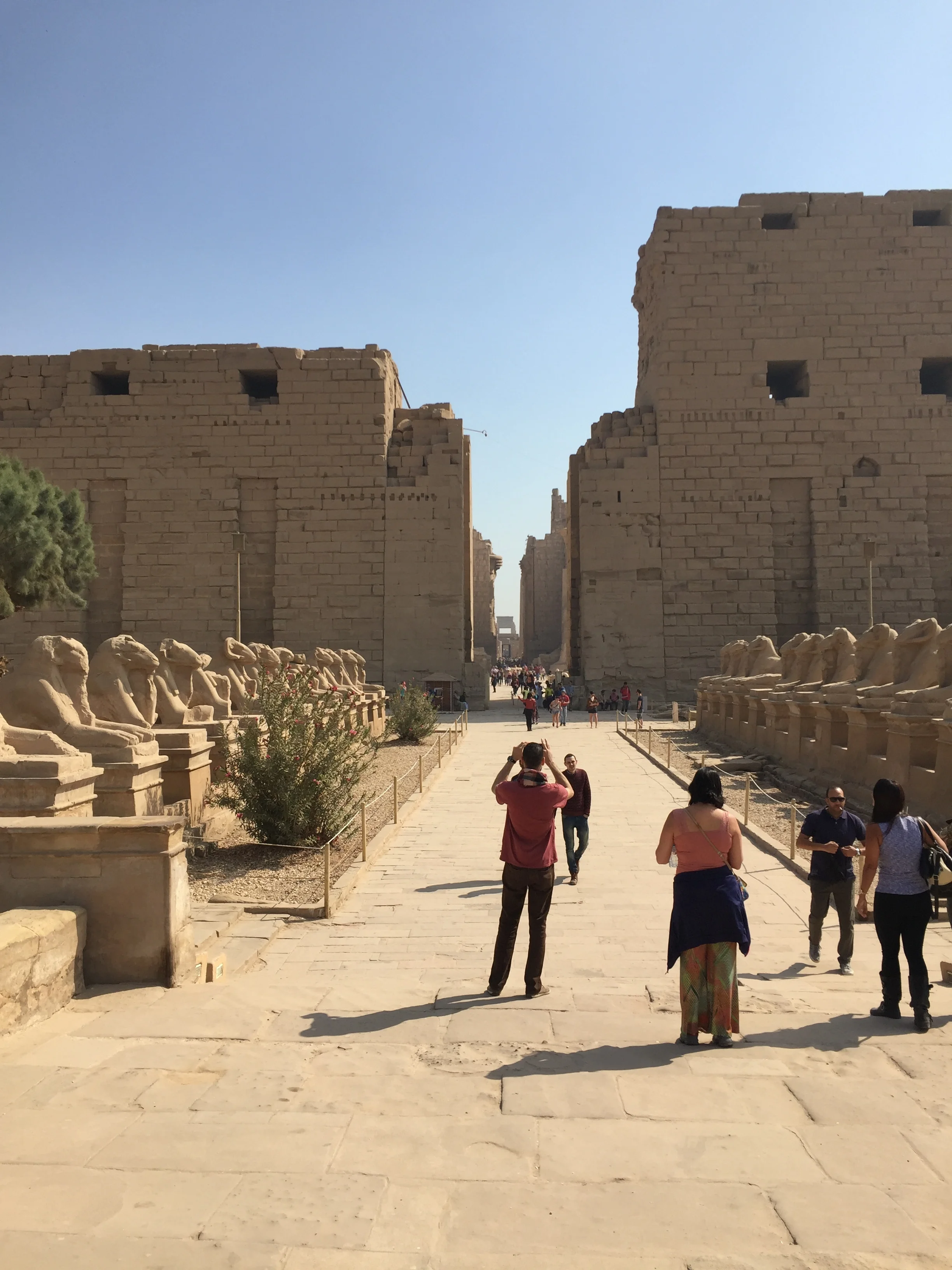
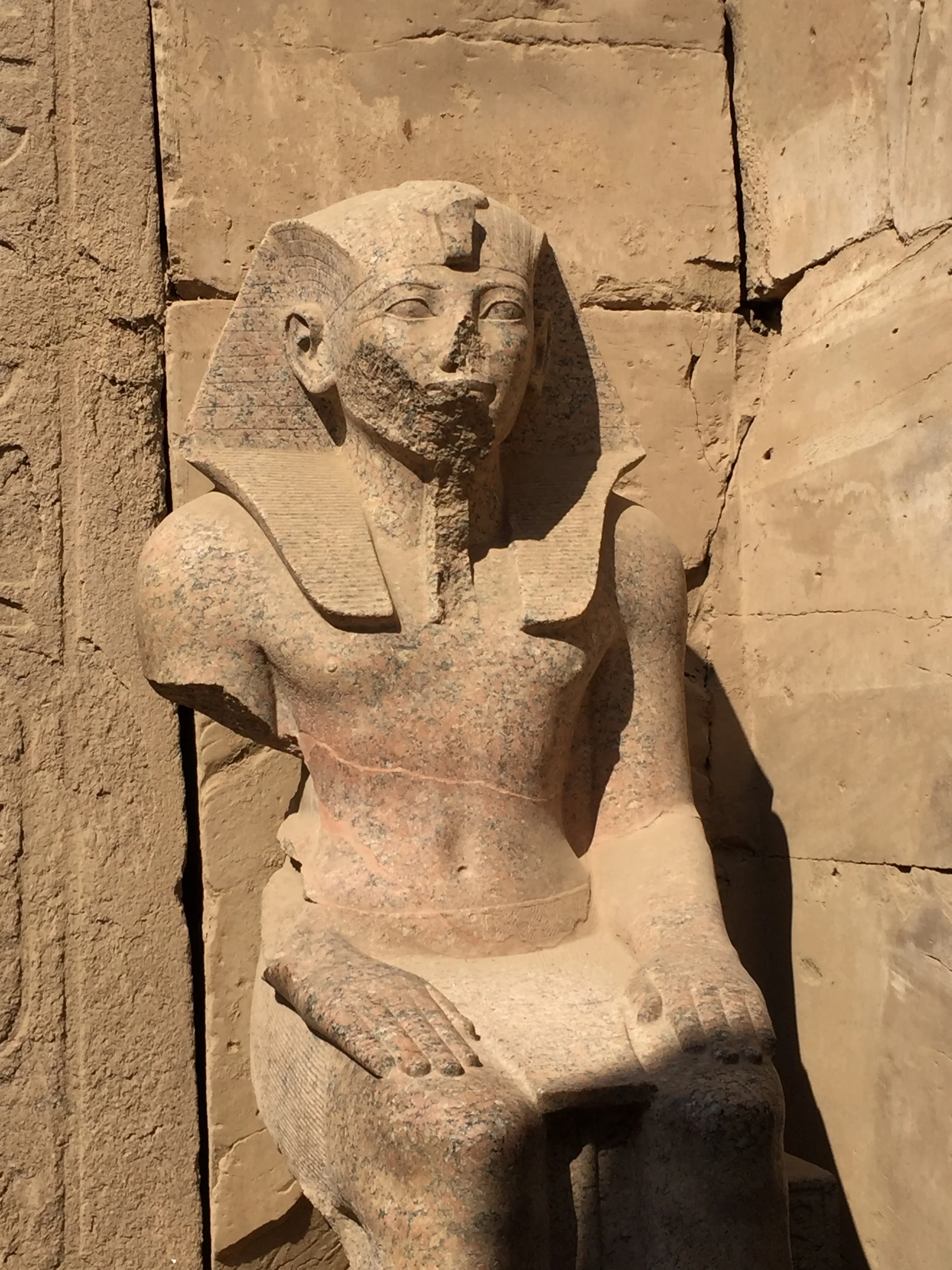
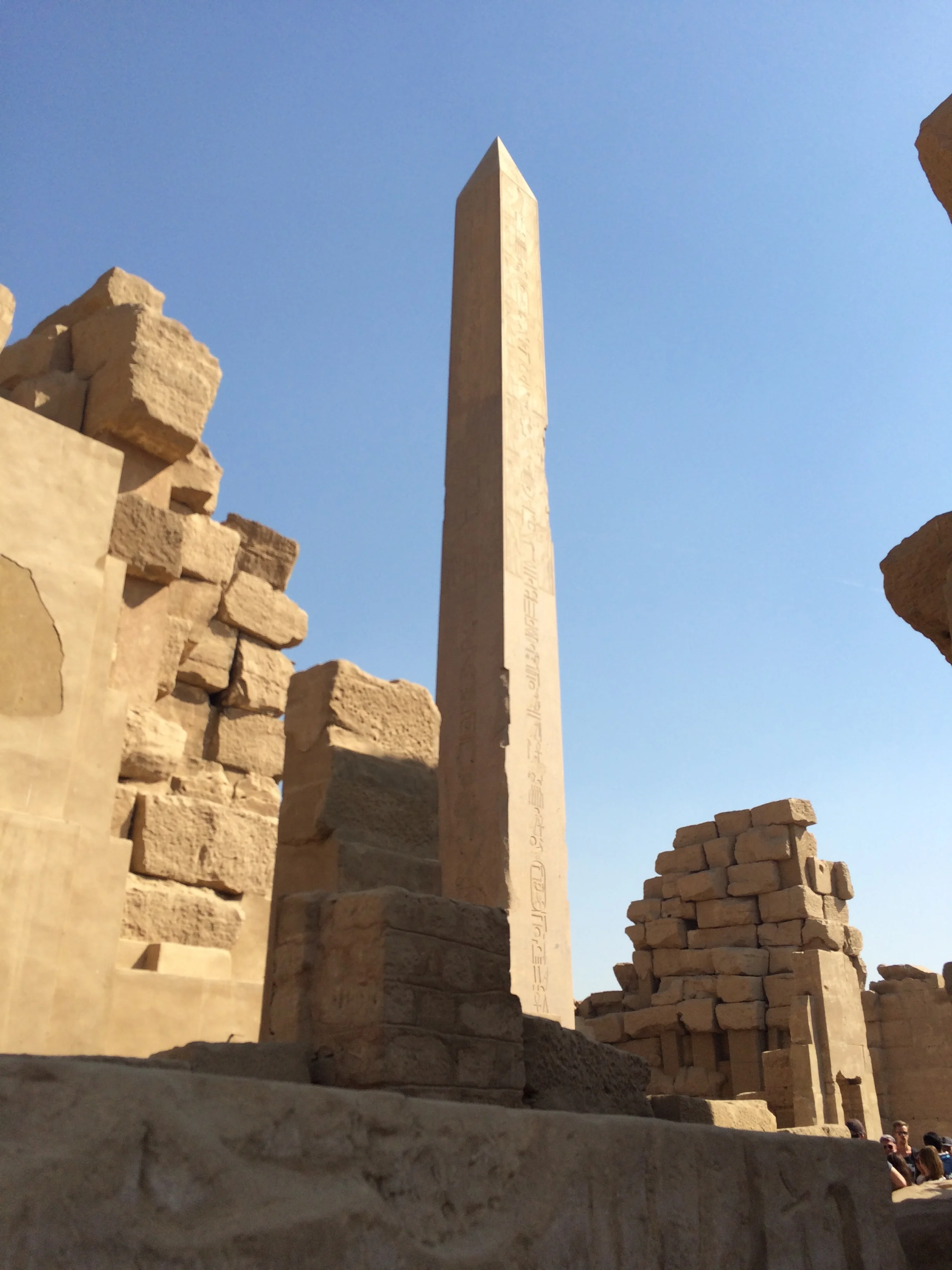
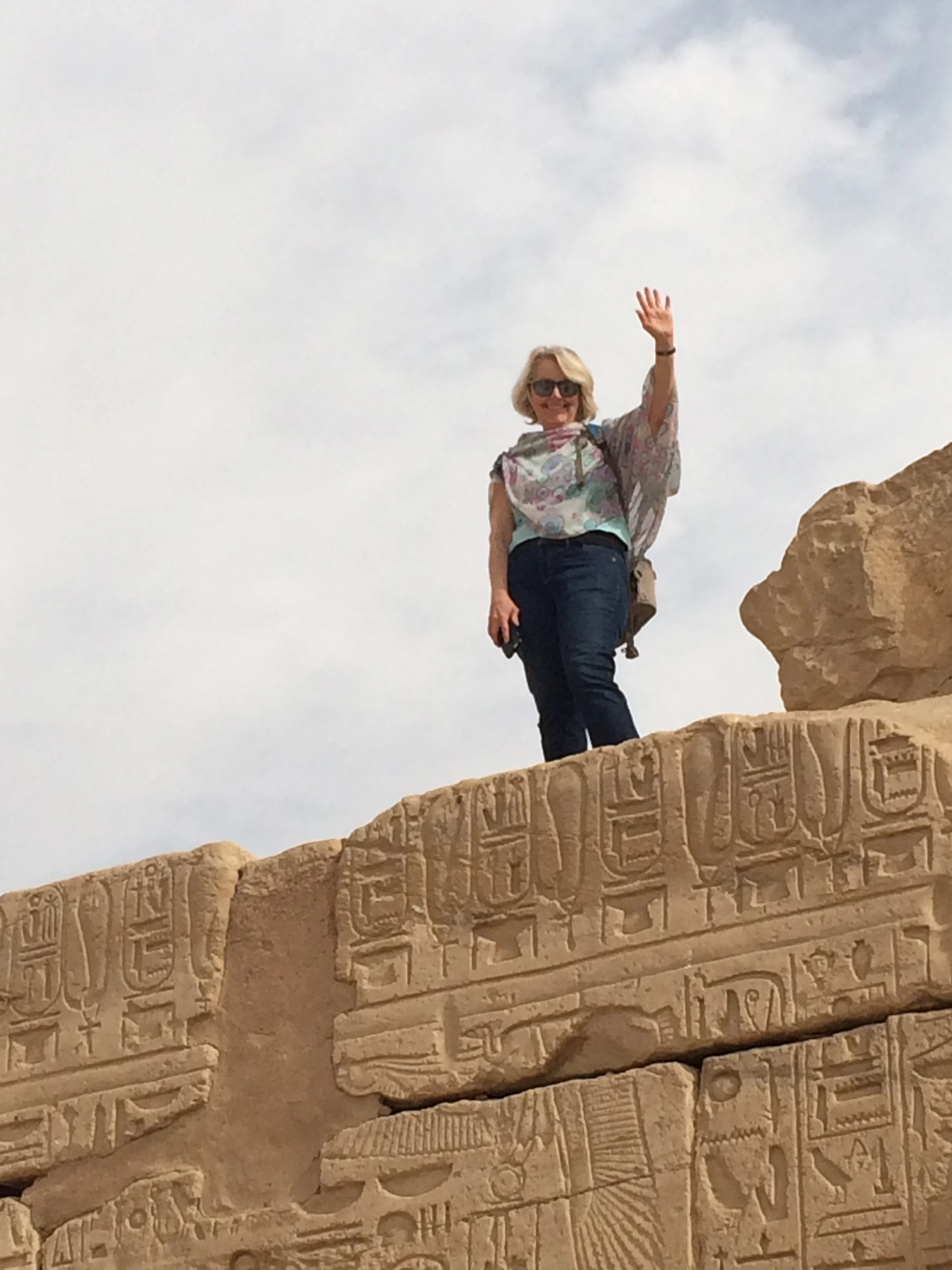
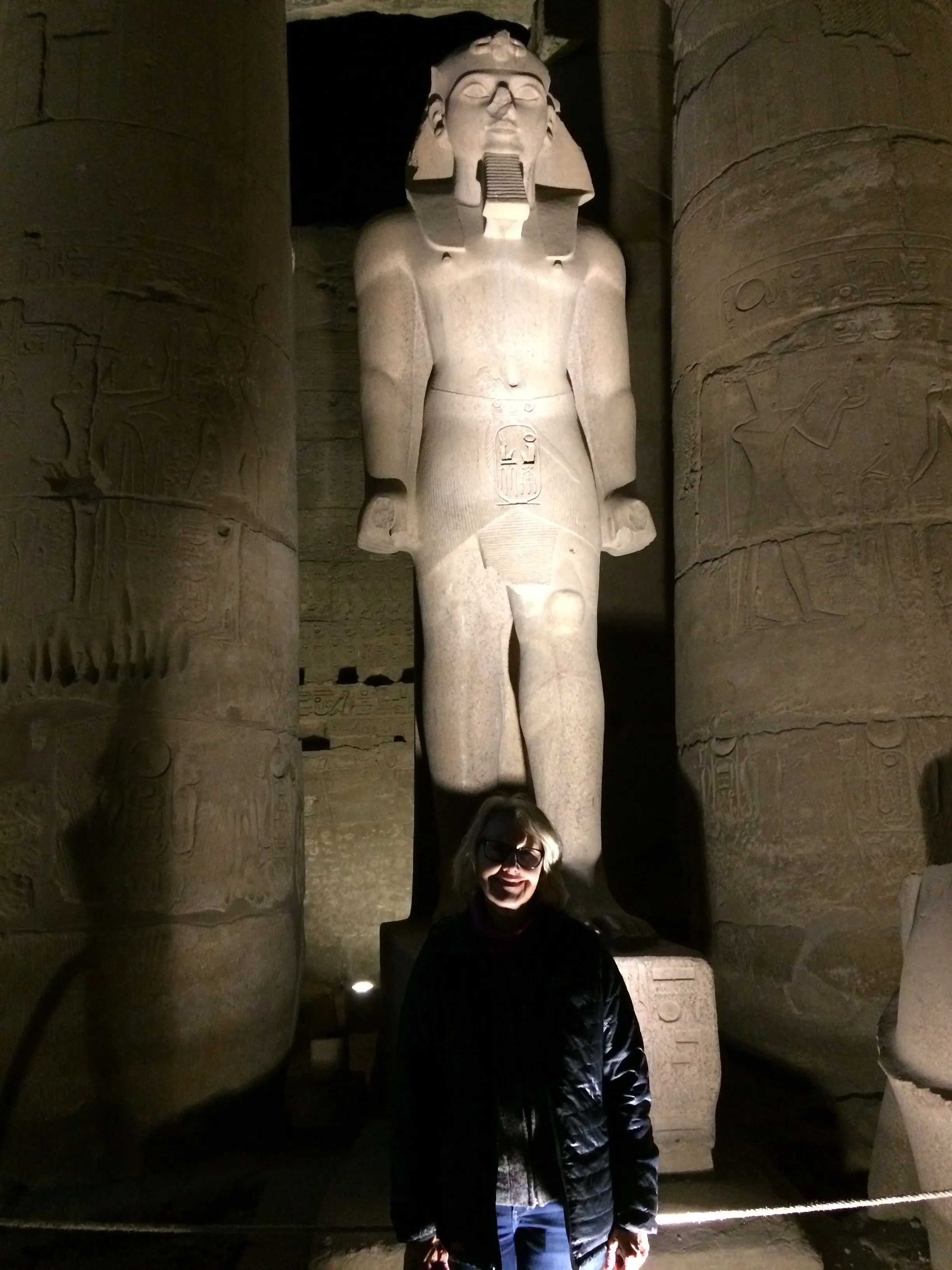
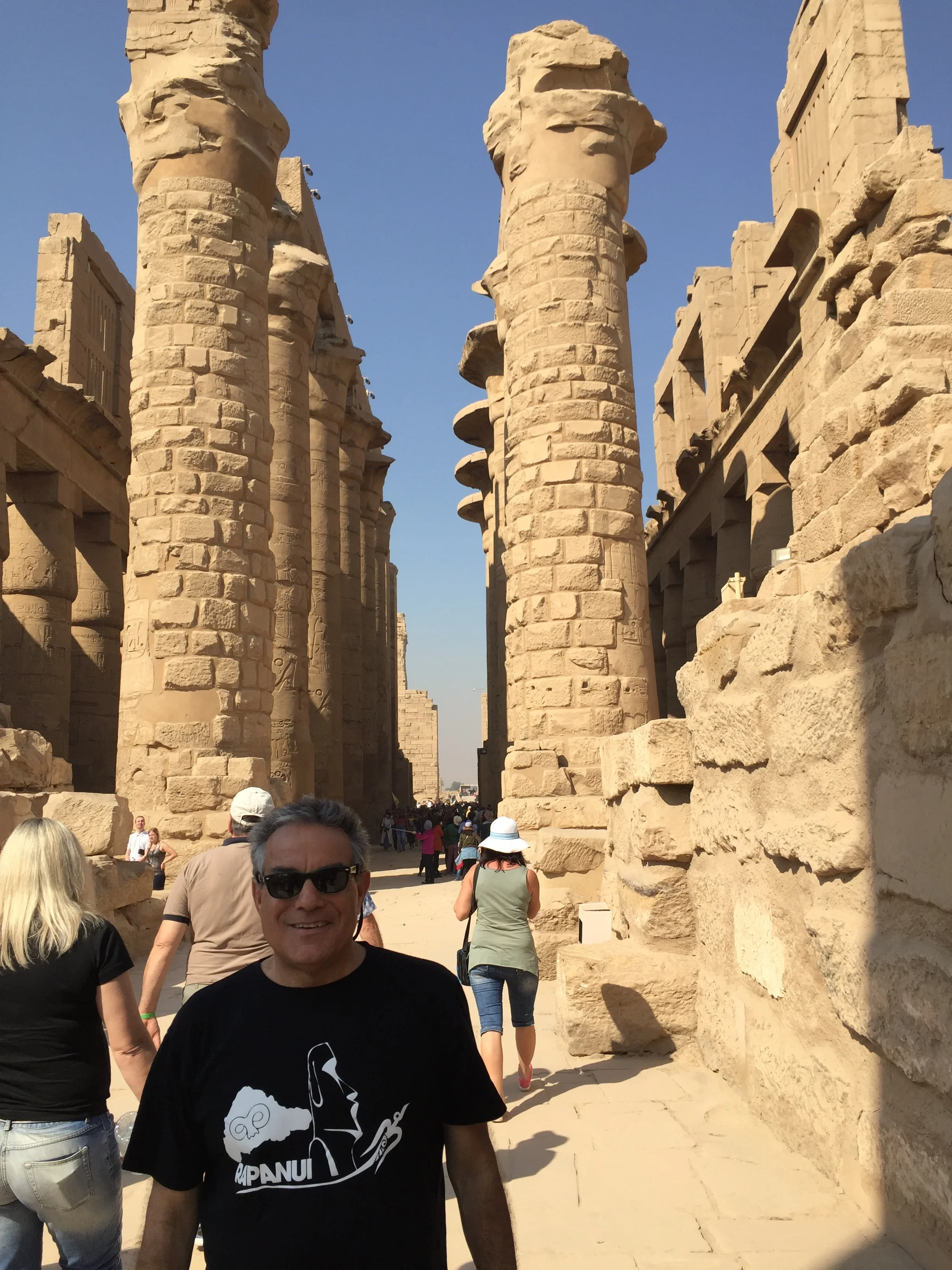
After 4 hours of sleep our race around Egypt continued in Luxor with a visit to the Temple of Karnak on the east bank of the Nile.  The site is huge, the largest ancient religious site in the world, after the Angkor Wat Temple of Cambodia.  (which we should visit in late spring!!).  You enter the site down a street lined with ram’s head Sphynxs' and we are blown away by the beauty and size of the site.  After a great review from our guild, Sam, we have free time to wander in awe.  See the pics:
Papyrus Demostration

After the visit we travel to a local Papyrus art shop.  Since we visited a shop on our own we enjoyed the demo of the process and wandered without any purchases.  Next stop, lunch with the group at a traditional Egyptian restaurant.  The food in Egypt is very cheap, for less than $5 we have soup, a choice of meat with sides and fruit for desert.  It is very good. 

Now we must load up on the bus to drive to the city of Aswan.  The bus is quiet on this leg of the trip and we pass the 4 hours by sleeping and reading.  

Frank's new pet at the Nubian dinner

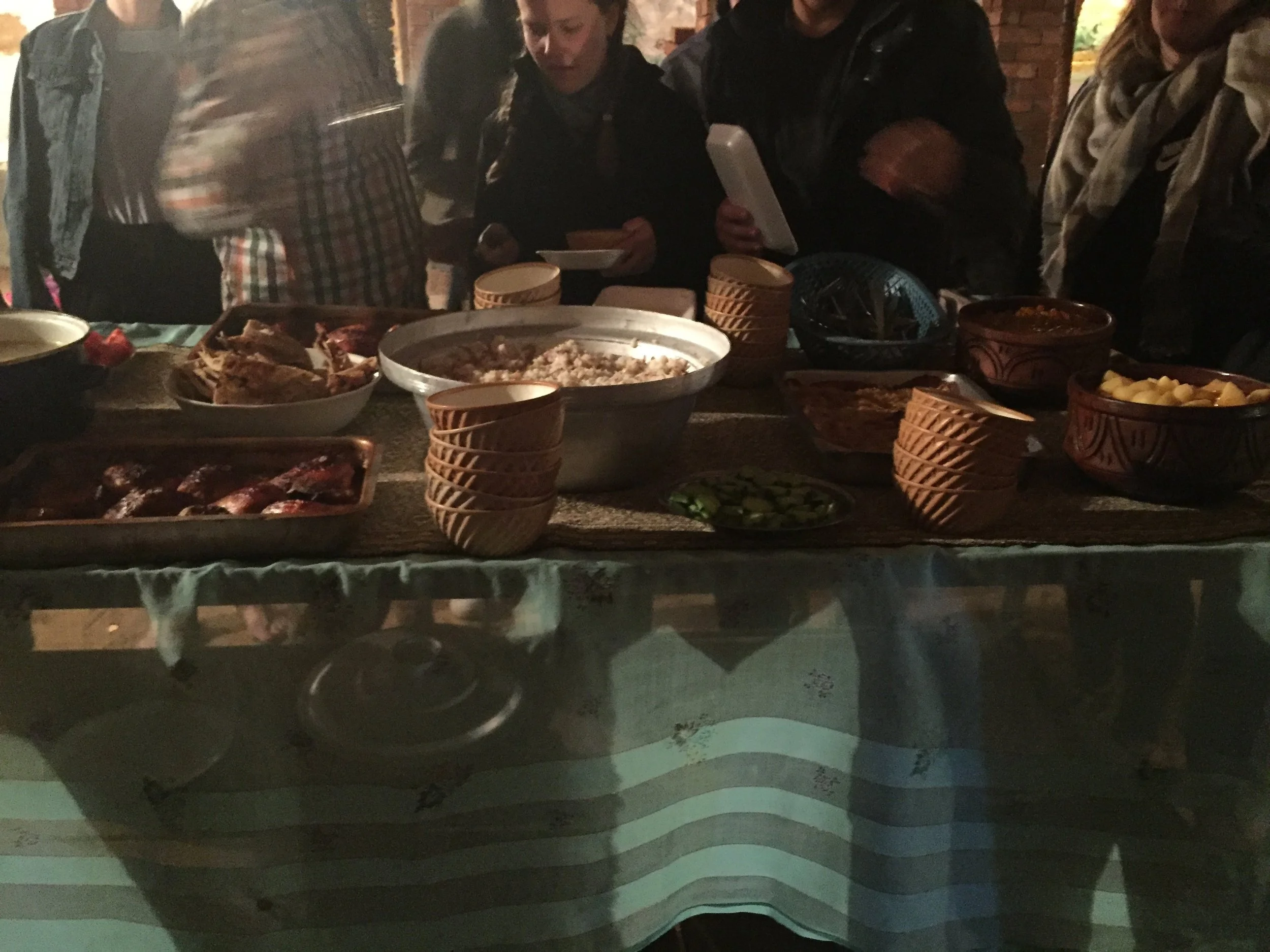
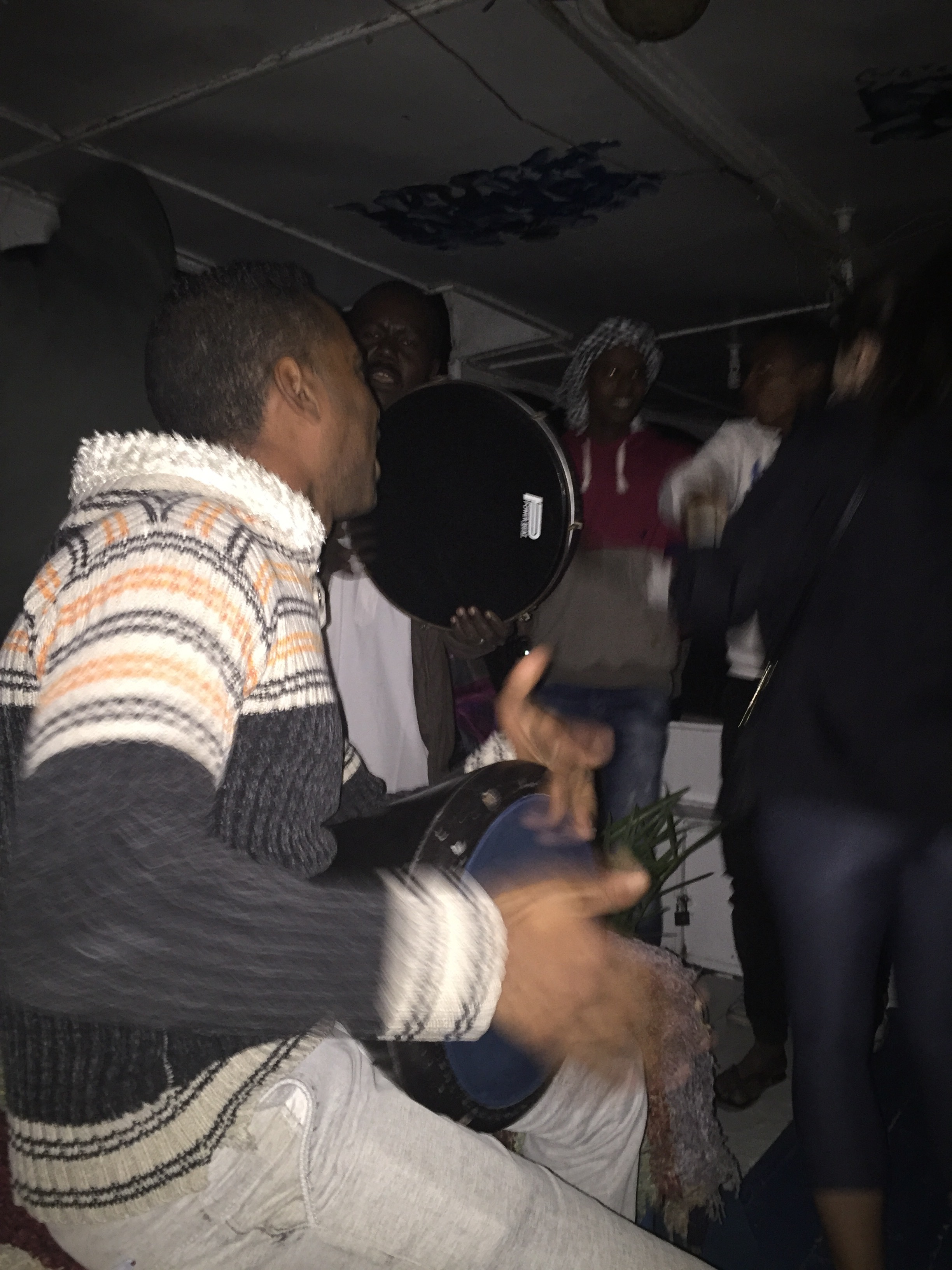
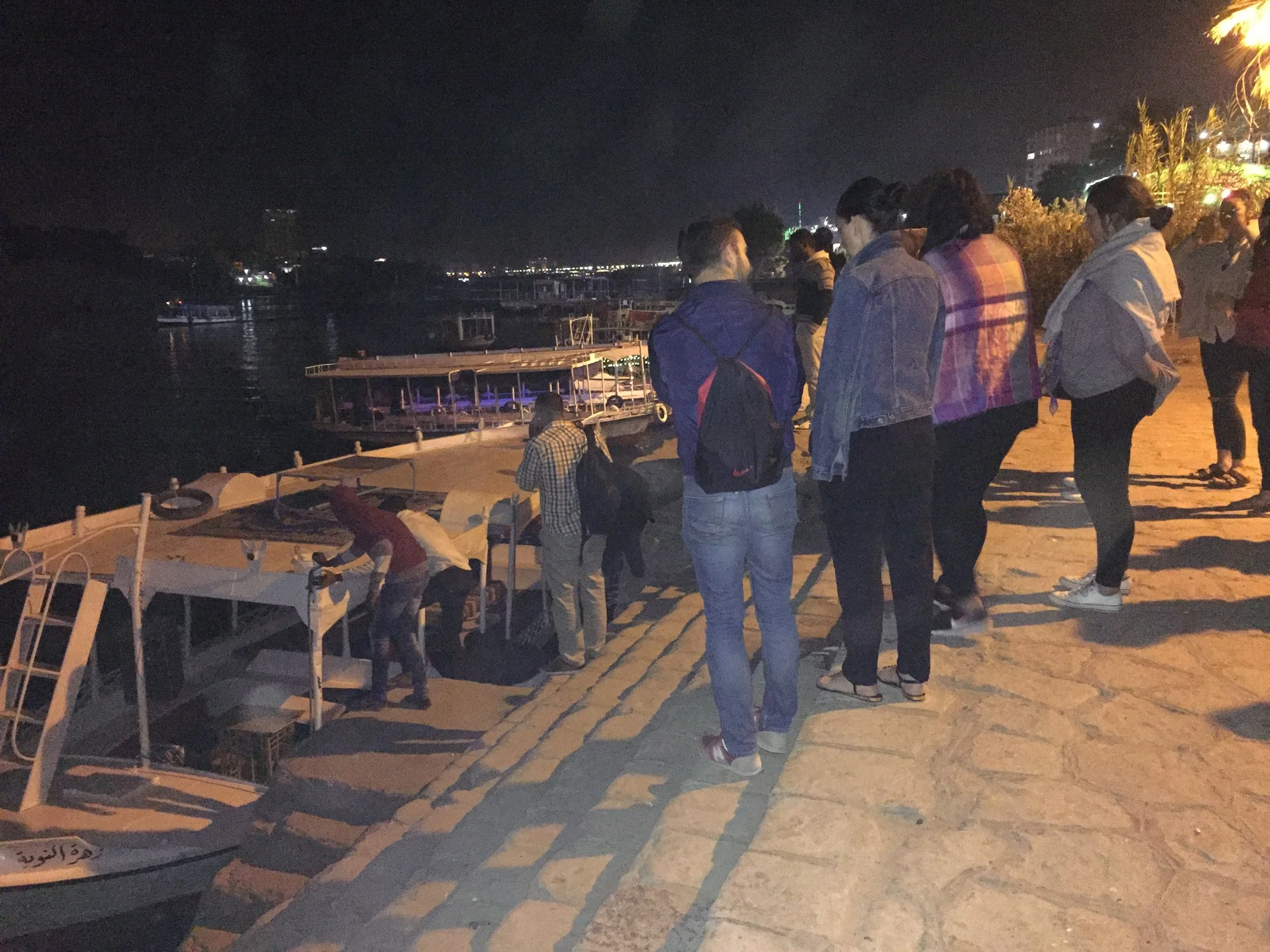
Our tour group is now splitting up and we join the group going on the Nile river cruise.  We race to the boat, check in, and have 5 minutes to drop our luggage and meet back with the large group for the night excursion.  We load on to a boat on the Nile and ferry to a small island where we go to dinner at a traditional Nubian home.  The food is homey, filling and good.  The history of the Nubians was provided by Sam our guide, they arise from the south Egypt, and the conversation within our group is great and even though tired, it is a great dinner.  On our boat ride back out, the Nubian hosts break out in traditional singing and dancing, soon the engine of the boat stops and we are all dancing and singing as we float down the Nile. 
 

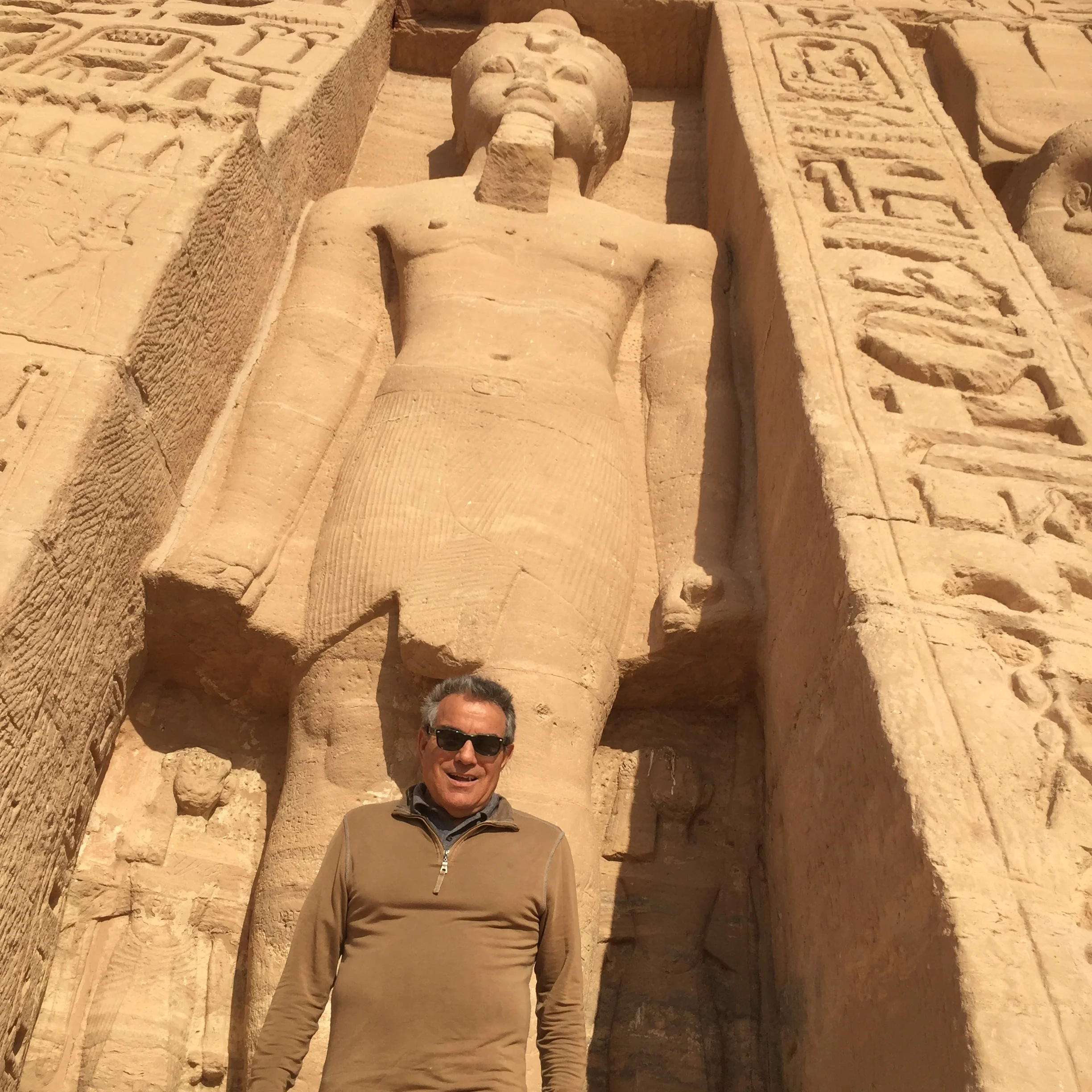
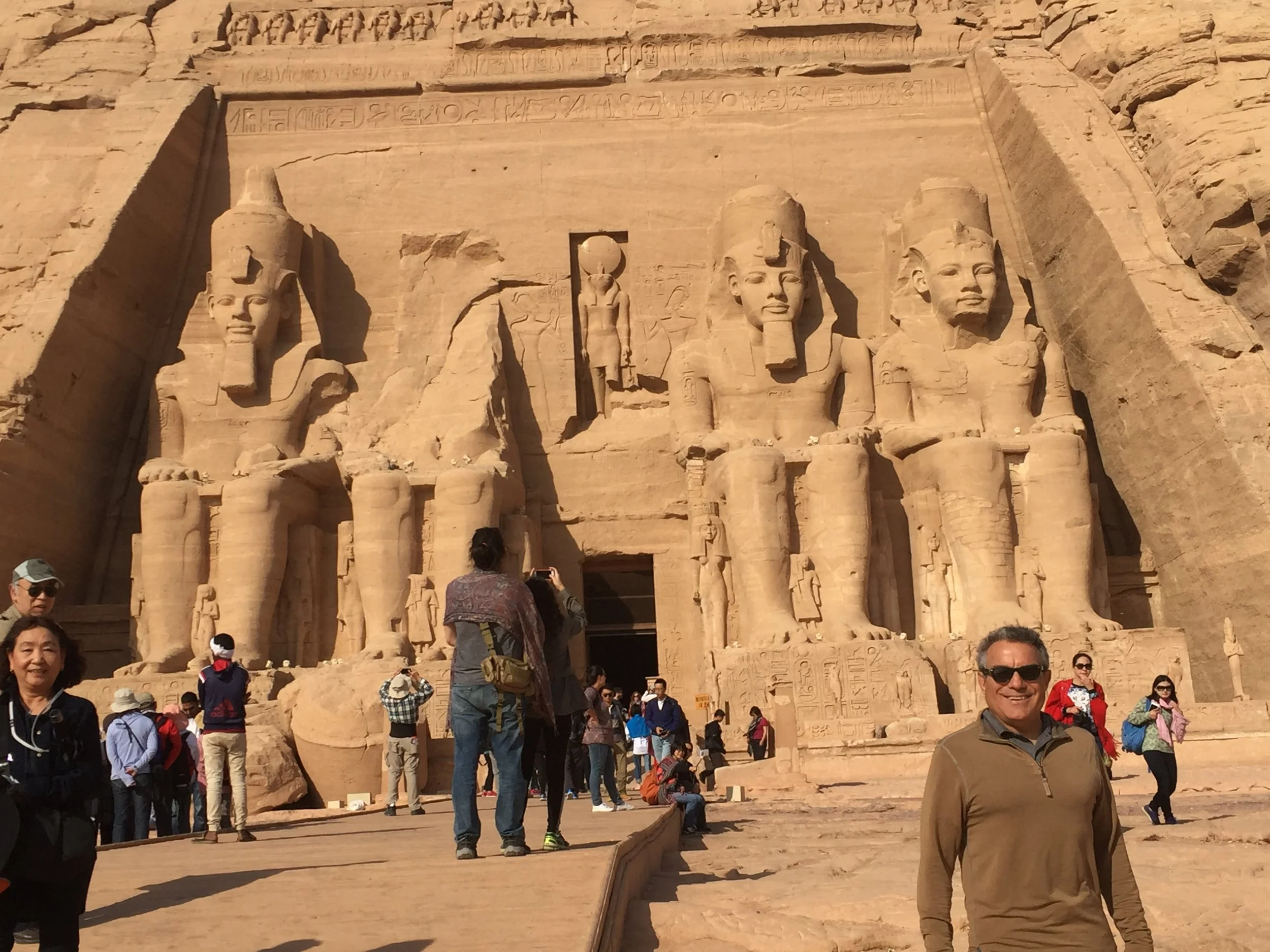
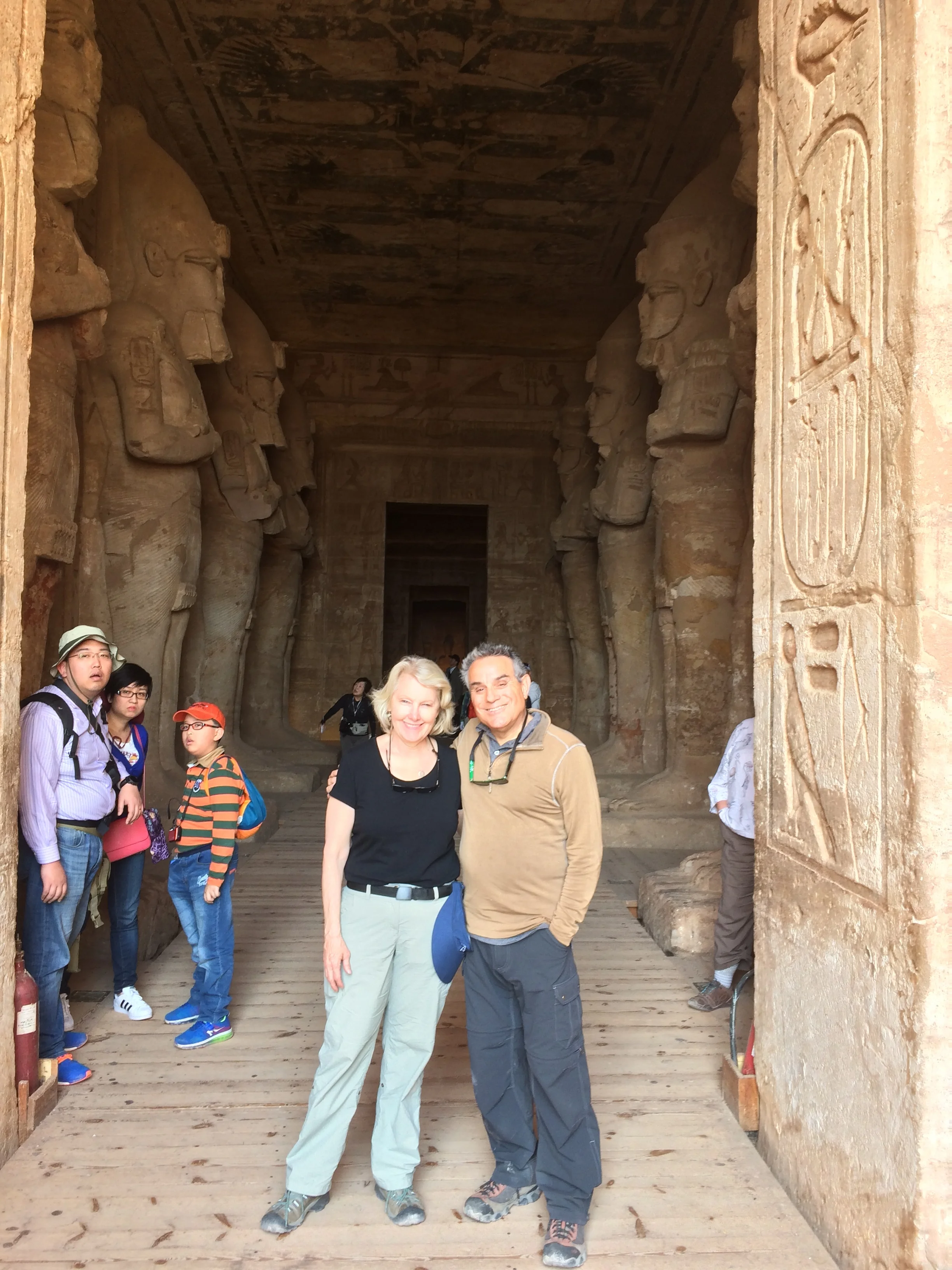
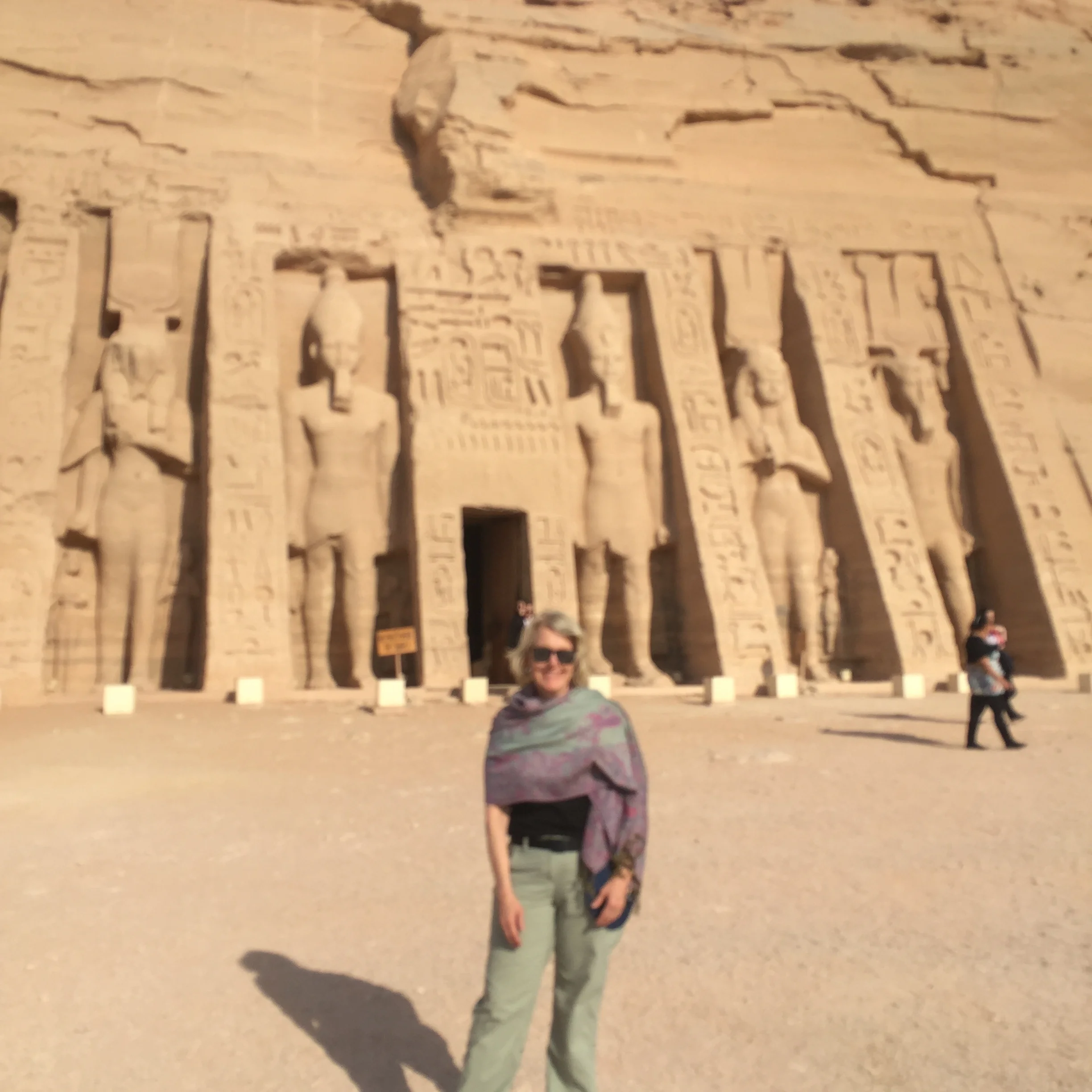
Our first morning on our cruise ship starts at 4:15 am with a box breakfast and a 2.5 hour bus ride to visit the site called Abu Simbel, billed as one of the most impressive sites in Egypt. It was magnificent. See photos.

This is the Ramses II Temple, not tomb, with the 4 giant sitting statues, that had been carved into a mountain. These figures were probably 3 stories high. The site also had an accompanying temple for the Pharaoh’s favorite wife. It was not unusual for a Pharaoh to have multiple wives for love, lust, and politics. Ramses II had as many as 43 wives.  This site is also next to a lake caused by a dam built in the early 60’s.  The original dam project would have destroyed this temple and many others.  With the assistance of the global community the entire site was moved stone by stone and protected from the flood.  The US was one of the important countries on this project and as a return of our efforts Egypt gave us a another small temple that is now in the NY Metropolitan Museum of Art, very cool.  
Cruise ship lunch

We travel the 2.5 hours back to Luxor and our cruise ship.  It is a race again, the ship will sail at 1:30. Sam our guide arranged a special van to meet us on the side of the road to get to the ship and we split with the large group again.   We also meet our cruise guide Micky.  We made the boat just in time and lunch was waiting for us. 


The river cruise ship

Our cruise group is just 6 of us. The others crowded into an open deck sailing boat, called Felucca, to share together time. This was a rustic activity. We, on the other hand having slept in the desert for 2 nights the week before, chose the finer cuisine and service of the cruiser with sun deck, bar, sports TV, and afternoon tea time. The sun set over the Nile valley viewed from the top deck was very cool, as were our new friends who worked in London.


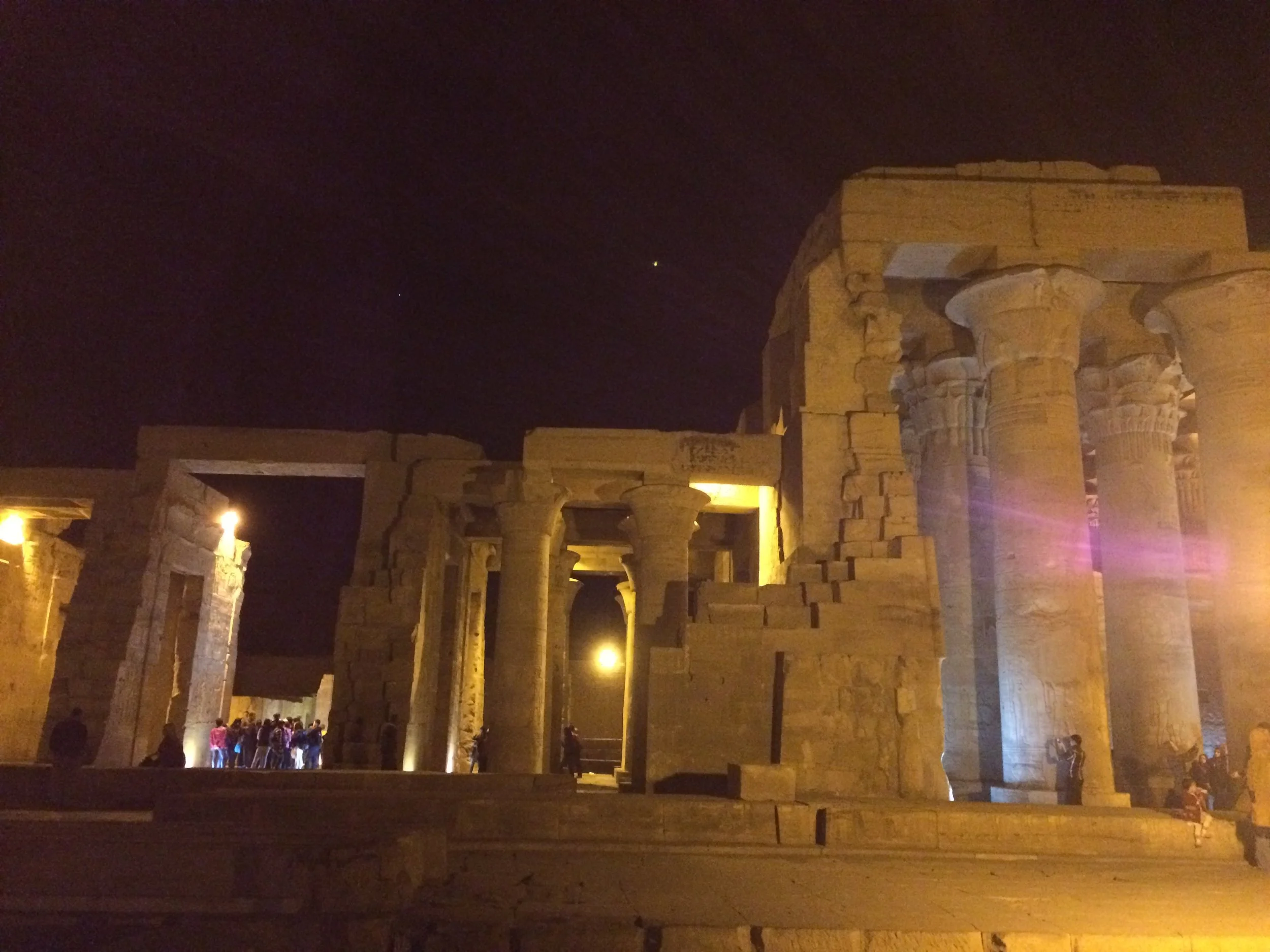
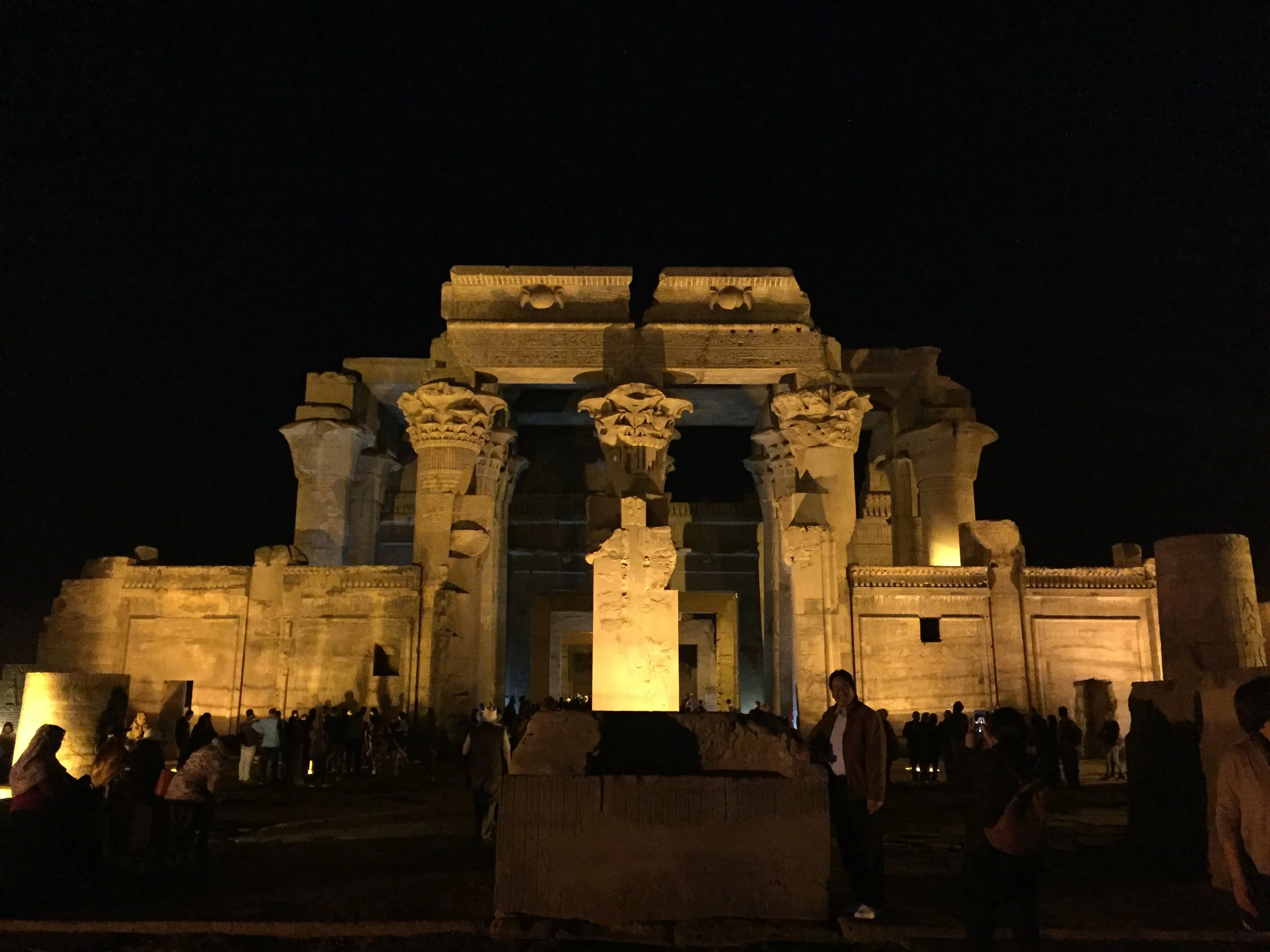
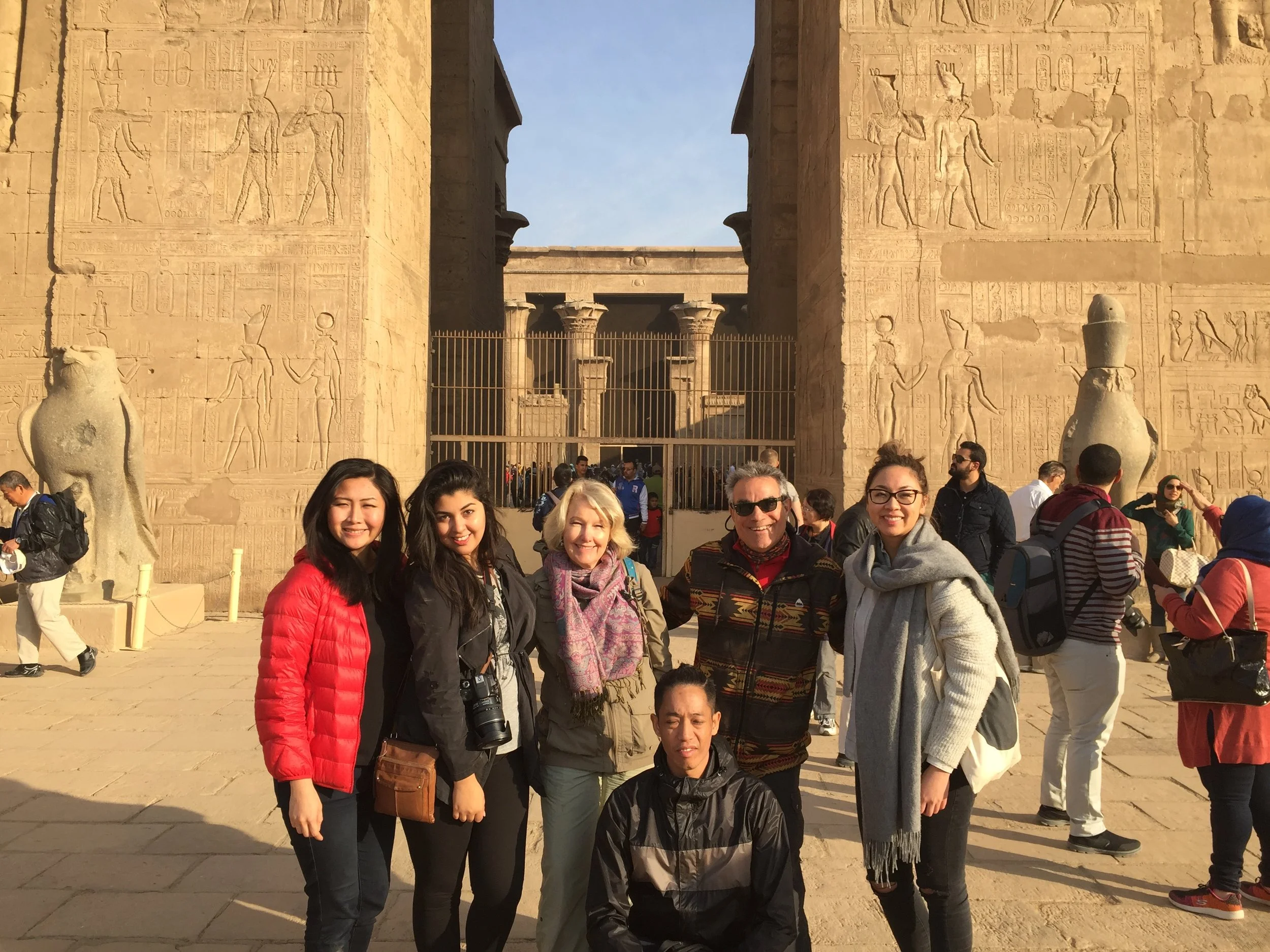
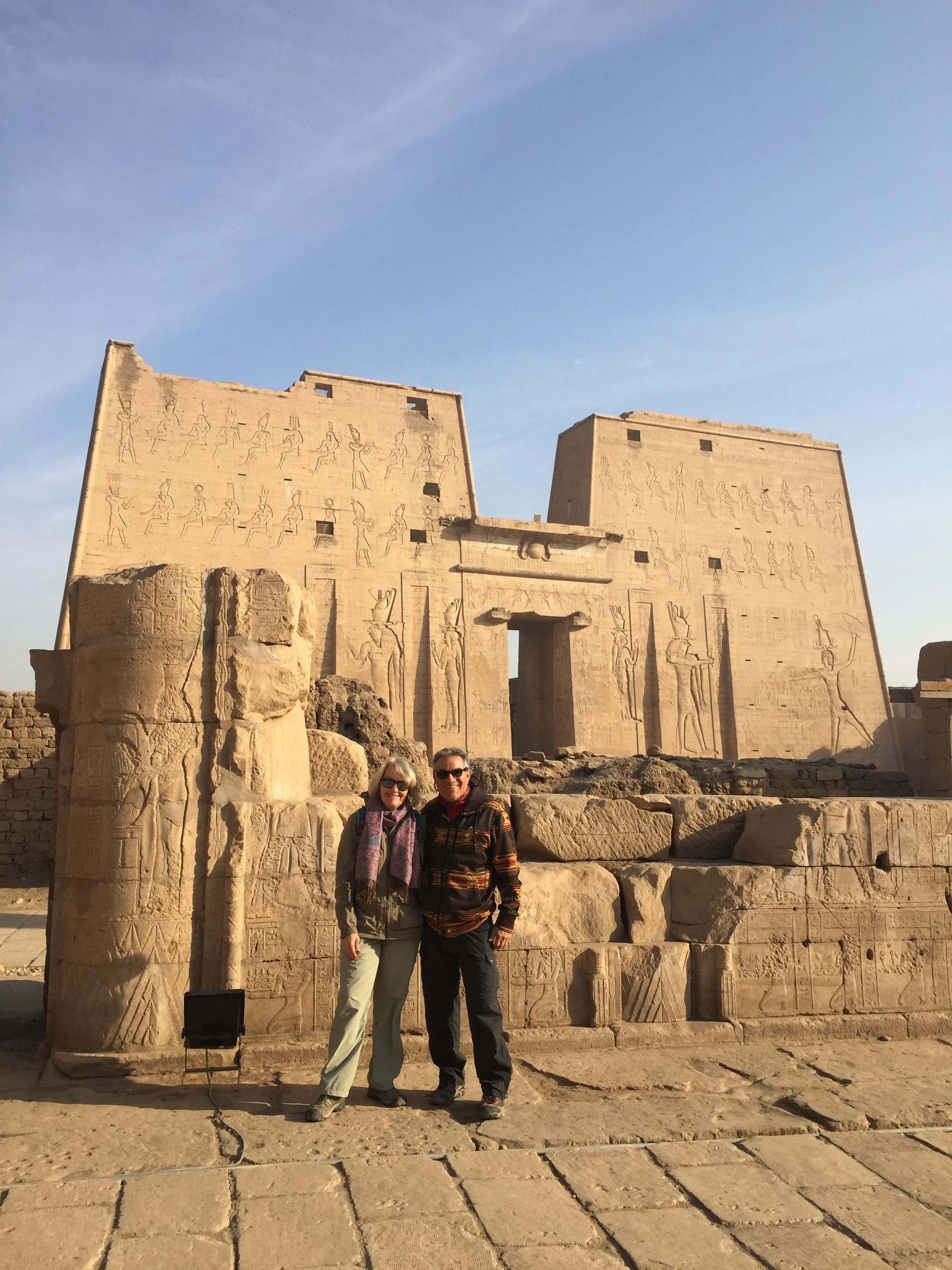
Our day was not done, before dinner we are off the ship to the next sight. We headed to Edfu to visit the largest and best preserved temple in Egypt. The temple is dedicated to the falcon god Horus and was built over a 180 year period from 237 BC to 57 BC.  Then we visited another Temple dedicated to the crocodile god Sobek built during the Ptolemaic period.  Back on the boat we have our first cruise dinner, very good with the best service yet. 
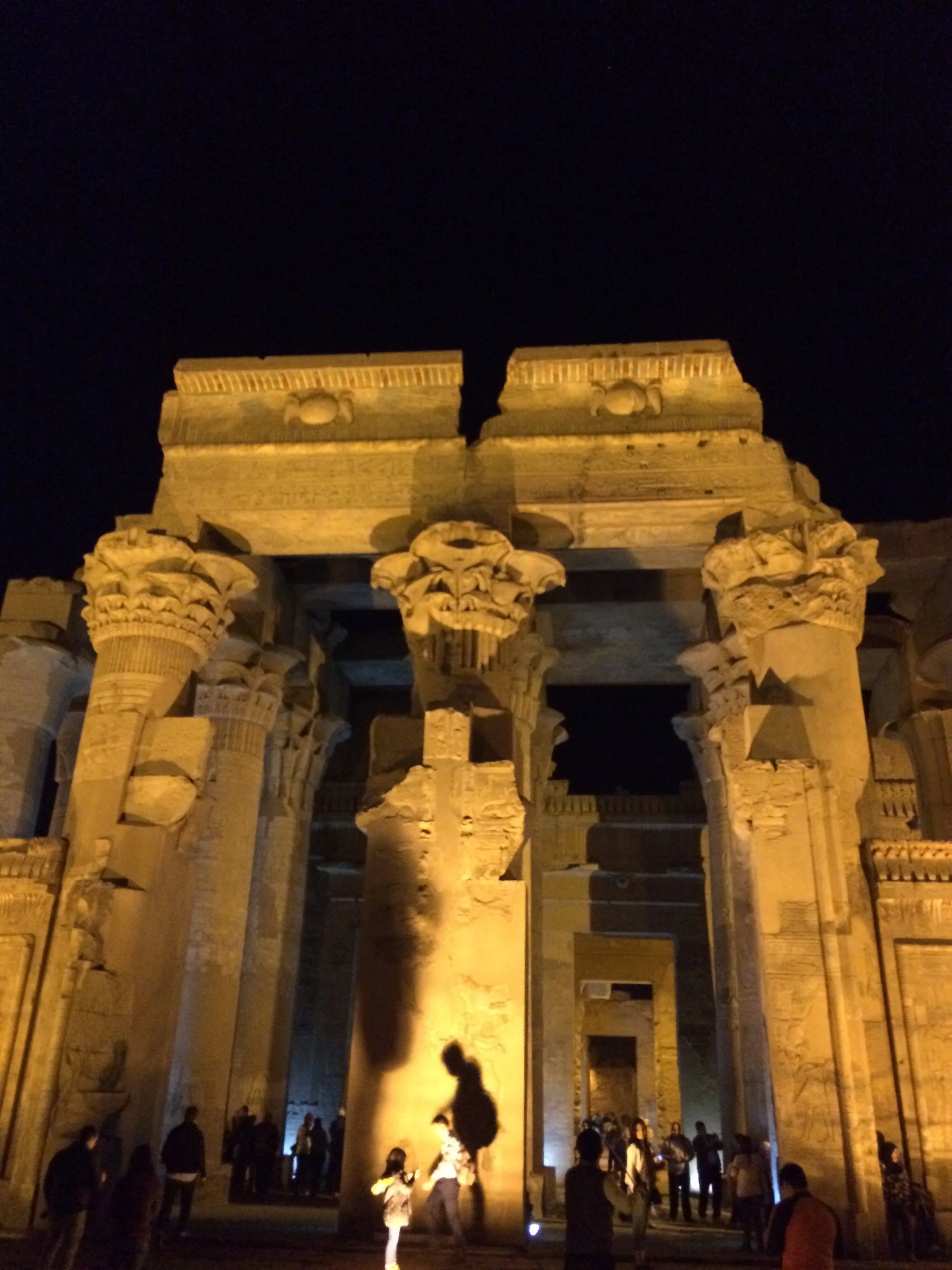
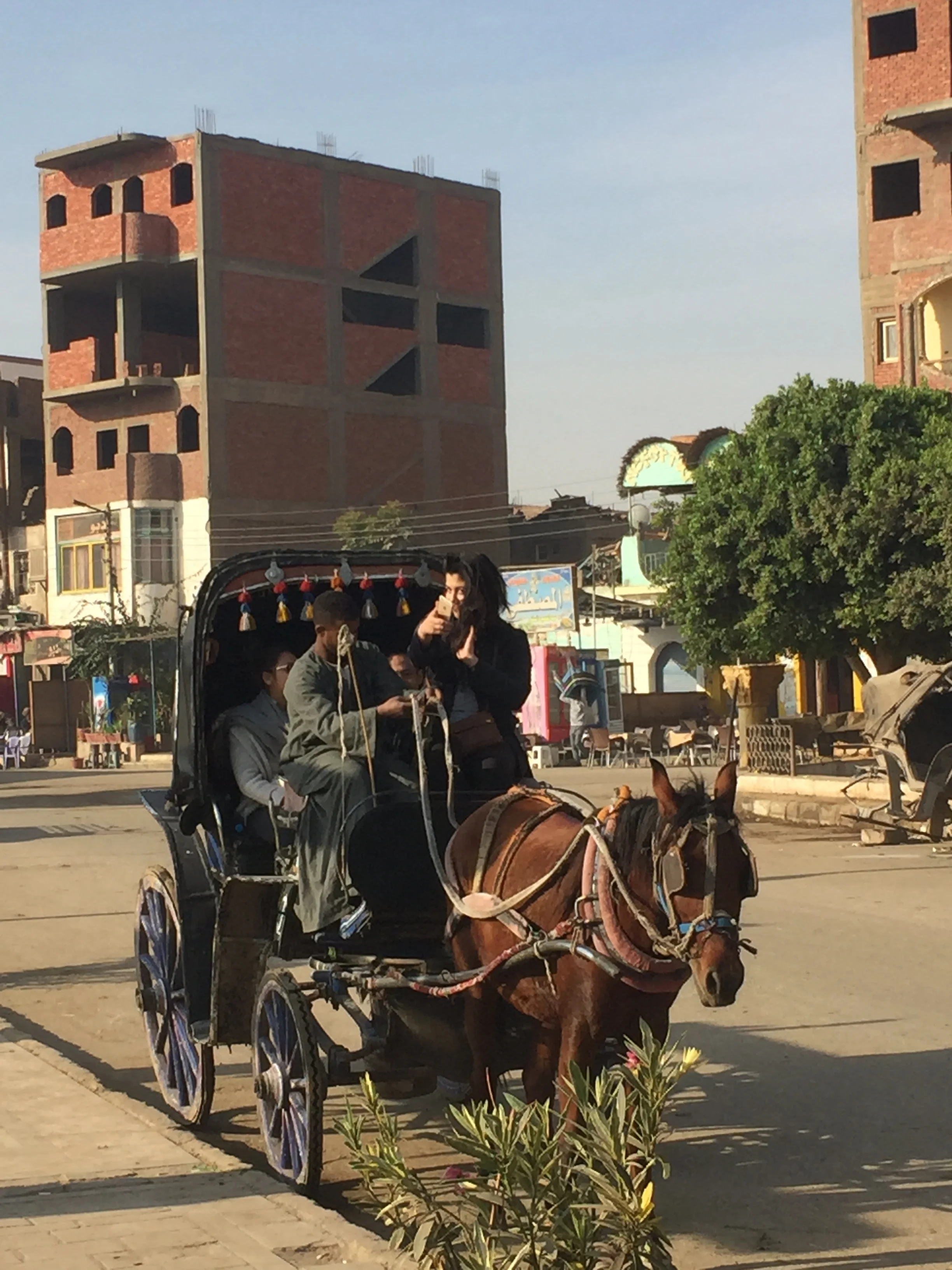
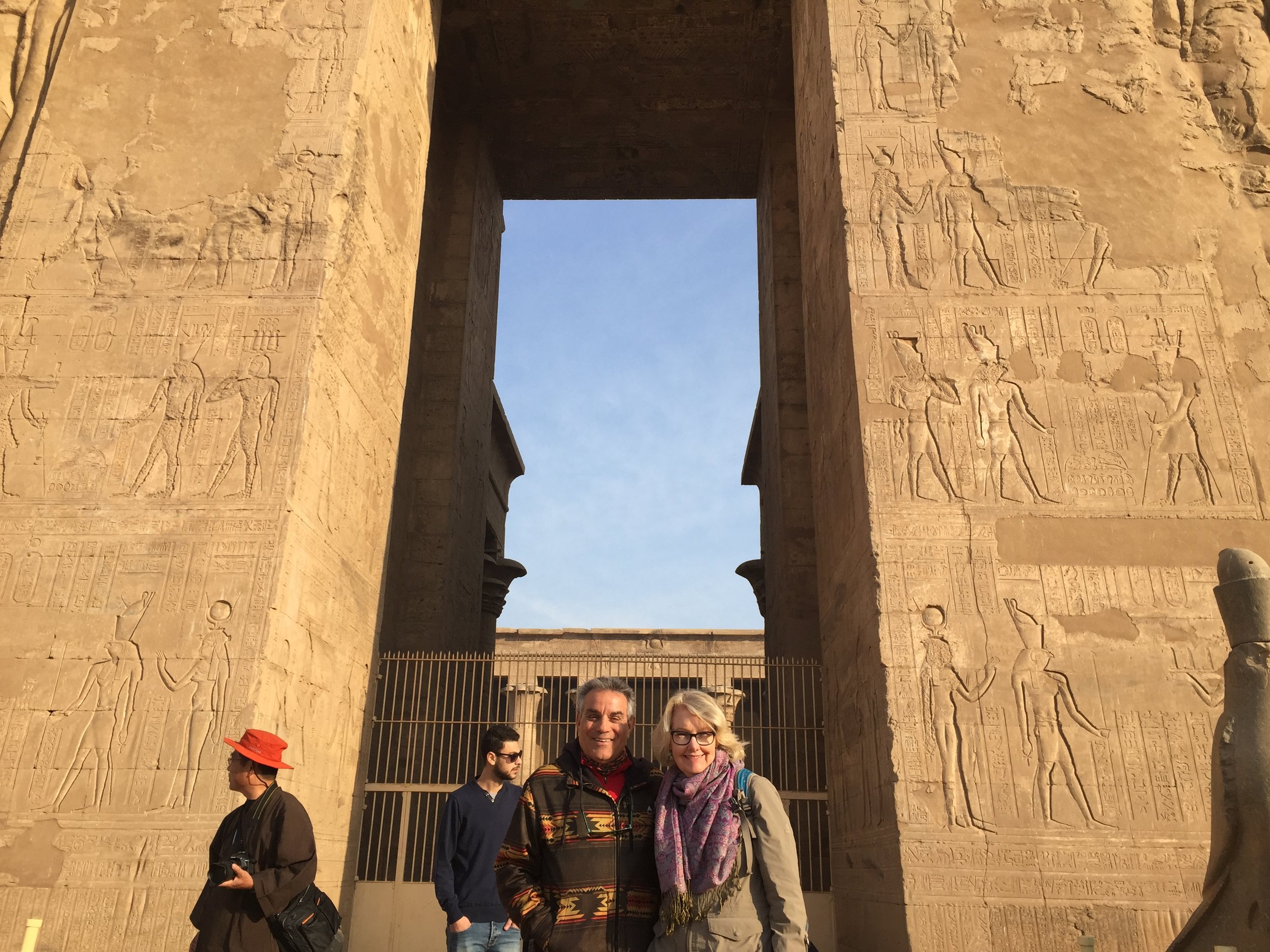
Our next day is up early again with a horse and carriage ride to the yet another great temple and site. See our pics:
We finish our day by relaxing on the boat, it is warm, over 80 degrees and we enjoy the top deck, the tea at 4:00 pm  along with great conversations with our other fellow travelers.  


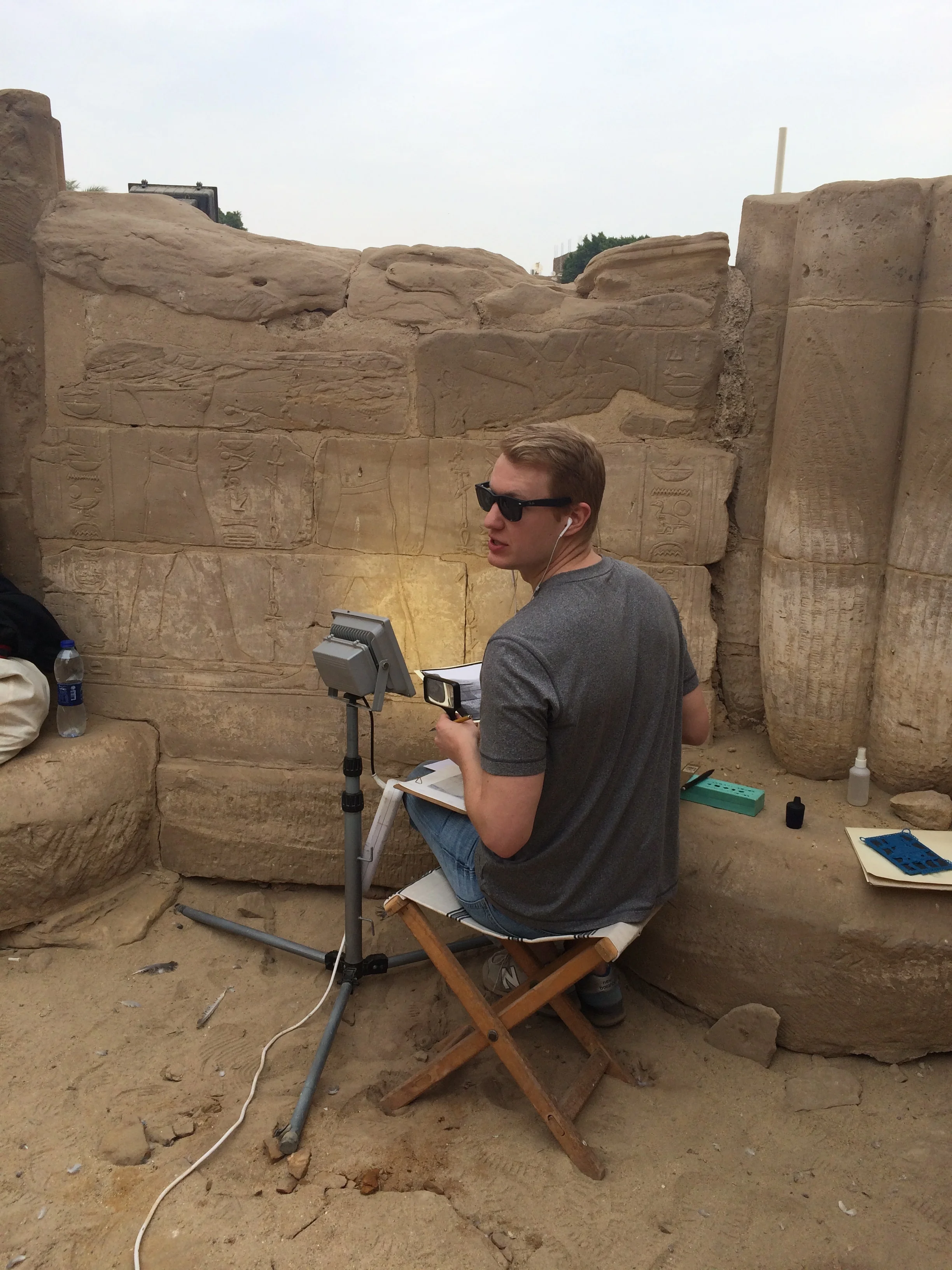
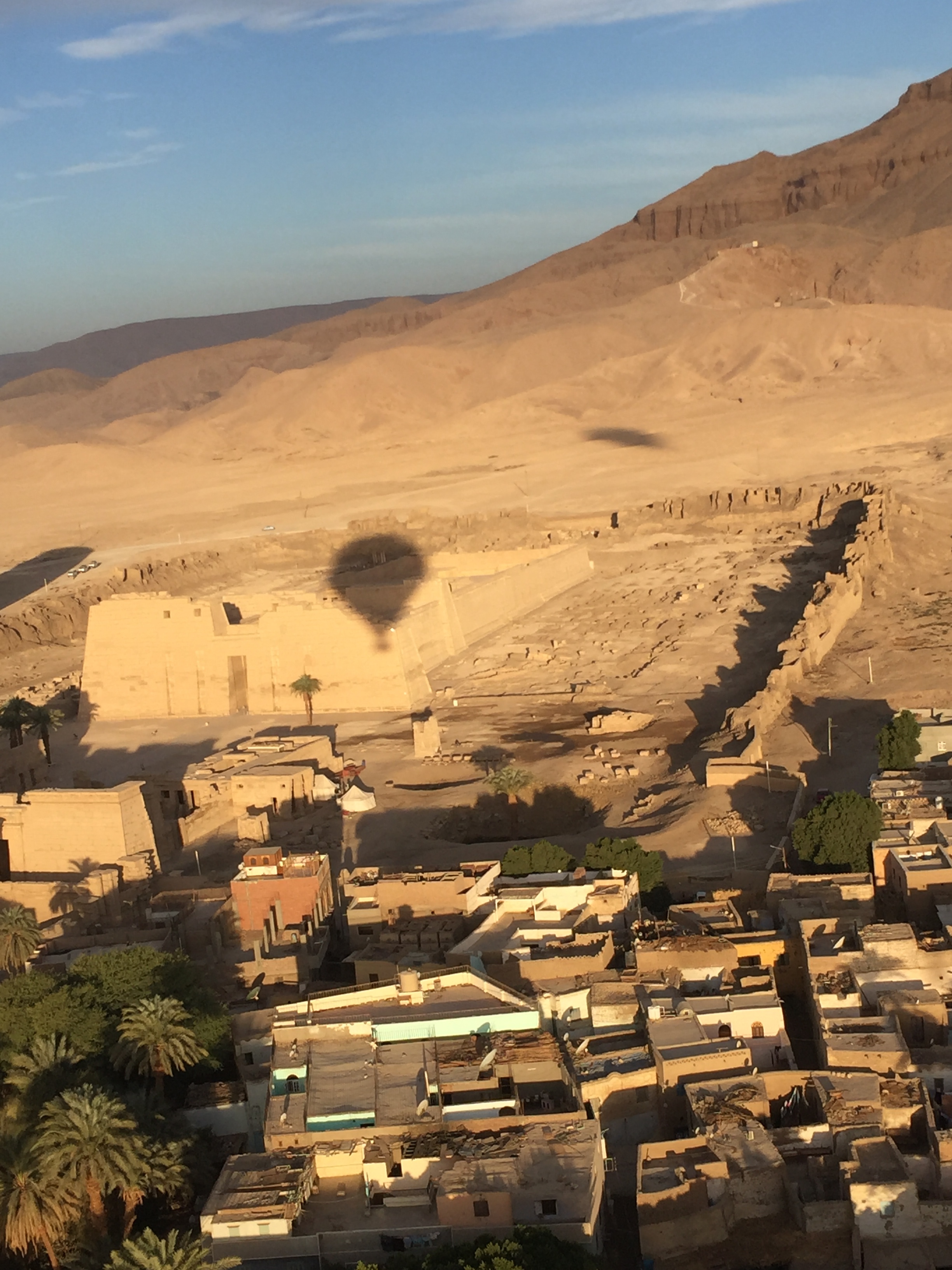
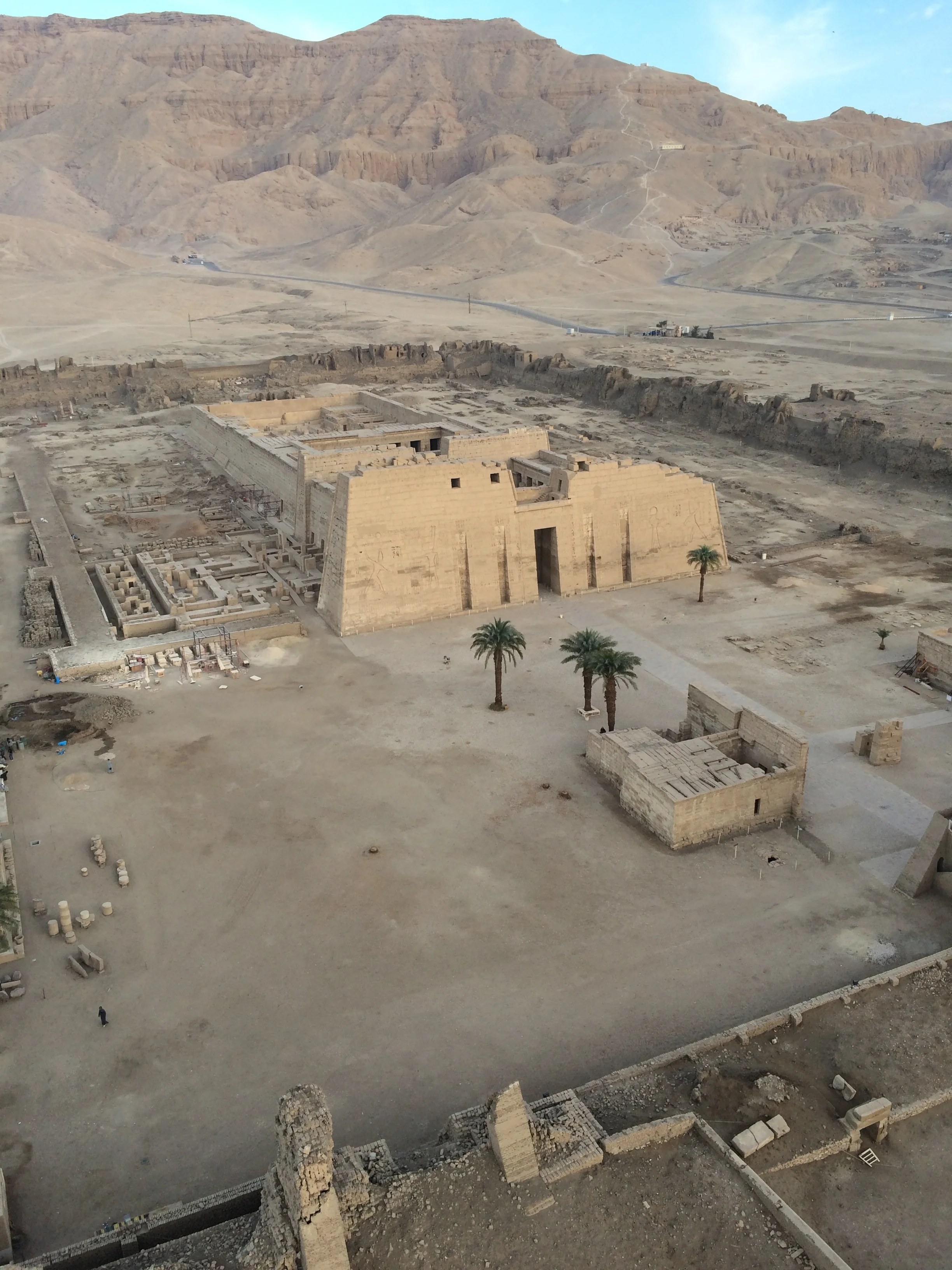
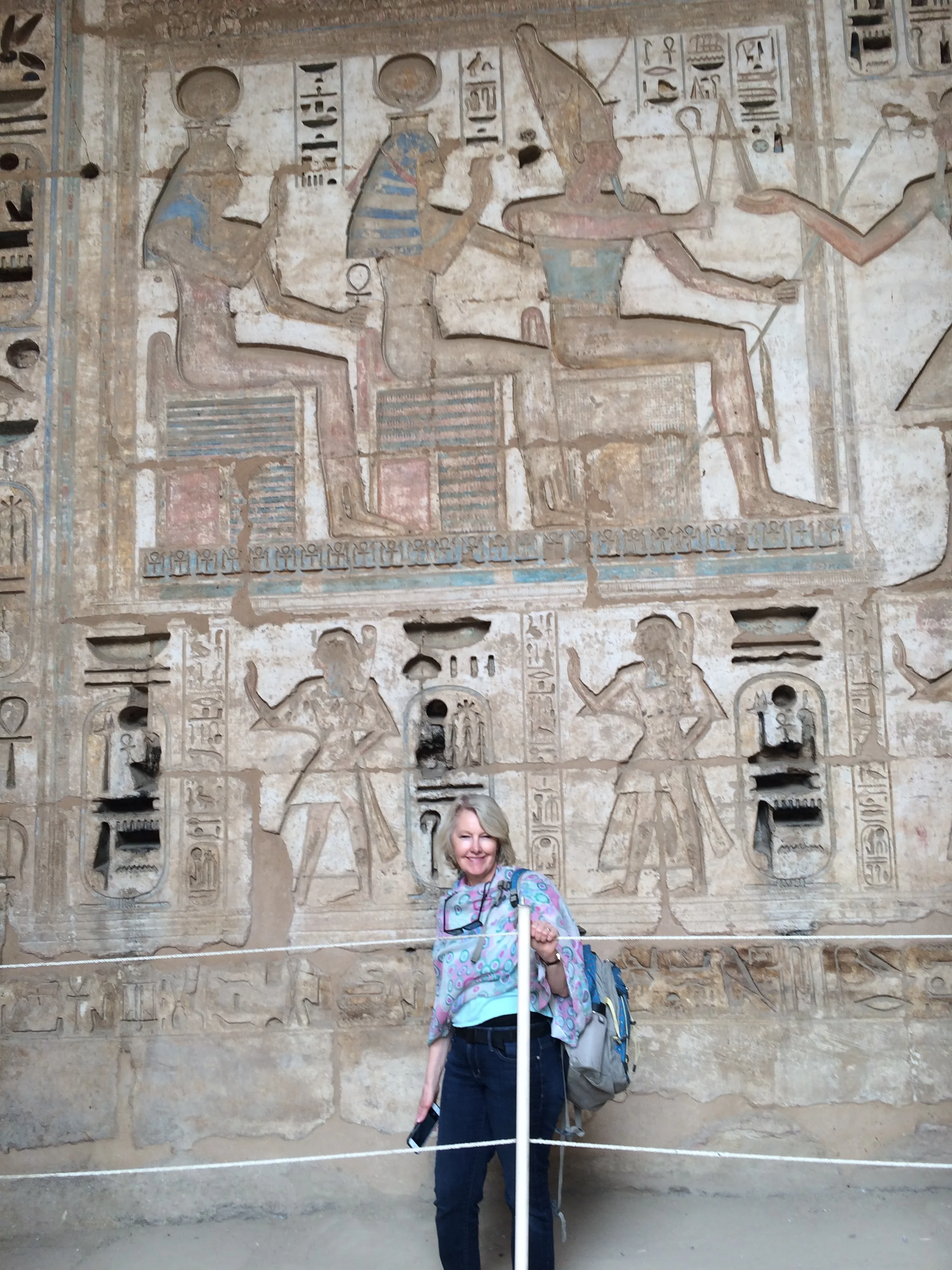
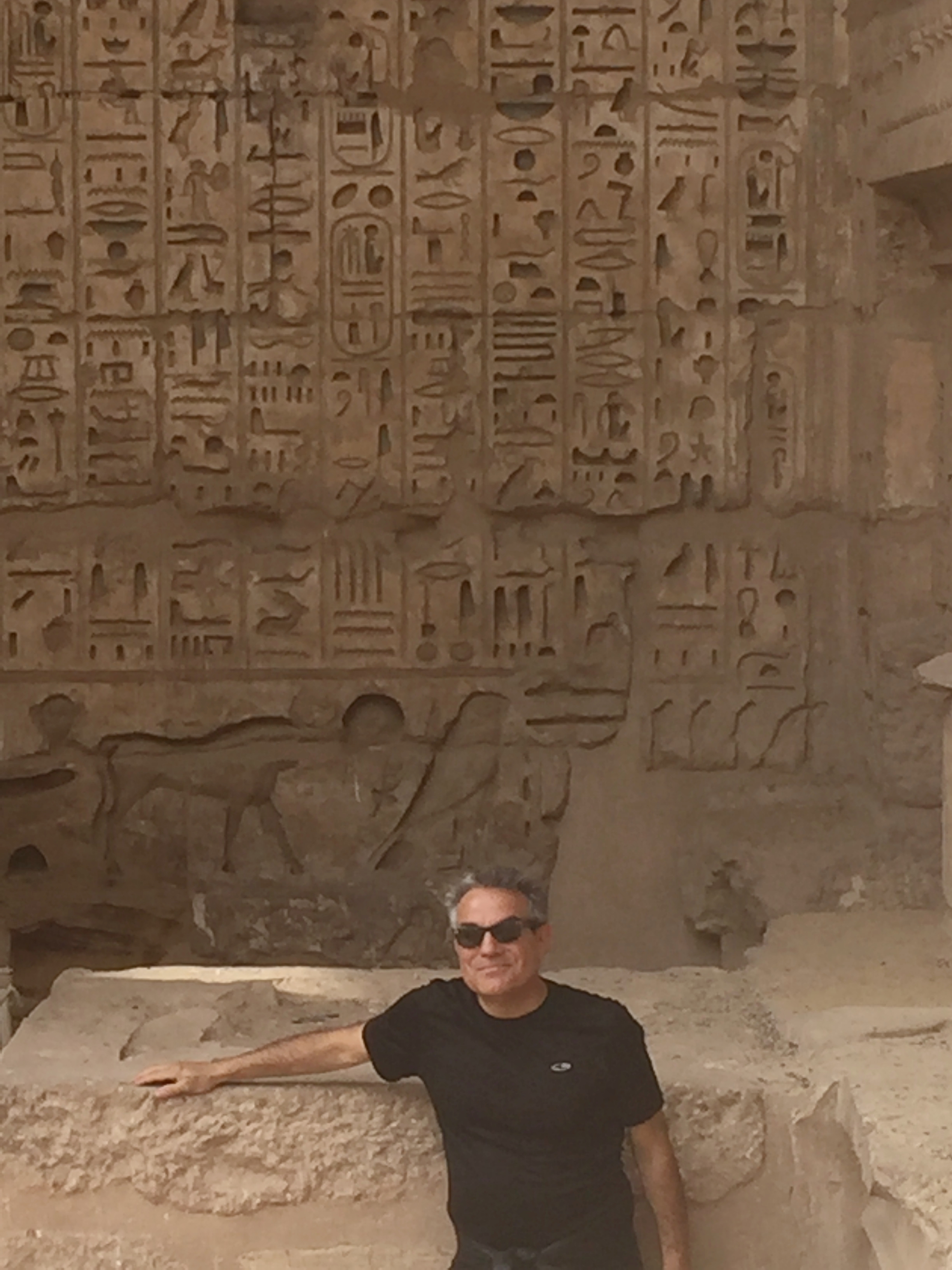
We awake on our last day on the boat docked back in Luxor.  Our original schedule was free time, but after discussions with our guide, Michael we all agree to visit Ramses III at Medinat Habu.  Michael our guide arranged a van for our merry little group of 6.  This site is not on most of the tours and we had free reign of this temple site and could walk or stand anywhere. As we squeezed through some narrow passages to enter a secluded area, we met Egyptologists working on the site from U of Chicago, which sponsors a lot of research. They were talkative and well aware that the government endowments for the arts and sciences in the USA had been cut the day before.
 

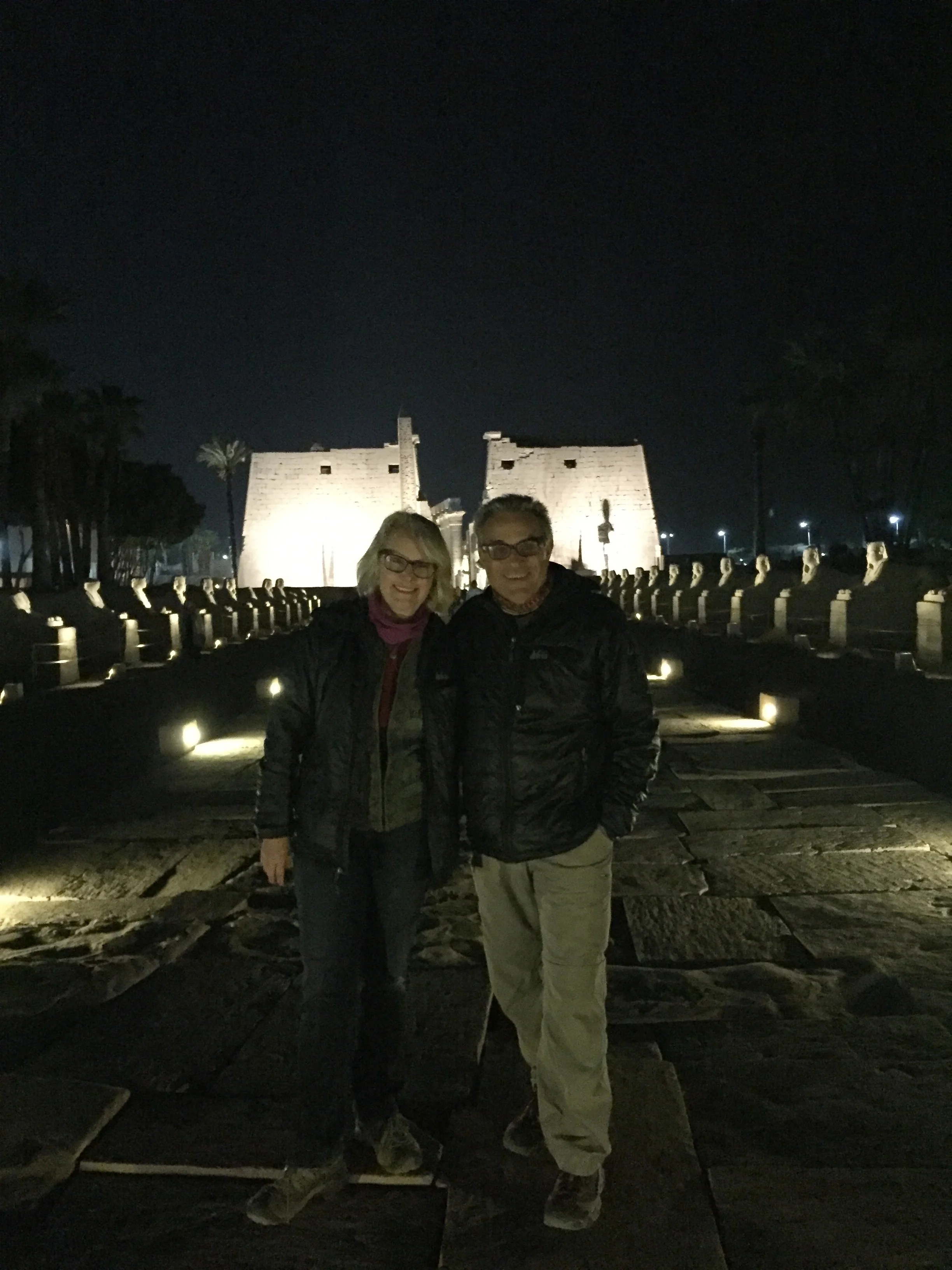
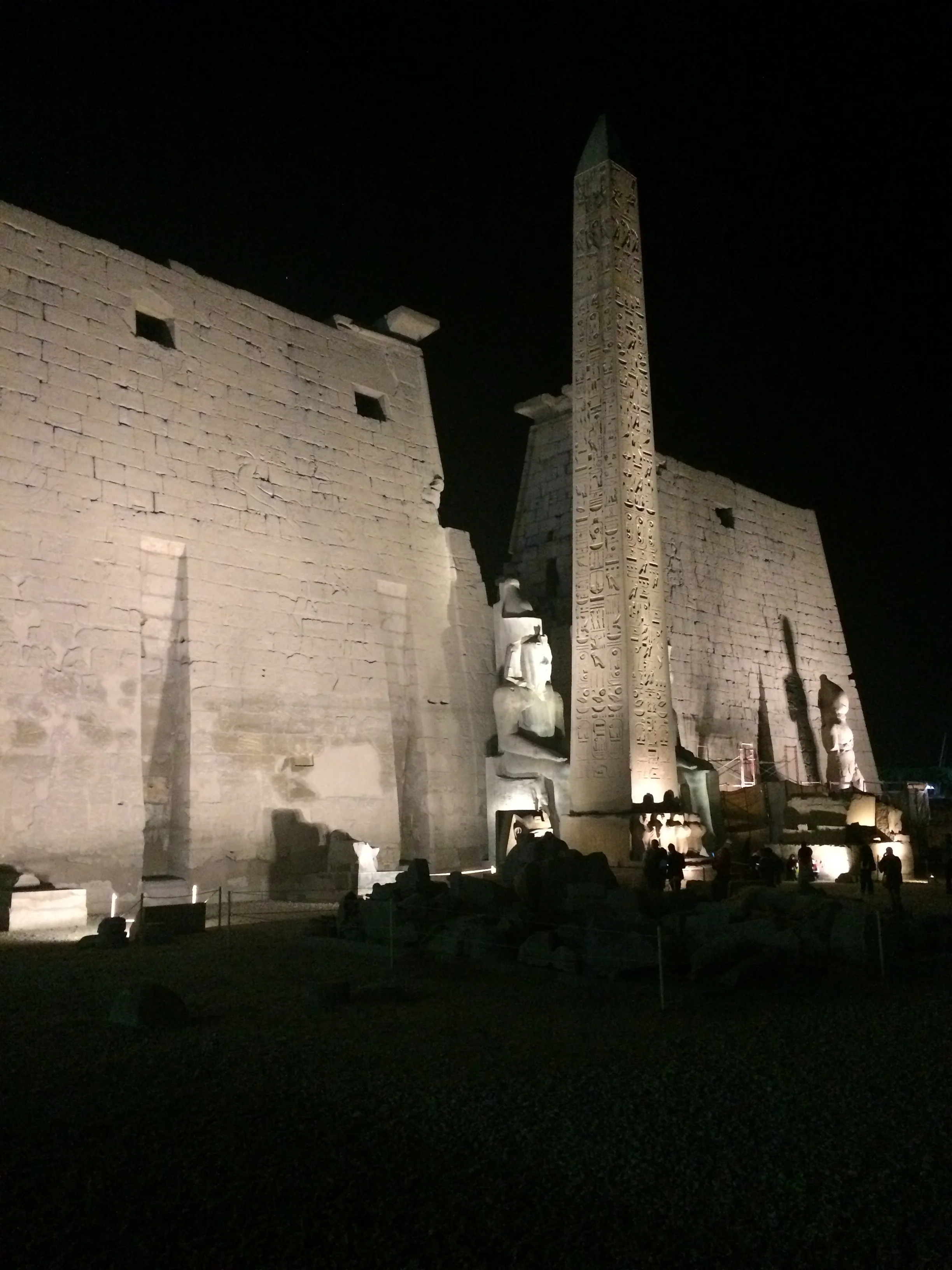
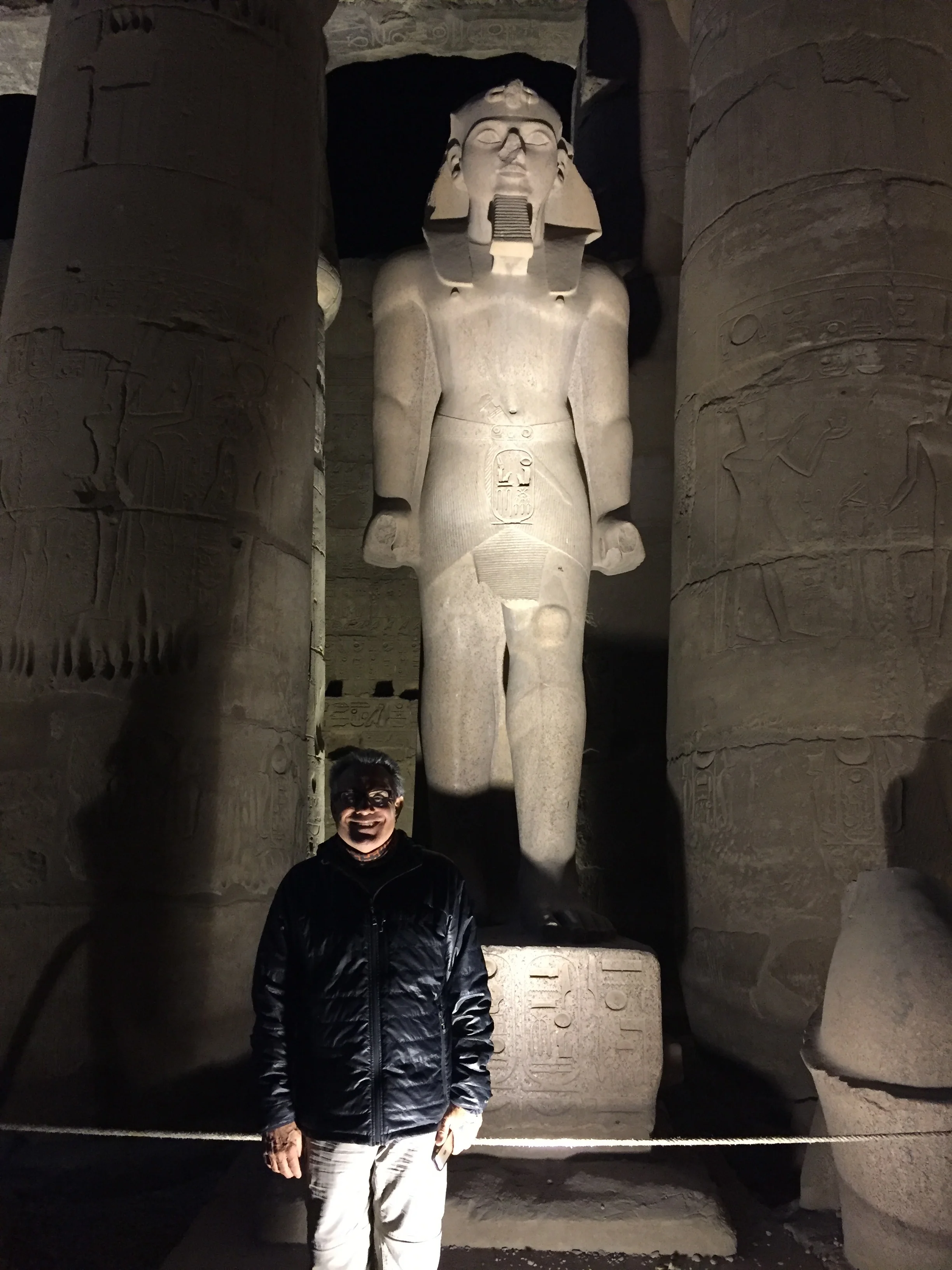
That evening we meet up with our big group again and we toured Luxor temples on the east side of the Nile.  Again the site is huge with a temple that was expanded over many years and a fantastic Sphinx road.  Visiting the sites in the dark is great with the up lighting, but hard on our simple IPhone photos, but see below anyway
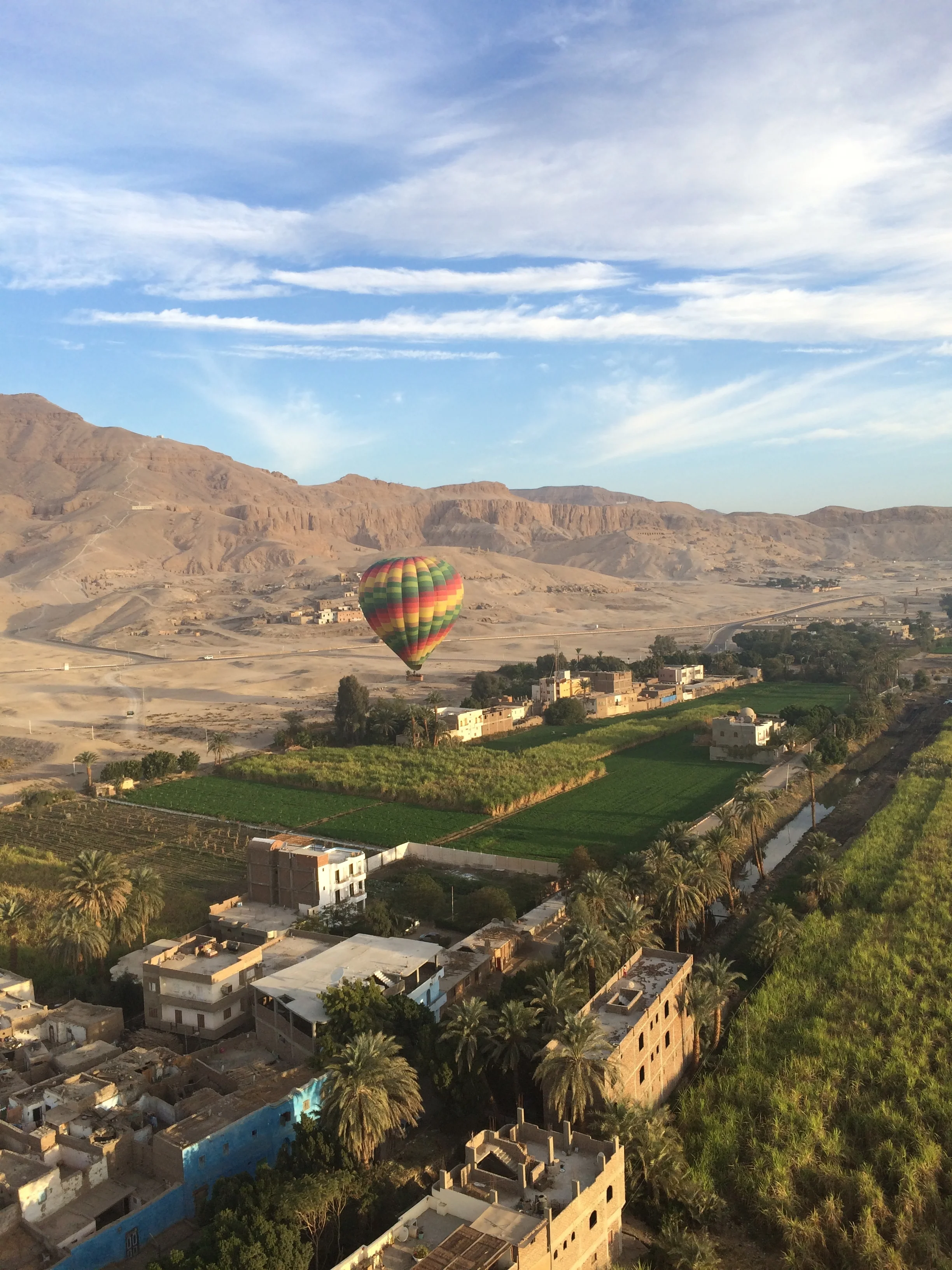
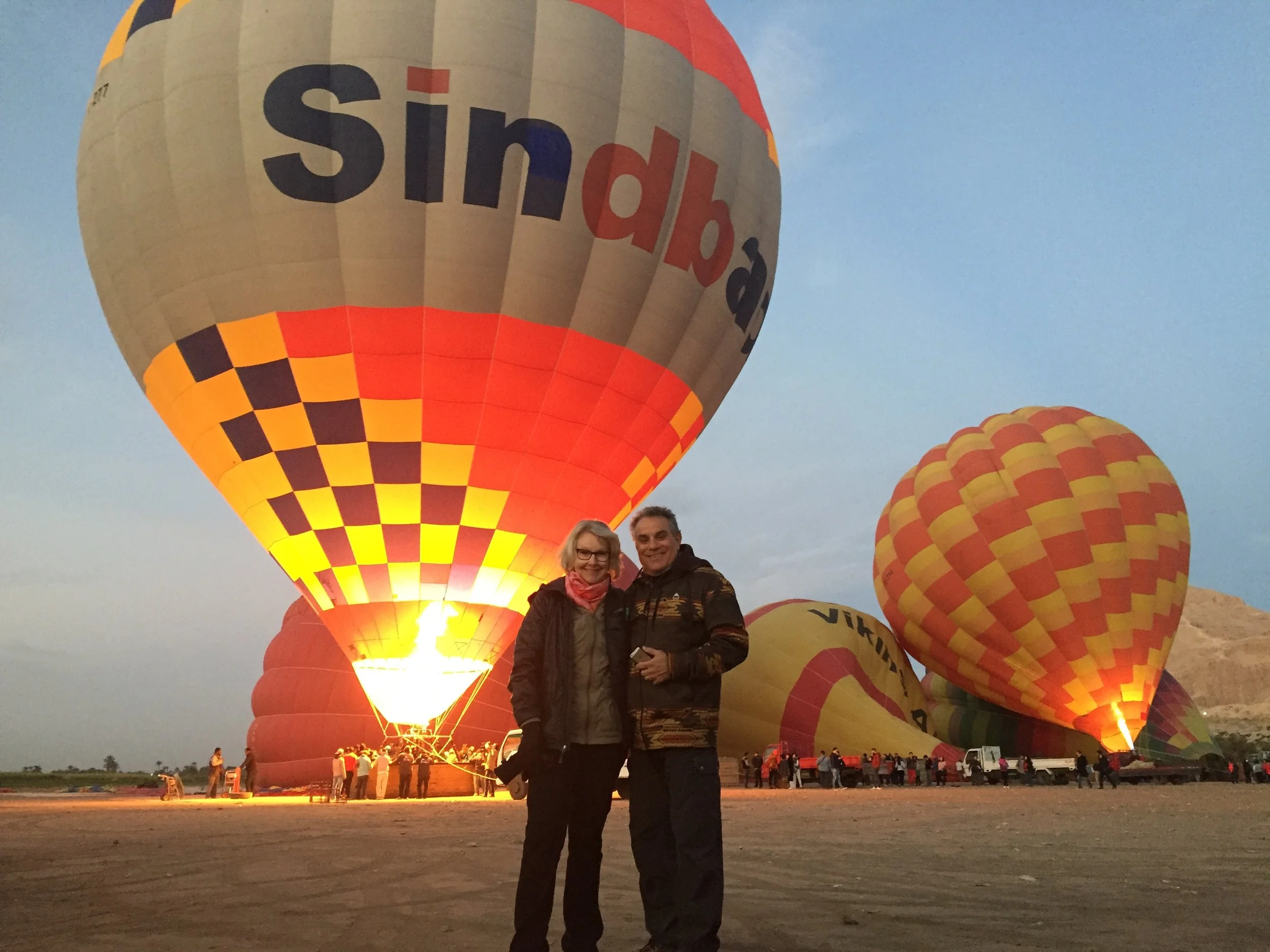
Our final day in Luxor is again very busy.  We are up at 4:00 am and leave for a Balloon Ride. This is our first balloon trip and a great way to see the ancient site 
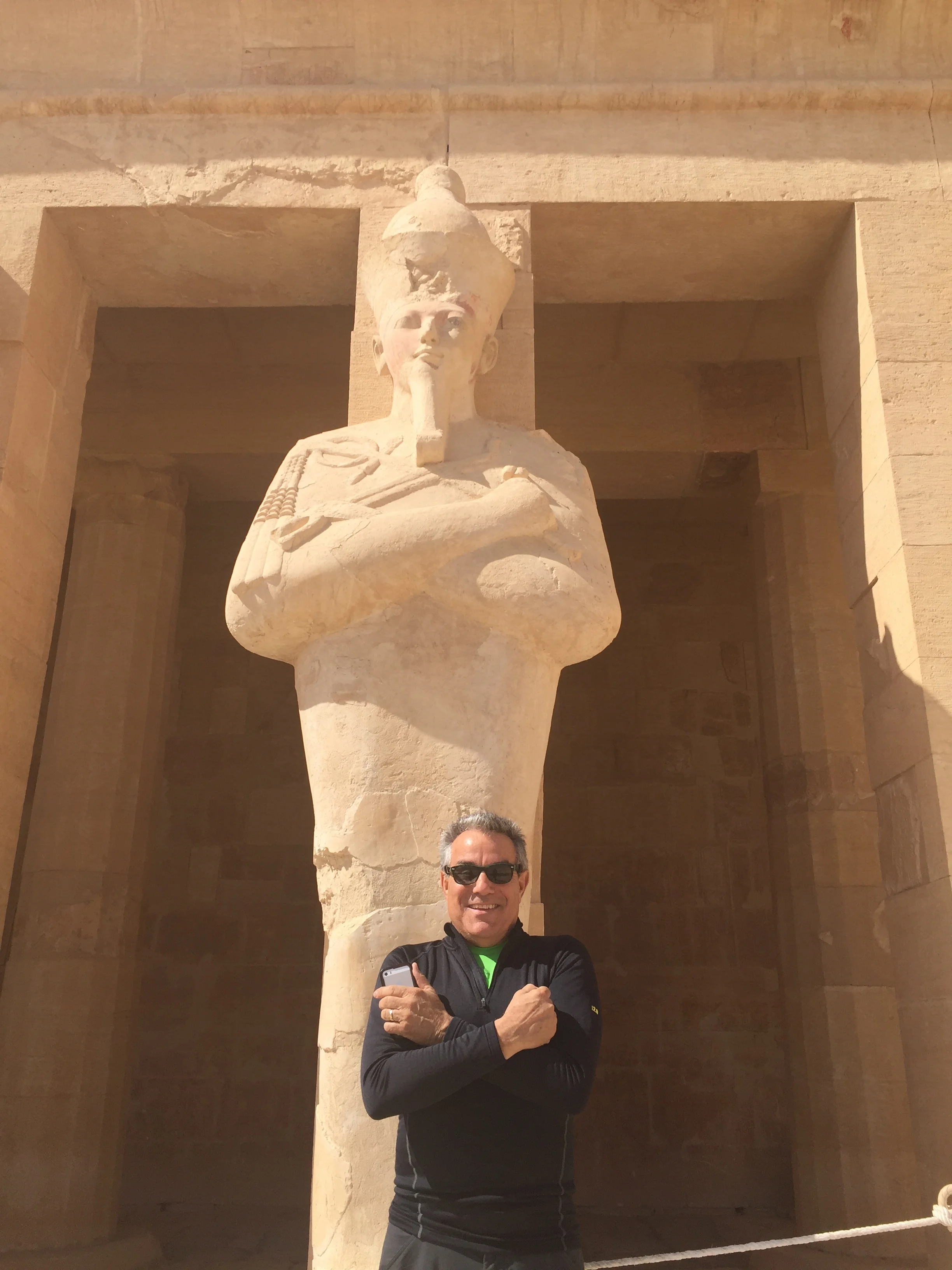
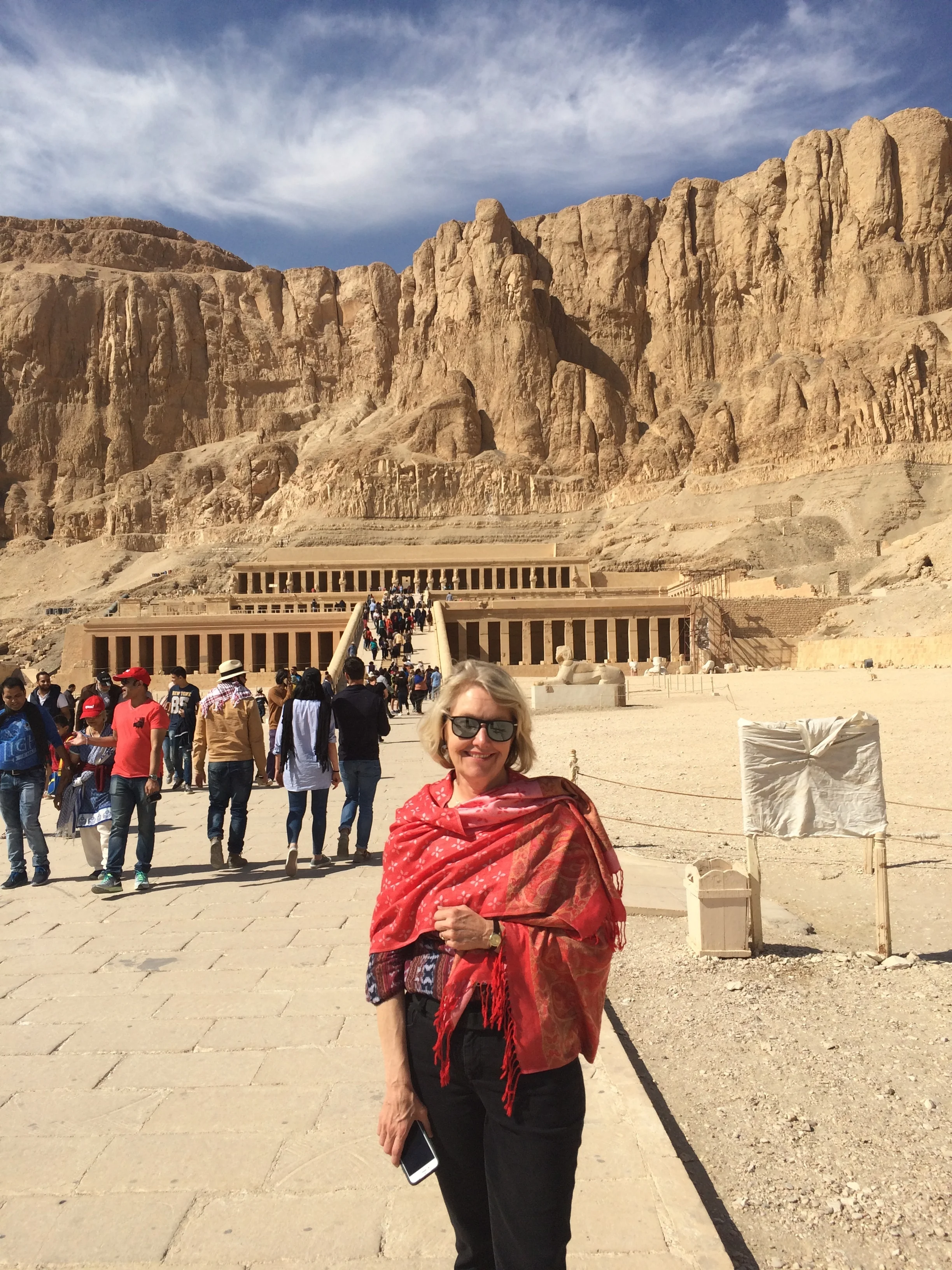
After the flight we have a good Egyptian breakfast and we are off to the west bank of the Nile and the Valley of the Kings.  This is now our 5th day of visiting the pyramids, temples and ancient sites.  There are so many more that we will not see. Each site is seeming to be better than the last and each time we are totally blown away; we once again are in total awe.  The Valley of the Kings totally blew us away.

Some quick history, the Egyptians stopped building pyramids, since they were beacons for robbers.  They moved their burial sites to tombs carved into the hills and mountains.   We were able to enter 3 of the many excavated tombs in the area described as “City of the Dead”.  Once through the narrow entrances, the hallway descends to the burial chamber and storage rooms After thousands of years the walls are still painted with ancient figures and writing in bold yellow, red, and blue.
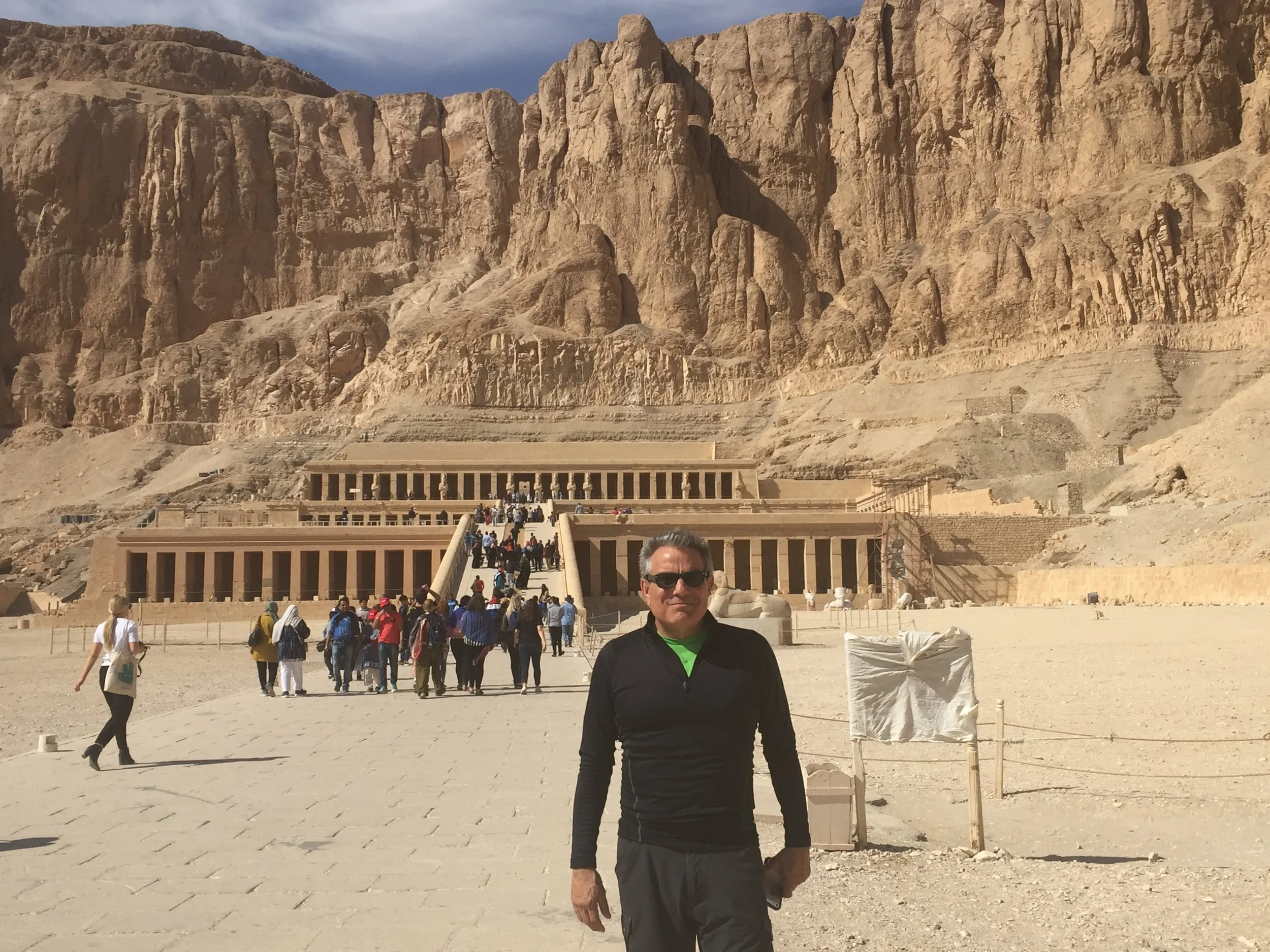
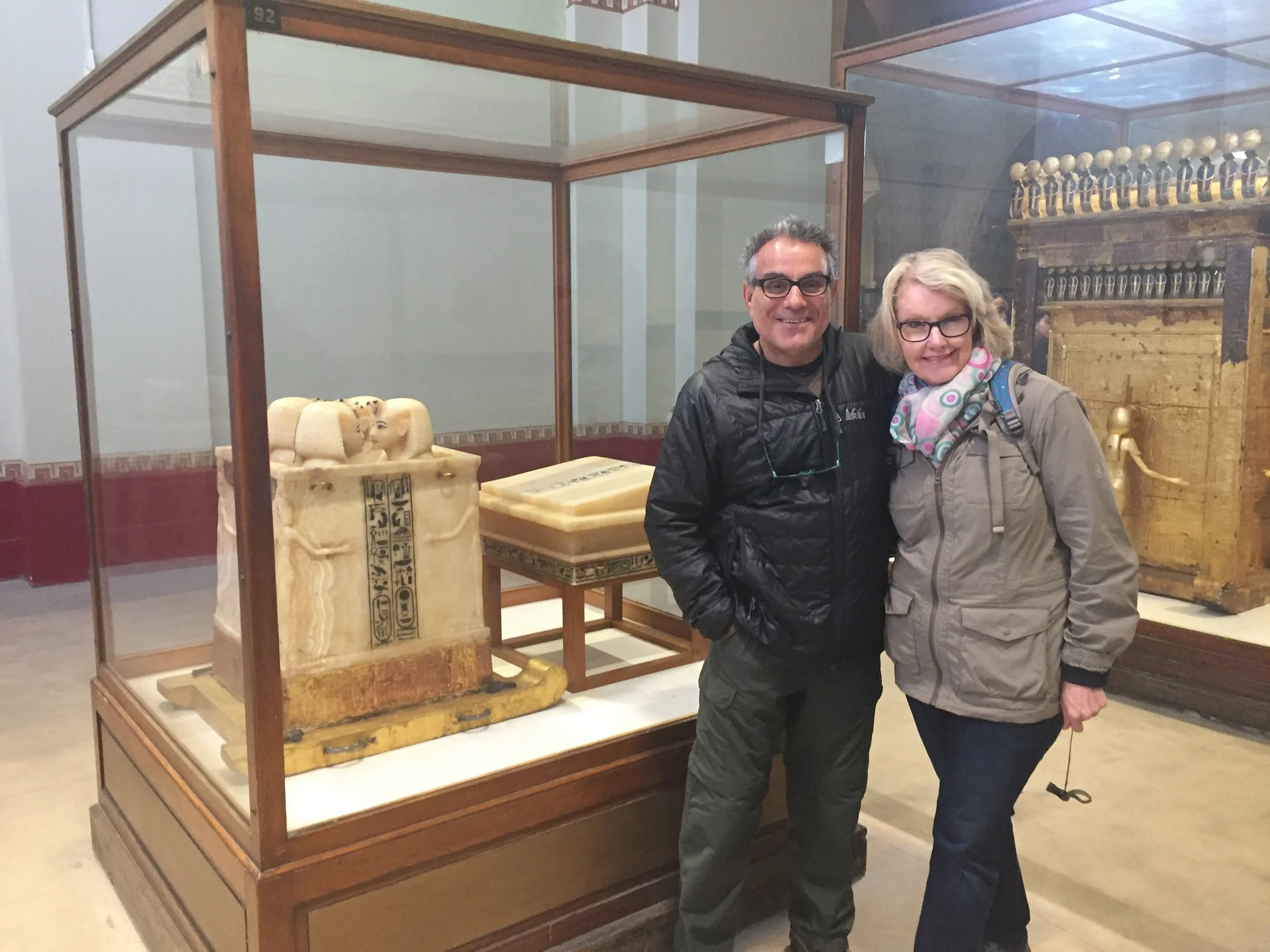
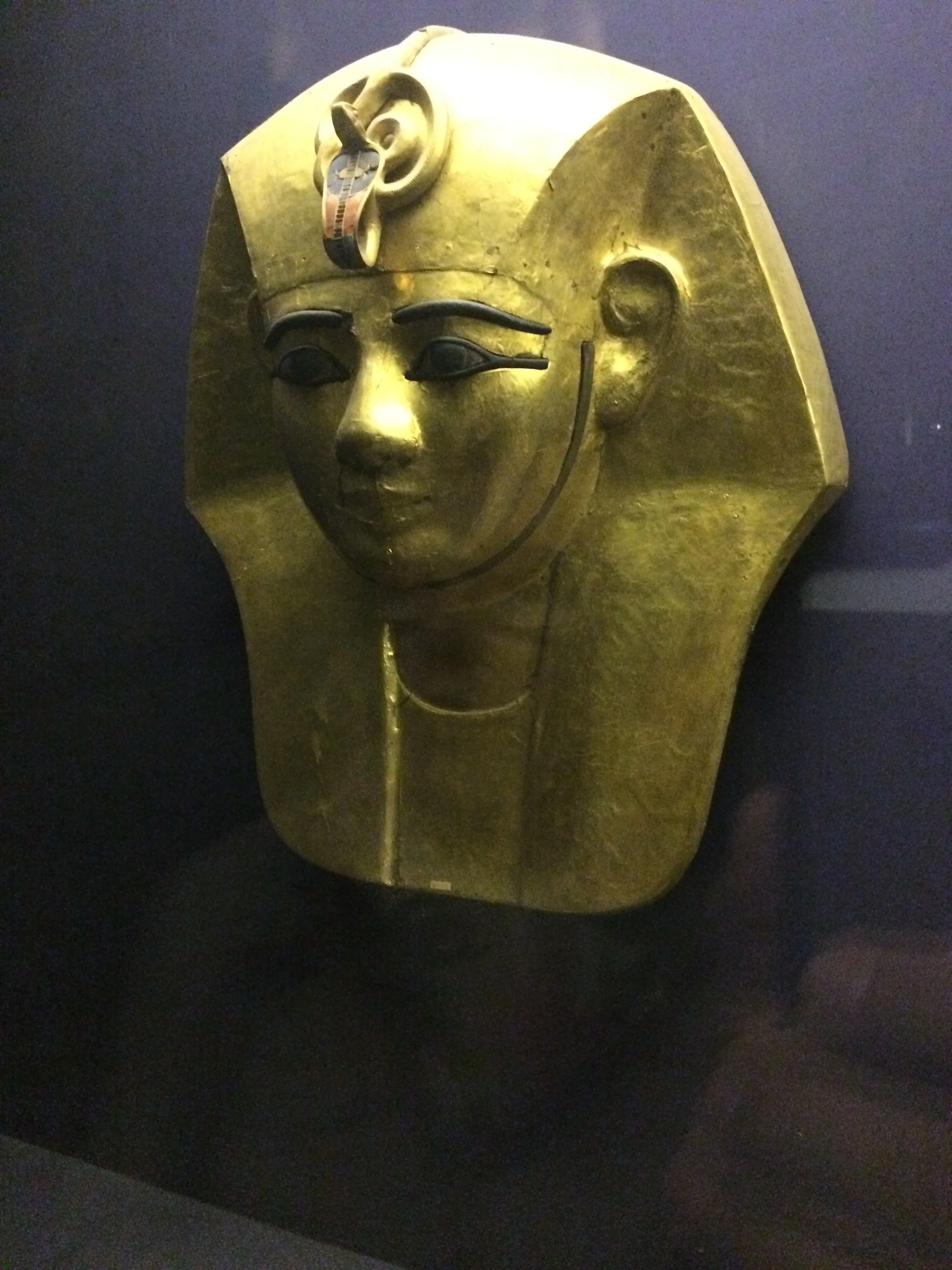
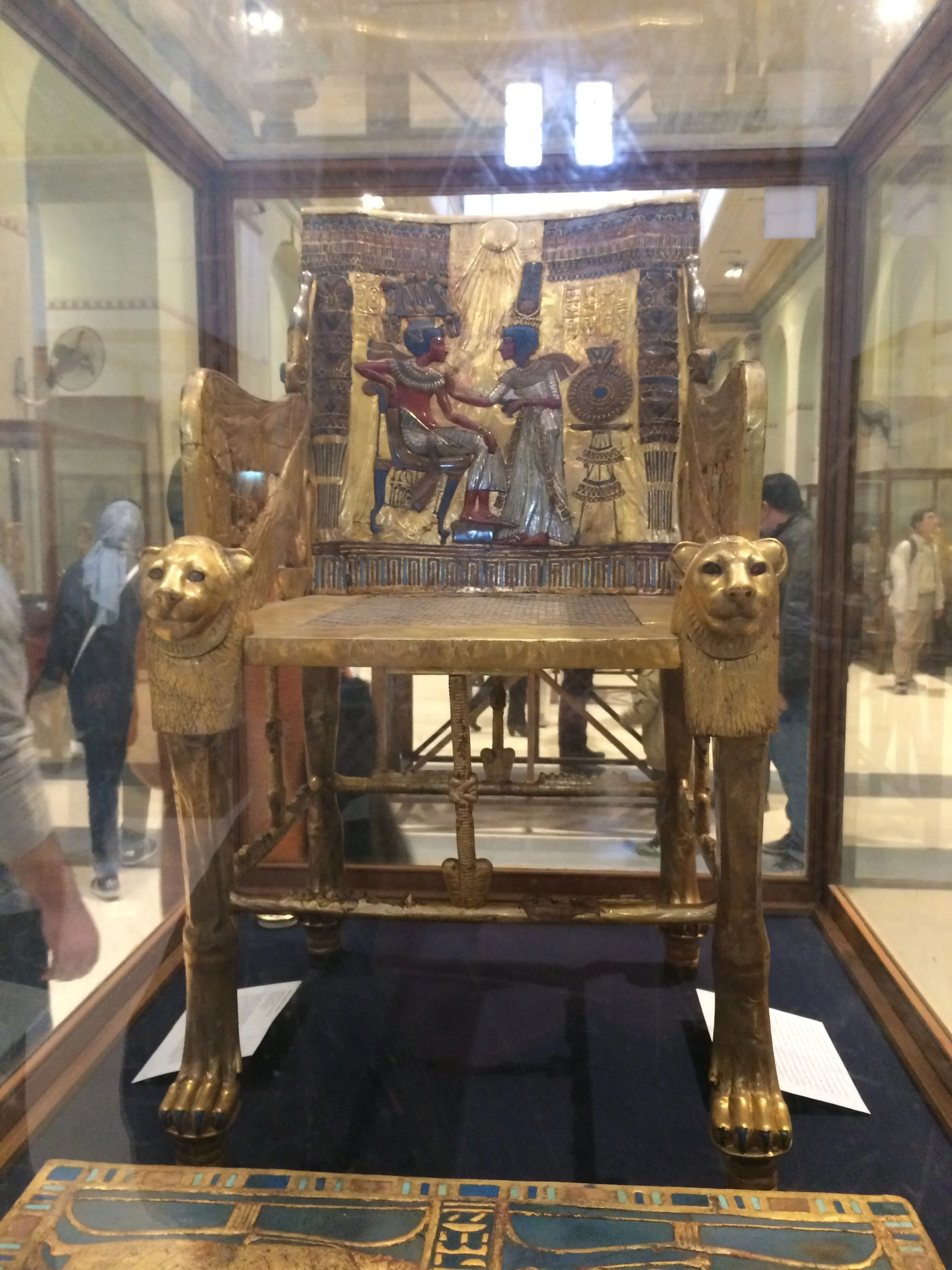
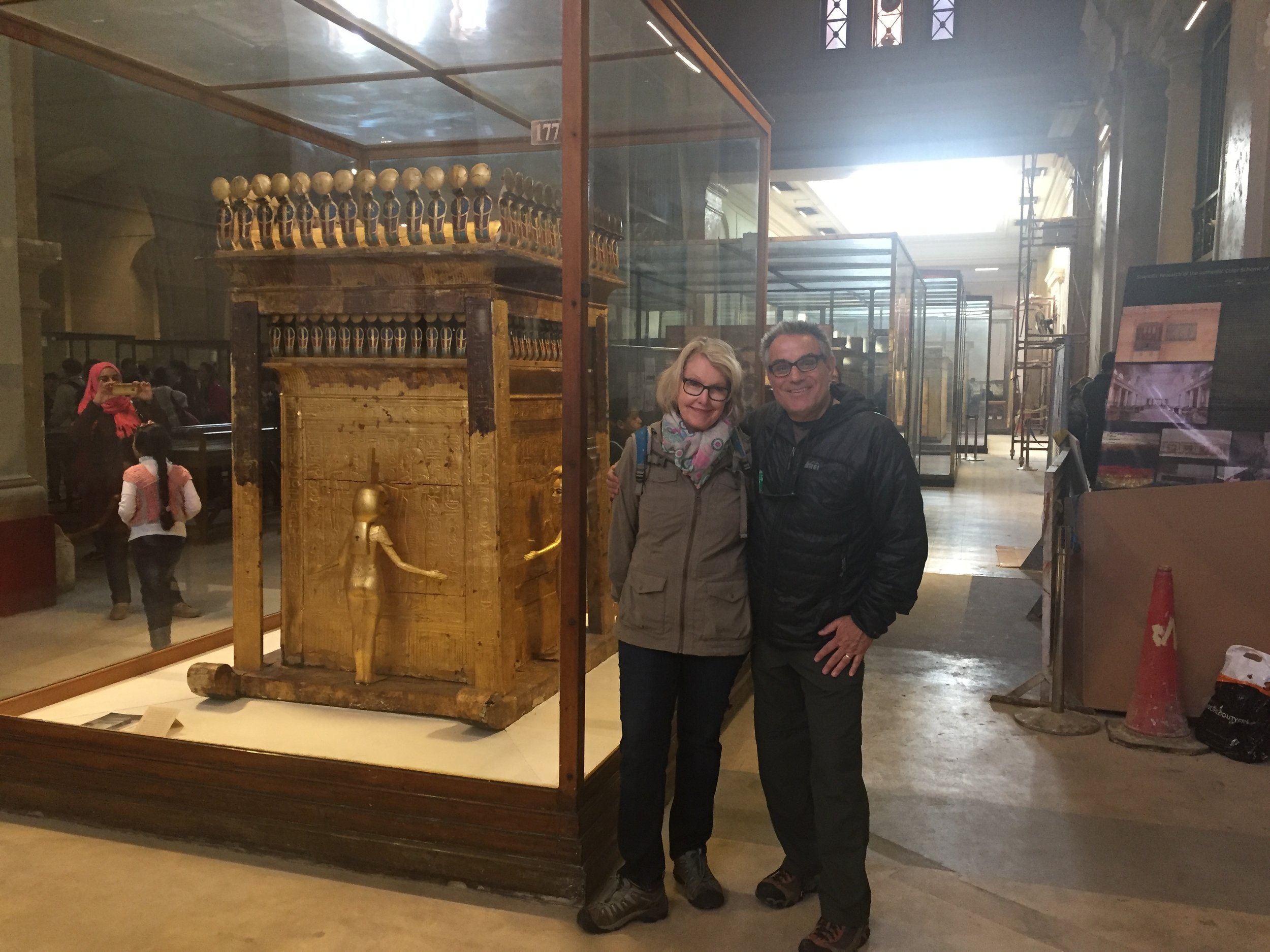
You can also visit the tomb of King Tutankhamun (Tut). We paid the extra fee to see King Tut’s tomb. He was the boy Pharaoh, having died at 19.   His mummy is at this site. He was short and slender. He is famous because his rather small tomb was found intact. We were able to view King Tut’s face mask, golden chariots, the gold funeral coffins, jewelry, weapons and supplies in the Egyptian Museum. No photos allowed in the tomb or museum but the collection is amazing. Our guide asks us to imagine the wealth, and gold, and stuff that would have been saved in the gigantic Ramses II tomb, as his reign lasted until his death at 90 years of age.  It was grave robbed. It is hard to imaging such wealth. After the tombs we visit one last site, have a great lunch and then back on the bus again for a 9-hour drive to Cairo.
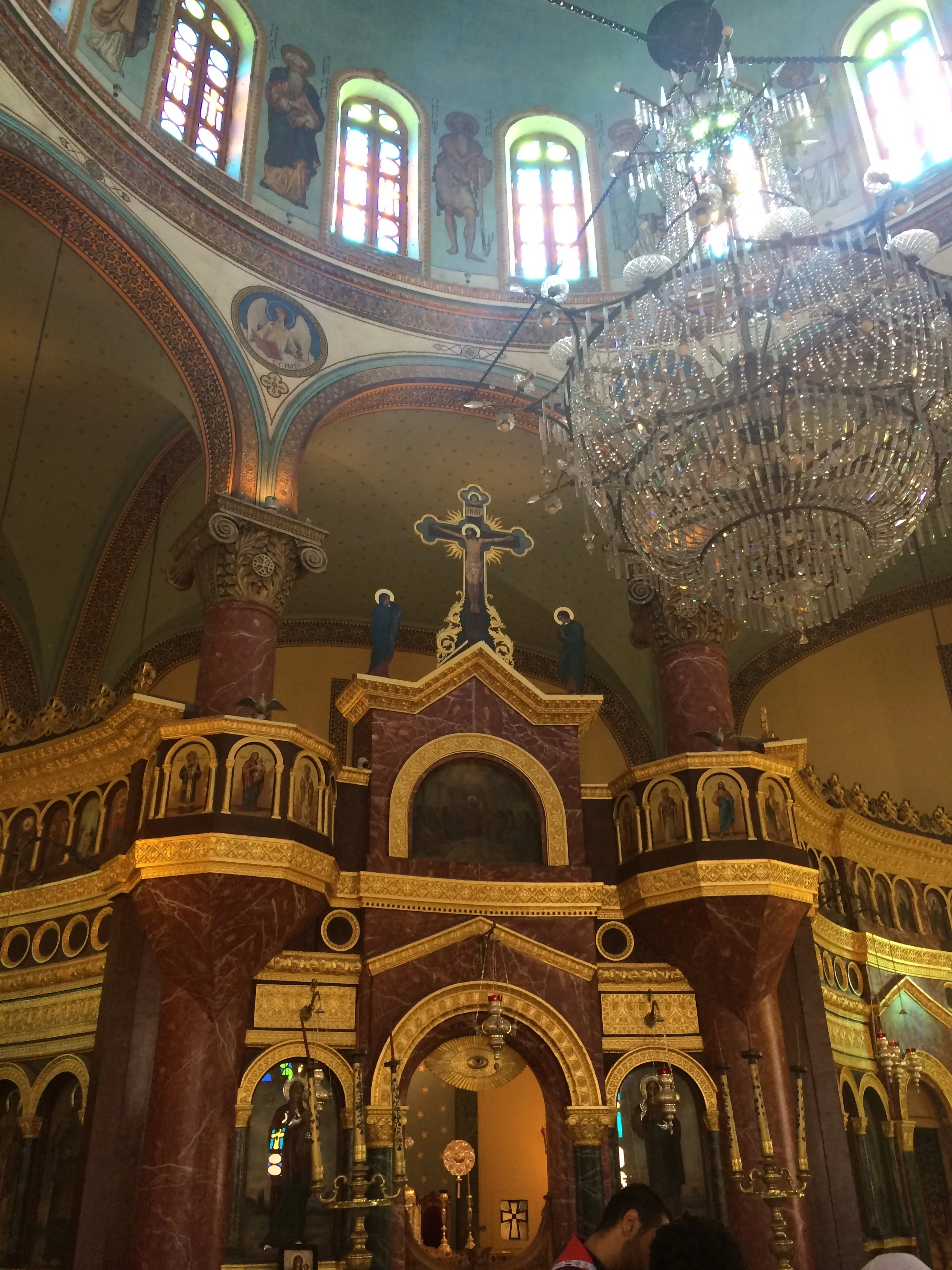
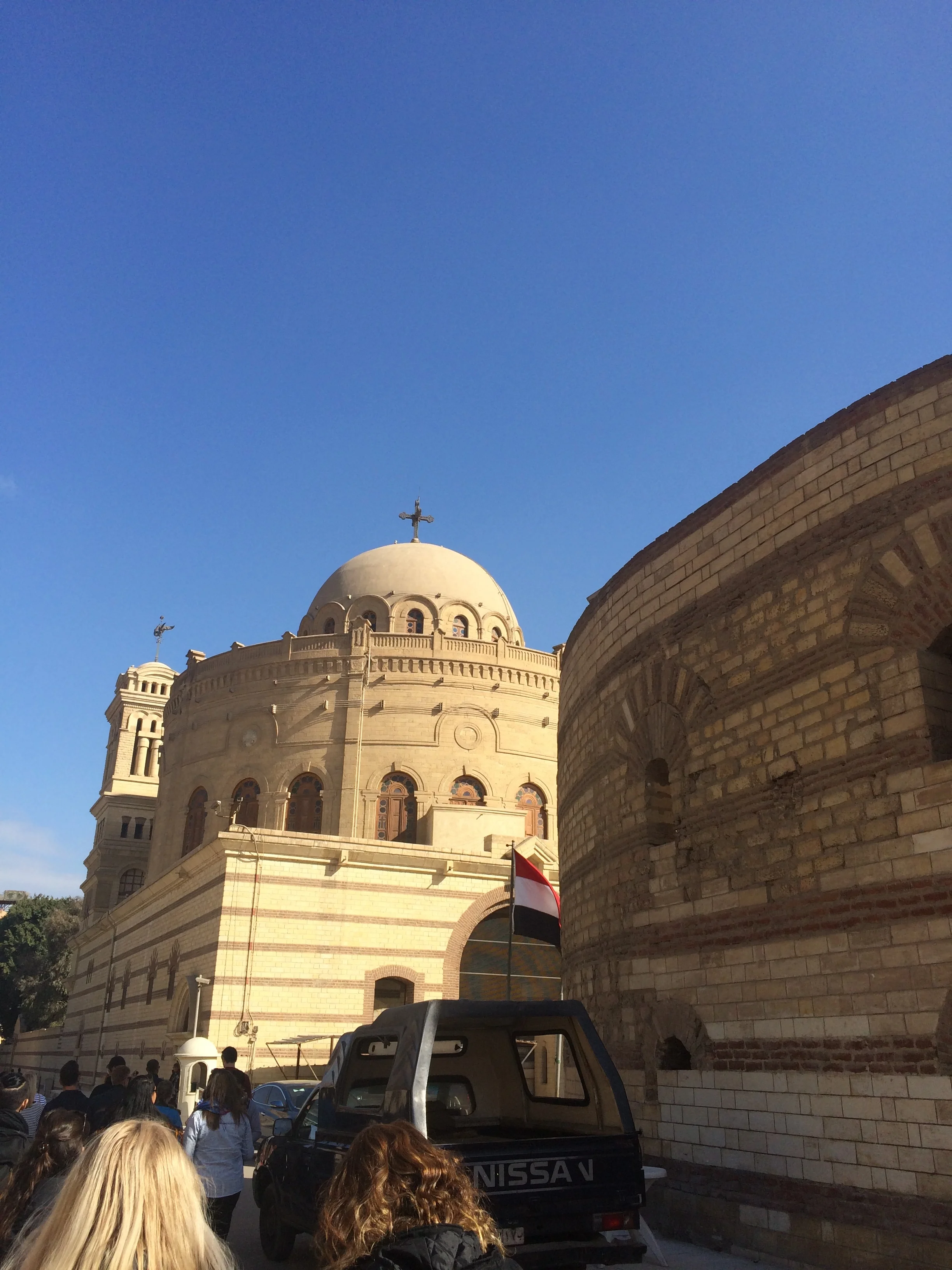
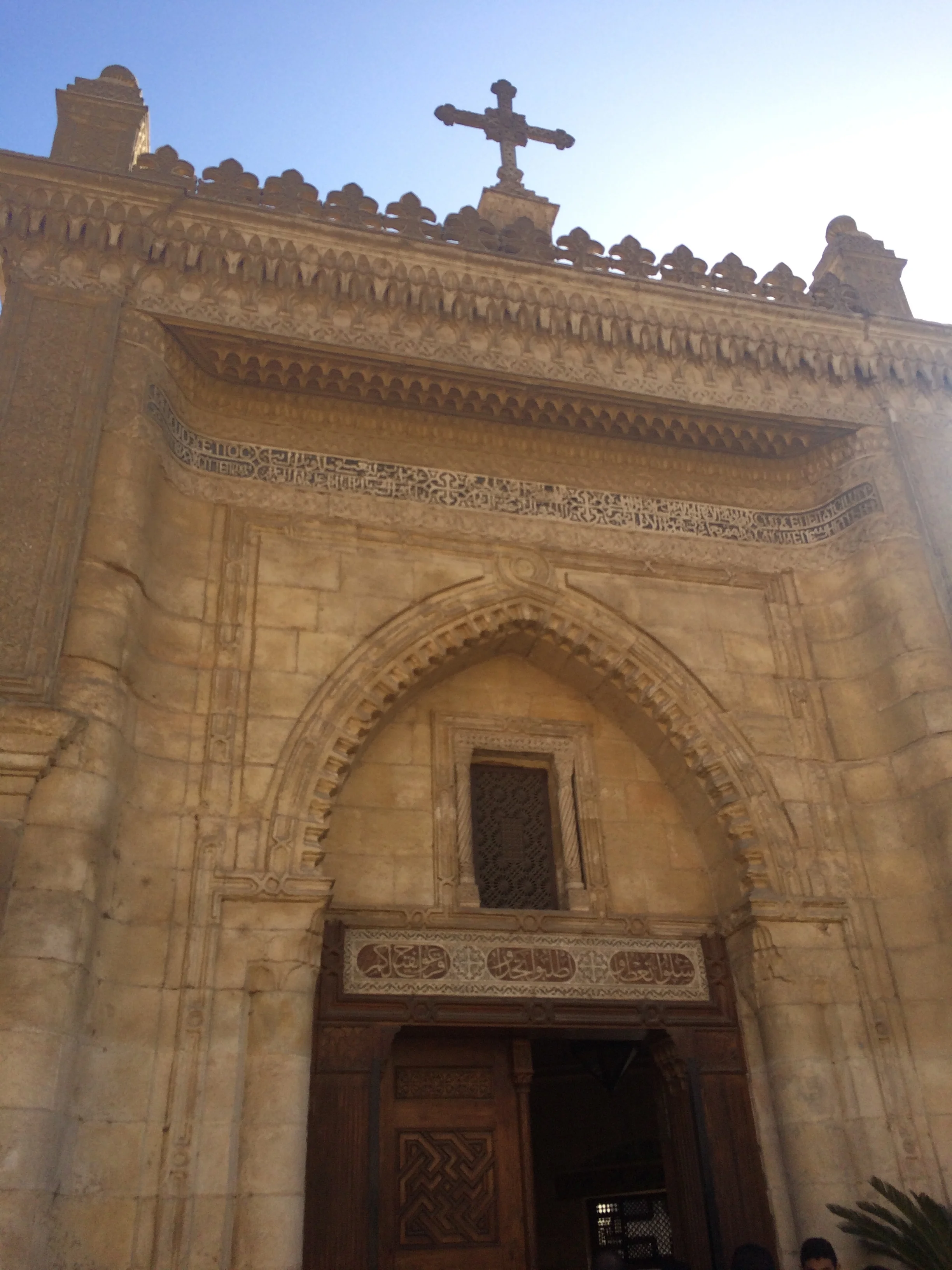
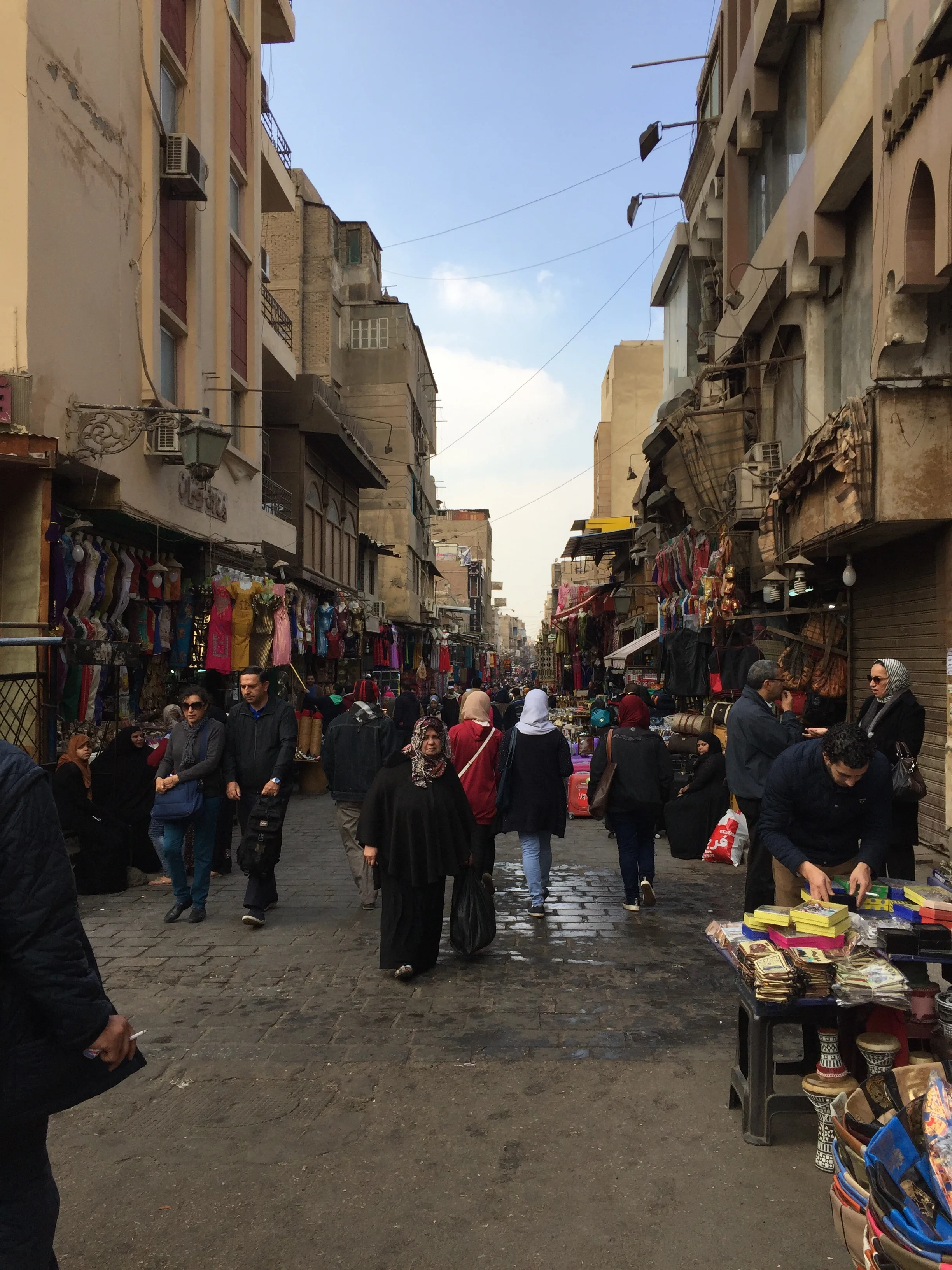
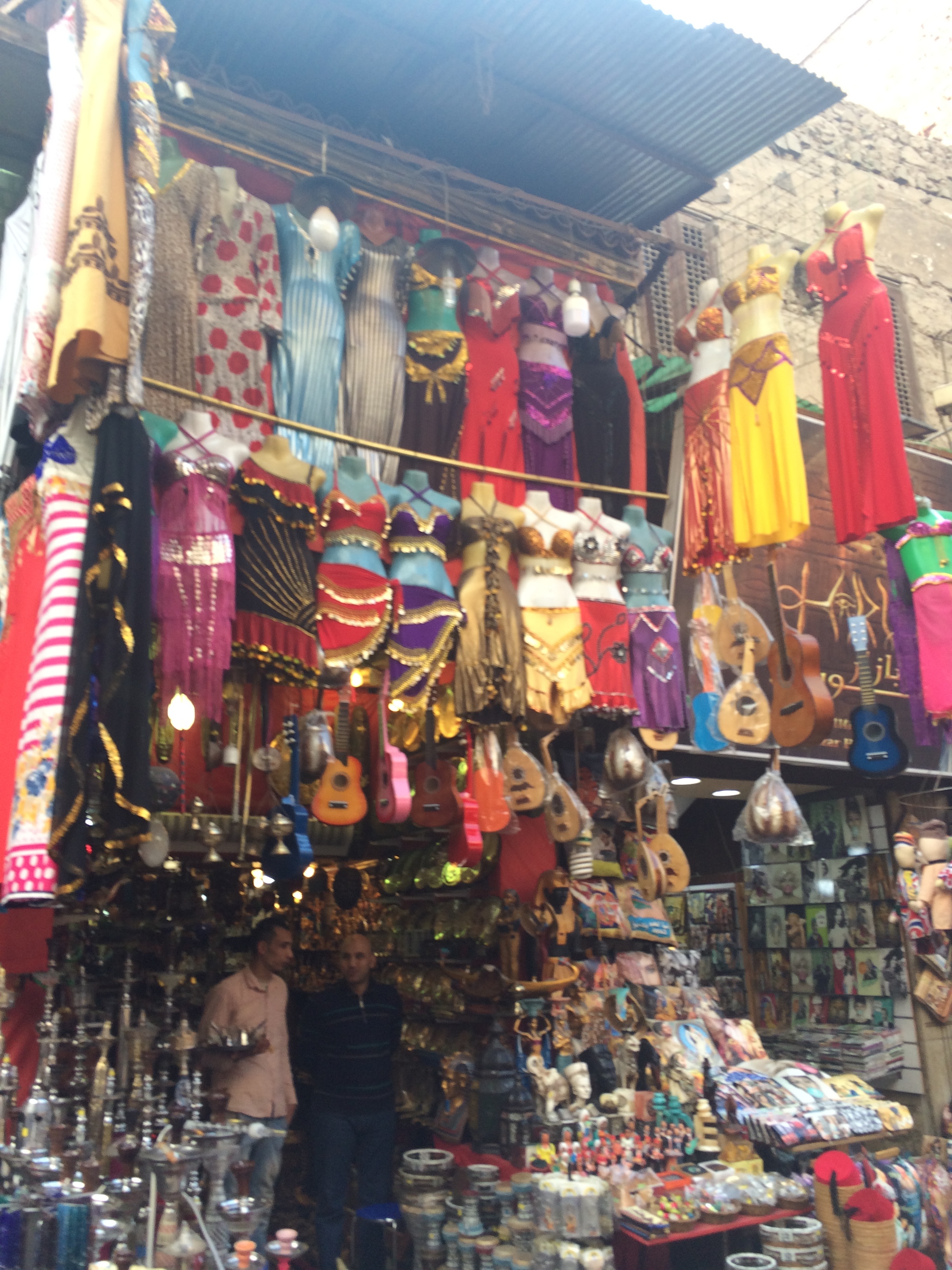
Our last day was a tour of the important sites of Cairo.  We went to the Egypt museum and viewed the Hanging Church, named because it was suspended over the walls of a passage. The Coptic Orthodox Christians maintain this site which is reportedly the the place that Mary, Joseph and baby Jesus hide after they fled Judea. We also visited the oldest Mosque in Egypt and almost wrapped up with a visit to the famous Kahn El Khalili bazaar, but stopped at an Egyptian linen store. The end, except for a farewell dinner with 7 more of our other new friends from Egypt.


Final thoughts on Egypt

We were in Egypt a total of 11 days, 9 with a tour through the tour company Travel Talk.  The 9 days with the tours were by far the busiest we have had on our journey so far.  We traveled by bus for over 2,000 km and had several days of less than 5 hours of sleep.  Egypt has been a place we have yearned to visit and we are very grateful for this opportunity.  The history and ancient sites far exceeded our expectations.  It is difficult to express just how many sites there are, after a few days it just becomes commonplace to look out your window and see a singular site.  But the distances are far and in retrospect it would have been easier with at least one flight.  There are also the security concerns.  It has only been 2 years since the last government change.  It was clear to us that the tourists are still not visiting this country.  One guide told us that the pre 2011 tourist industry was $20 billion per year, last year it was just half a billion dollars.  We often traveled with a plain clothed policeman in our bus and while traveling in--country we had police escorts in certain provinces most of the time.  We also had a policeman escort when visiting the Cairo bazaar.  In our opinion, with a tour you have security and are secure, and this is one country that should not be visited without a tour.  Perhaps the country as a whole is not so safe.  But the people are kind, the service was excellent and the sites should be a must see for any world traveler.  

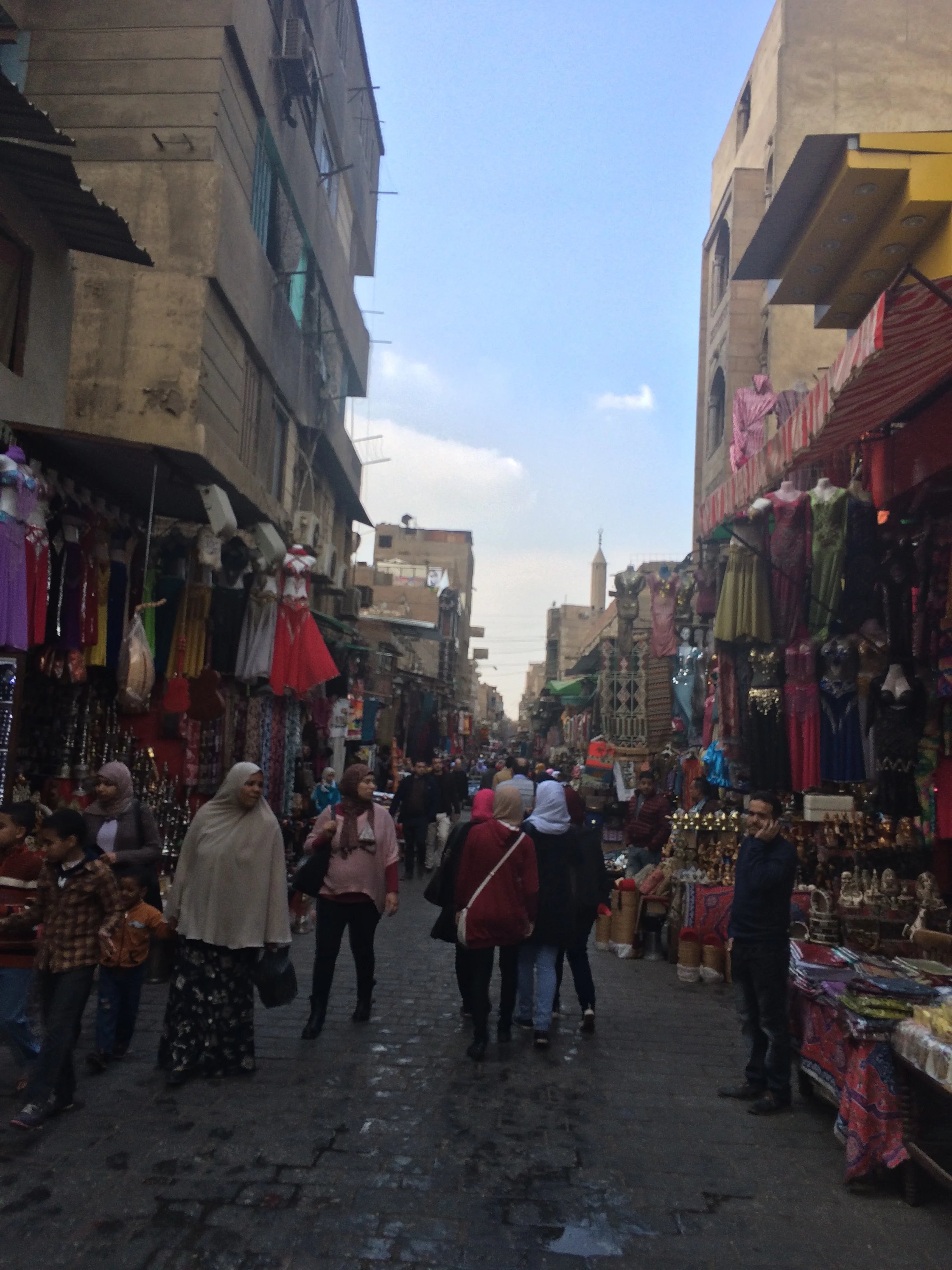
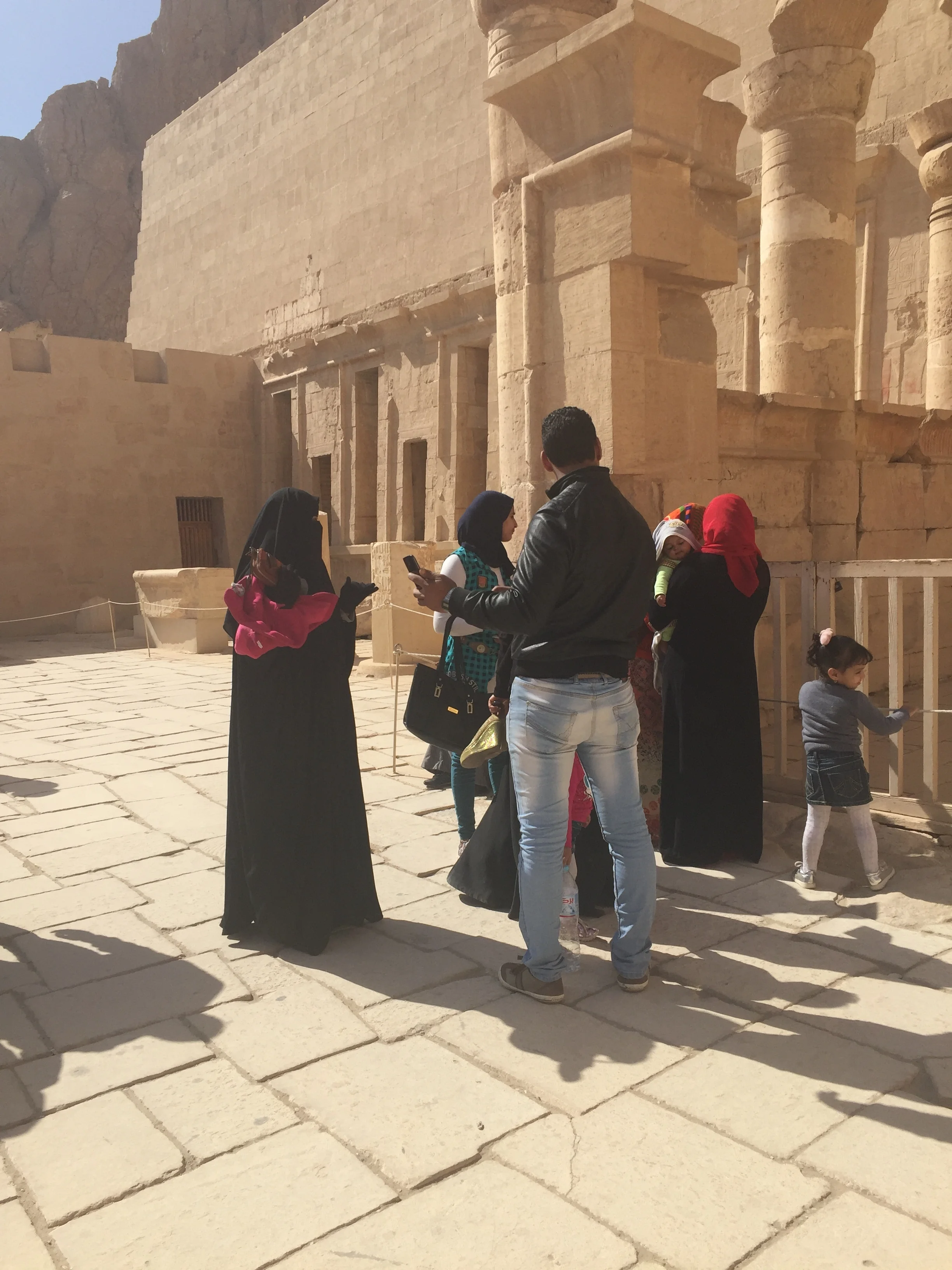
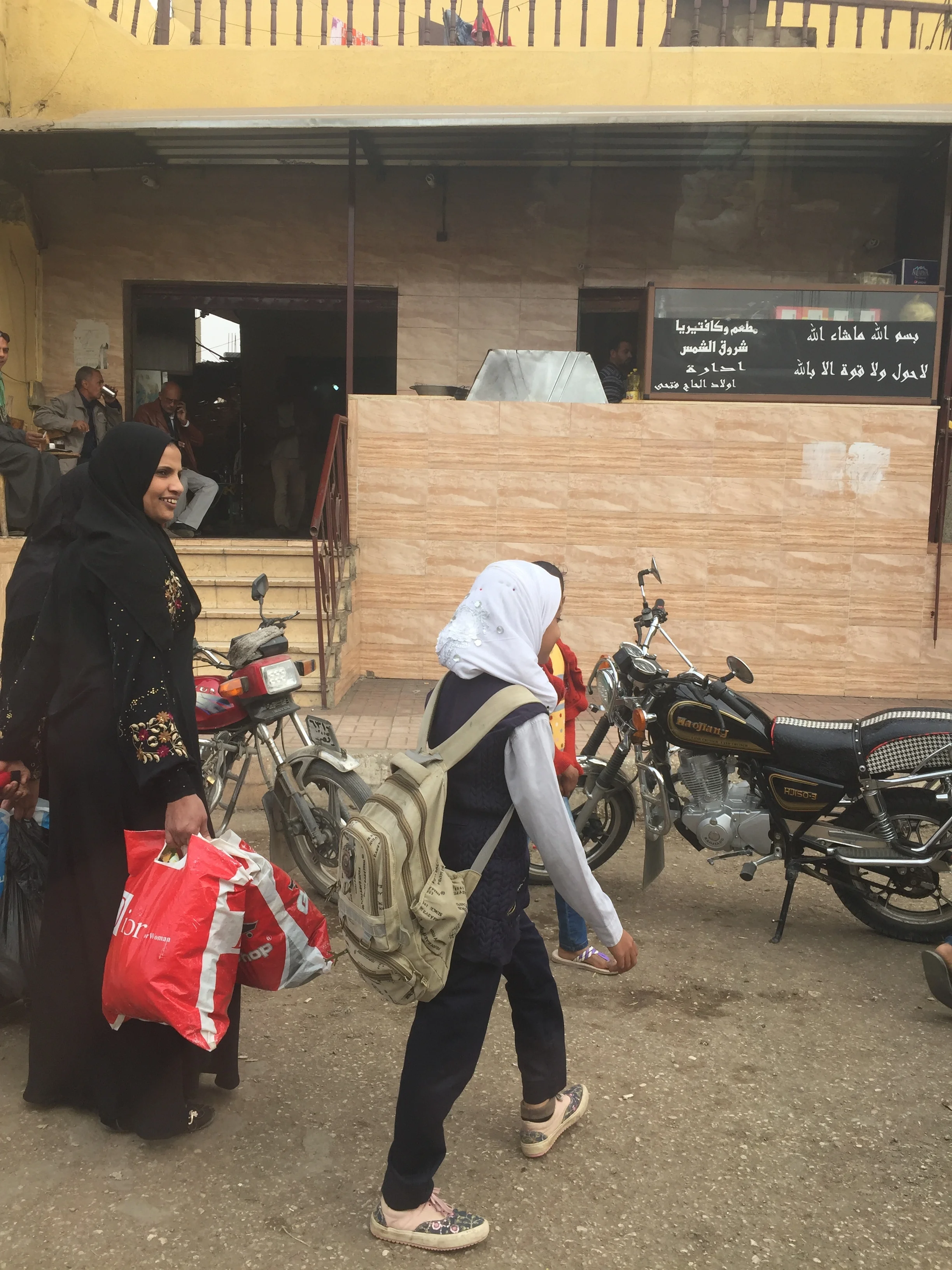
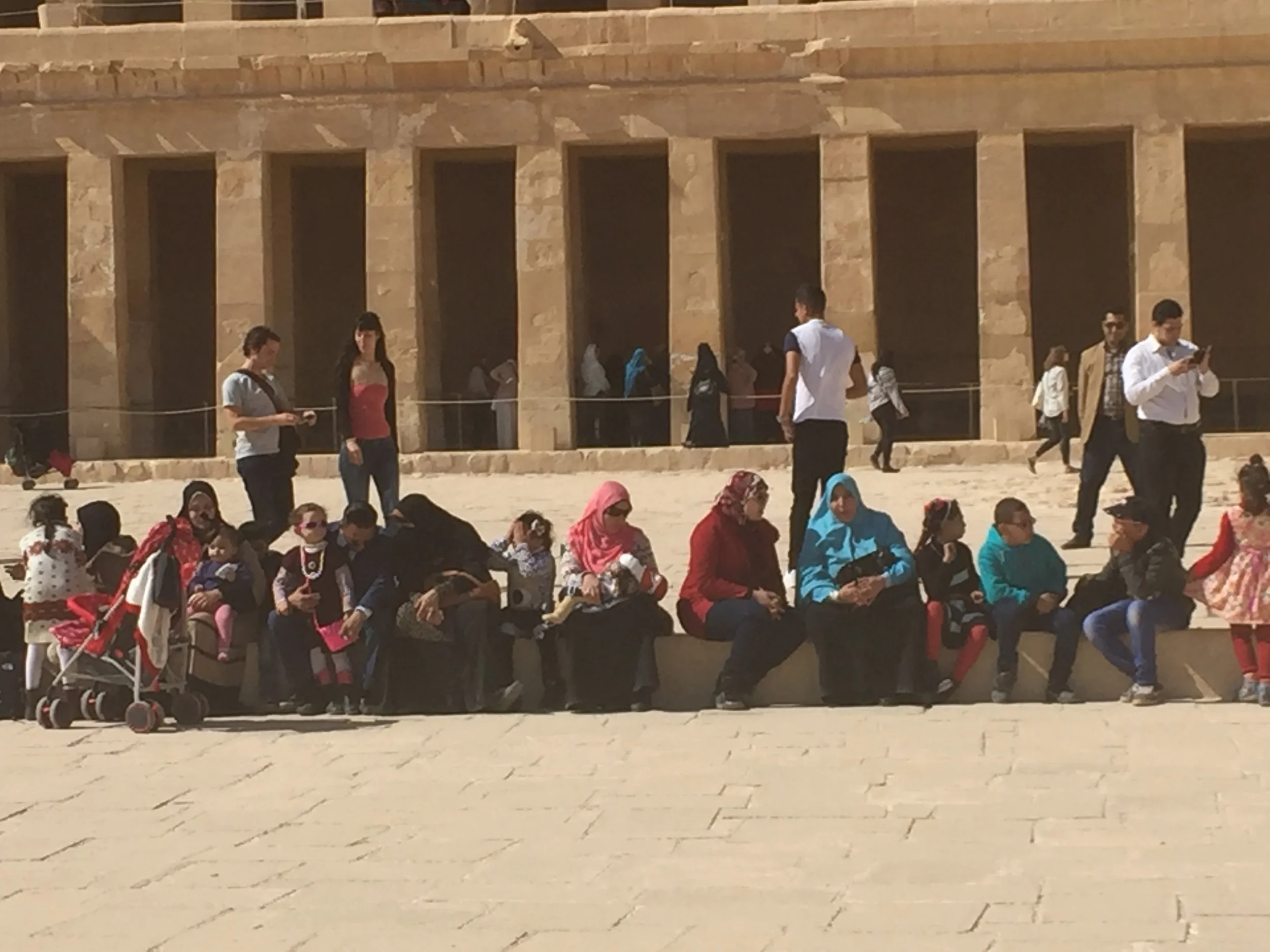
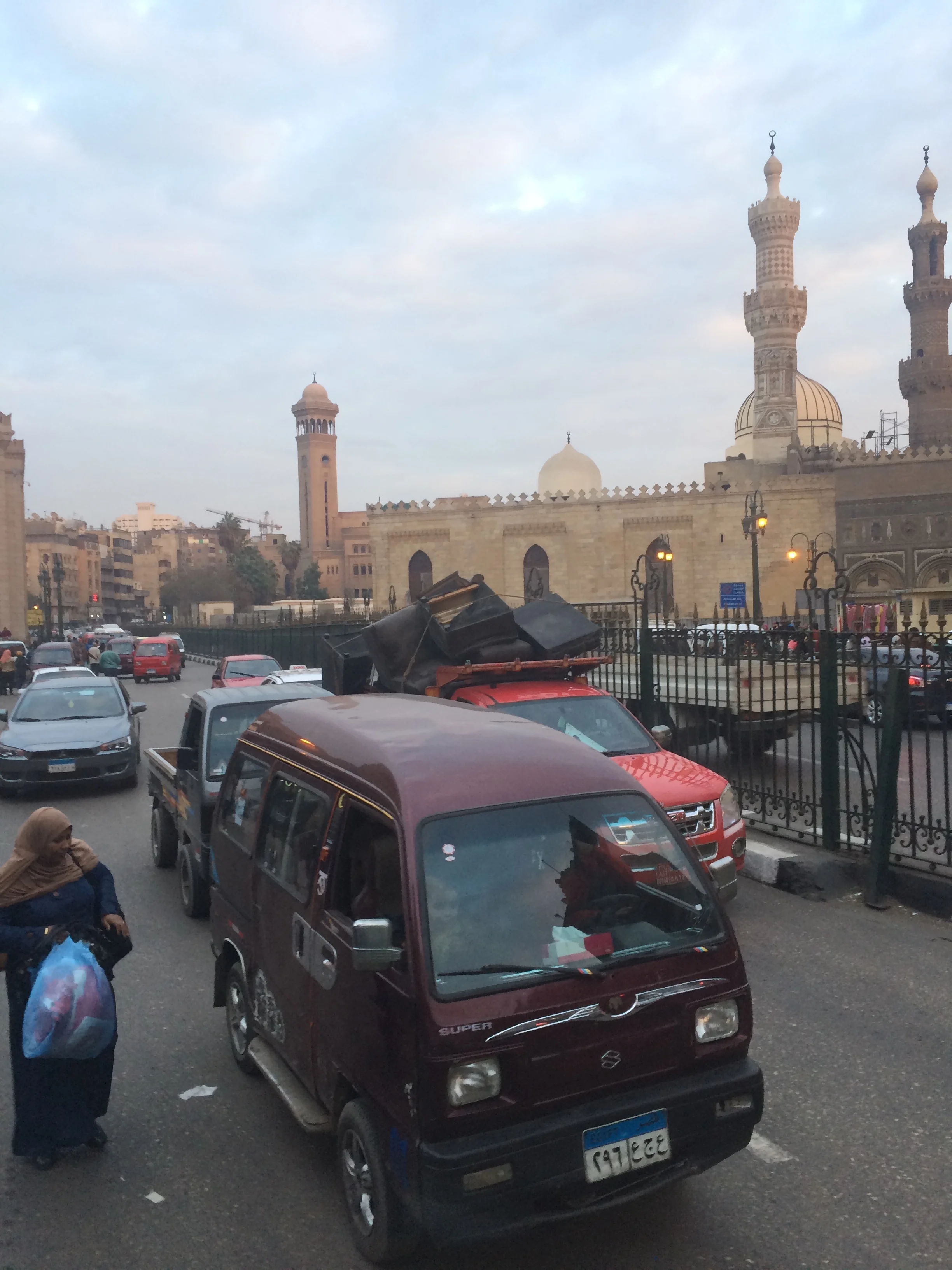
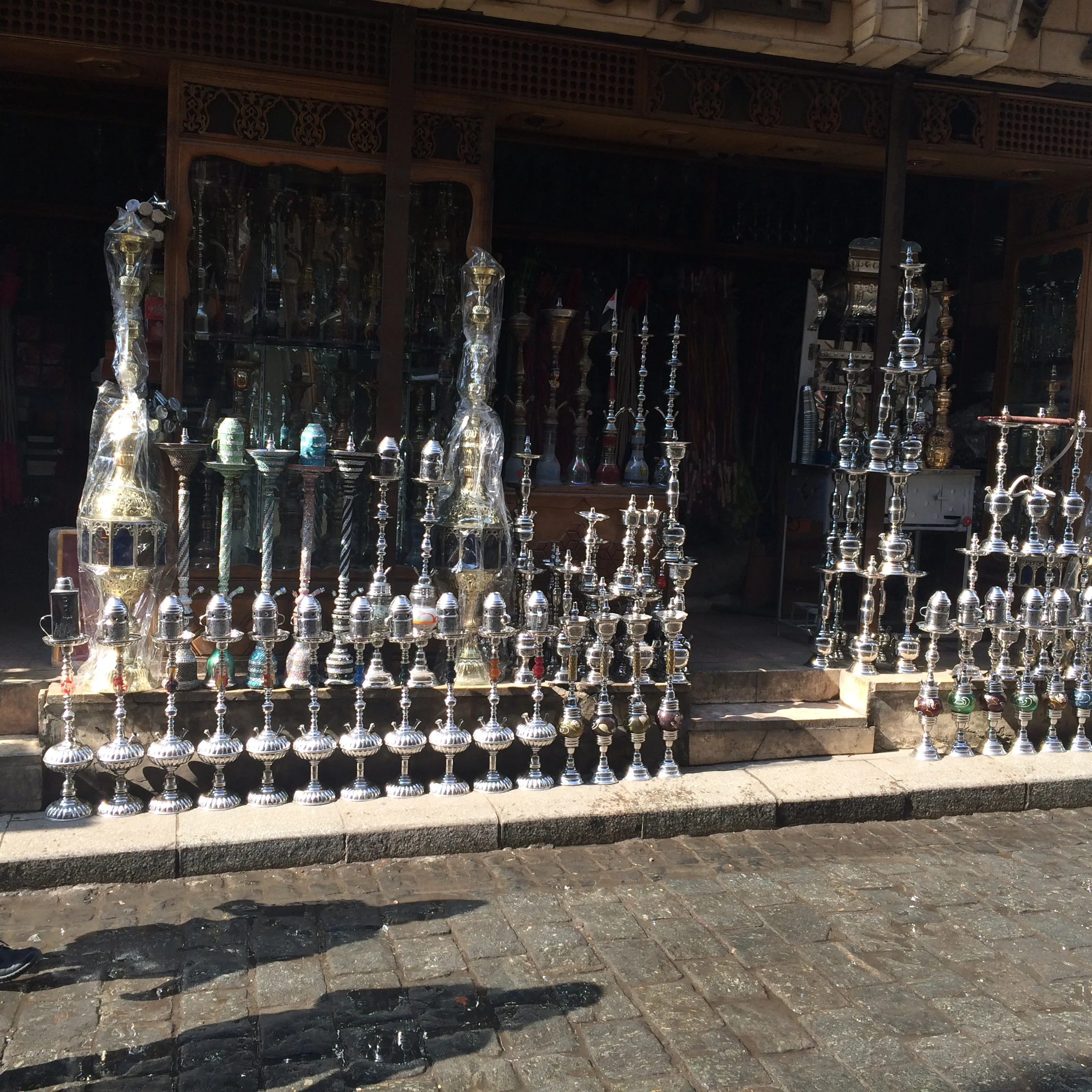
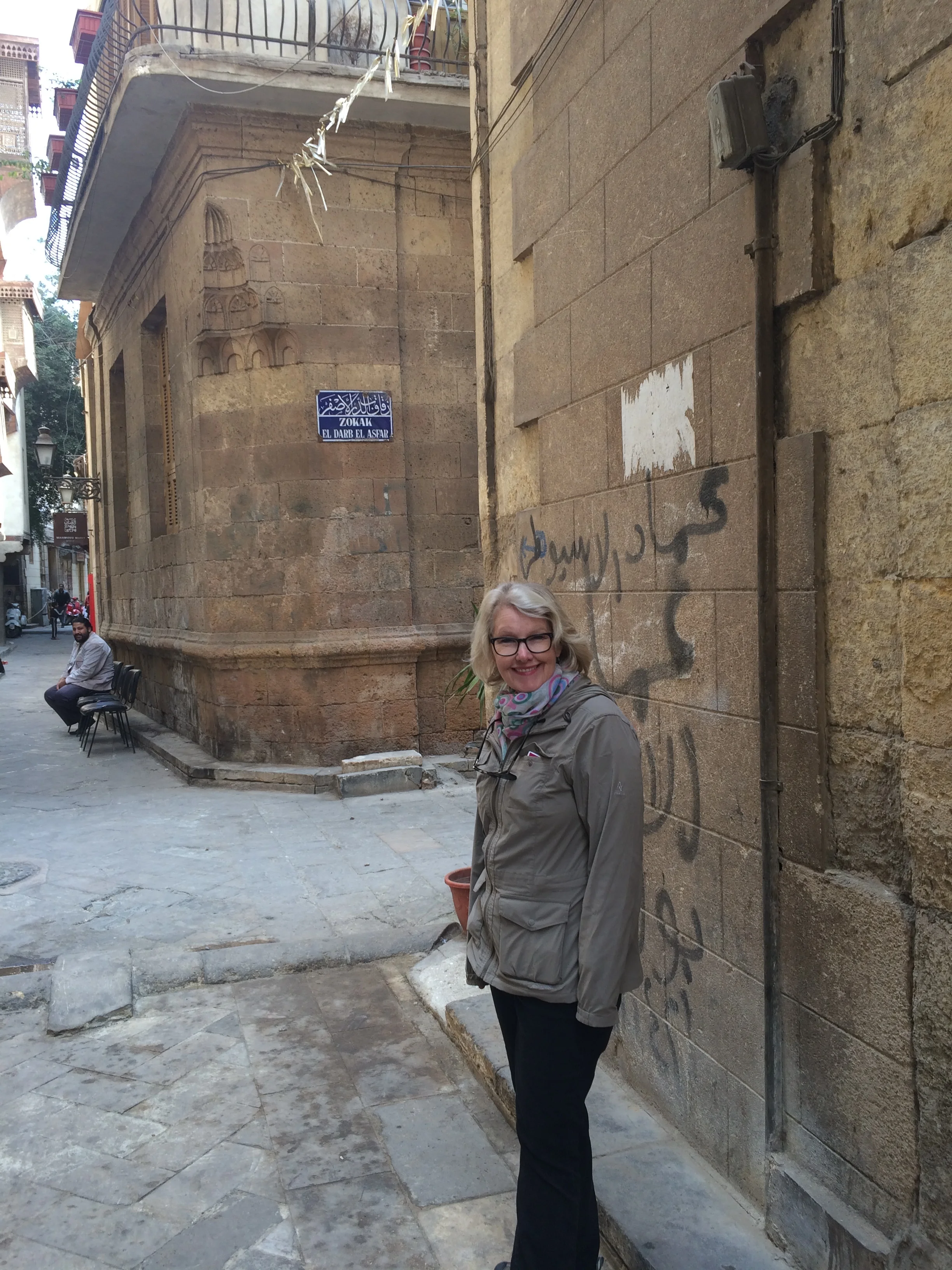
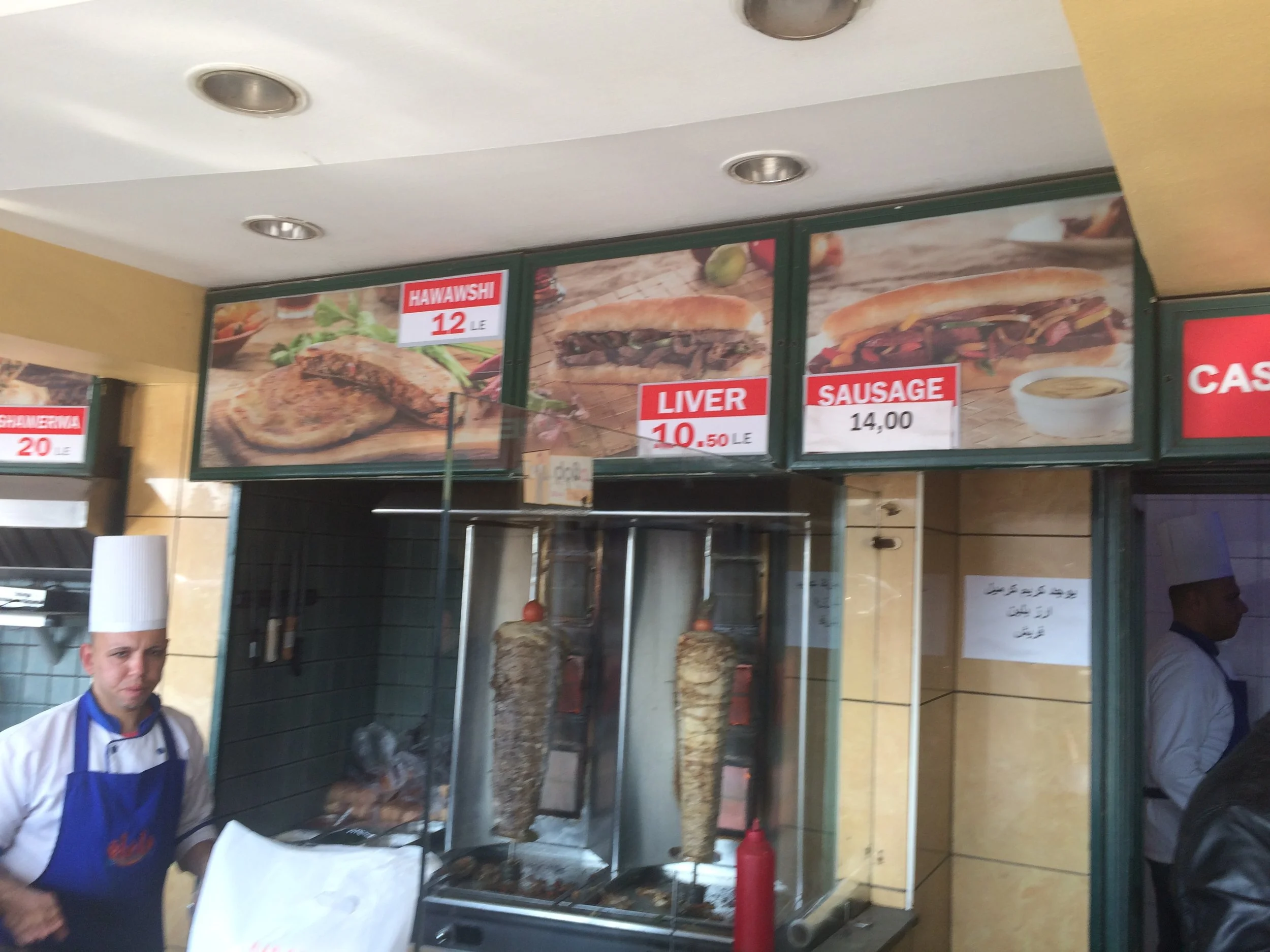
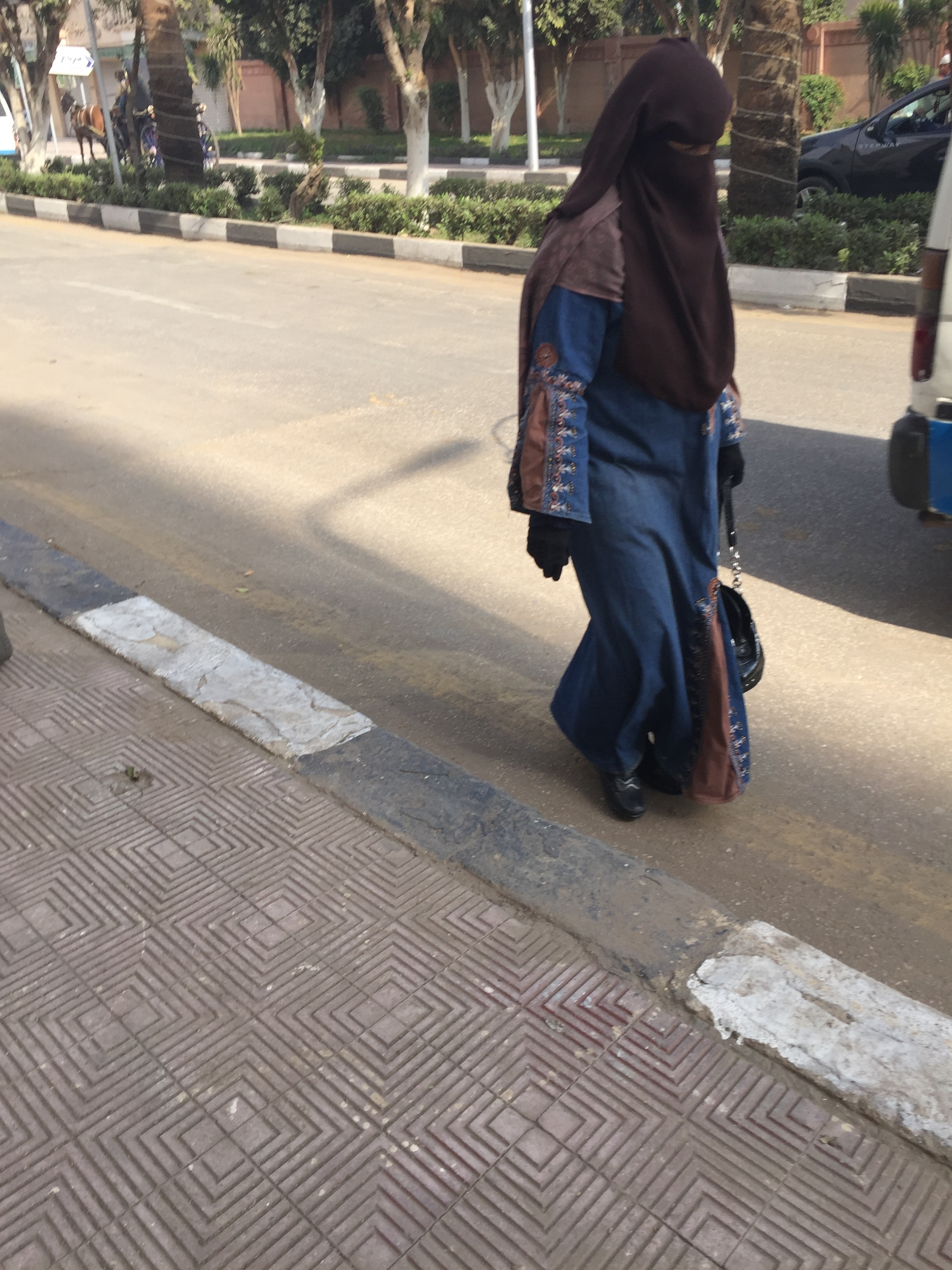
See below some pics of the streets and women of Egypt


View of Bazar from above
Egypt Part One

IMG_4060.JPG


For our next stop we are flying from Marrakech Morocco to Cairo Egypt.  We will be in Cairo 2 days before our tour starts.  We opted to use some of our Hilton point and stay at the main Hilton hotel downtown.

Overall the flight was good but this was one airport where all signs and the announcements were in Arabic only.  We got lucky with a gate change, we met one other American traveler and together when all the other passengers got up and left we better follow.

The flight was about 7 hours.  We were to be met by a shuttle from the Cairo Hilton. The charge was to be placed on our room. Our American friend needed a ride to the same area, so we ask our driver if she could share with us. It was ok for a cheap price, and we loaded up for the trip to downtown Cairo.

When we arrived at the Hilton into the parking lot we had to pass through a check point, where the underside and trunk of the vehicle were surveyed for explosives. We were allowed in and individually then passed through metal detectors with our luggage. Then a little ruckus occurred, our driver wanted cash payment even though we had a bill to give to the hotel.

The clerk interceded. Once sure we would not be double charged, we paid in cash for ourselves and the other American with us and was waiting alone in the car.  We felt bad how long she was in the car. We told her the story and sent her off, instructing her not to pay anymore.       

IMG_3950.JPG

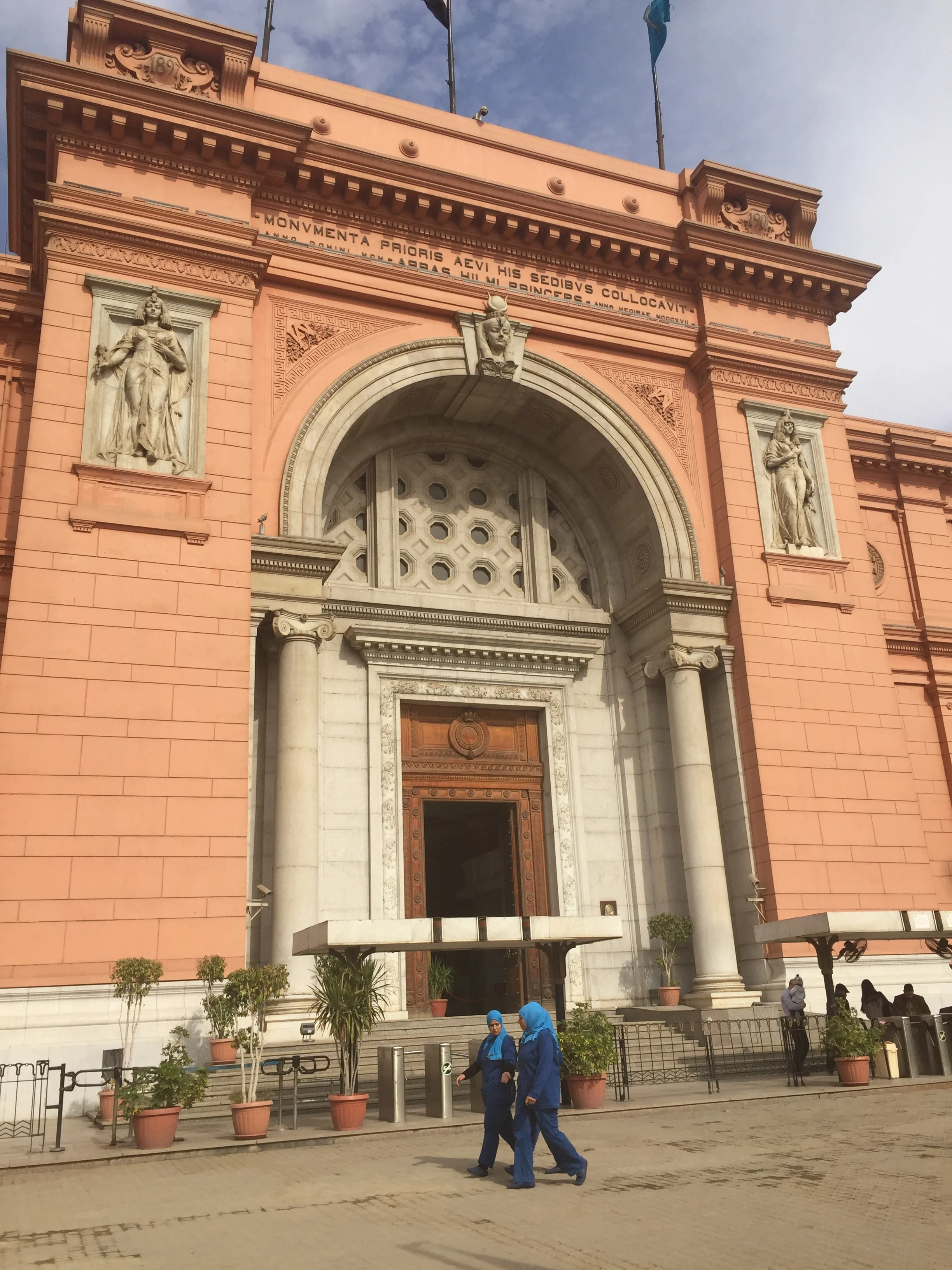
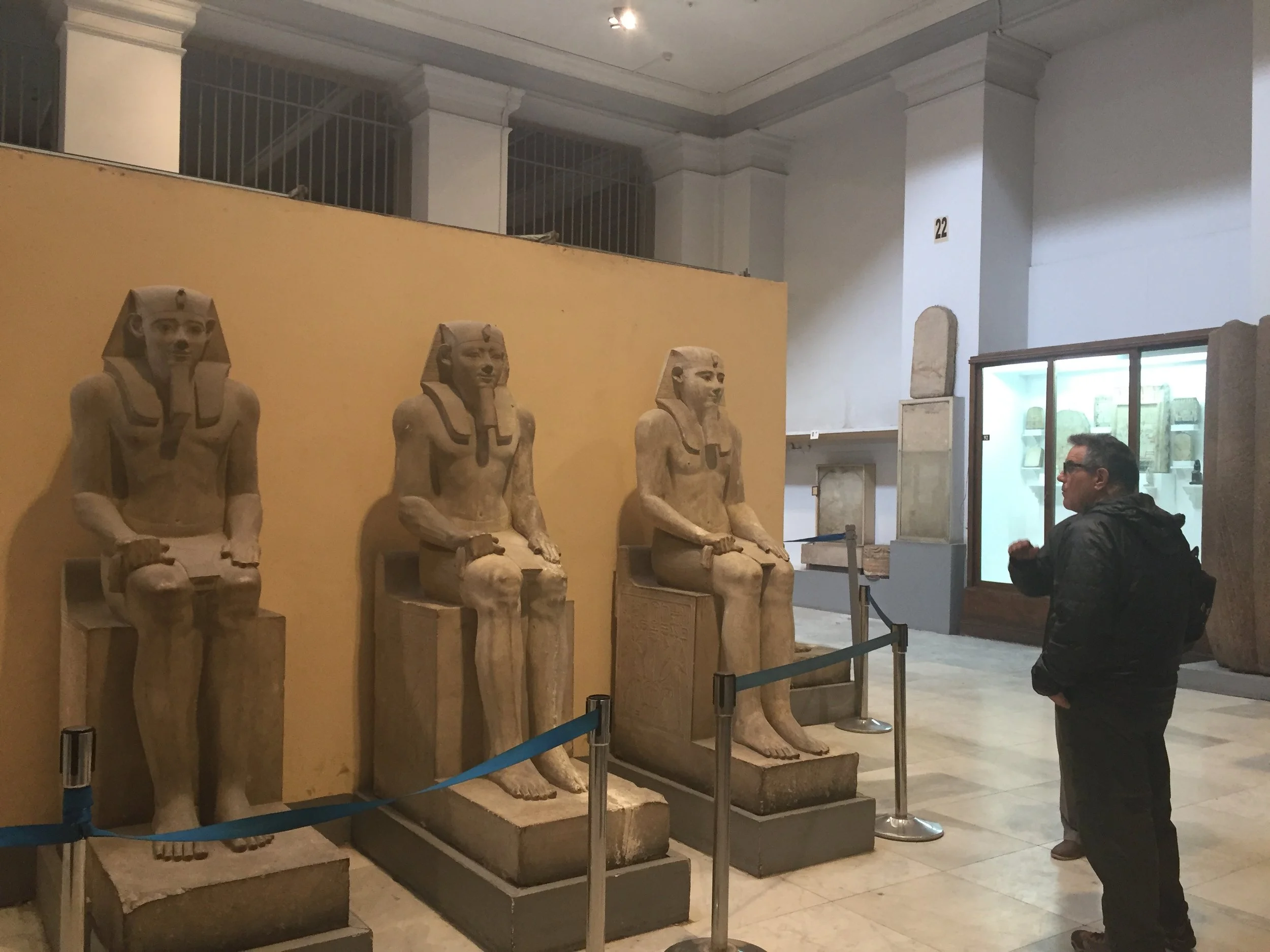
We went to the Egyptian museum on the first day.  It was directly across the street but almost impossible to get to. The streets have no cross walks. So we moved from curb to curb between traffic with no set lanes. It is rather spooky and poorly planned. We made it and walked in the street around the high wall of the museum until we reached the front gate. This gate faces the Plaza where the first protests initiating the “Arab Spring” of 2011 began.  Again, you walk through metal detectors and X-ray your bags for security. This was the first time of many future times when we observed security persons holding AR16 rifles. As we cleared security, a professorial looking man approached us for a guided tour. We accepted. This man was one of the best guides we have ever had. He directed us through this giant museum explaining the chronology of the Egyptian culture using the artifacts to weave his story. He made history come alive in a way that was memorable. At the end of our tour he was concerned about us and the crazy traffic and walked us back to our hotel. The Egyptian Museum is gigantic and old, as are the thousands of statues and artifacts representing the old, middle and new Kingdoms of the Pharaohs, with still thousands of pieces in storage. We spent a large portion of our time looking at the King TUT exhibit. The boy king died at 19, but he is famous to us because his tomb was discovered intact with all the gold, including the unforgettable mask.    

Frank and the Guide

Frank and the Guide

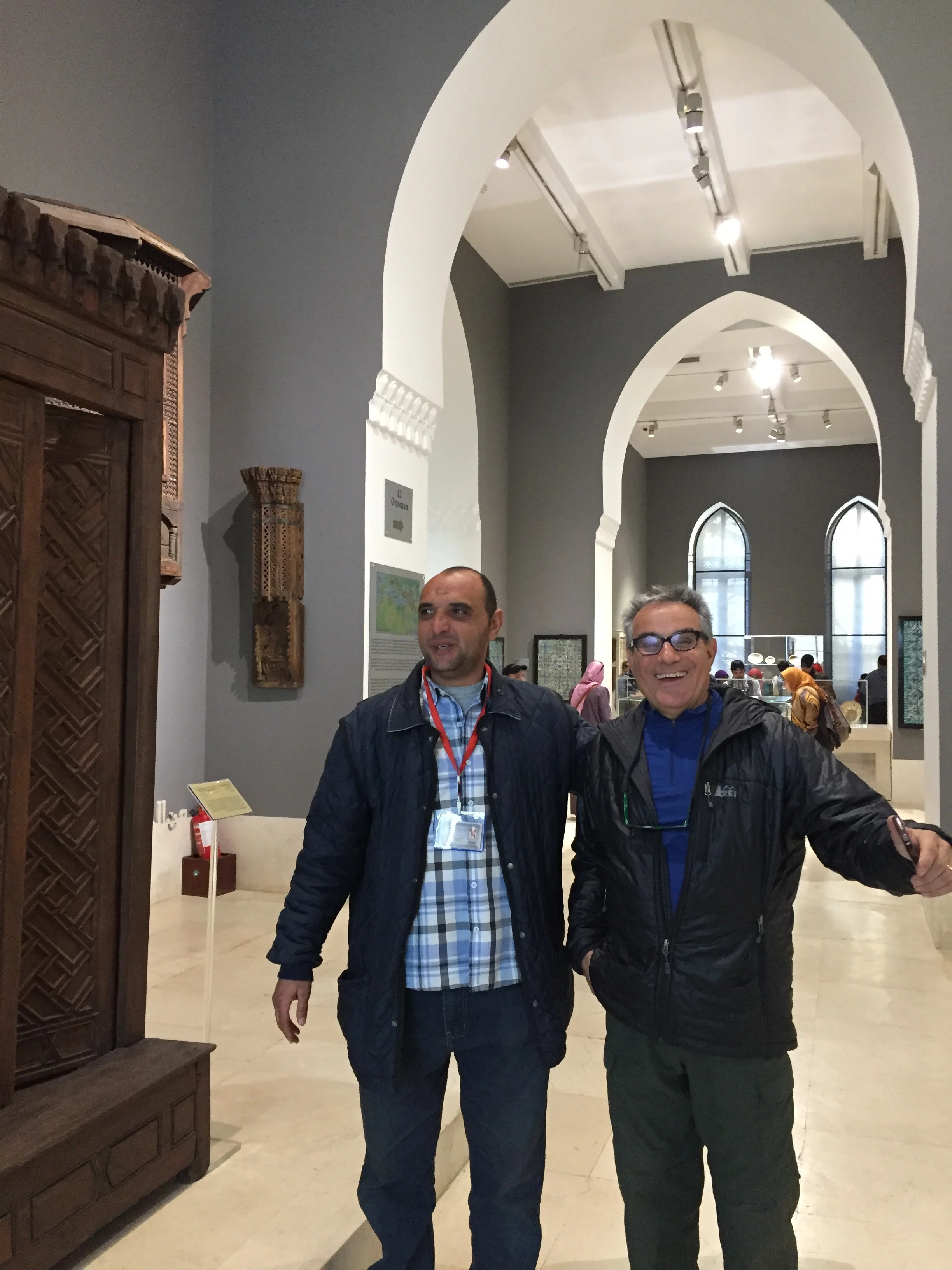
Our second private guide and driver picked us up at the hotel for the tour of the new Islamic Religious Art Museum that had been renovated and just recently reopened. Again the entrance was secured by X-ray and armed men. The title work, textiles, and wood carvings were elaborate. We had seen some familiar versions in Morocco and southern Spain. As we walked around the museum our guide explained the significance of the pieces. As well, we entered into a dialogue about the origins and growth of the Islamic faith.  The guide was quick to point out that Islam through the Koran recognizes the Prophet Jesus and His mother Mary. Personally, we have read portions of the Koran, about 25 written passages that directly involve Jesus, usually in a dialogue with Muhammad. It is quite fascinating.


We then went to the Cairo open air market. We walked several streets with our guide that were easily accessible. The various shop keepers were welcoming but not burdensome. Later, we saw other market streets from our transport that were just packed with people, shoulder to shoulder, moving like a great wave. Some part of us wished we had been in the mass, but the reasonable side tells us the view, along with our easier walk, was the way to go.

We did visit a Papyrus paper store which displays art painted on this ancient, first ever paper.The shop keeper demonstrates the method of manufacture and then offers the paintings for sale. The process is interesting as the triangular plant stem is sliced, water cured, aligned, and pressed into sheets of paper. Once completed the paper has the strength of a paper towel, can be soaked and crushed, but will return to its original shape. The paintings, which mostly mimic the great symbols, stories, and language found at the pyramids and temples.

The Perfumery


Next, we visited a perfumery. Here there are bottles of pressed flower oils that make up the base fragrance of many perfumes he shops keeper points out there is no alcohol in his fragrances and his oils will not burn. This shopkeeper selected 4 different oils for us to apply and test. One drop will do you. Some oils have perfume fragrances and others are more therapeutic for ancient remedies. We both bought small vials of our favorites.


As the late afternoon approached our guide suggested we get something to eat. We stopped at an Egyptian, falafels, very yummy. 

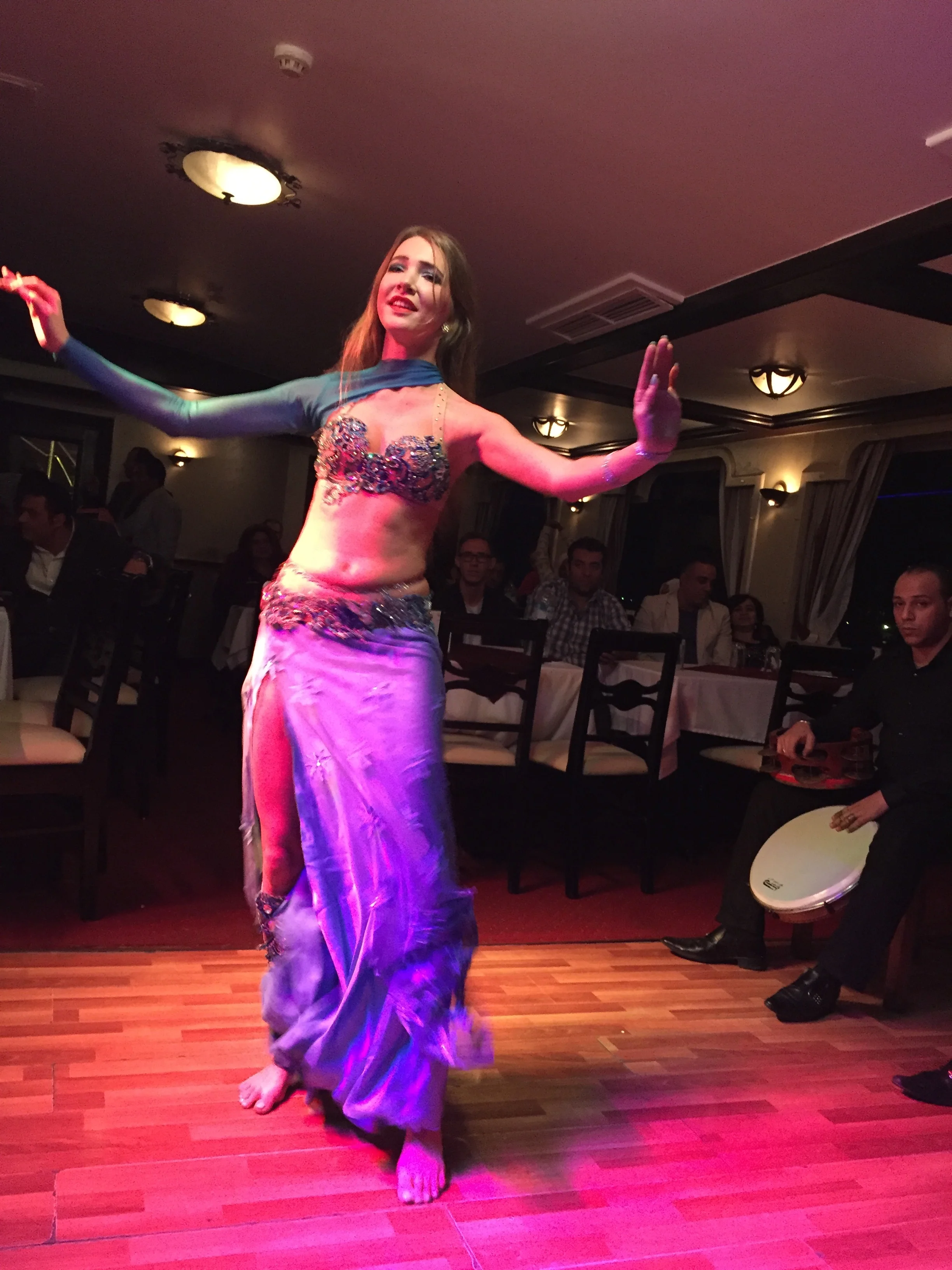
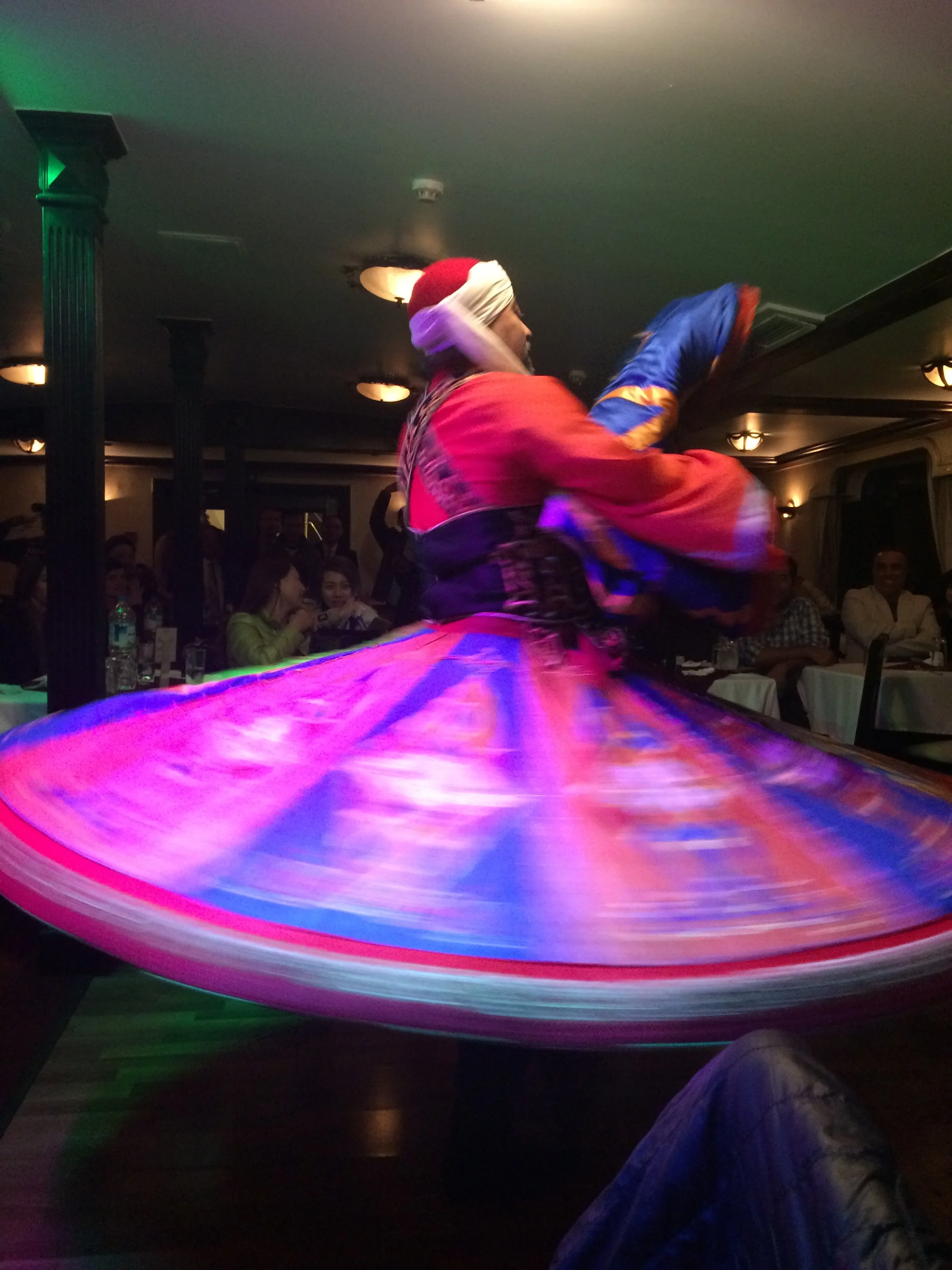
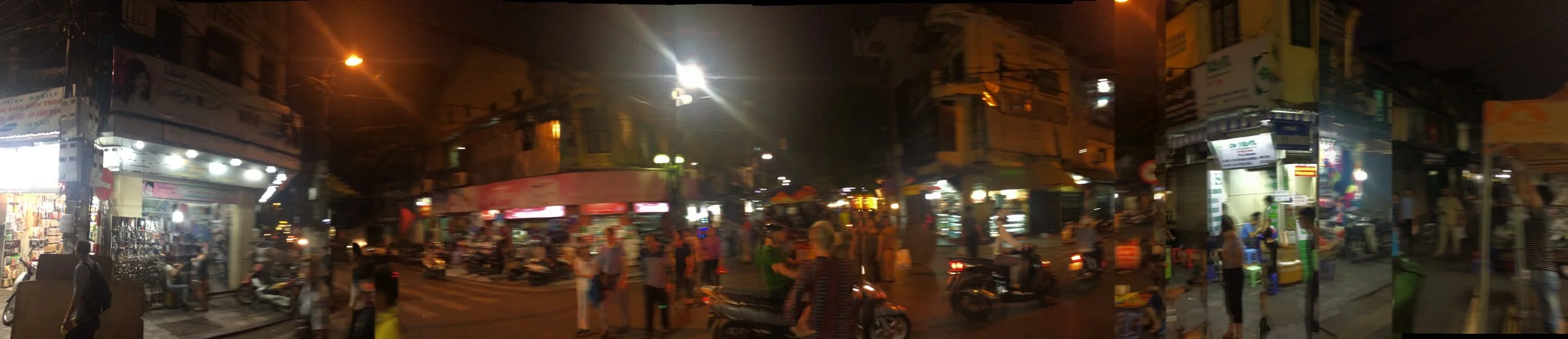
Later that night, we met our tour group and guide. Apparently many had been delayed on their flights, so only eight of a group that would grow to 24 went to a dinner cruise, with belly dancing and the dancing acrobats.  This Egyptian belly dancer was an absolutely beautiful young lady with a professional band and routine and costumes. Then the acrobaticscame out with their swinging skirts and juggling all to music.  It was all great fun. The food and beer was classic Egyptian. 

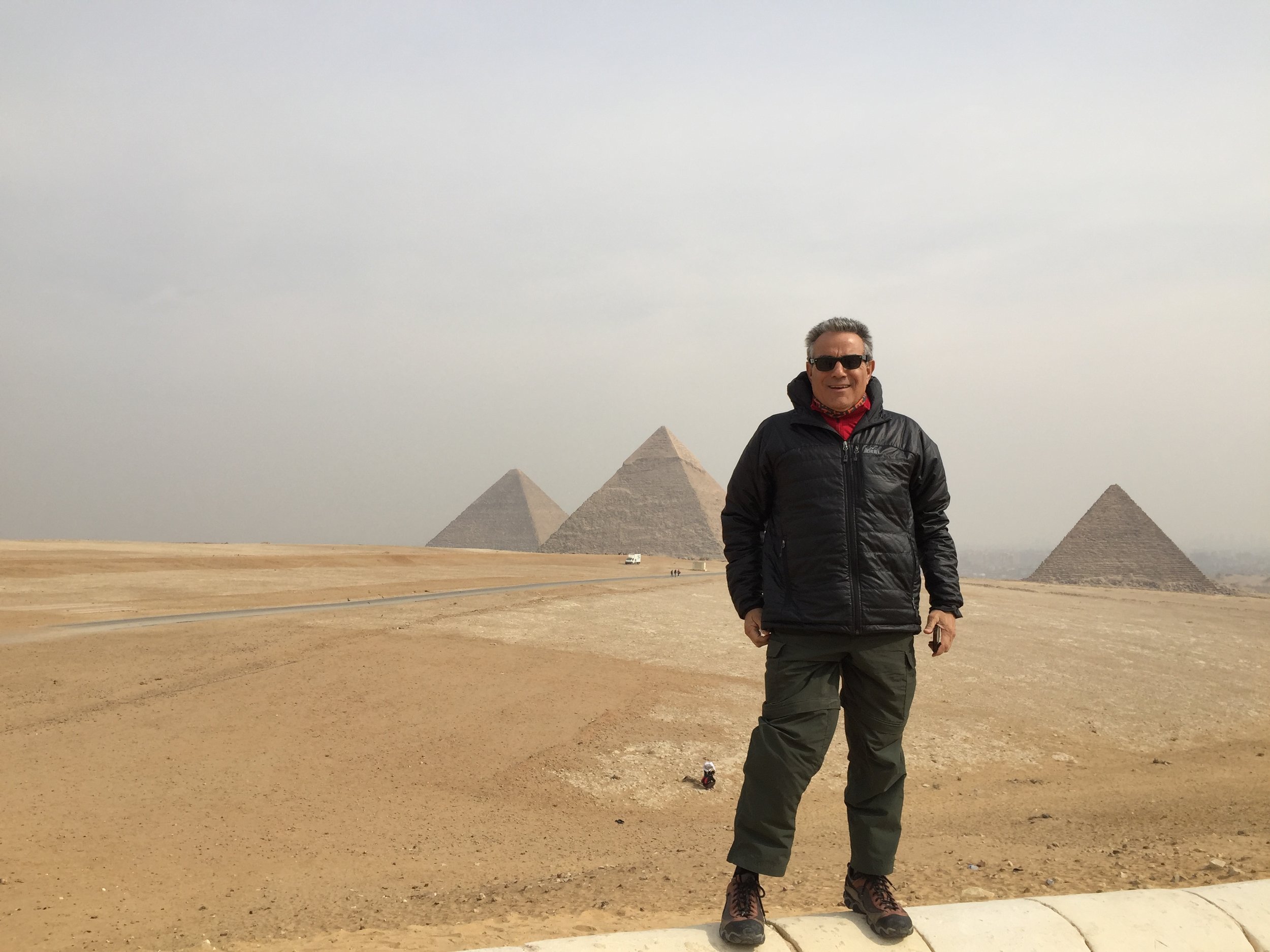
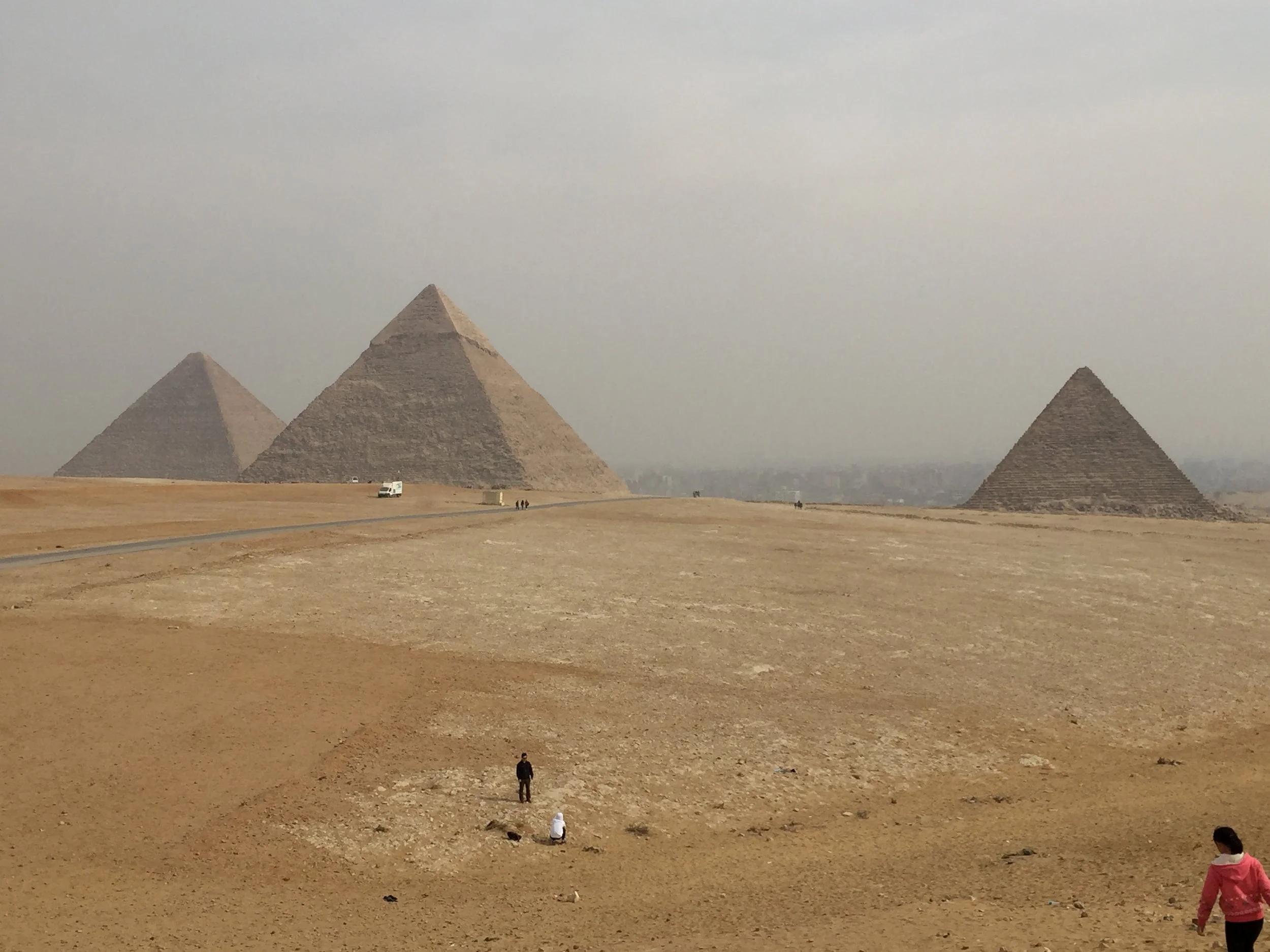
The next morning, we met the other 20 group members as we entered the bus. Here was the chance we have been waiting for, to actually walk among the Pyramids of Giza, constructed more than 4000 years ago.  


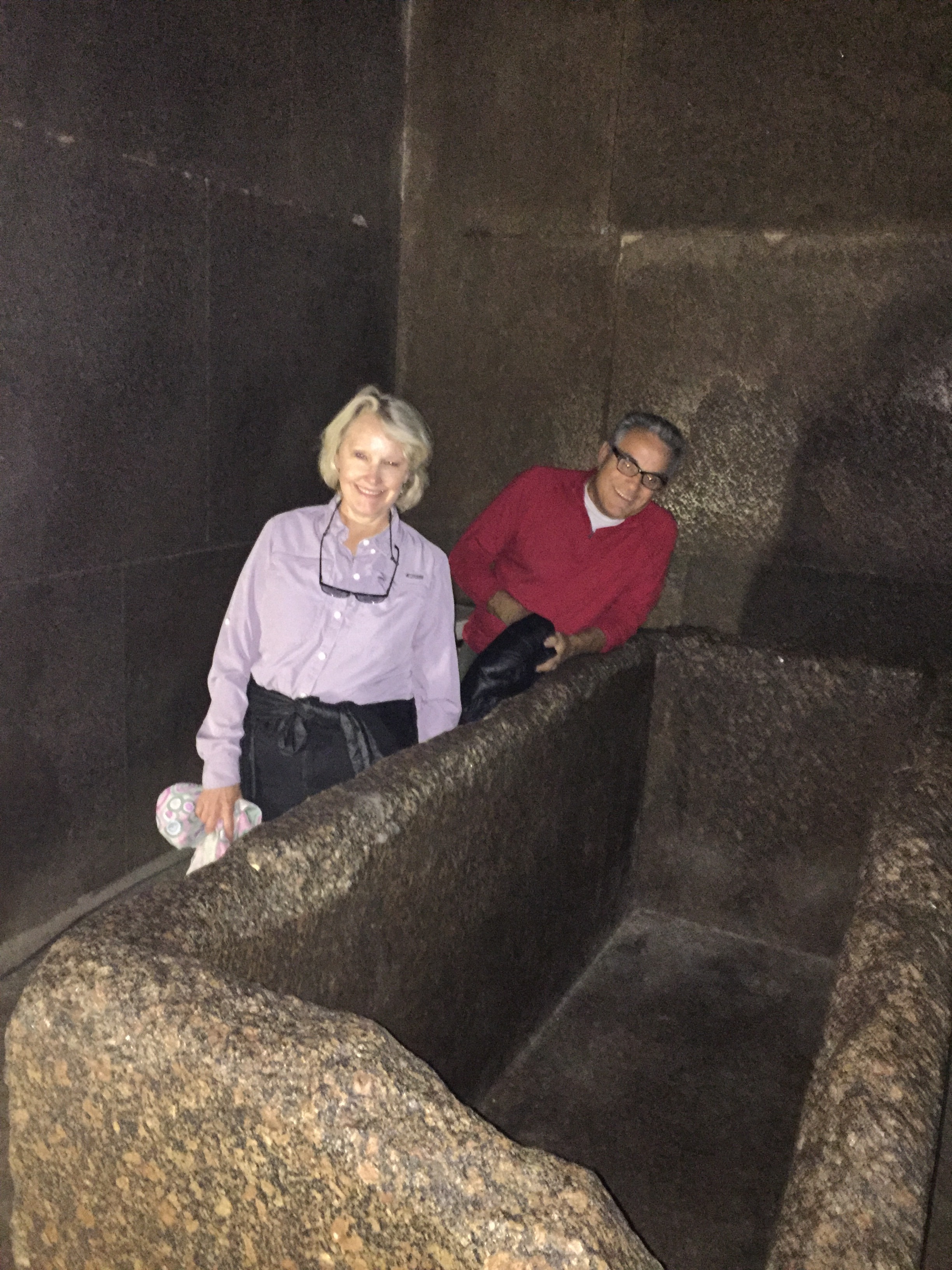
We first traveled to see the Pyramid of Khafre. The structure is massive and we were massively impressed. Surprise to us, this site had an entrance to the burial chamber that was located under the Pyramid, like a small basement. Our group all entered. The walls closed in as we bent over head to knees to navigate the narrow corridor going down. Some of us had a shortness of breath. We then reached the burial chamber and stood up. The chamber with crypt was large enough to fit us all and the walls and crypt were covered with hieroglyphics.    

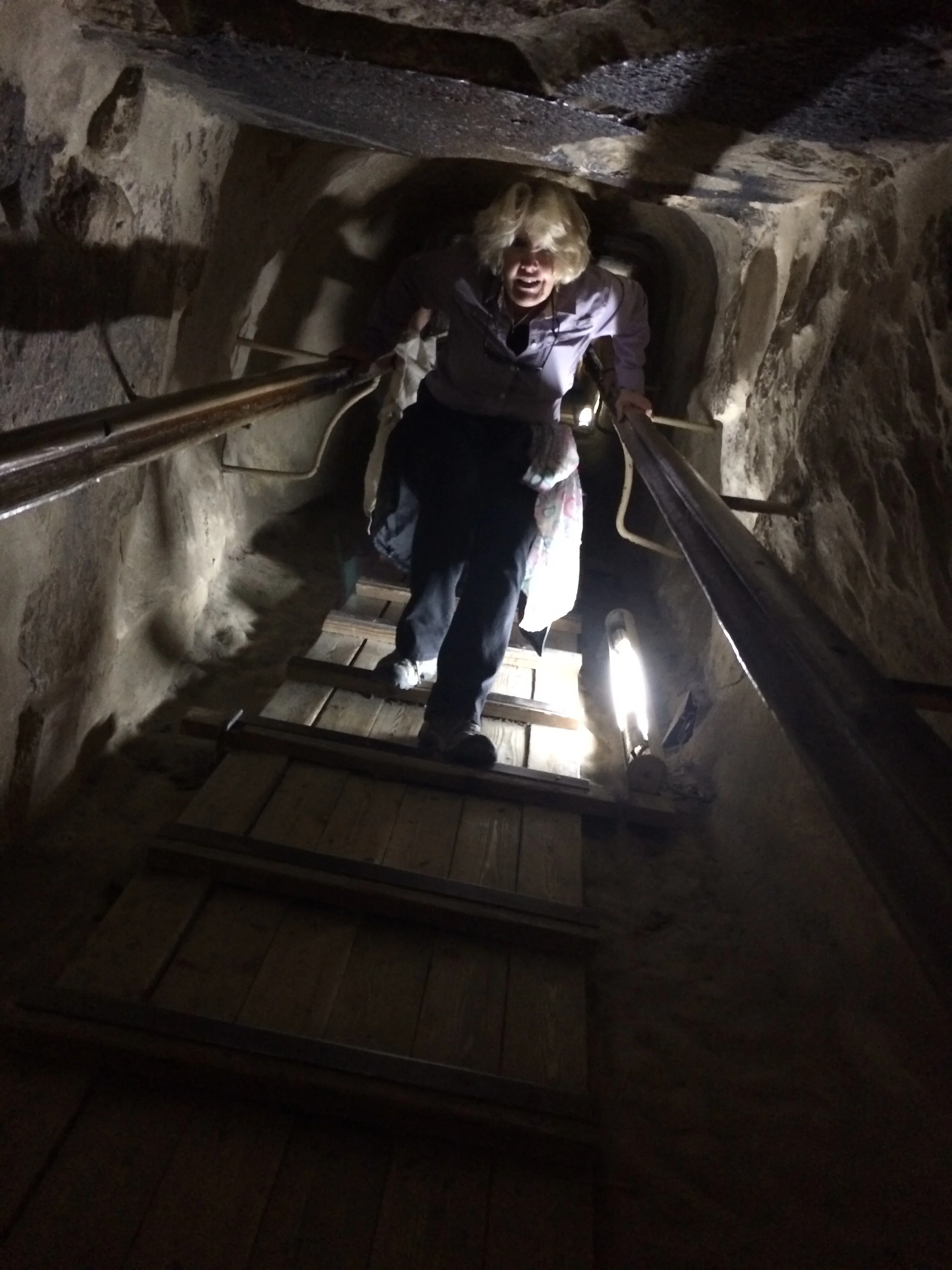
The Great Pyramid of Khufu, aka Cheops, was the next venue. This is the moseleum of Pharaoh Khufu. The burial chamber is not underground, but up in the middle of the structure. The doorway was discovered and is open. We stooped inside the entrance corridor, albeit somewhat claustrophobic, bent down and walked through the entry corridor. Then moving through an escalated passage we were able to stand fully and walk the lengthy trapezoid corridor to the chamber. Thankfully the passage is lighted, but most of our companions did not go in. The engineering of the stone blocks inside the corridor are seamless, seemed polished, and overlay each other like 3 layers of shingles on each side. Each block weighs 2.5 tons. The total number of blocks is 2.3 million.  The Chamber itself is large and has polished alabaster stone walls without etching and the Pharaoh’s crypt. We had a great “Indiana Jones” experience. No photos inside this Pyramid. See some other photos. 

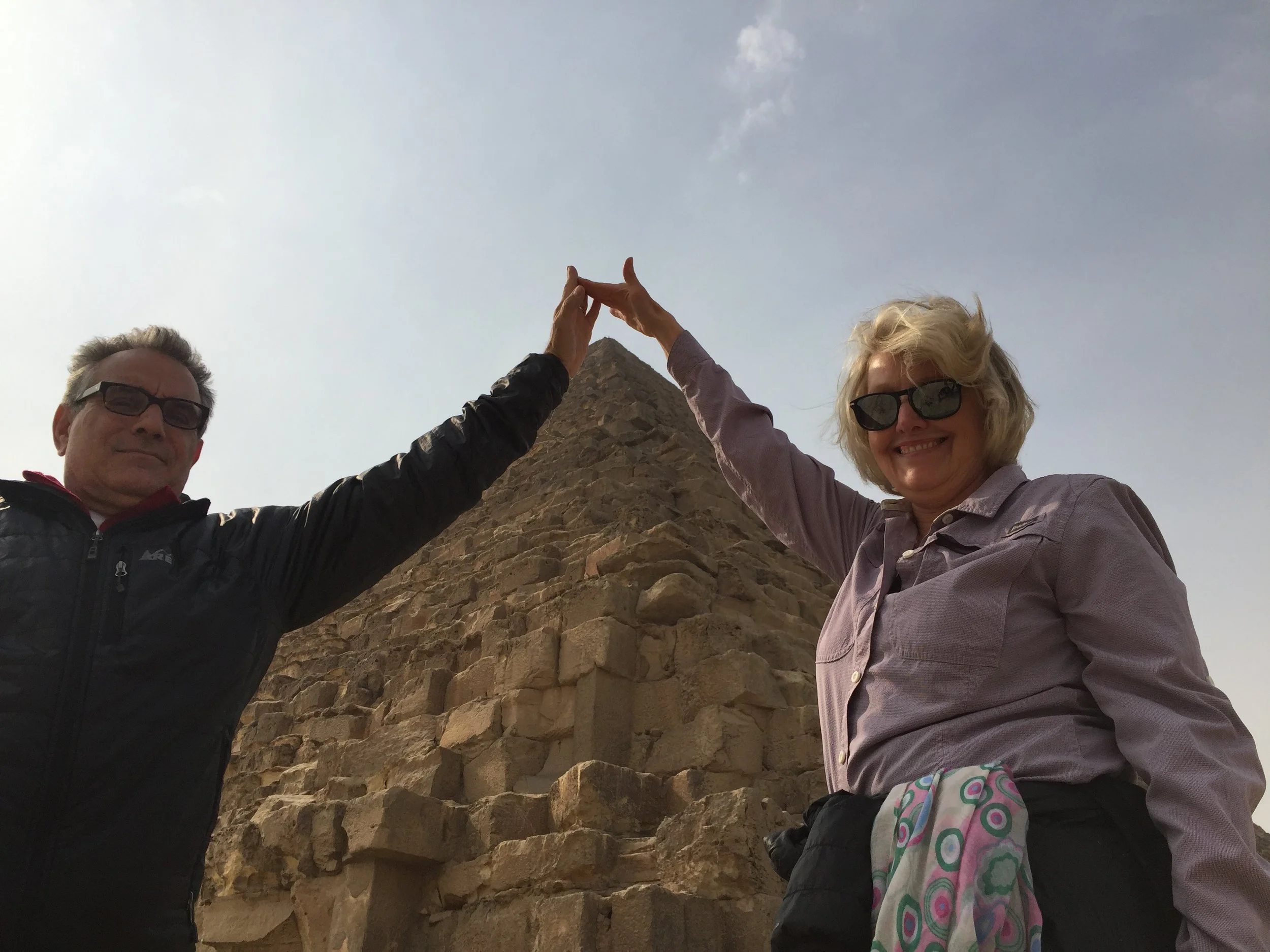
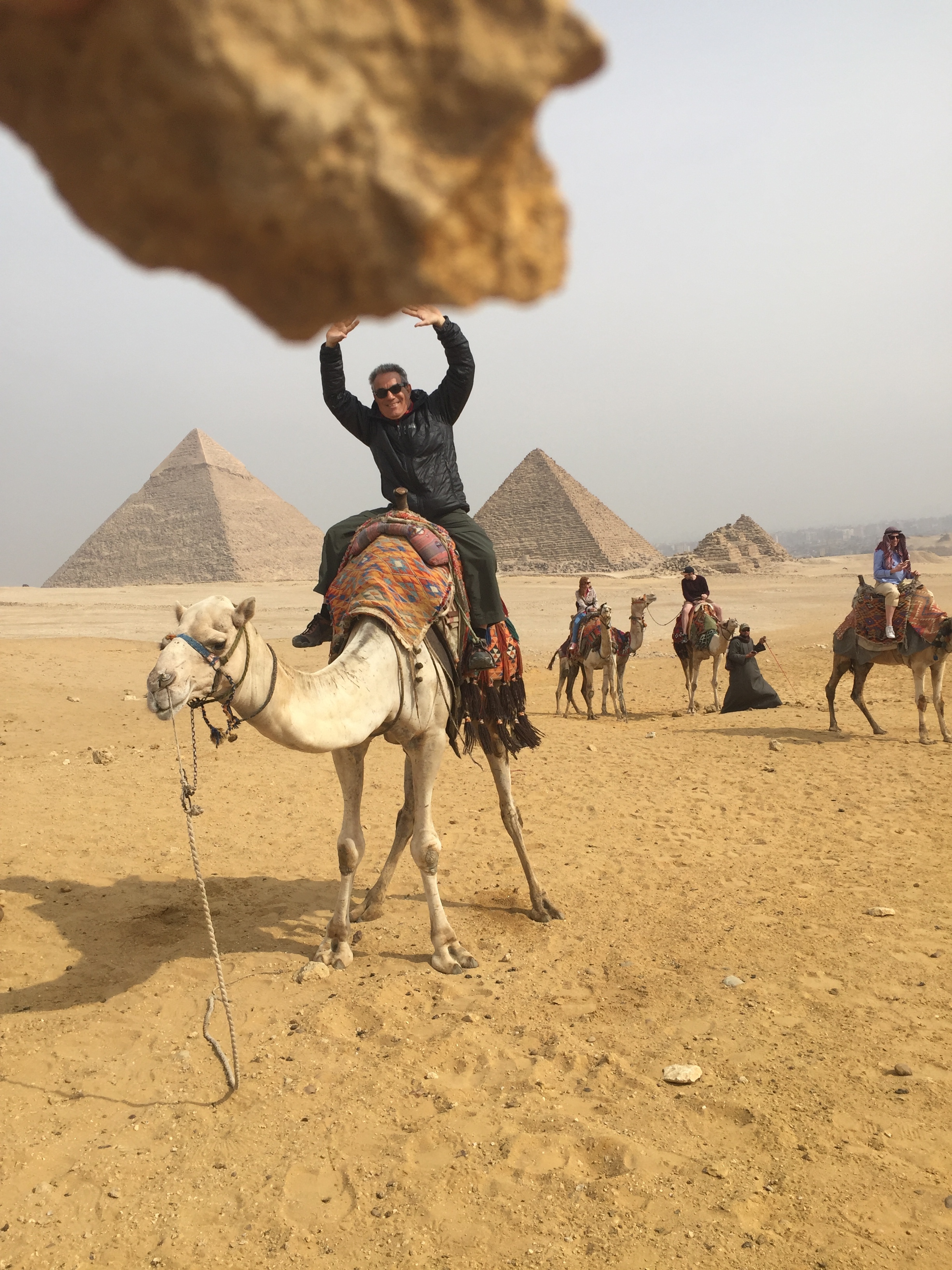
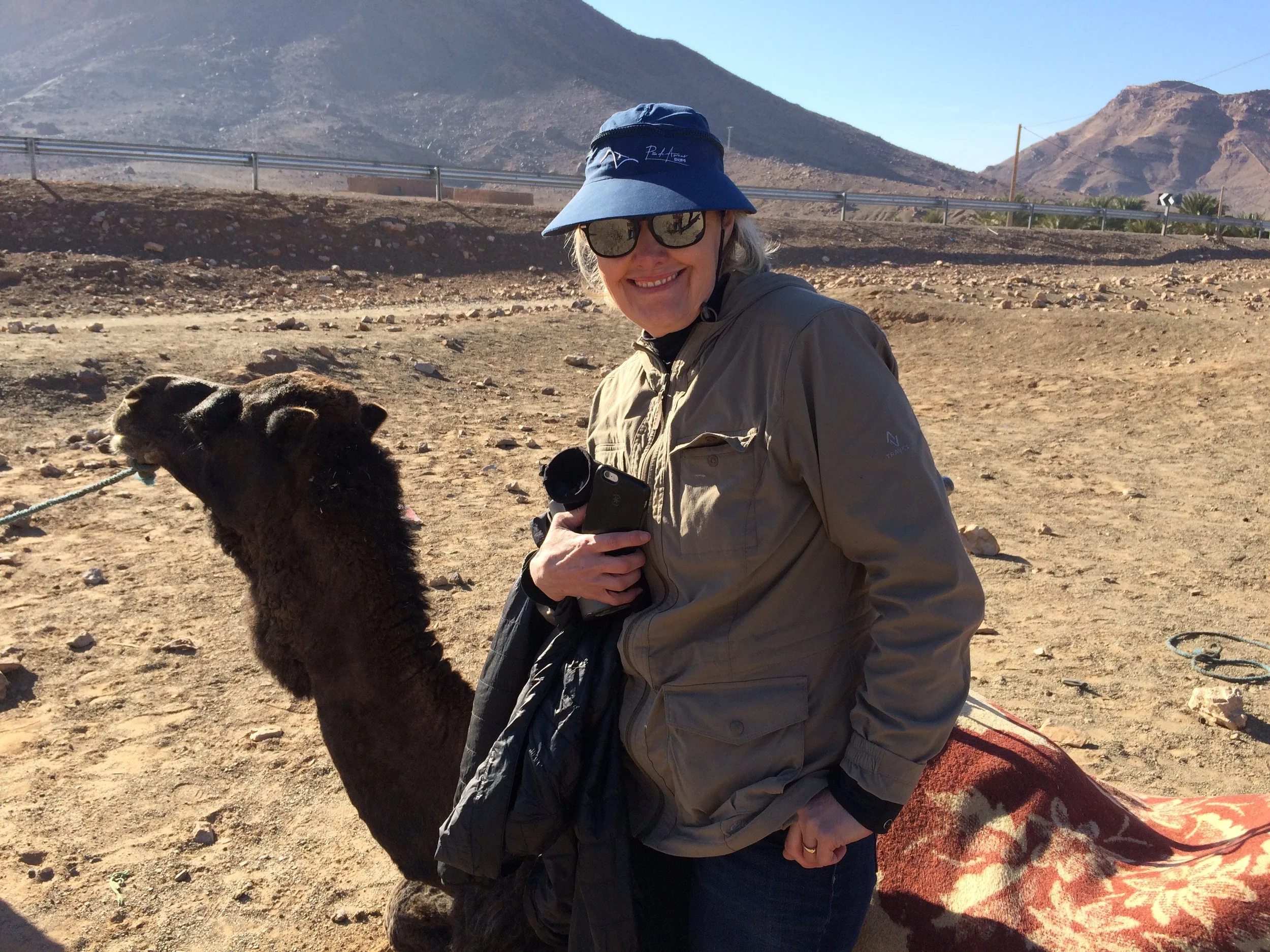
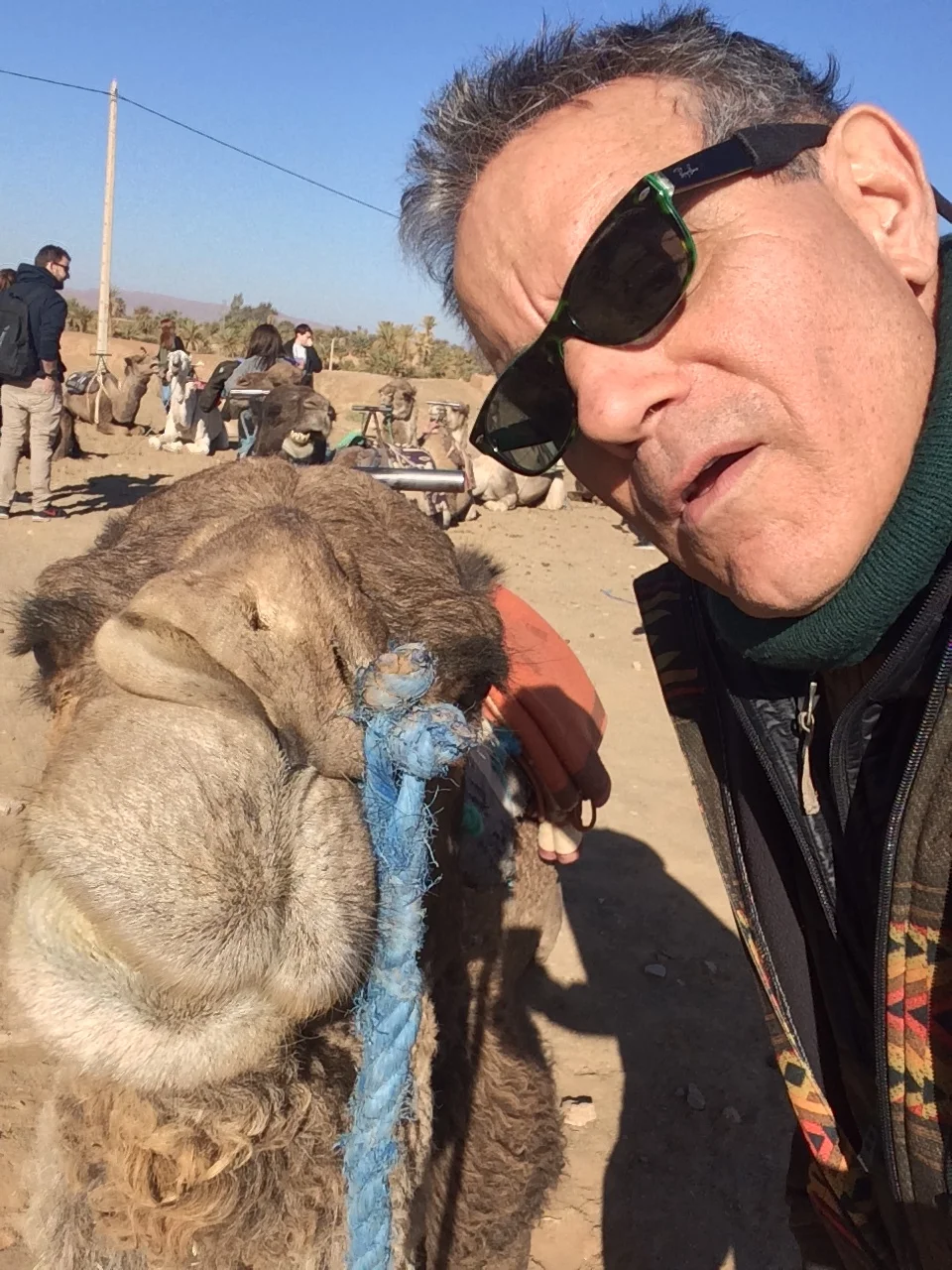
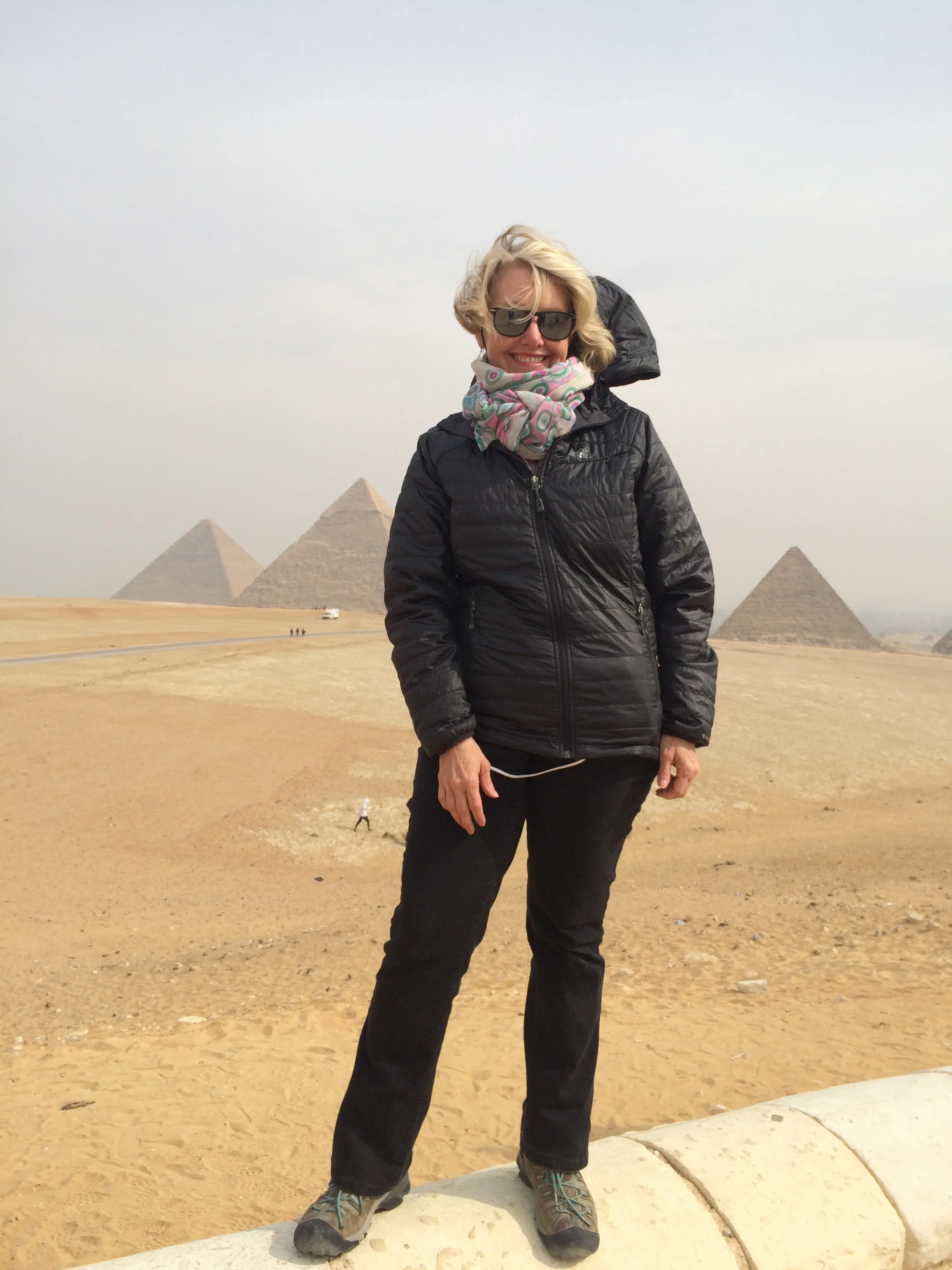
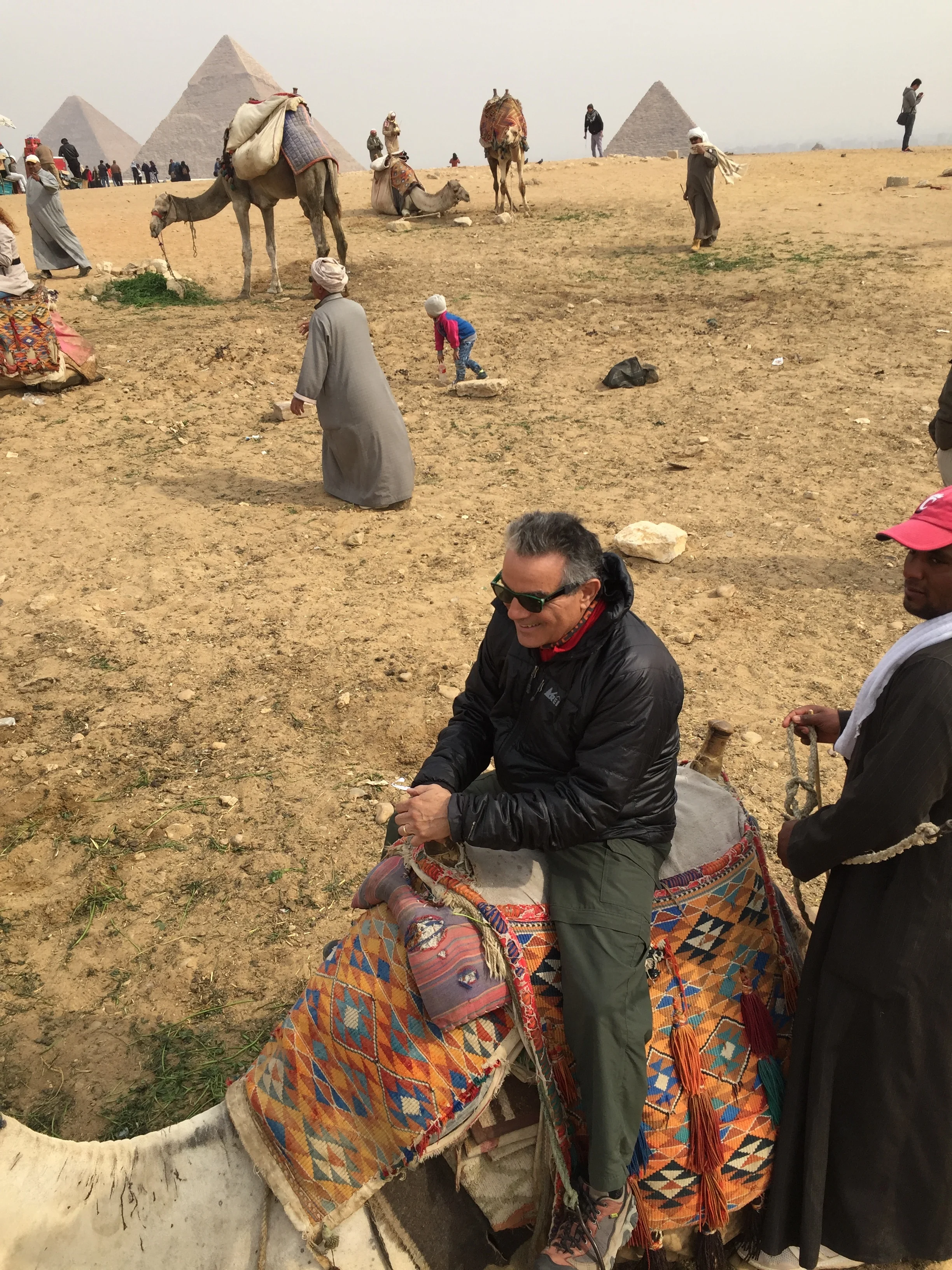
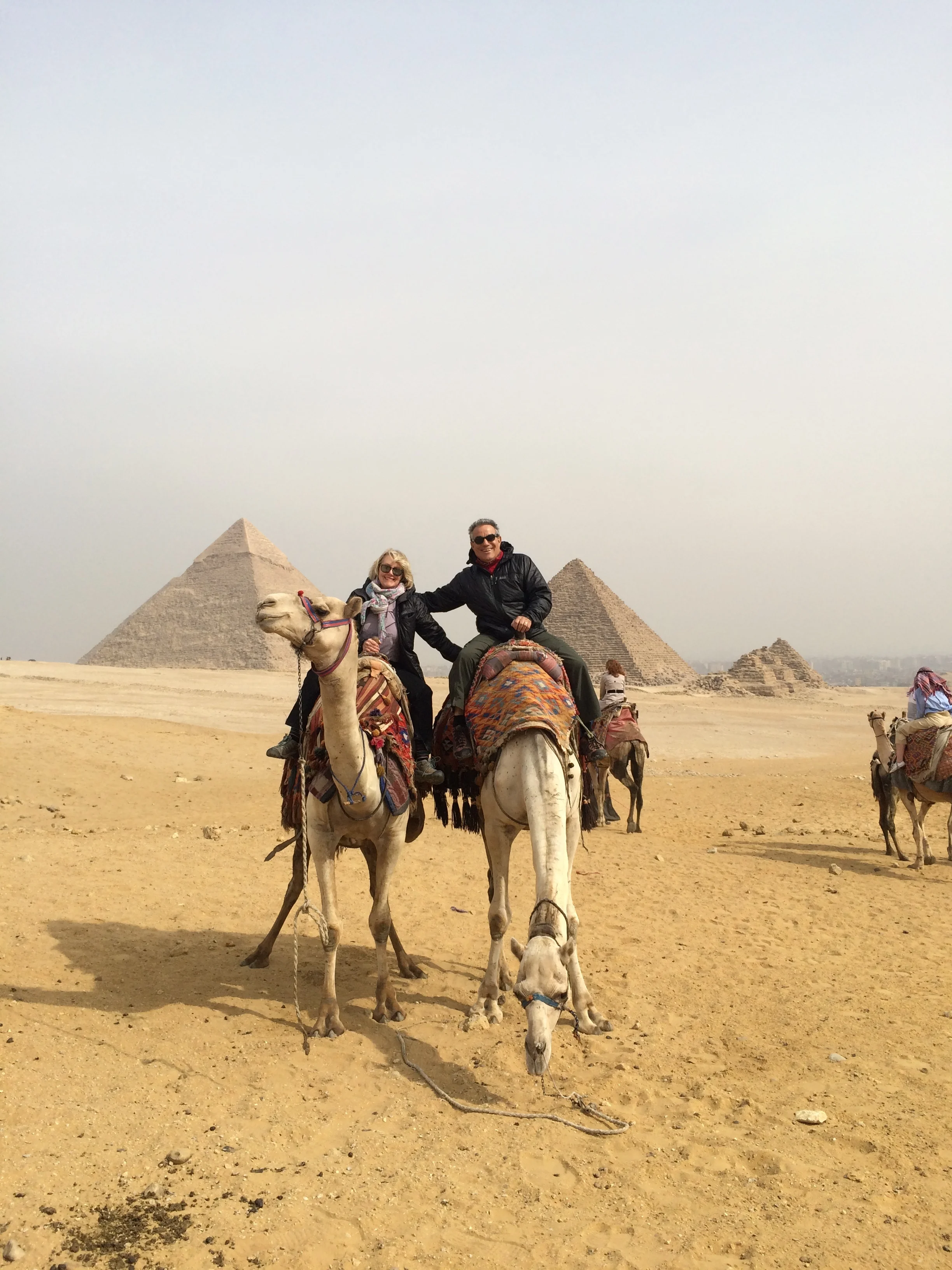
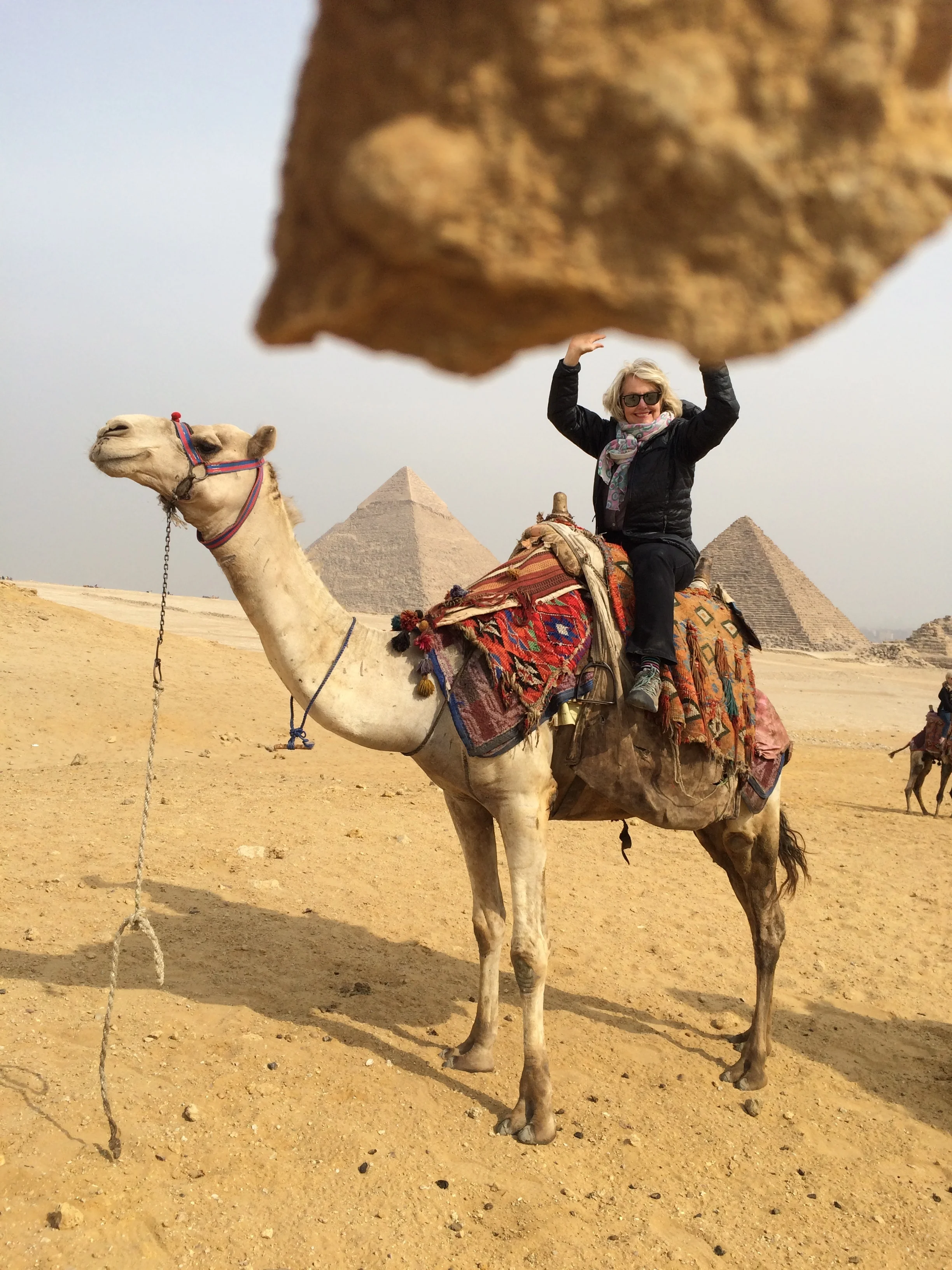
Next stop was our camel ride. These two grand pyramids sit within a complex of mausoleums which are housed in many other smaller pyramids that can be seen on the site. We had the fun of a camel ride, our second in 2 weeks, of riding around the exterior of the site to observe its great size and expanse. It is pretty amazing. Egyptian camels are about twice as tall, and twice the fall, as the Moroccan ones we had rode and have a slightly different hump placement that allows for more comfortable seating. 

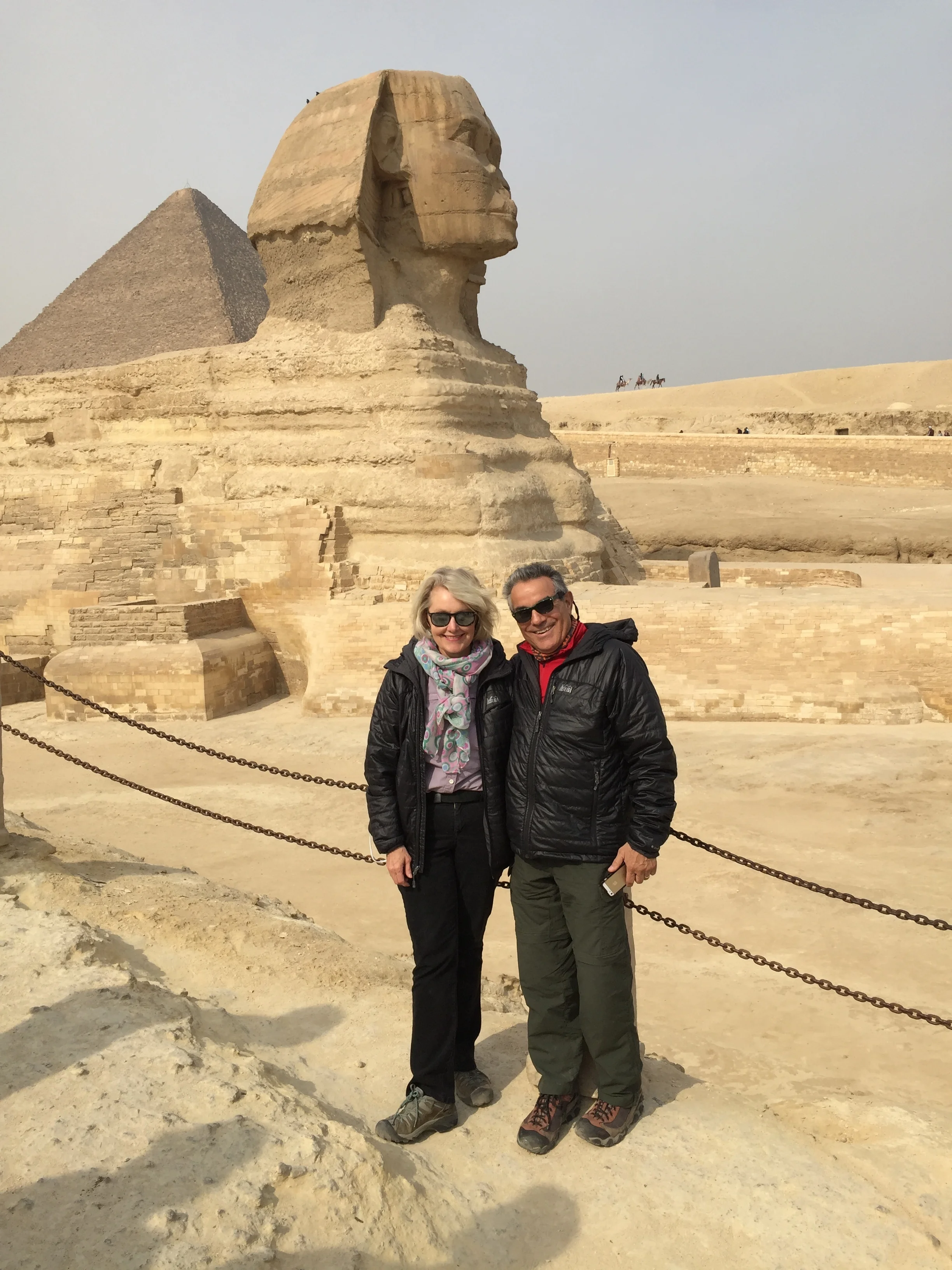
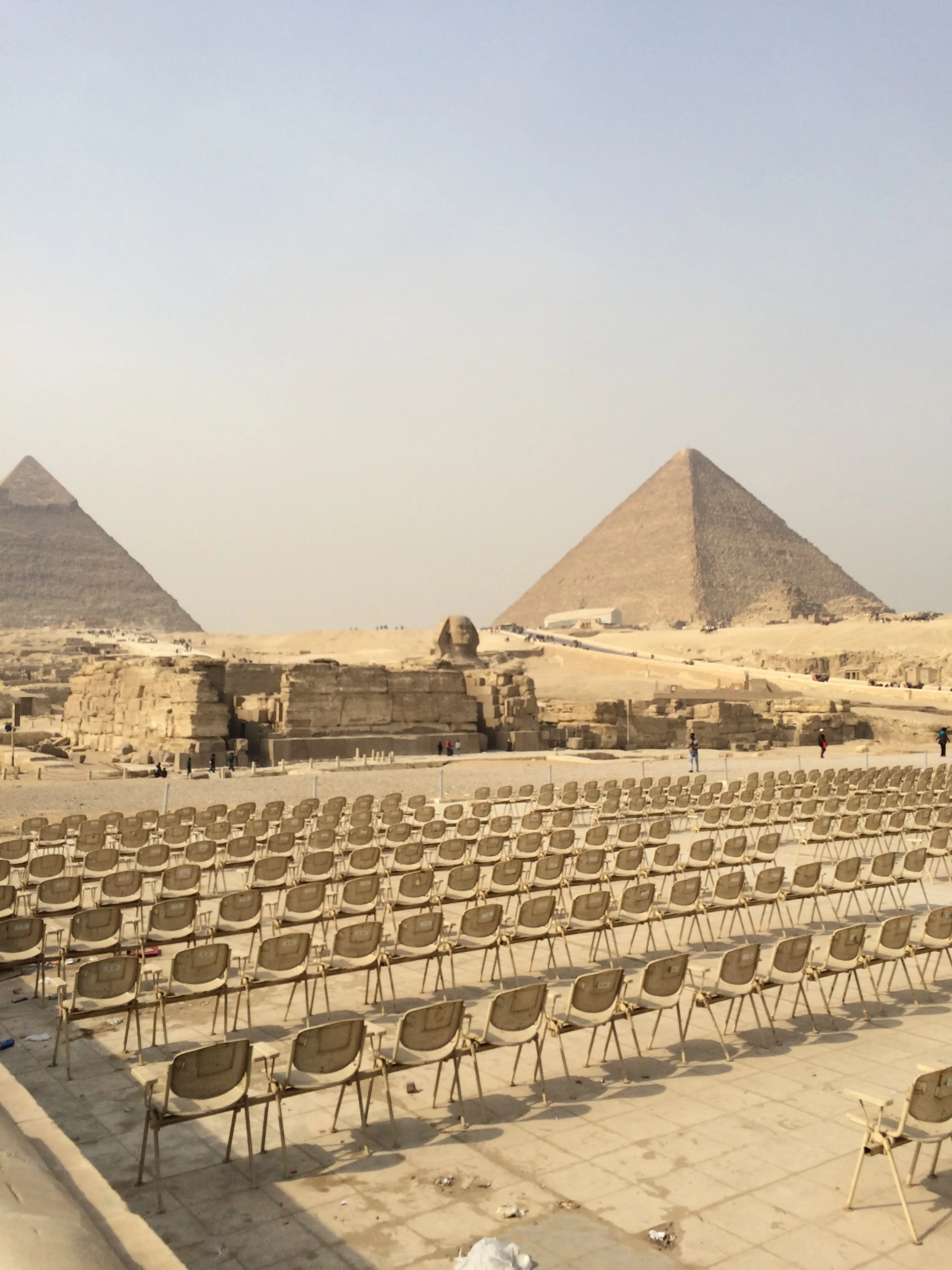
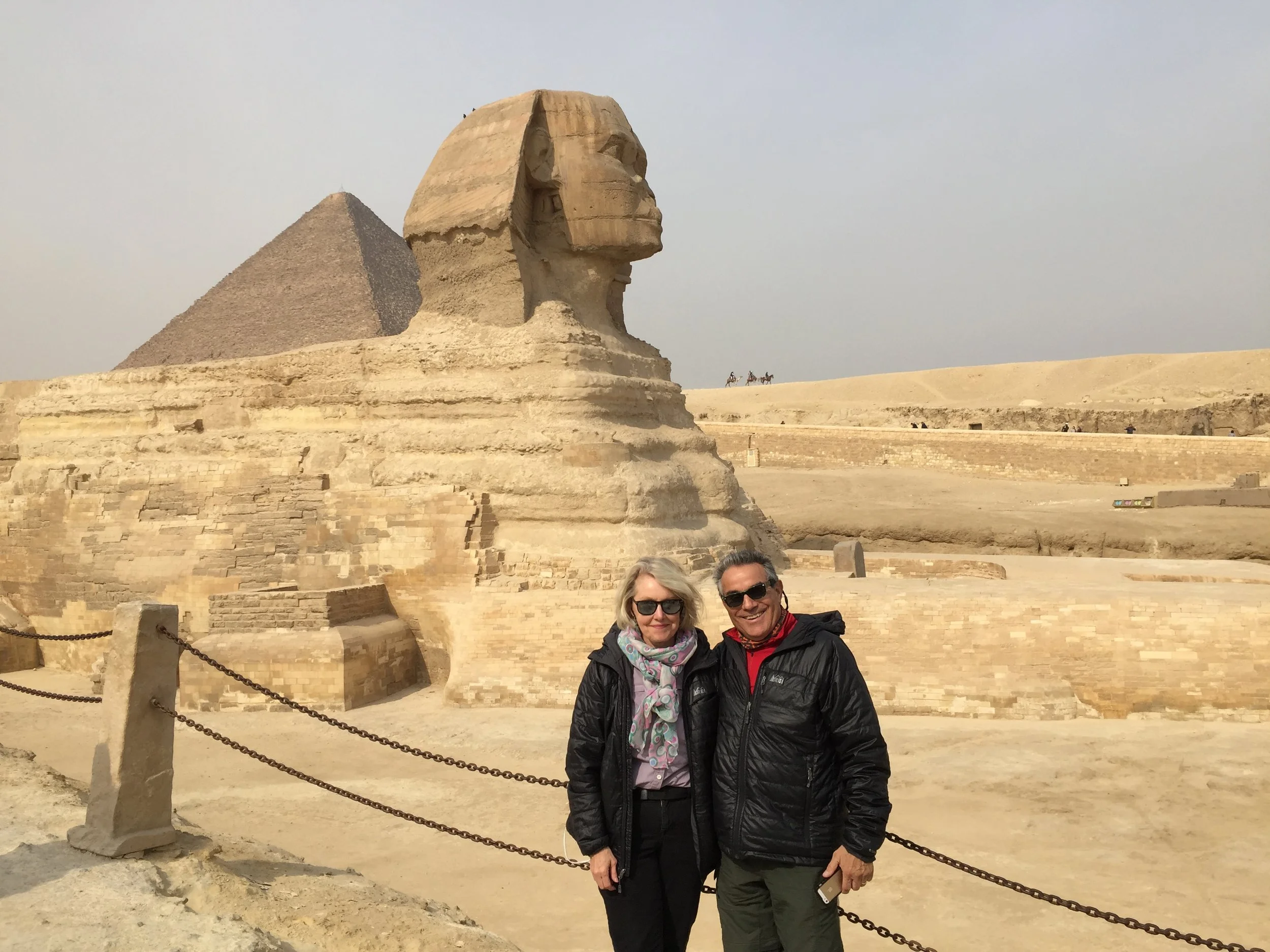
Next stop, The Sphinx. We completed this site by visiting the ancient entrance to the Khafre’s valley temple guarded by the Lion bodied Sphinx with the human face. This was impressive, even if not quite as big as expected. We were able to walk up the back of the Sphinx to get near its head. Originally, the Sphinx was the large main guardian of the walkway to the tombs which was aligned on both sides with a series of smaller statutes. The entry way was spectacular, but in partial ruins, and would have been over the top if intact.     

 This was a long day. We grabbed some Egyptian grub and started our bus trek to the next great archeological site in upper Egypt in Luxor. We were accompanied by a plain clothes policeman sitting in the front seat. He wore a suit, seemed very professional, but did not speak with us. We also had a local police escort for each district we drove through.  The trip was scheduled for 9 hours, a late arrival, but took 12 hours, arriving in Luxor at 5 AM. We had bus trouble from bad gas or some leaking on the expressway.  We were stranded on the side of the road awaiting service for several hours. However, within a short time of our break down we were joined by 6 additional police officers with M16's, they secured the bus using orange pylons and directing road traffic away from us.   Did we feel safe? we will talk about it later.

Finally, we checked into our hotel so late that the tour changed the itinerary with the instruction to be up and out to the bus again at 9 AM, so we could travel to the city of Aswan.  Talk about exhausted, but we pulled it together and got on the road to continue the adventure. 

Next Stop, Aswan Egypt

Morocco - The Modern Cities

07D2B14A-E461-49CE-BCB5-C3A2A8318F50.JPG

Fez

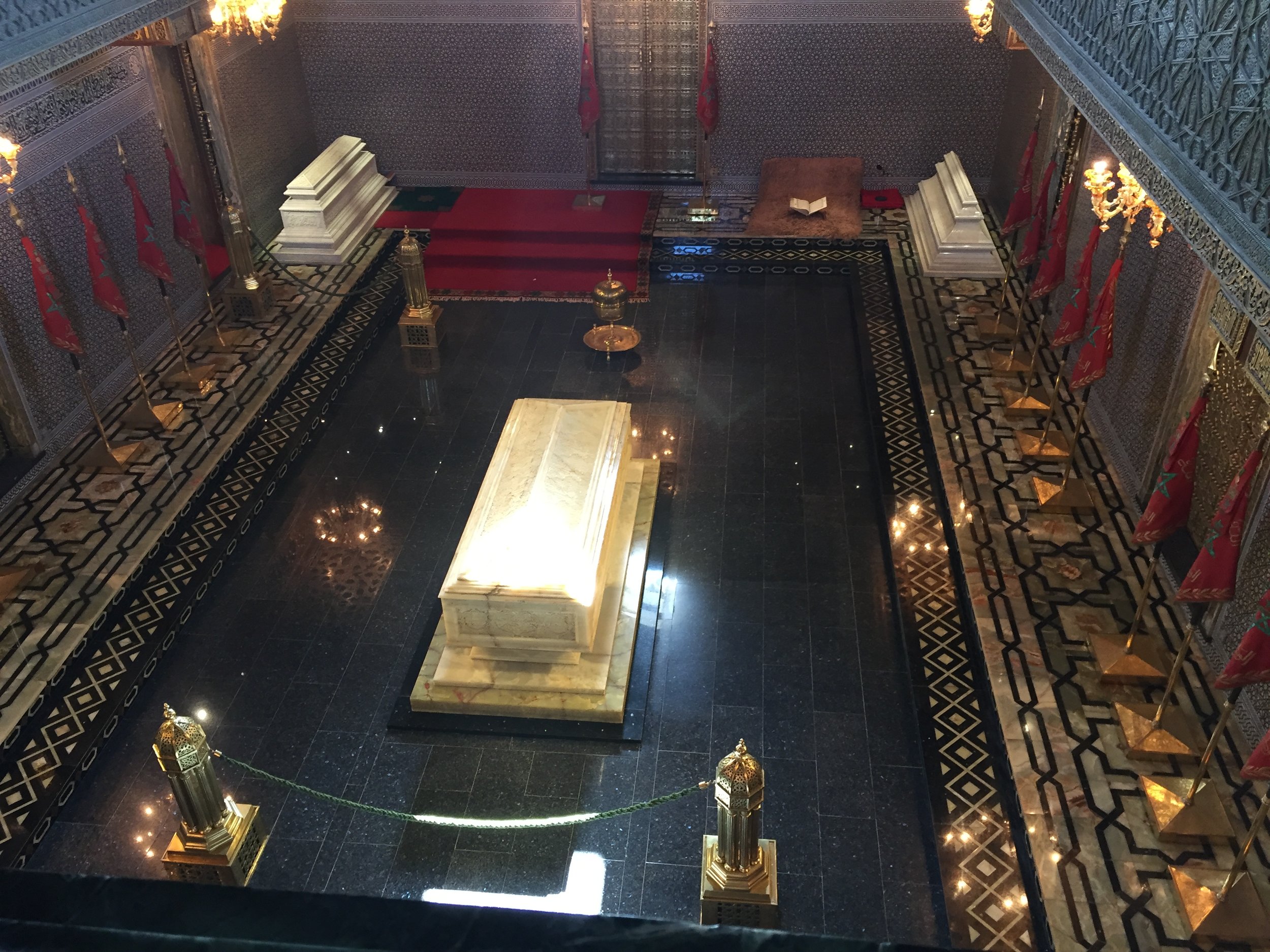
Today we depart Fez for the City of Rabat, the capital city of Morocco and the seat of government, if not the seat of finance and commerce in the country. This is a short drive and when we arrive a local guide shows us the most active of the Royal Palaces, where Muhammad VI and his family routinely live and are schooled. We then visit the Chellah Ruins where the ancient Romans had their fort and trading outpost next to the river, then Hassan towers, theOudayas Gardens, and finally King Mohamed V Mausoleum, a beautiful and intricate structure designed by a French architect , it houses the crypts of 2 kings and the late King V’s brother. This late King was the father of the current King VI.  Apparently, their governing styles are quite the opposite. The current King avoided the “Arab Spring” phenomenon by introducing new policies and advancing a new , more liberating constitution.  Portraits of King VI adorn every shop and store. He is loved by the people and by all our guides.   

Rick's Cafe

Casablanca

We arrive in Casablanca after another long bus ride. It is near dusk. We droveby the original “Rick’s Café” of movie fame with Humphrey Bogart. The movie was filmed in Hollywood, but the story was apparently based upon this american owned business. After settling in, our group walked the long waterfront and beach of this booming economic city. We are hungary and being left to our own devises find a British food chain popular with our friends called “Wok to Walk”.   Great oriental stir fry. While sitting there the powers goes out for 30 minutes. Our guide tells us that on that major street they turn the power off when the KingVI is driving his own car. Great story. Is it true?


The next morning we visit the third largest Mosque in the islamic world, called the Hassan II Mosque, designed by french architect Michel Pinseau. It accommodates 25,000 worshippers inside and 80,000 worshippers in the exterior courtyard. Men and women are separated but can attend at the same time. Each gender has its own ablution fountains. The minaret is 210 meters and is the highest in the world. It is said the structure is large enough to house Rome’s St. Peter’s Cathedral. The woodcarving and elaborate decoration is most striking.

Pano view of inside the mosque

The huge mosque

We then visit the neighborhood of Anfa, where the meeting of Roosevelt, Churchill and De Gaulle took place to negotiate the future independence of Morocco from French colonialism. Then off we go toward our starting point back in Marrakech   

great hotel in Essaouria

great hotel in Essaouria

Dinner at Travos Cafe, what a great group

Dinner at Travos Cafe, what a great group

Essaouria

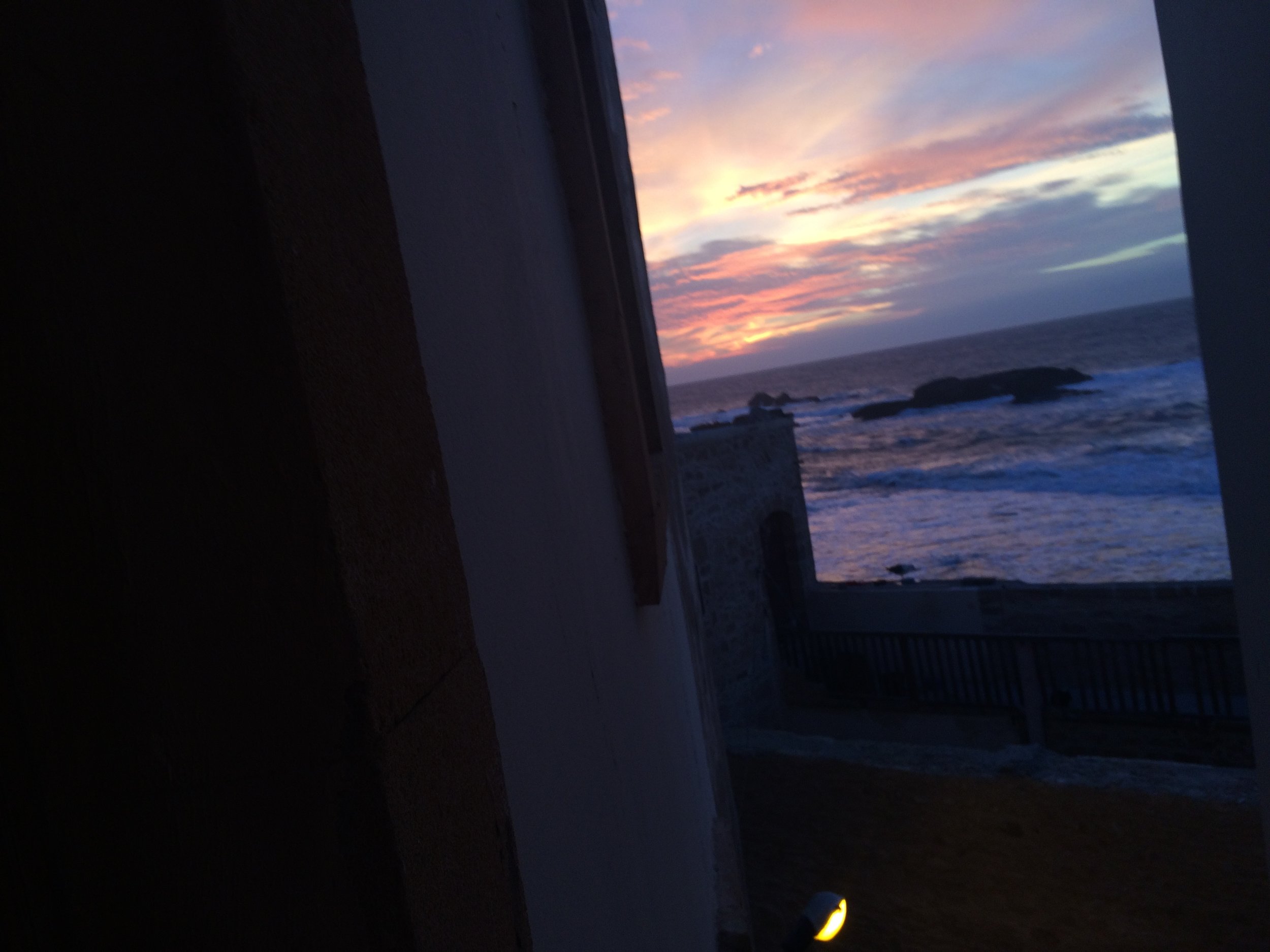
Our long drive is to the sea resort town of Essaouria, pronounced “essowherea”. This is a UNESCO world Heritage listed city. OMG! This is a small jewel like beach town with battering waves hitting the rock formations by the ancient fort and traditional Medina residences and market. Some towns just have that storybook atmosphere and this is one of them. This was originally a fishing town and the marina is still lined with working boats. There is also a long, flat, sandy beach for sun worshippers and constant winds making this locale a world class wind surfing venue with professional competitions, thus its own coined name of “windy city”. We walked the market streets of the Medina, which are wide, giving the feeling of openness. The gals favorite shop was this particular jewelry shop, with similar items priced much less than the Fez versions. Our hotel is traditional, but impeccable and for $30 Janet added a great one hour massage.   Our view of the water was great, see the pics below from the roof and our room. The night of arrival we ate and drank at a place called “Travos Cafe”, one of many roof top restaurants with live music that over look the water.  Great fun! We all wish we could have spent another night in this town. 

Marrakech

Finally, we arrive back in Marrakech. It is said this is the city where the Arab culture of the cities meet the Berber culture of the mountain villages. Historically, it was here that the sub Saharan Traders carrying gold, salt and slaves would trade their wares to merchants who would sell them to European markets. Our group visited these sites in the Djemaael Fna Square and also walked through another shopping maze of Medina streets on our way to and from the Bahia Palace. This palace was modeled after the great Al Hombre in Spain, with interior gardens, patios, and large private rooms and baths. 

The market of Marrakech

The market of Marrakech

Our group and Koranic tour guide

Our group and Koranic tour guide

Janet was not satisfied with stopping her ancient sites visit without a tour guide and convinced our touring friends to visit the ancient Koranic school building. She paid out $100 Dhs for this old monk kind of guy to show us around. He spoke enough english to repeat his bit about ten times as we travelled through the building. We all started to look sideways and shake our heads. Janet asked him to join our group photo. He agreed then surprised us by flipping on his hood that had been hanging down but only after removing his stored bag lunch. The guy was a hoot. 


We finished our evening by finding a third floor bar above a restaurant to enjoy some spirits,  reenact the tour given by the monk guy at the Koranic school, and just laugh. We got so comfortable with our 2 for 1 drinks that we just settled in for dinner and ordered what was suggested by our French hostess.   
We finished our evening by again walking through the square. We did not see and snake charmers, but it was a crowd filled area of activity. I think we all felt safe. Our Guide picked us up at the designated location and we completed the tour seeing great sites and making new friends.   

Final thoughts on Morocco

We debated going to Morocco considering the current world situation with Islam Nations.  We are so glad that we added this wonderful country to our trip.

We took a circular route around Morocco which is exquisite with its shorelines on the Mediterranean and Atlantic oceans, the Atlas mountain range through its middle and the Sahara Desert to the east. The Moroccans are quick to point out that this is north Africa, not the Middle East. The early ancestors (2500 BC) were nomads who may have been distant cousins to the Egyptians, but considered themselves “free people”. The Romans controlled the coasts but could not conquer the tribes that they called “barbarians” which later became known as “Berbers” as they still proudly call themselves. The Berbers are the original people of Morocco with their own language, arts and deities. They lived side by side Berber Jews and a smattering of Christians. It was not until the 7th century that the Ottoman Empire extended the Islamic influence from Mecca to north Africa, but not without a fight. The Berbers led by their warrior Queen Uqba drove the Islamic armies back to Tunisia. Later by the 8th century the Islamic faith had extended to Spain, surrounding Morocco and the religion was accepted diplomatically.
The third largest mosque in the world sits in Casablanca, however many Moroccans cities still proudly maintain large Jewish populations in the neighborhoods called “Mellahs”, coined from the translation of “salt business” historically run by the Jewish community. Important to note are the social and political reforms offered by the current King Muhammed VI, whom the people seem to love. Also, he is fostering renewed economic prosperity and new infrastructure to the country which is evident in the small villages as well as the large cities we visited. For example, we were told a new Ford Motor Co. plant was being built and that a recent law prohibits the wearing of Burkas in the general public to alleviate safety concerns.   What a great country with friendly people. We urge all people considering a trip here to go!  


Canyons in the Middle Atlas Mountians

Morocco - The Colorful Cities

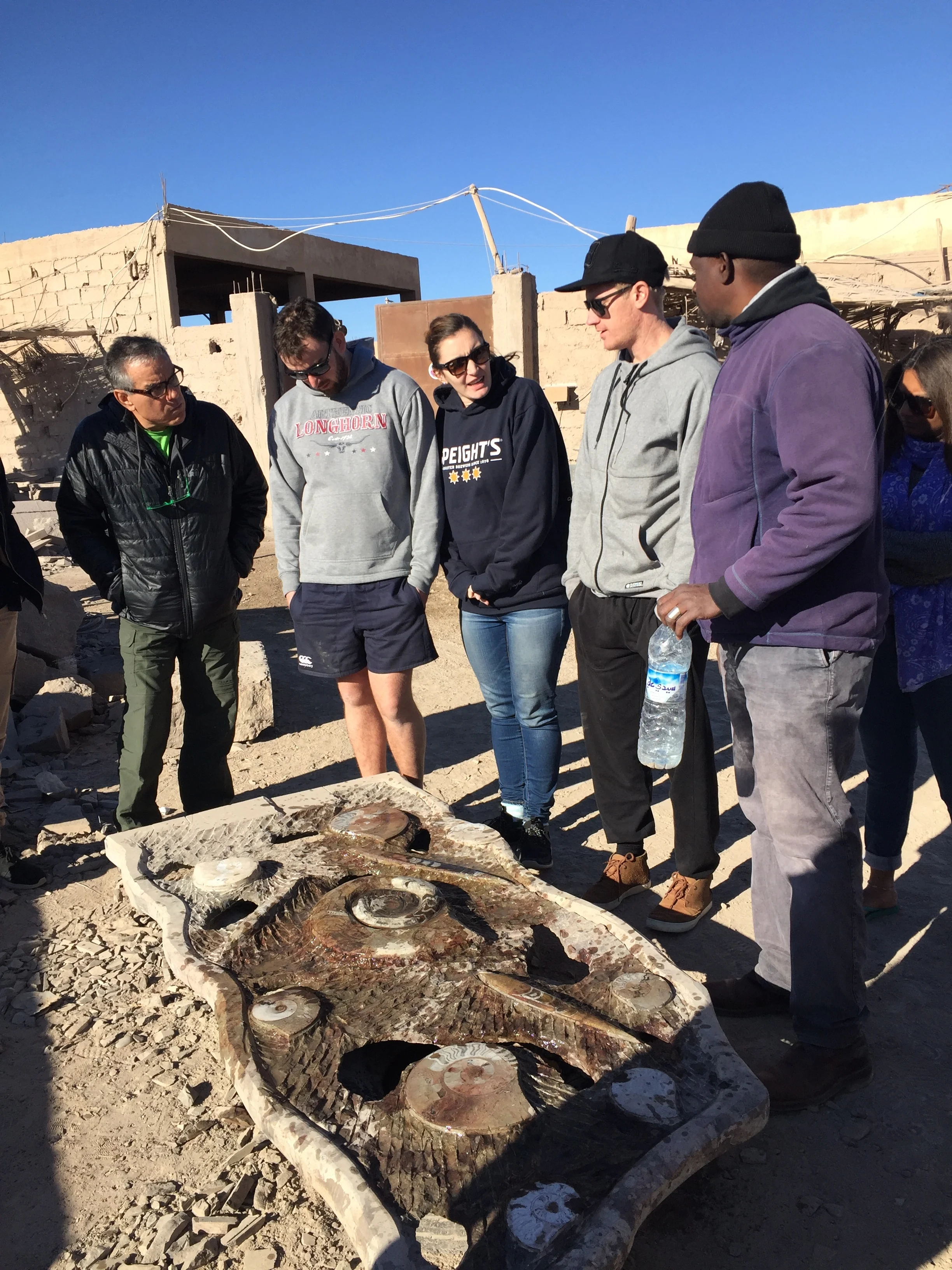
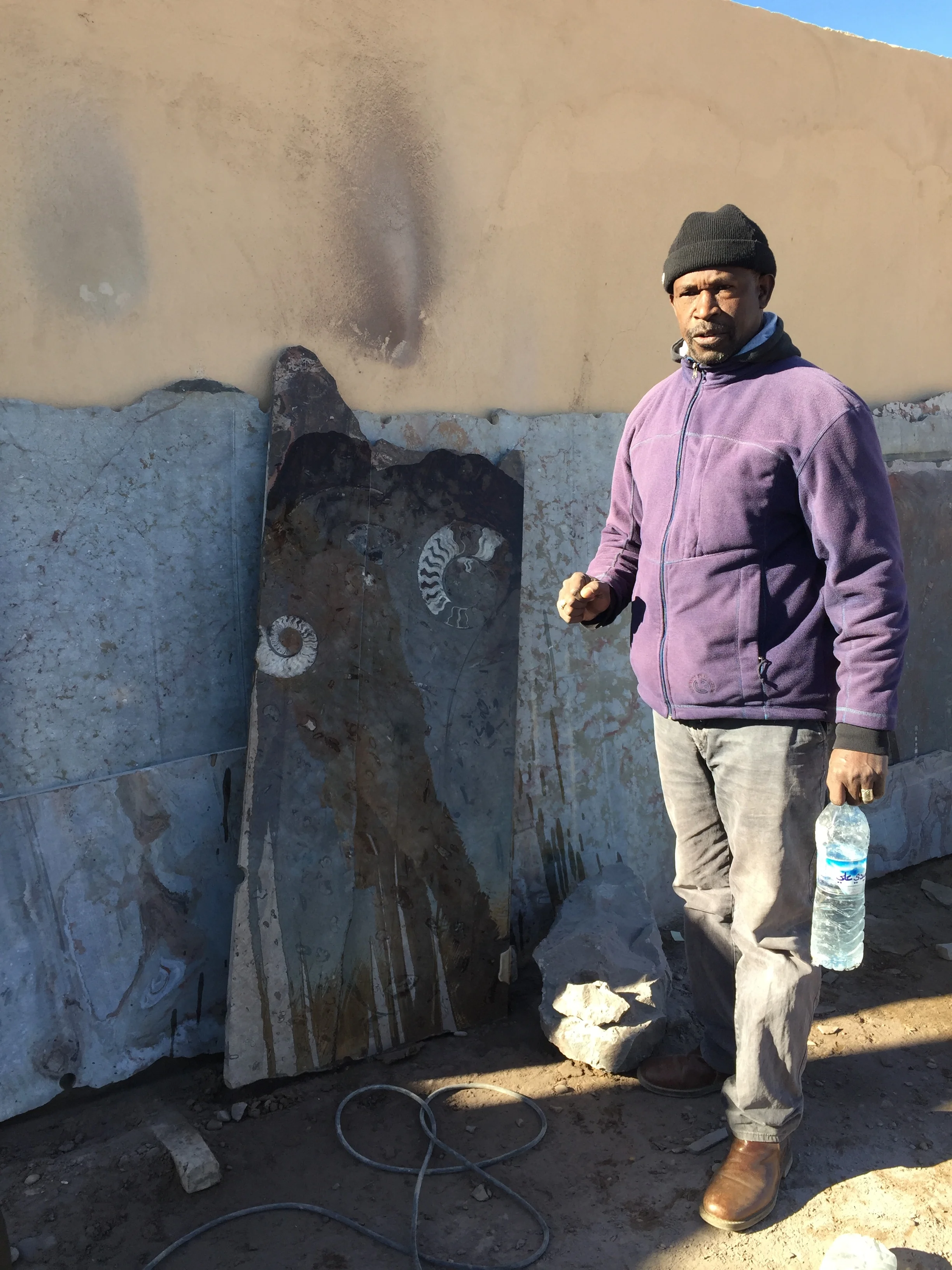
After our runs up and down the dunes, we began our longdrive to Fez aka Fes, the third largest city in Morocco. The group were all cackling about the craziness of the the Sahara. We all felt this was part of the Moroccan experience that we would not forget. This was a good drive, people were happy and we had some additional stops that had unexpected charm. First, we stopped at a stone work shop. This bone dry area of Morocco was once under the sea and you can find many fossils of early animal life. We had actually stopped to see these figures on the earlier Jeep ride. This Shop cut large pieces of stone and then chiseled around the fossils to bring out these 3 dimensional figures for unique furniture and art pieces. We did not buy a piece, but as we write about this experience we rather regret not doing so.
Back on the road, we drive through a range of landscape, from dry, flat desert to rolling green hills with trees. As we drove, Janet brought out the the computer app game called “94”, like family feud, and the group was well entertained. This was a fun group.

248A3CFE-6889-4303-AB3E-9B9B7530ED6A.JPG

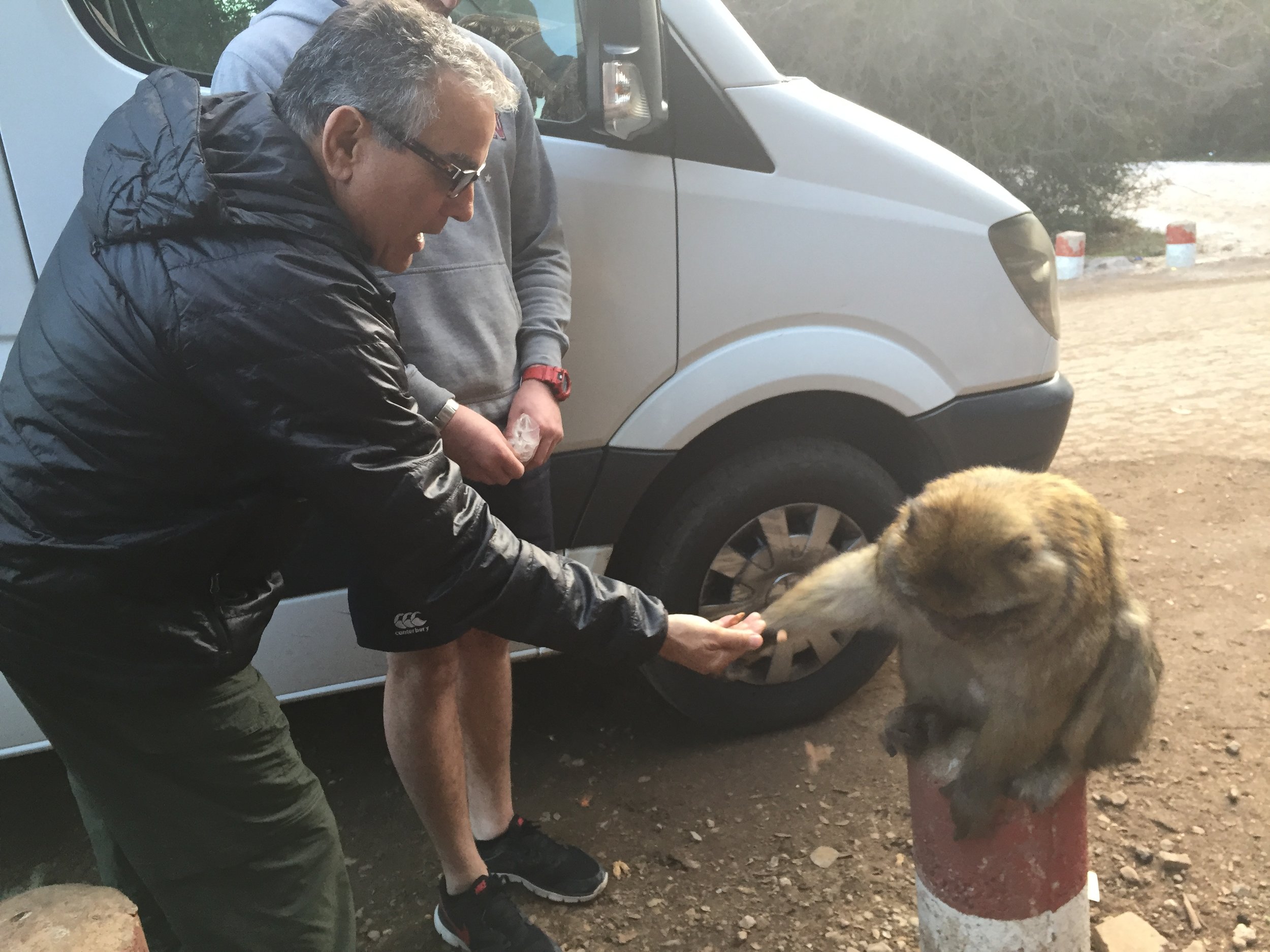
We stop at one wooded area to feed the monkeys. They are large and fat from the food offerings, which they will take directly from your hands. These animals are far bigger than the monkeys we fed in the Amazon so many weeks ago. We drove a little further and stopped for coffee at the university town of Ifrane, which looked like a Bavarian city. One of the nearby resorts apparently hosted the first lady and her daughters. Another surprise, the city was still lite up with christmas lighting.
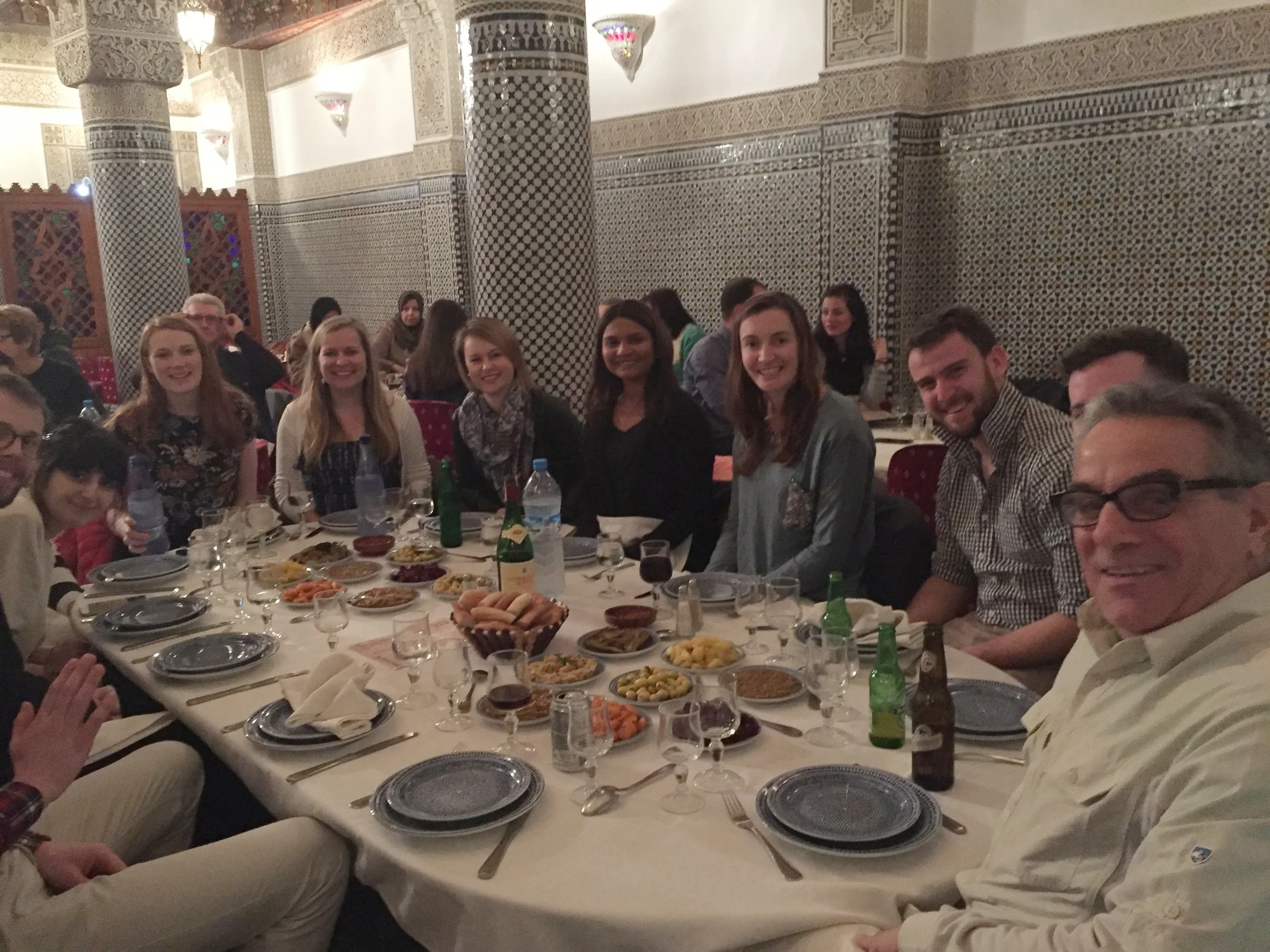
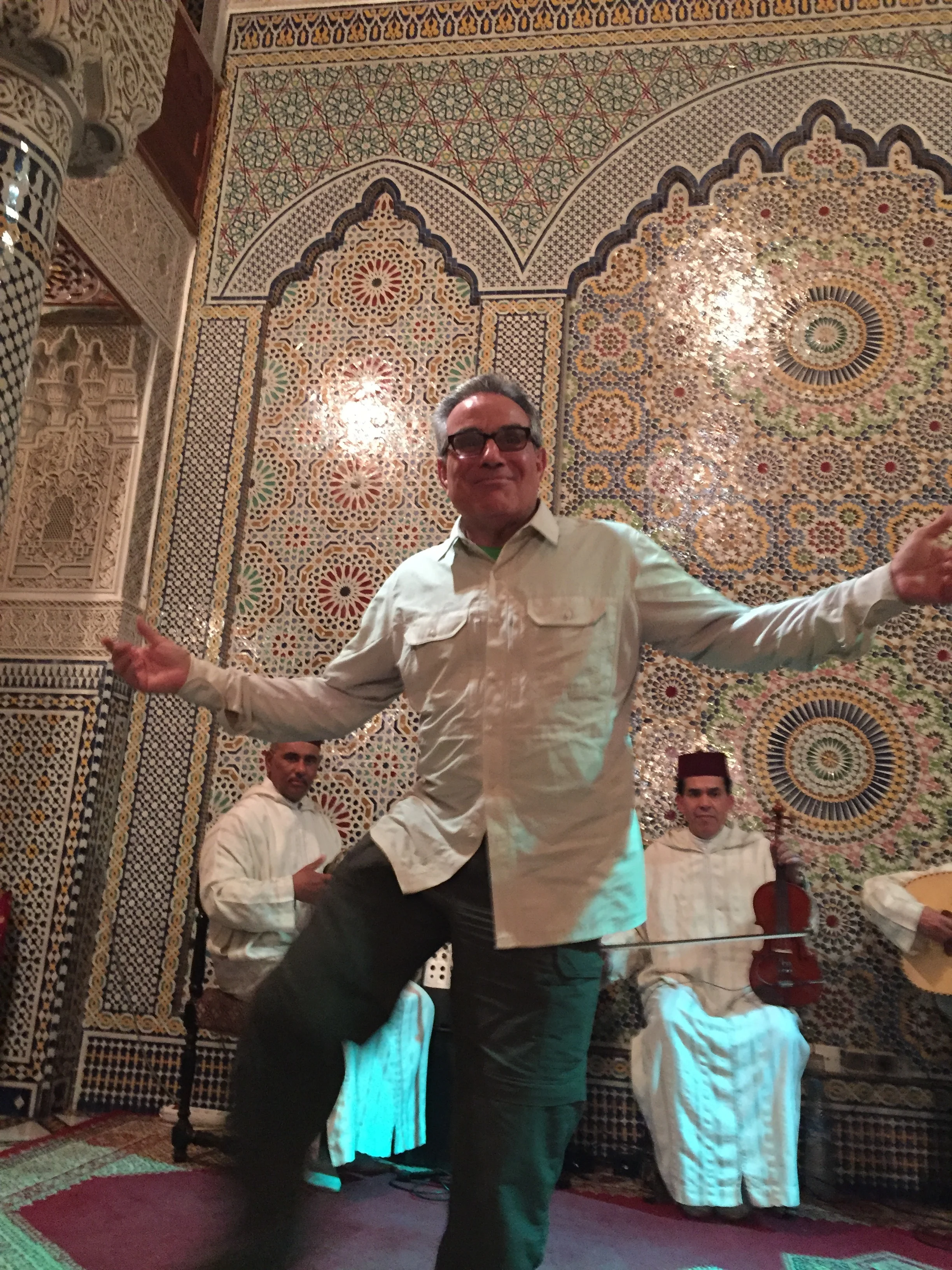
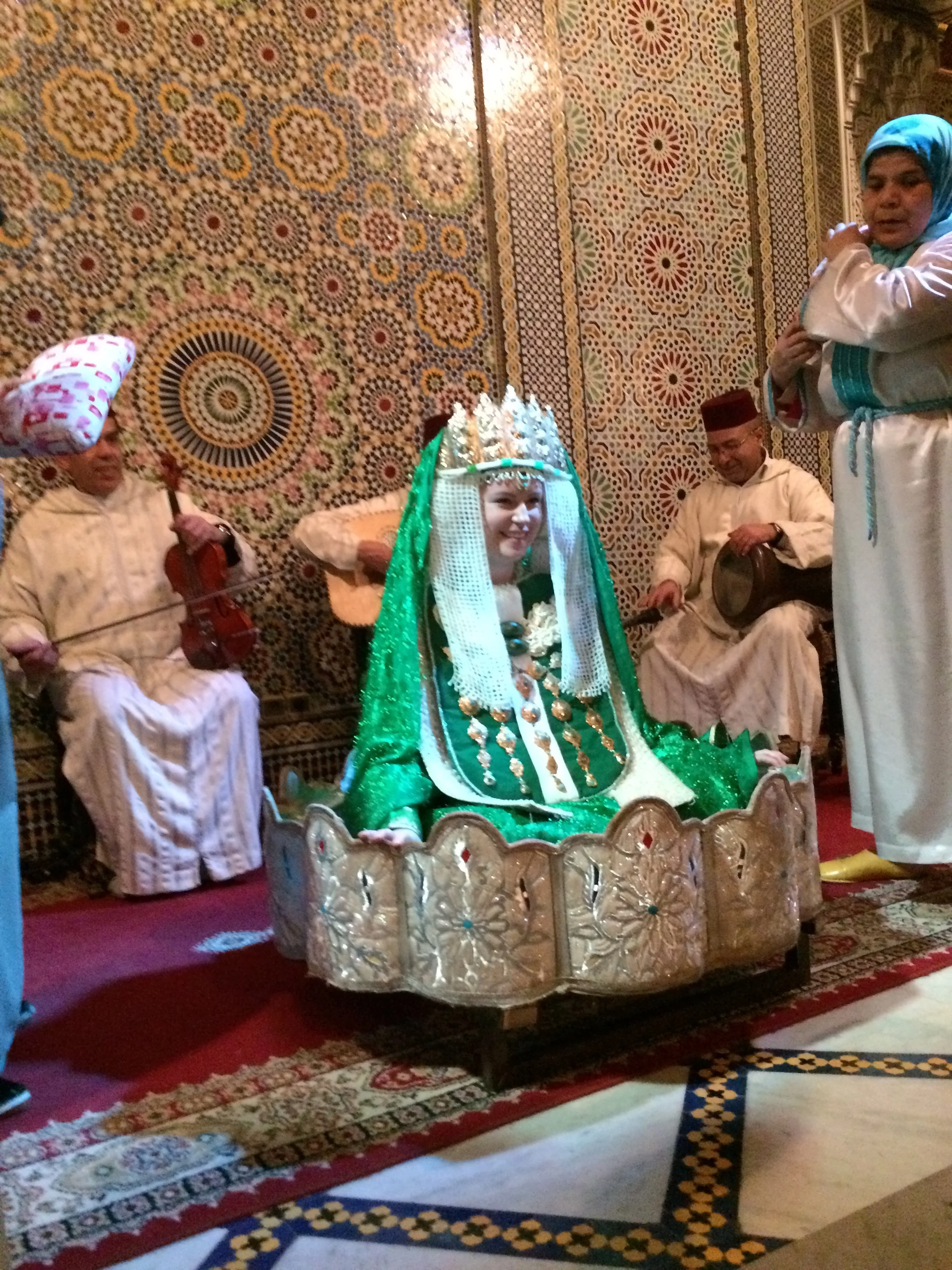
We finally arrived in Fes aka Fez late at night, but not to late to go out for a traditional dinner at a supper club with musicians, belly dancers, and audience amateurs. The amateurs were of course our fun loving group. Frank and friends gyrated with the belly dancer, and others in our group participated in a mock wedding ceremony where the brides were lifted to their shoulders. I think our fellow American, Matt from U of Chicago, might be wedded to 2 of our Australian gal pals, at least that was the joke of the evening. The food was good and entertainment amusing. 

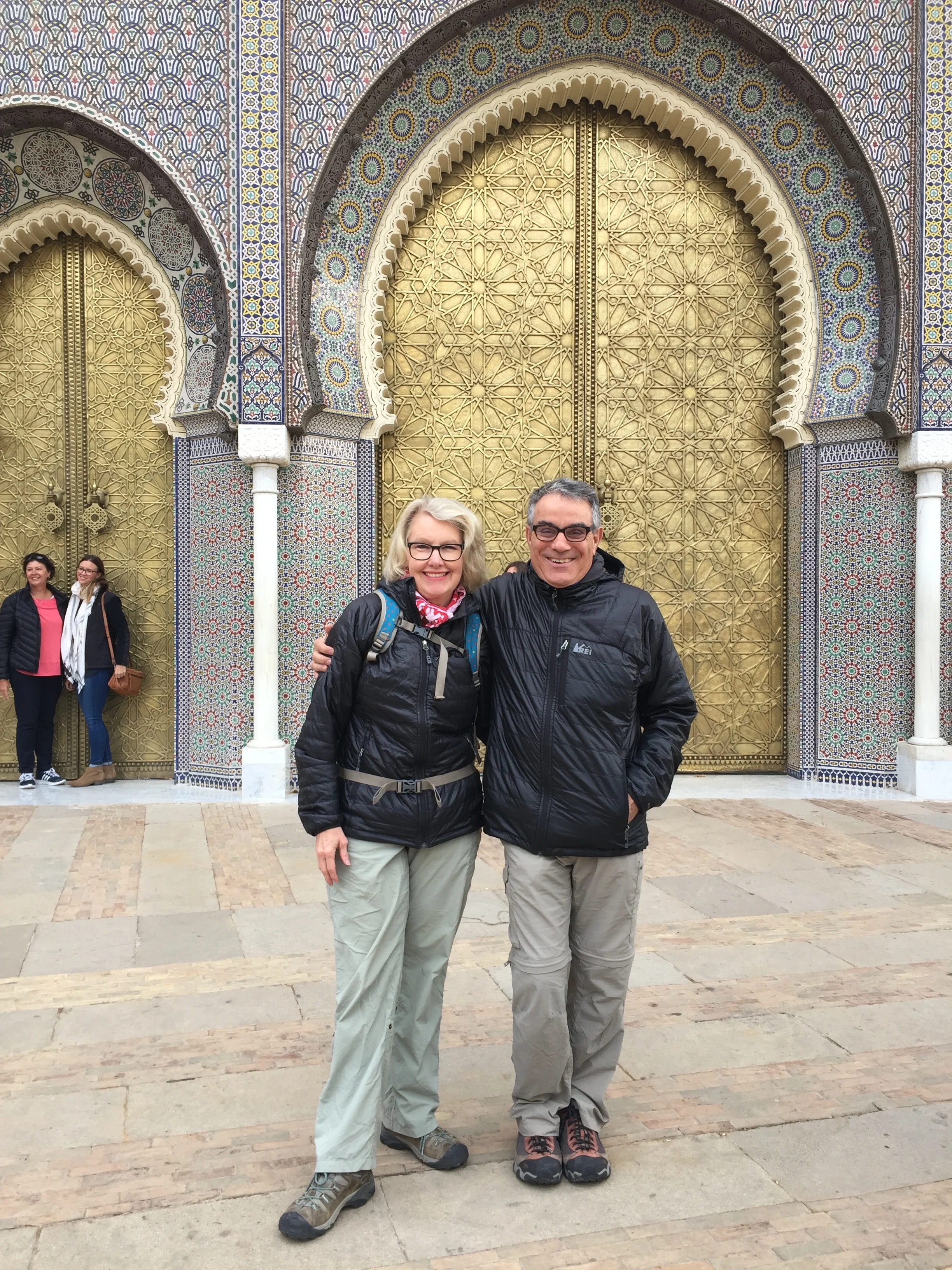
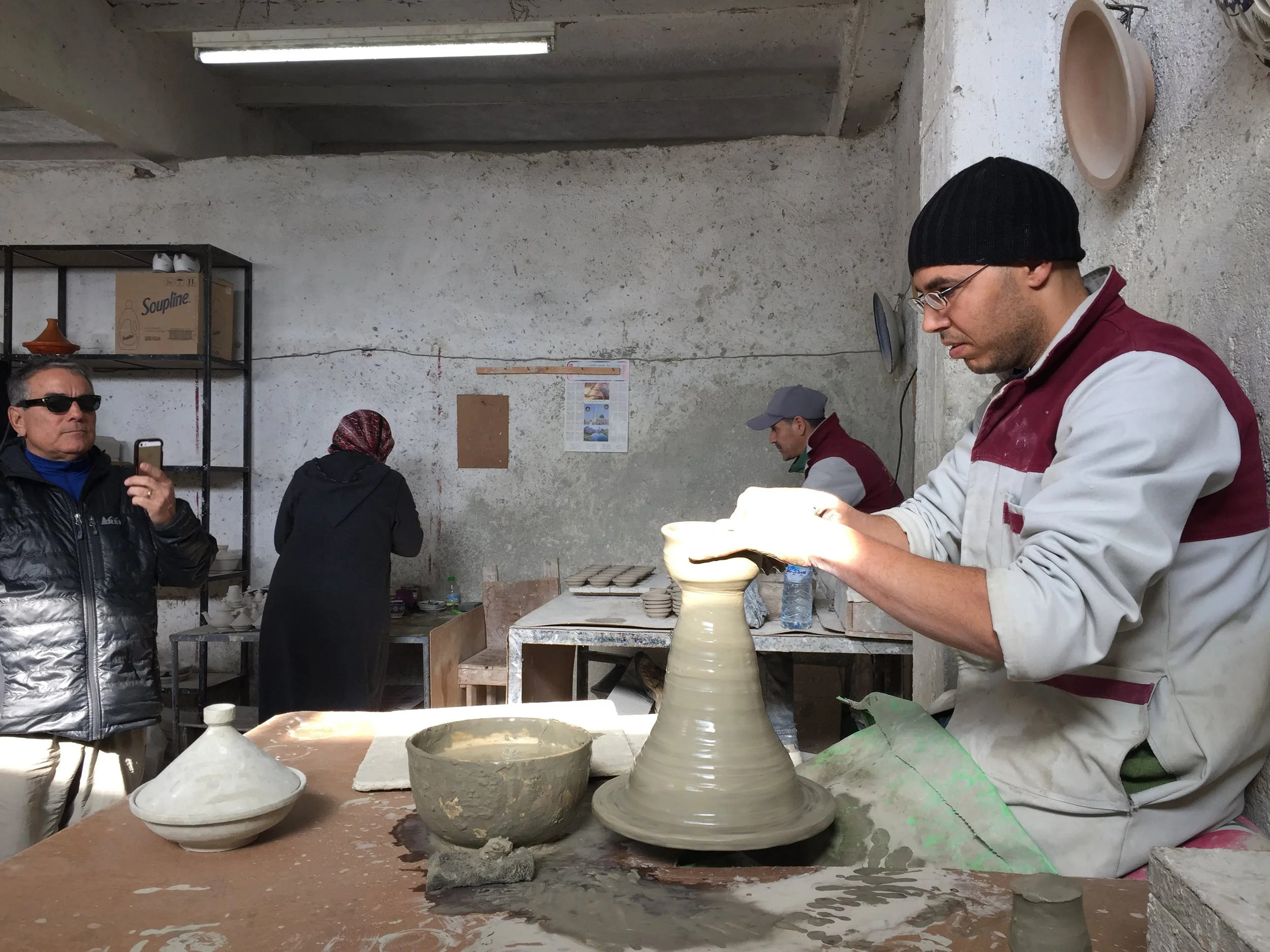
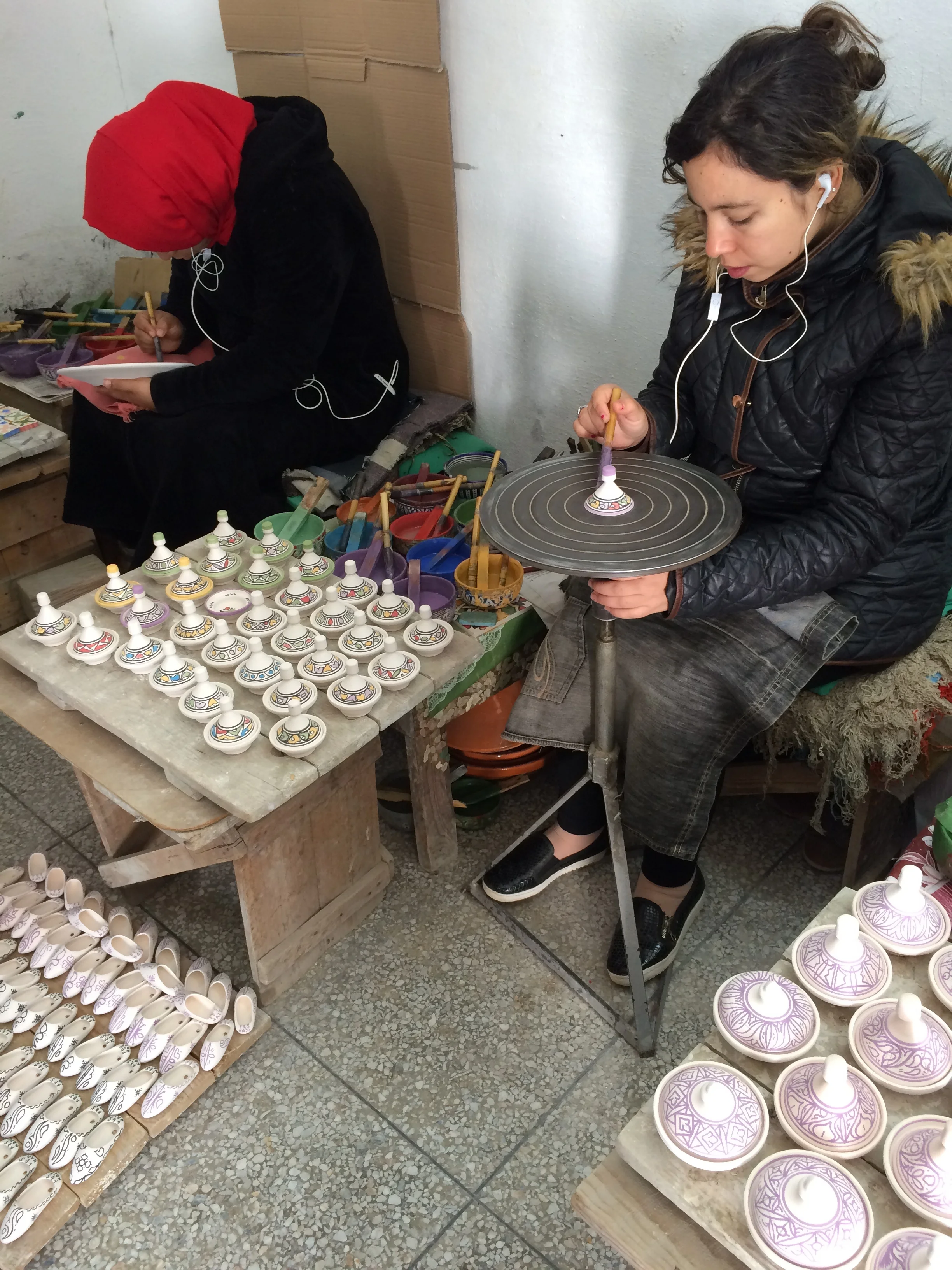
The nextmorning we met up with our local guide who instructed us on the King’s palace, one of 43 palaces, then thenorth fortress which faces the south fortress, and finally the Medina. The Medina is the ancient shopping district of the ancient Fez that still operates in full force today. With 10,000 narrow streets, mostly useable by hand carts only, that lead to different concentrations of products is a city of its own. Our group was ushered into factories and shops with such goods as, tanned leather, woven silks, painted pottery and mosaics, carved metal plates and pots and ornaments, some jewelry too.

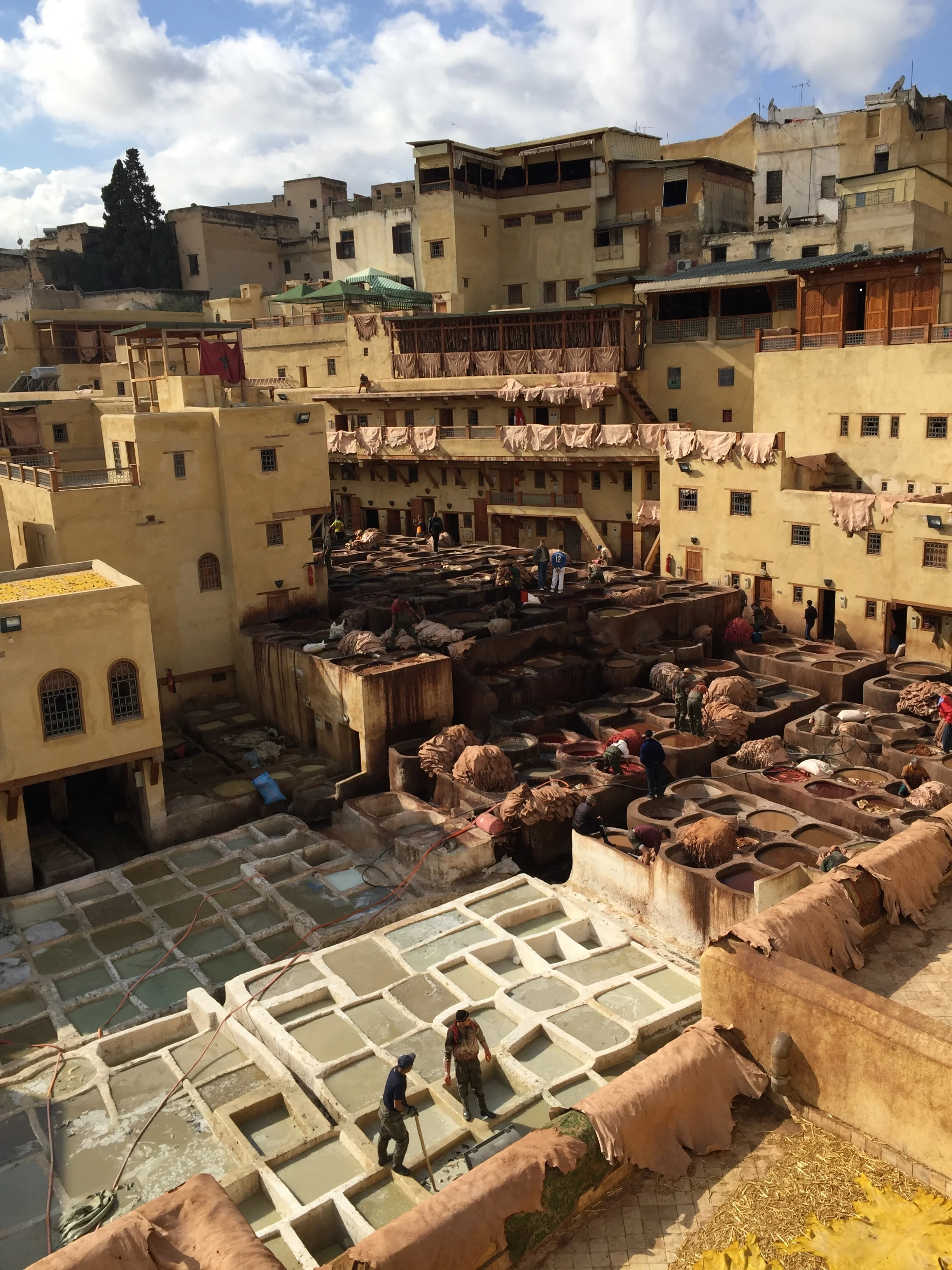
The tannery we visited and smelled could not be forgotten. We were offered mint leaves to inhale as we stood on the roof overlooking the processing area. Men with rolled up pants or shorts stood in large vats of color, purportedly from natural plants, and submerged and flipped the animal skins. The odorous smells came mostly from the mixture of acidic pigeon excrement and fluids in which the skins were first placed to break down and soften the sinews of the hides. The assortment of finished products, such as coats, brief cases, suit cases , hats and belts, were impressive.

The tannery of Fez  

The tannery of Fez  

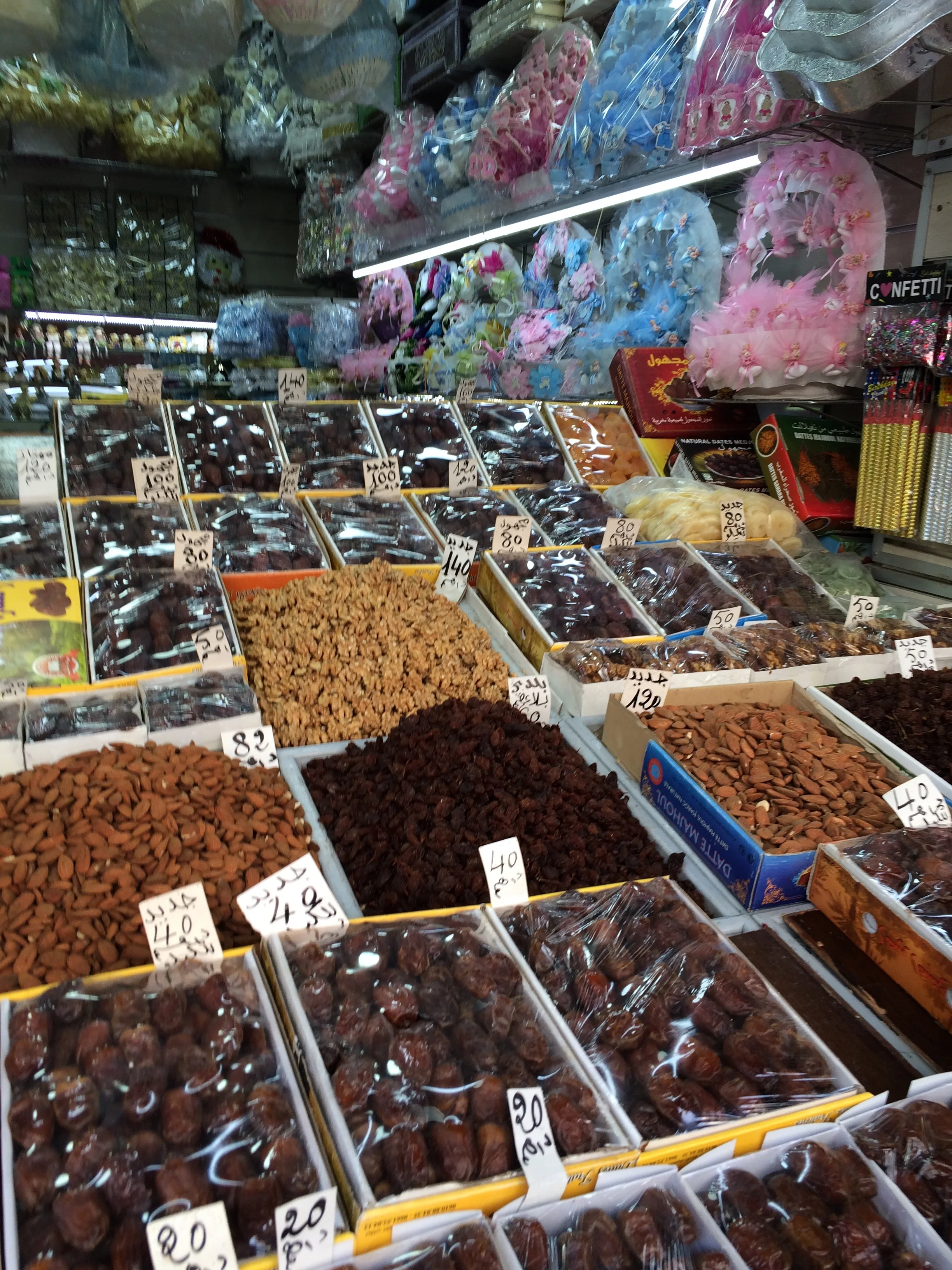
The weavers shop was also very interesting, with 2 looms being operated for show. This shop sold table cloths, scarfs, and coats. We negotiated the purchase of 2 silk scarfs which will top off any of Janet’s wardrobes.  As we walked we saw butchers stands with hanging meats, hine quarters and goats heads. Other vendors sold live snails, grains, dates and nuts, cakes. Wood workers made wedding stands where the Bride is lifted to shoulder height by her entourage.
That night our group again displayed their various purchases from this ancient shopping area that still operates at a fanatic pace every day.

We got up really early, 5:45 AM, to get to breakfast and then trek to the city of Chefchaouen, also known as the Blue City. The restaurant was kind of a mad house as a large Japanese tour group was leaving for another city. As with bigtours, you put your luggage outside the room door and the attendants move them to the bus. Our little group of 11 are quick moving. We sling or roll our own stuff into the back of our 15 space van and nestle in. That's what we did today as we drove to the Blue City, 4 hours away, joking about Matt’s wedding . The terrains is very different from the dry red sand of the south. Here it seems like Portugal, with criss cross colors of the field where produce grows. All the landscape is green. We passed a particularly pretty olive tree orchard of large bush trees in perfect rows surrounding a lovely Kasbar type home of pink walls.


As we then drove by the orchards of oranges, our guide had the bus stop and we all stepped out in the morning sun for a roadside snack of fresh large, beautiful oranges from a stand.    Peal and eat with sticky juices running down our fingers; lick, lick ,munch munch. This was a nice unexpected treat. Our guide, Badr, was always doing little extra things that made the trip more memorable and fun. The night before he took some of us to a local eatery for moroccan fast food whichturned out to be the well known and much liked shawarma sandwich with fries and coke for $3 bucks. He also walked some of us to a small liquor shop to replenish beers and wine for our own pre dinner happy hour. Great guide, and very knowledgeable as he had studied economic geography at the university.

Chechaouen - The Blue City

IMG_3814.JPG

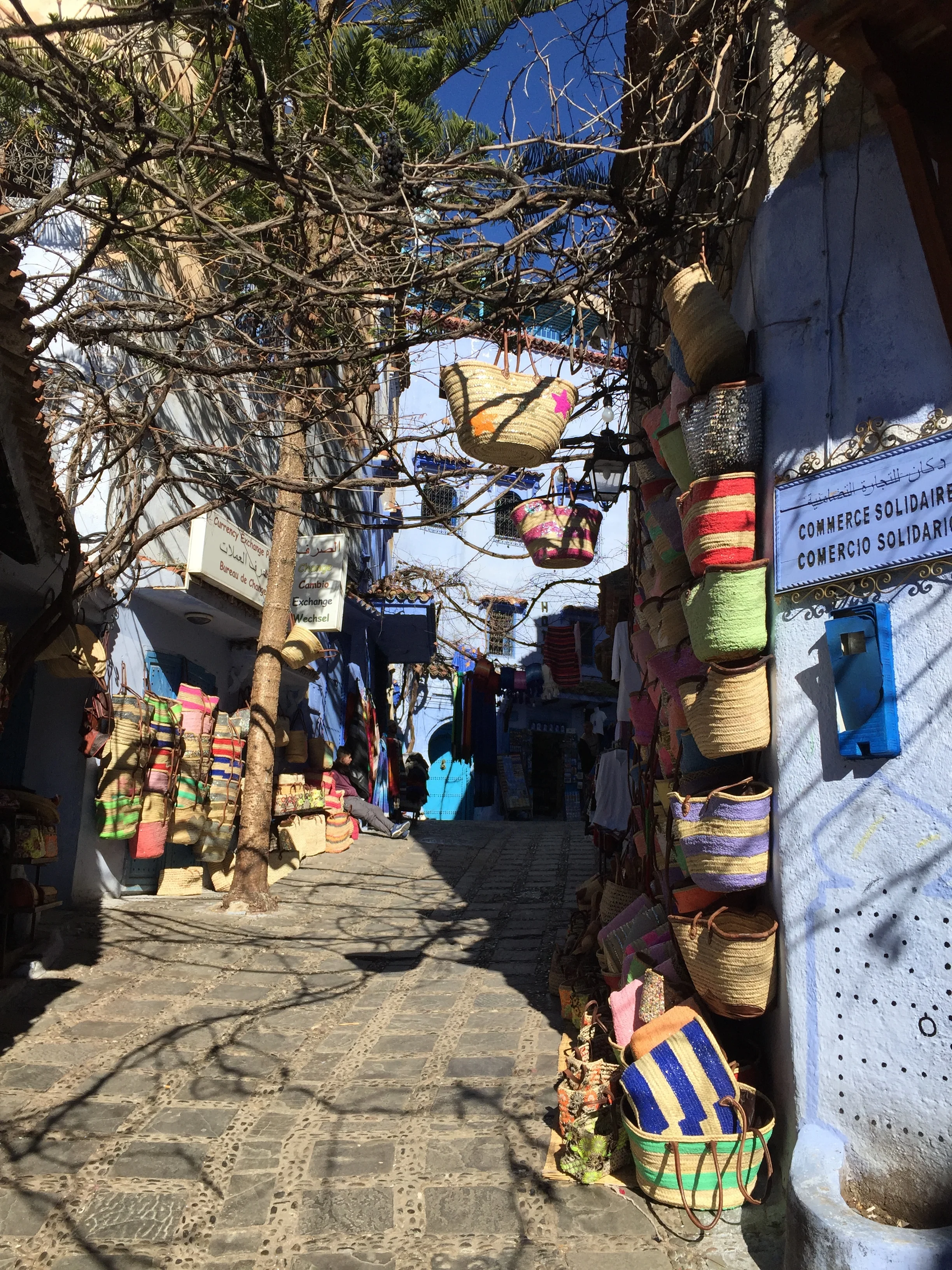
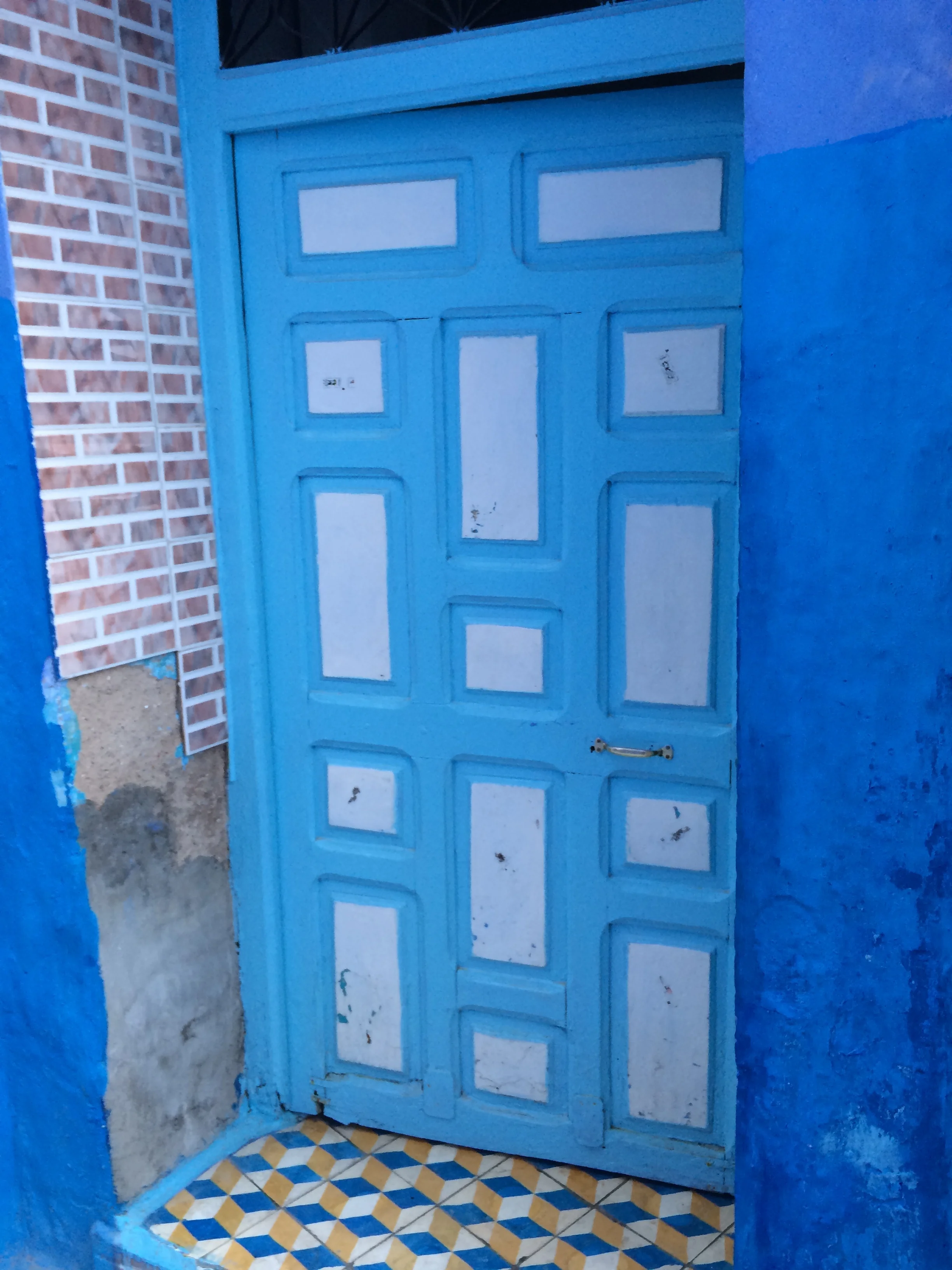
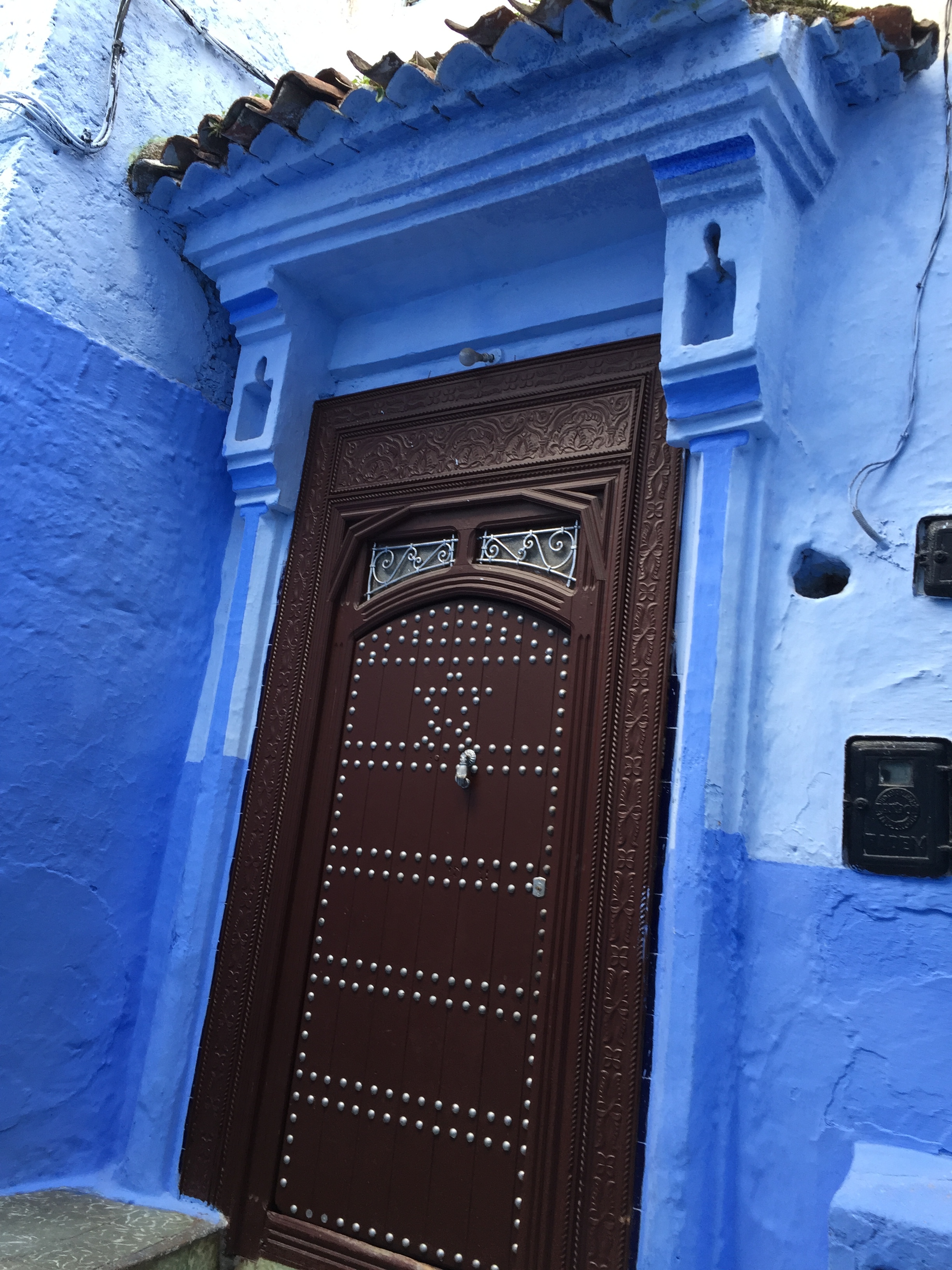
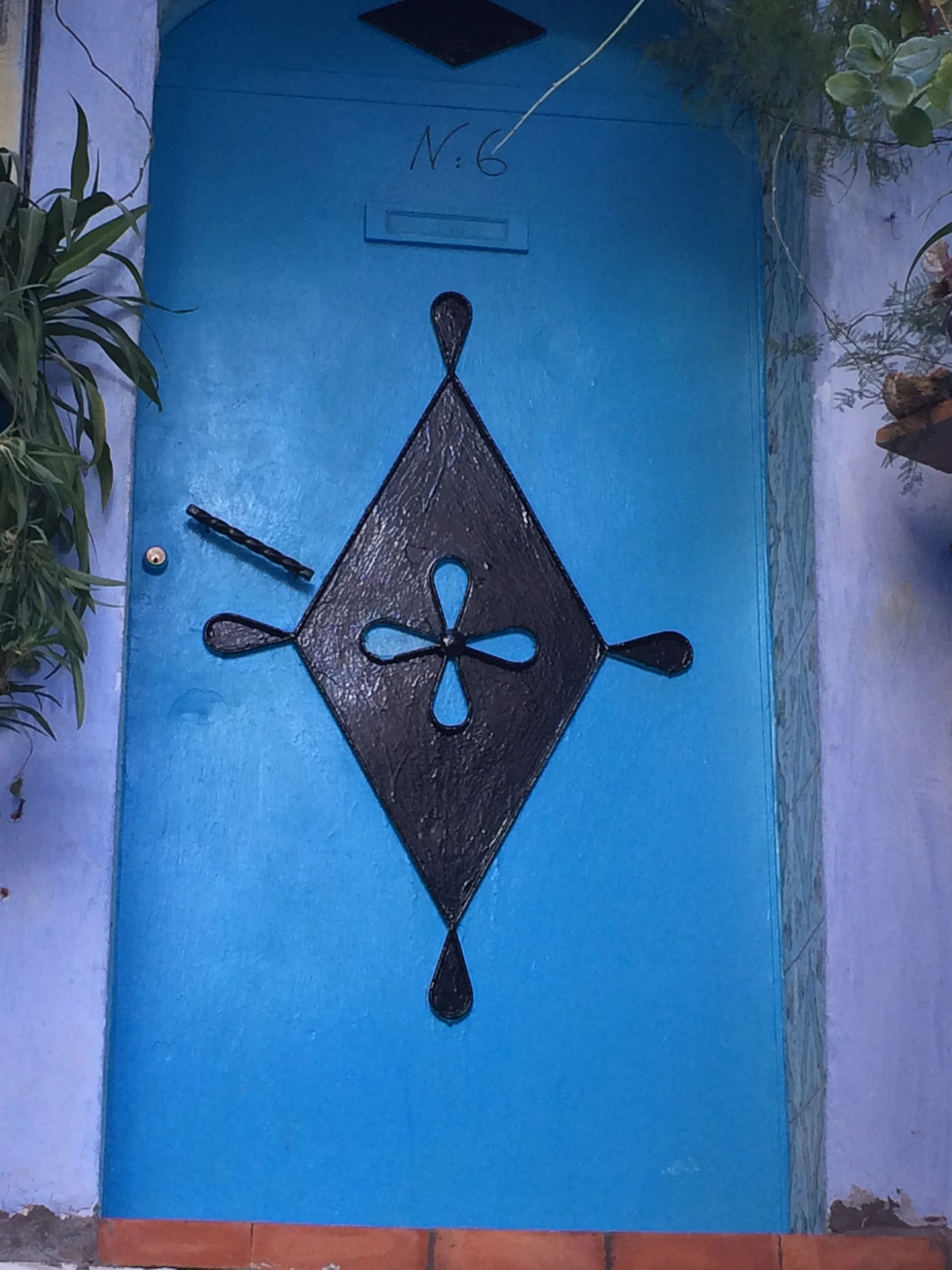
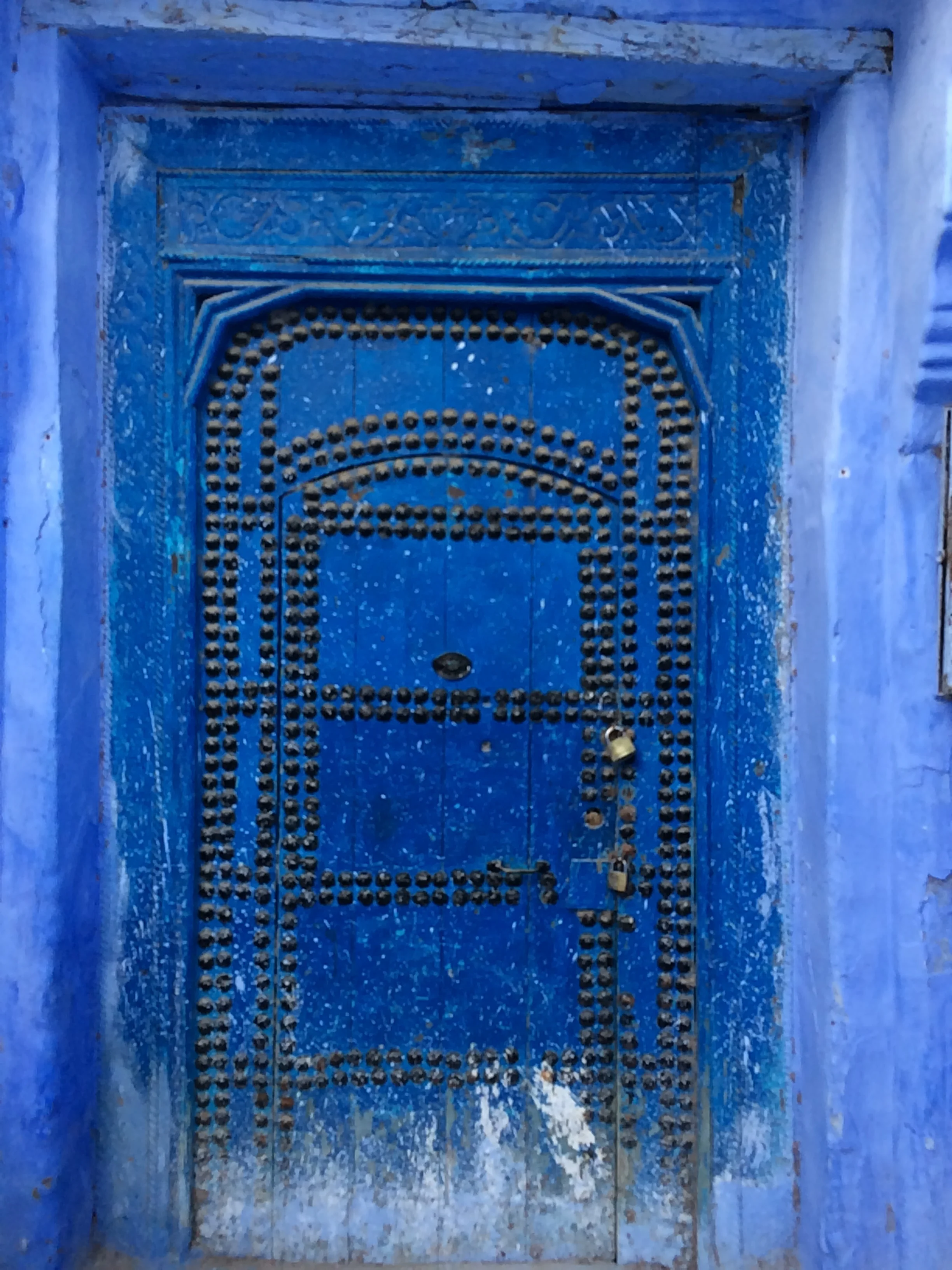
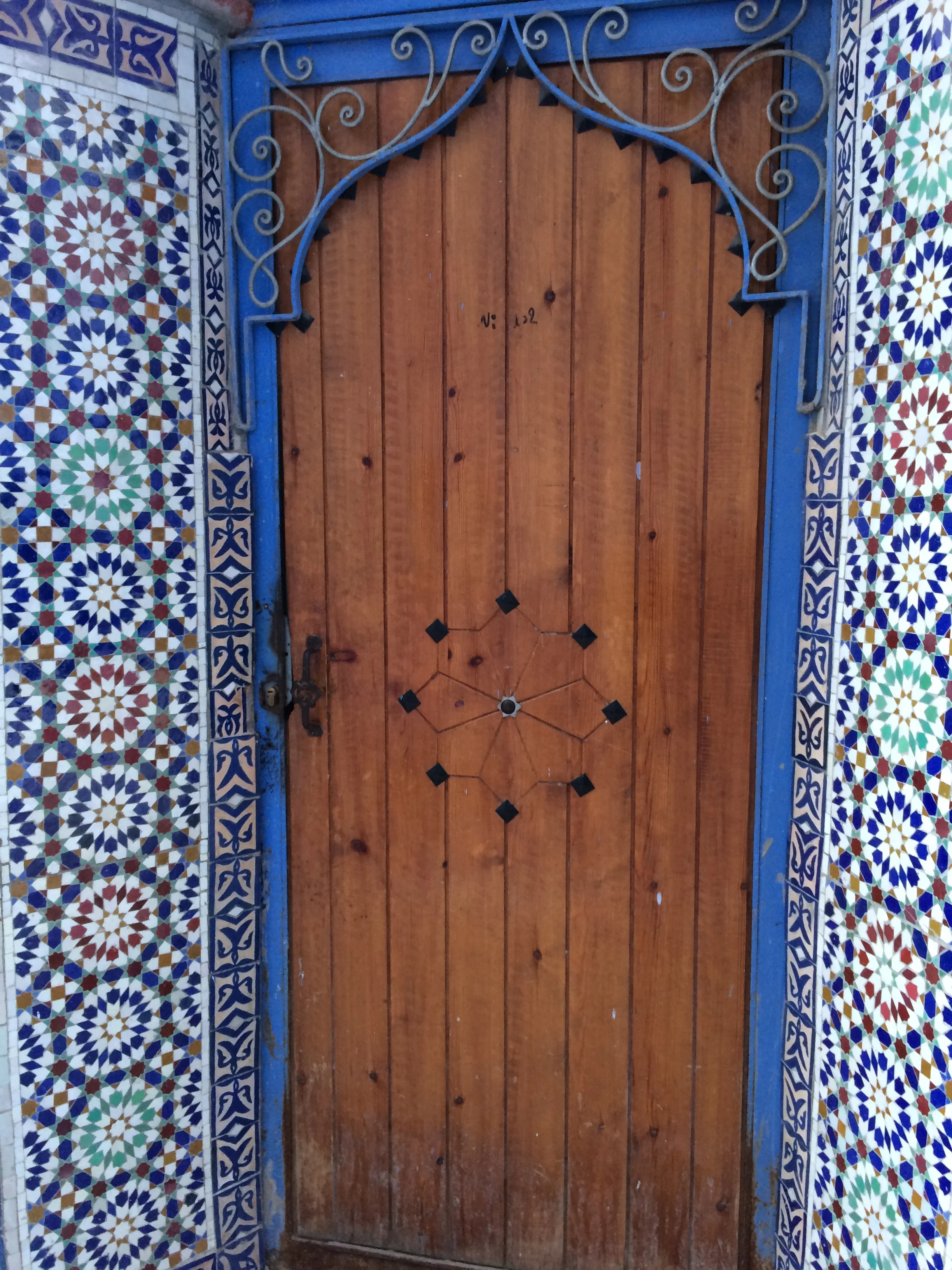
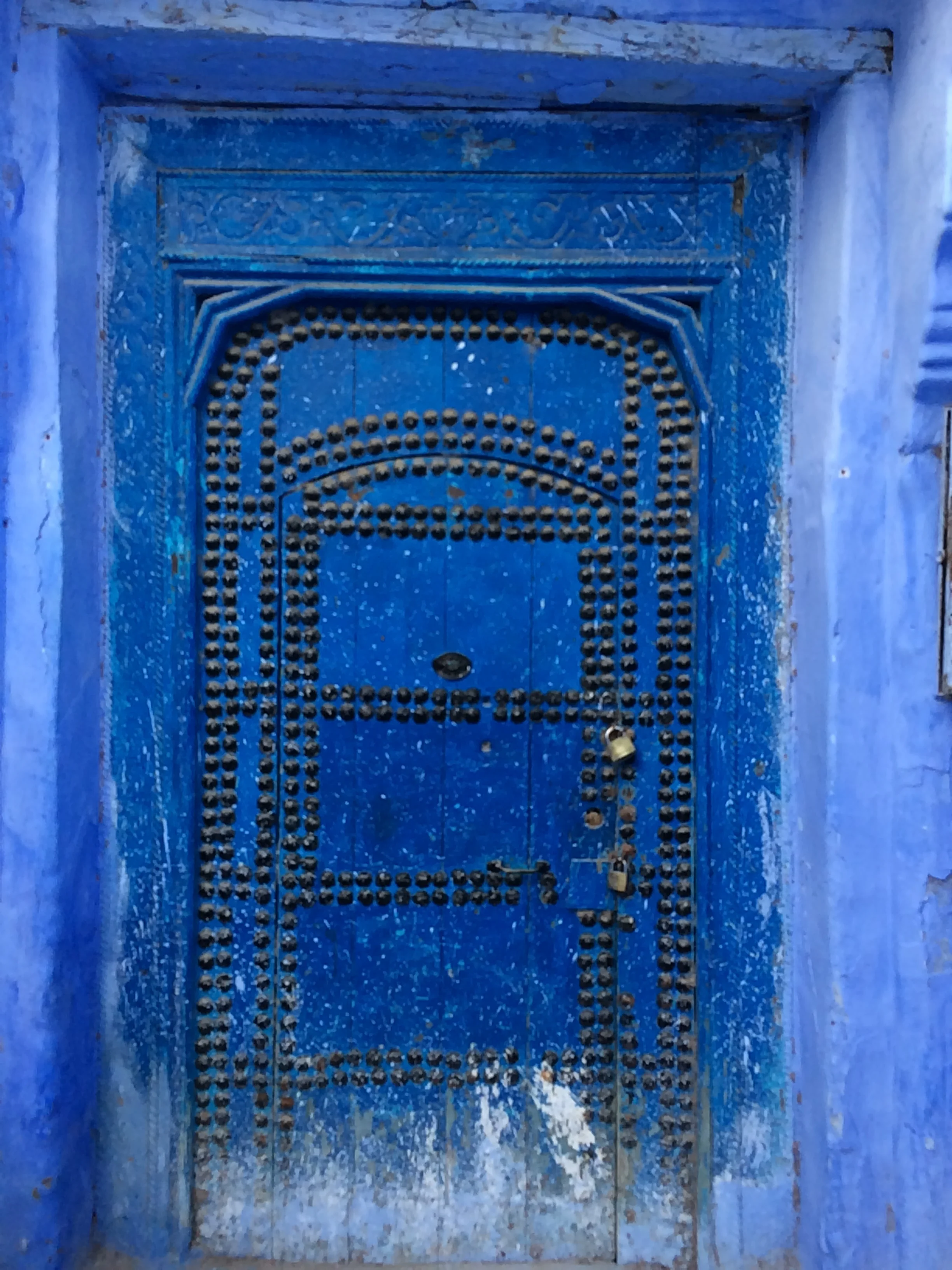
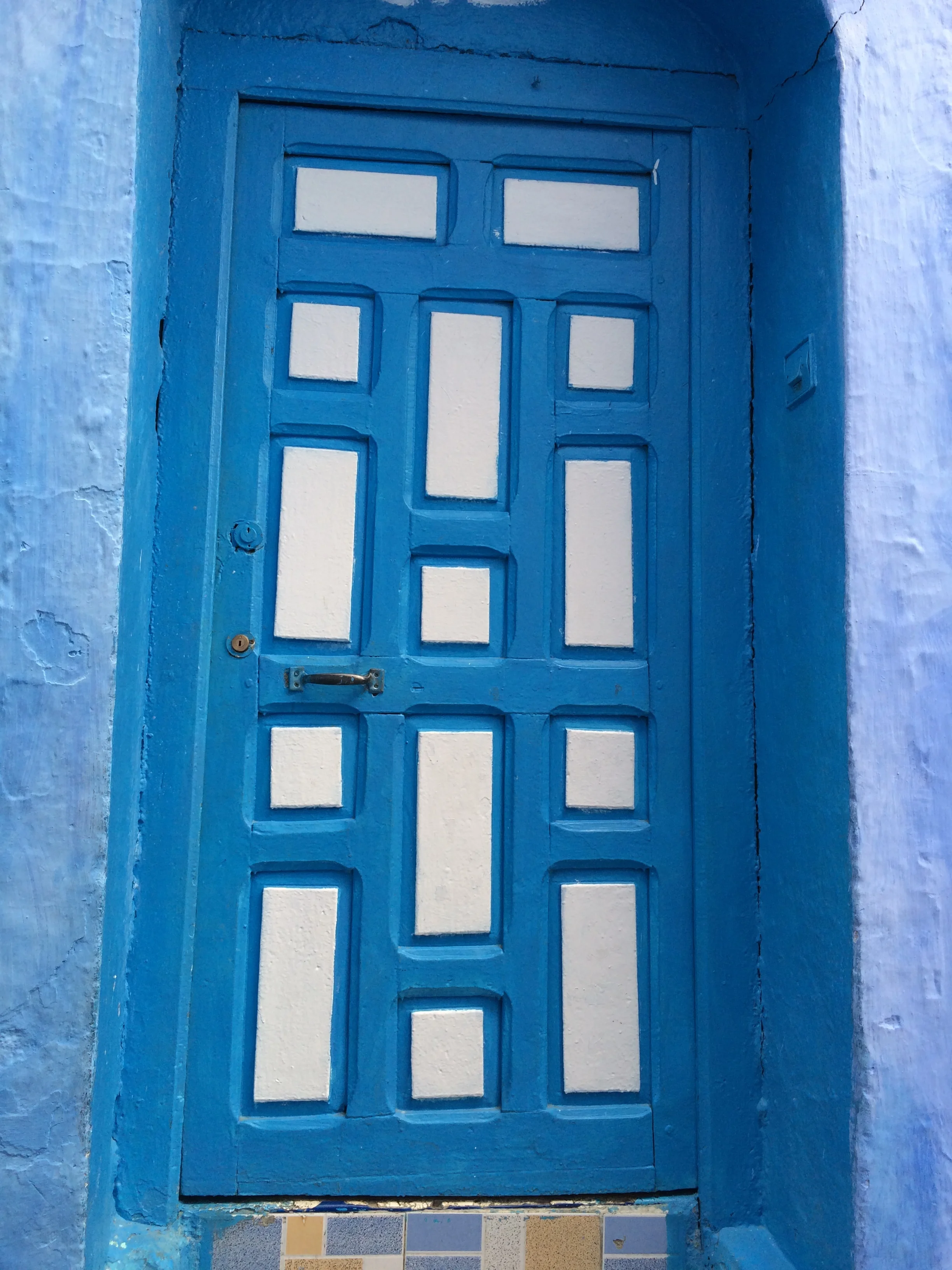
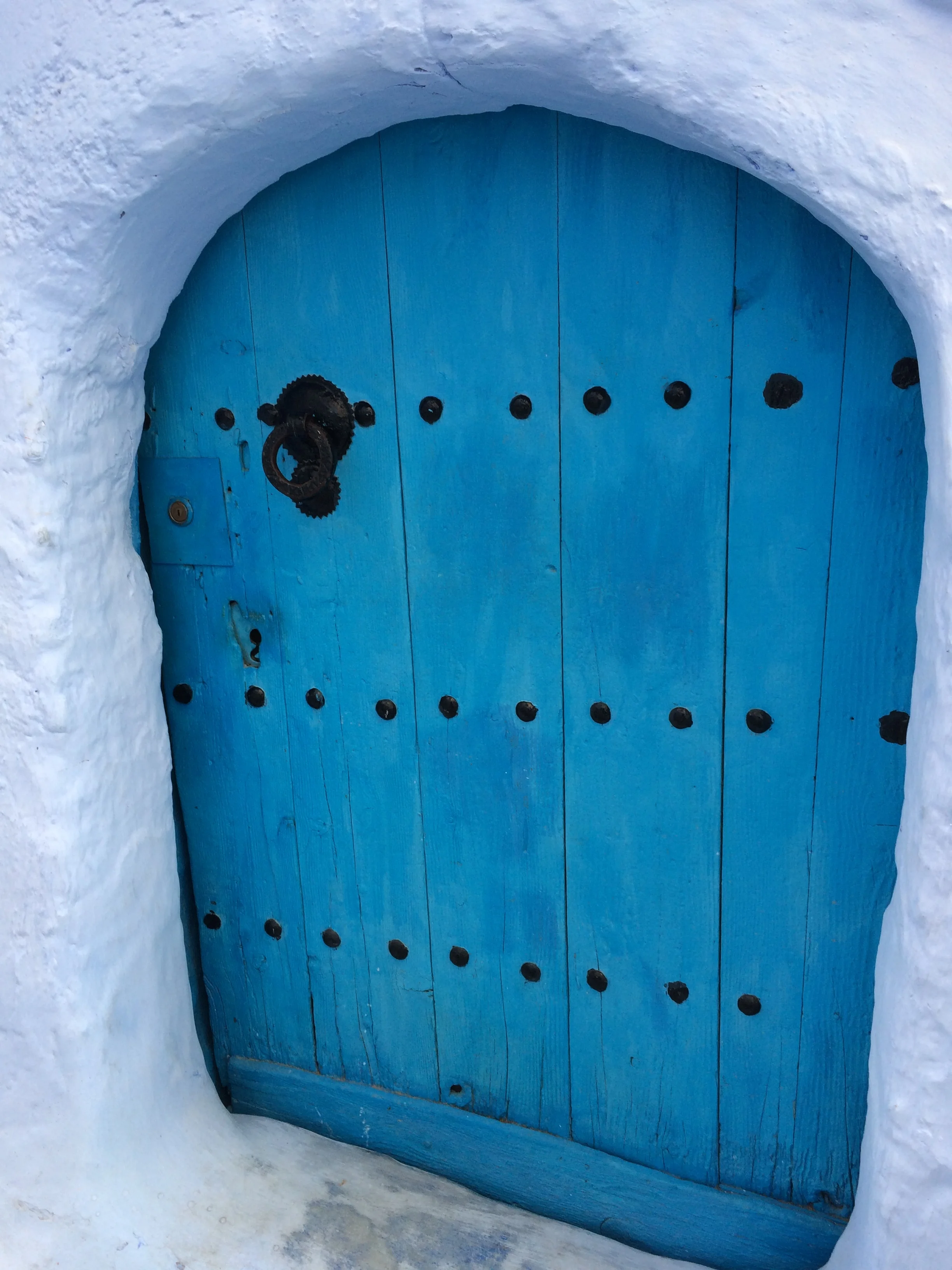
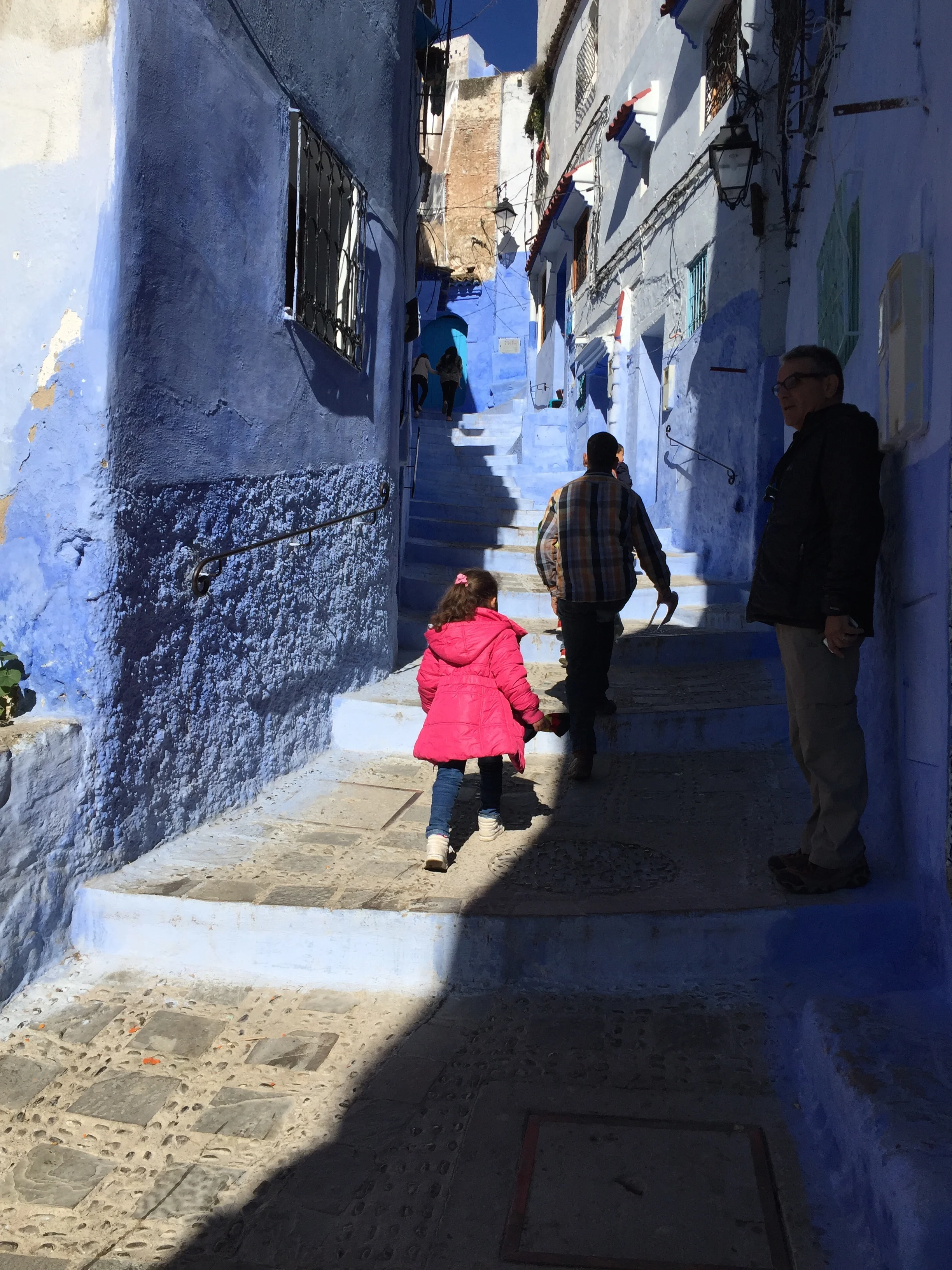
The Blue City is a small but one of the most beautiful city in Morocco. Situated between two mountains it was a sanctuary for the jewish population that fled exile from ancient Spain along with the moors and is now a cosmopolitan city of Berbers, Arabs and Jews. Most all the buildings are painted a pale blue with white trim. From the distance the town glows bluish. In town other colors are evident but in the Medina, or traditional residential and market area, the walls have darker blue and light blue combinations. Impressive are the blue ornate doors of the residences. We walked through the Medina all the way to the ancient city wall overlooking the town and then coming down we were intrigued by a store that sold hand weaved rug. The proprietor was very accommodating and laid out 12 very large rugs of various colors and designs. We liked them, but not enough, and we were not inclined to pay $2000 or go through an intense negotiation. Later our guide advised that $800 was max.

In any event the experience was rather fun. As well, surprisingly, an American advertising crew was doing a fashion shoot in the Medina. The Moroccan helpers would whisper “these are Americans” In fact, the models were changing in the back room of the rug store. I'll have to check the names of these tall models at some point. We met our group, all displaying their purchases, then webussed up to another viewing point for photos. We agreed, this beautiful city was a highlight.

The below gallery is a sample of the beautiful doors of the Blue City

We drove back to Fez and went to a Moroccan fast food for grilled hamburgers in pita bread. Another surprise, the couple sitting next to us had just arrived from Warren, MI. They were visiting the wife's mother. This reunion of Michiganders was rather fun. Next stop Rabat.


Morocco - The Desert

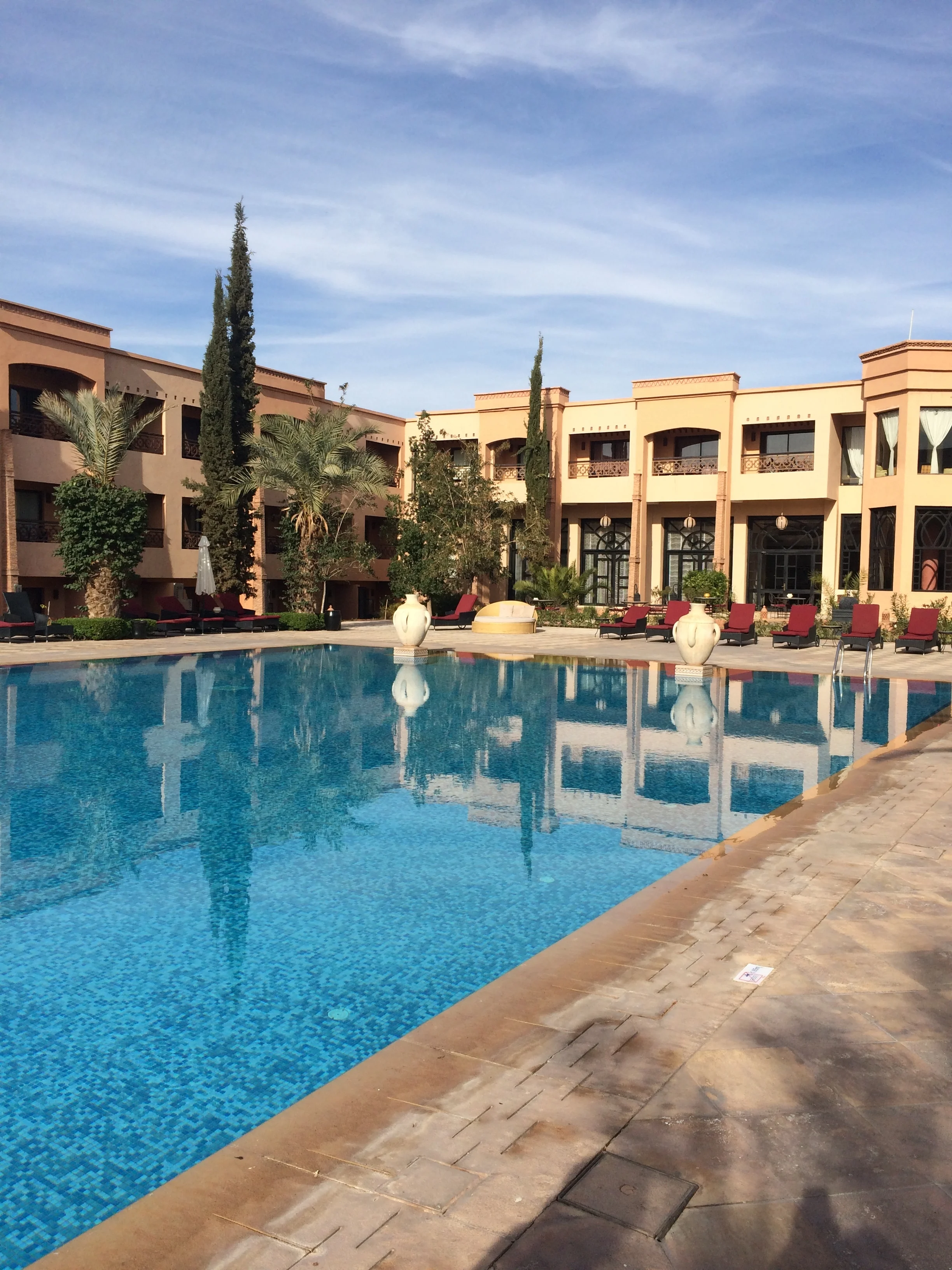
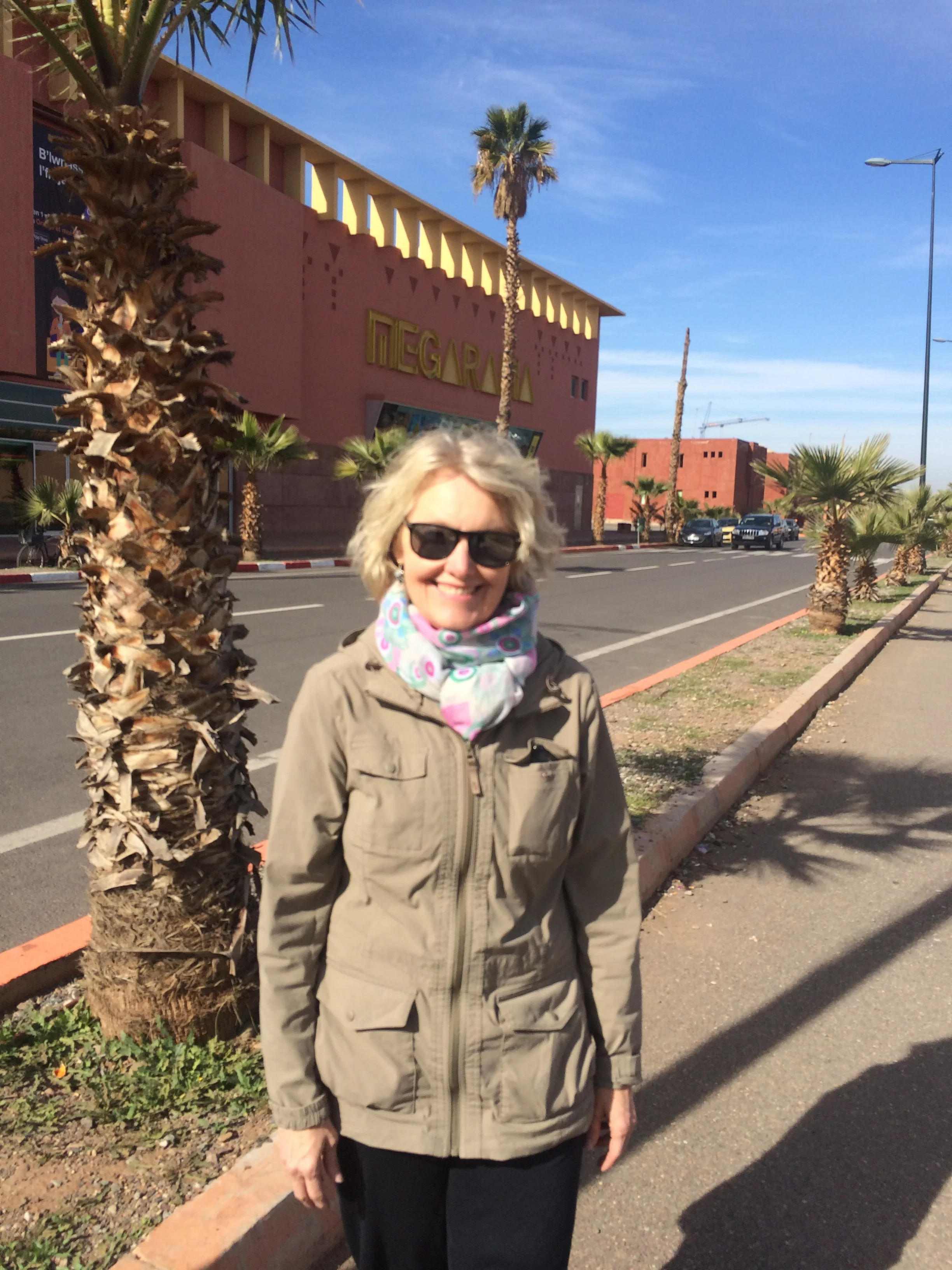
We took a flight from Santiago De Compostela to Marrakesh Morocco.  The airport was new and modern with very few people.  Immigration was easy and our driver was waiting with our names on a sign.  Boy we love it when all works out well.  We arrive one day prior to the start of an organized 10 day tour of the country.  Our hotel is outside of the city, large with a great swimming pool.  It was nice to relax in the sun.  We took a walk from the resort passing a movie theater on our way to a very nice shopping mall. This area was very modern and we find a Carrefour, which was like a small Target store with groceries and clothes, appliances Here we purchased 2 sleeping bags to be prepare for our desert sleep over.

This is the salad for the table at dinner

This is the salad for the table at dinner

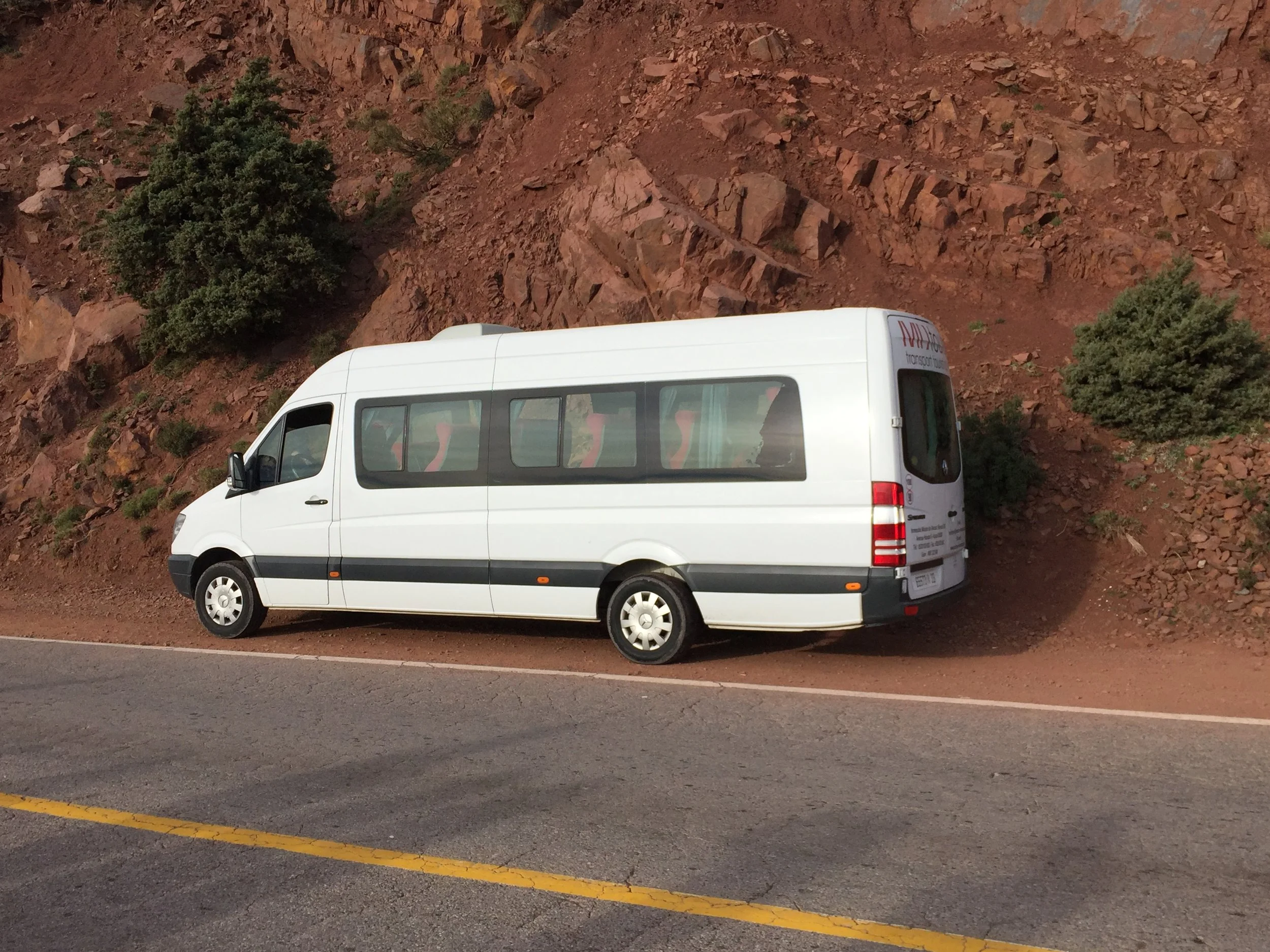
We meet with our group and our tour guide and after a review of the plans for the next 10 days we all pile into our van (and temporary home for the 2,000+ KM we will travel) and head out for a our first great dinner in the main town.

Our travel van

Our travel van

Our travel group is small, 11 in total.  We picked a tour group that specializes in budget backpacker type travelers, so we are the youngest in the group by many years, most of the others are our kids ages and are from New Zealand and Australia, all living in London and one American.   

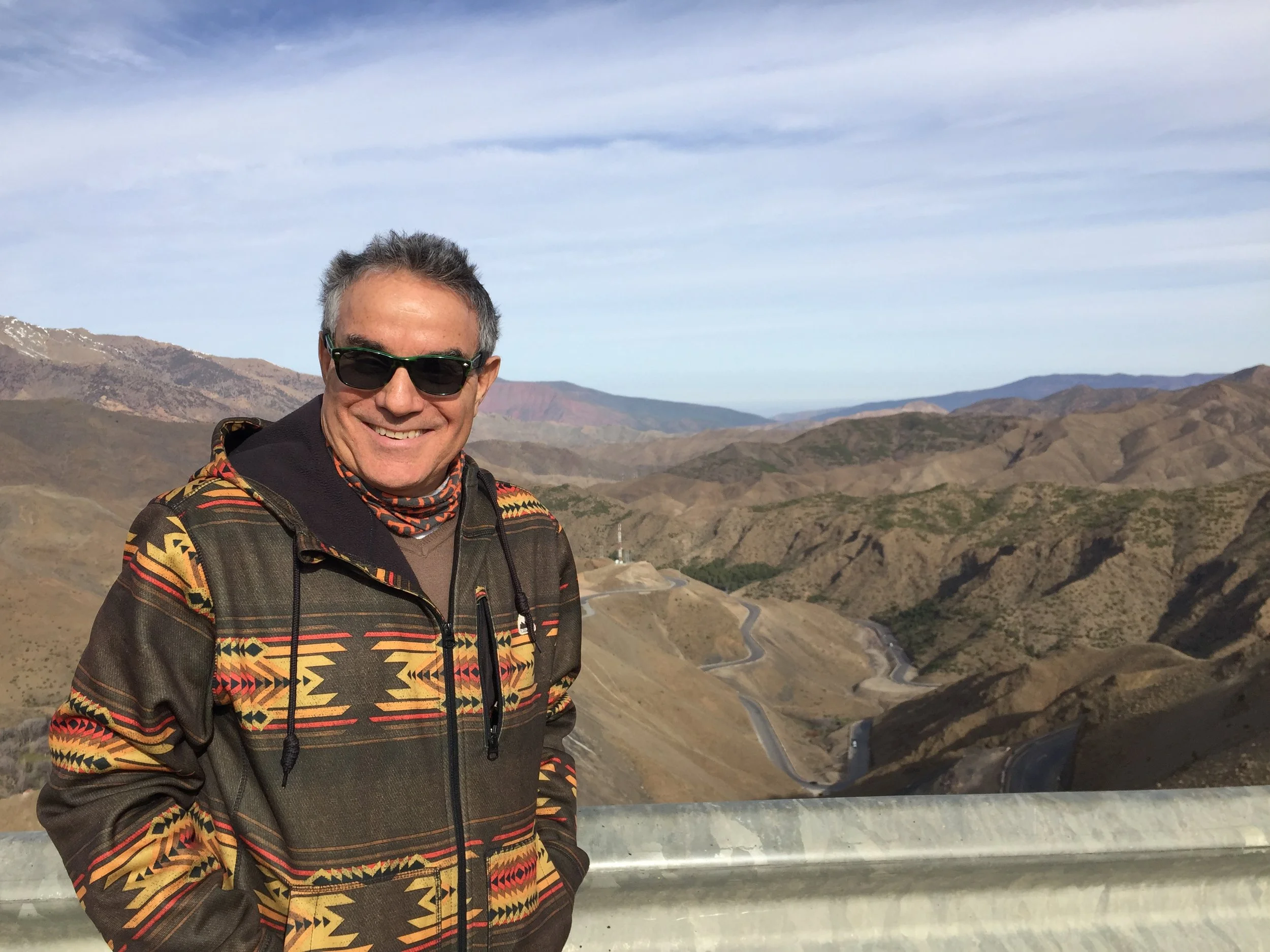
We start early the next day for a full day of driving south to the desert of Morocco The next morning we loaded up on the 15 space Van and started the drive toward the southeast portion of the country through the Atlas Mountains and onward to the Sahara. The terrain in this part was barren with foothills, plateau  and finally the Great Atlas Mts. Top height being 2400 meters.

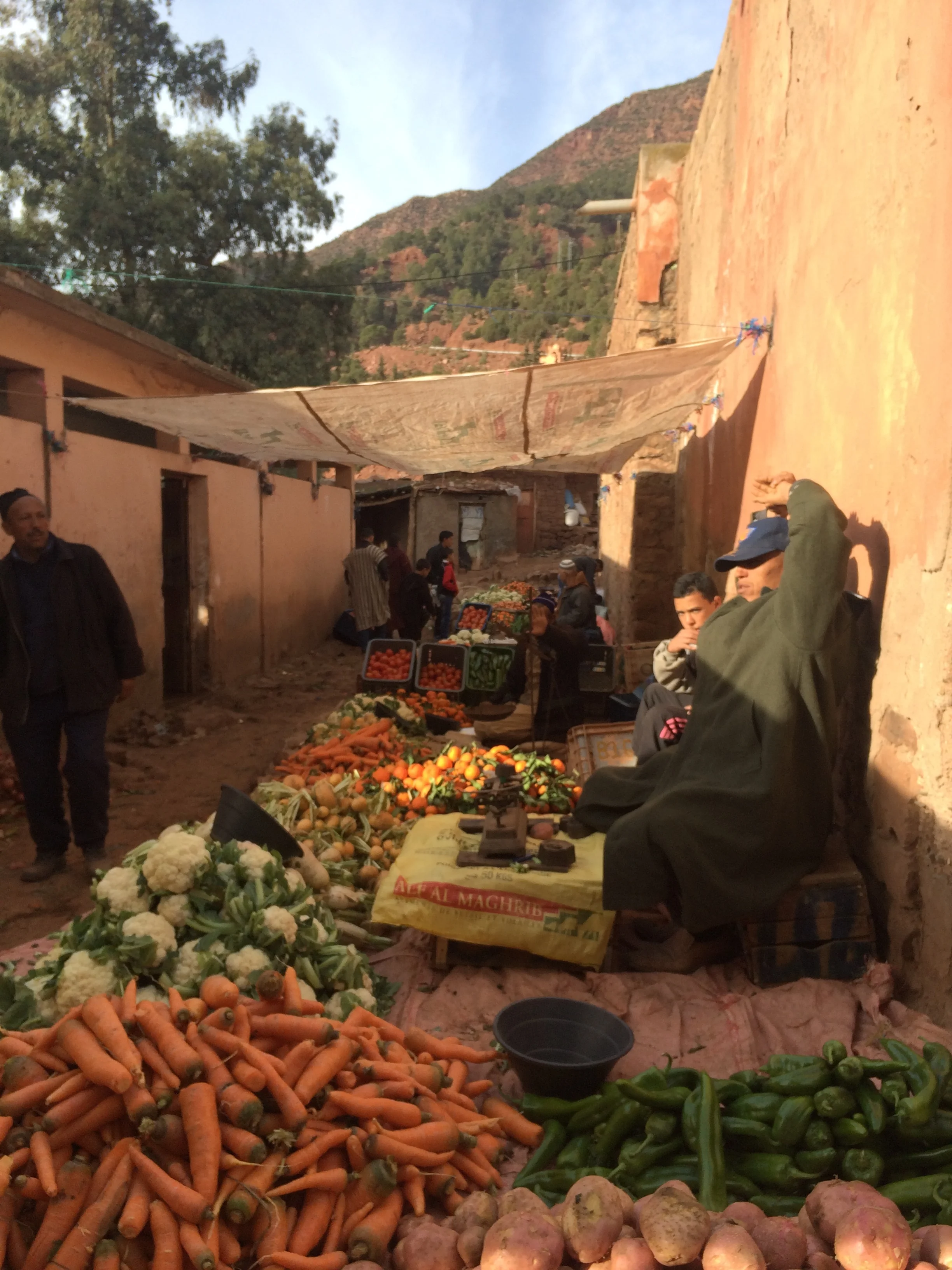
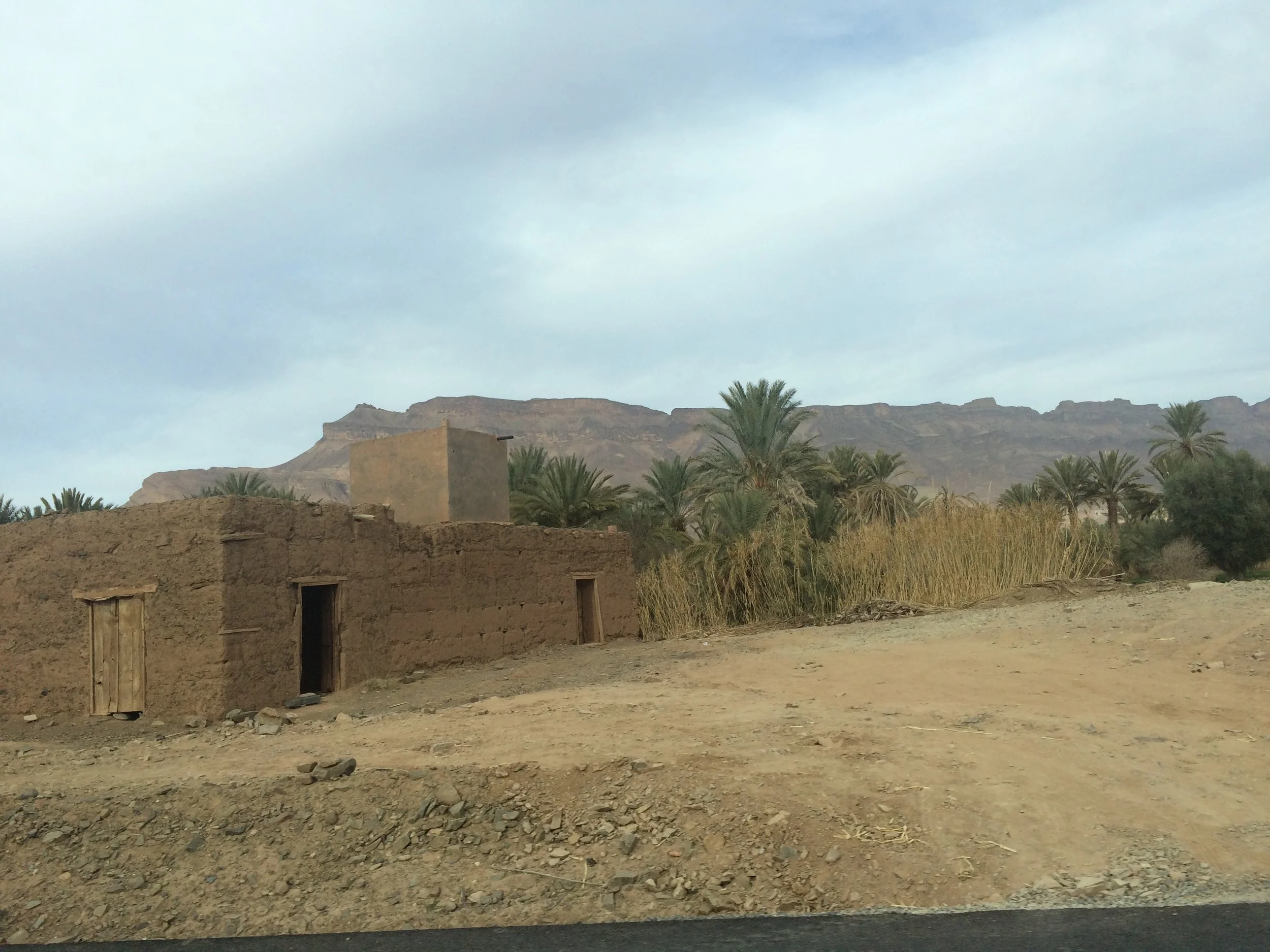
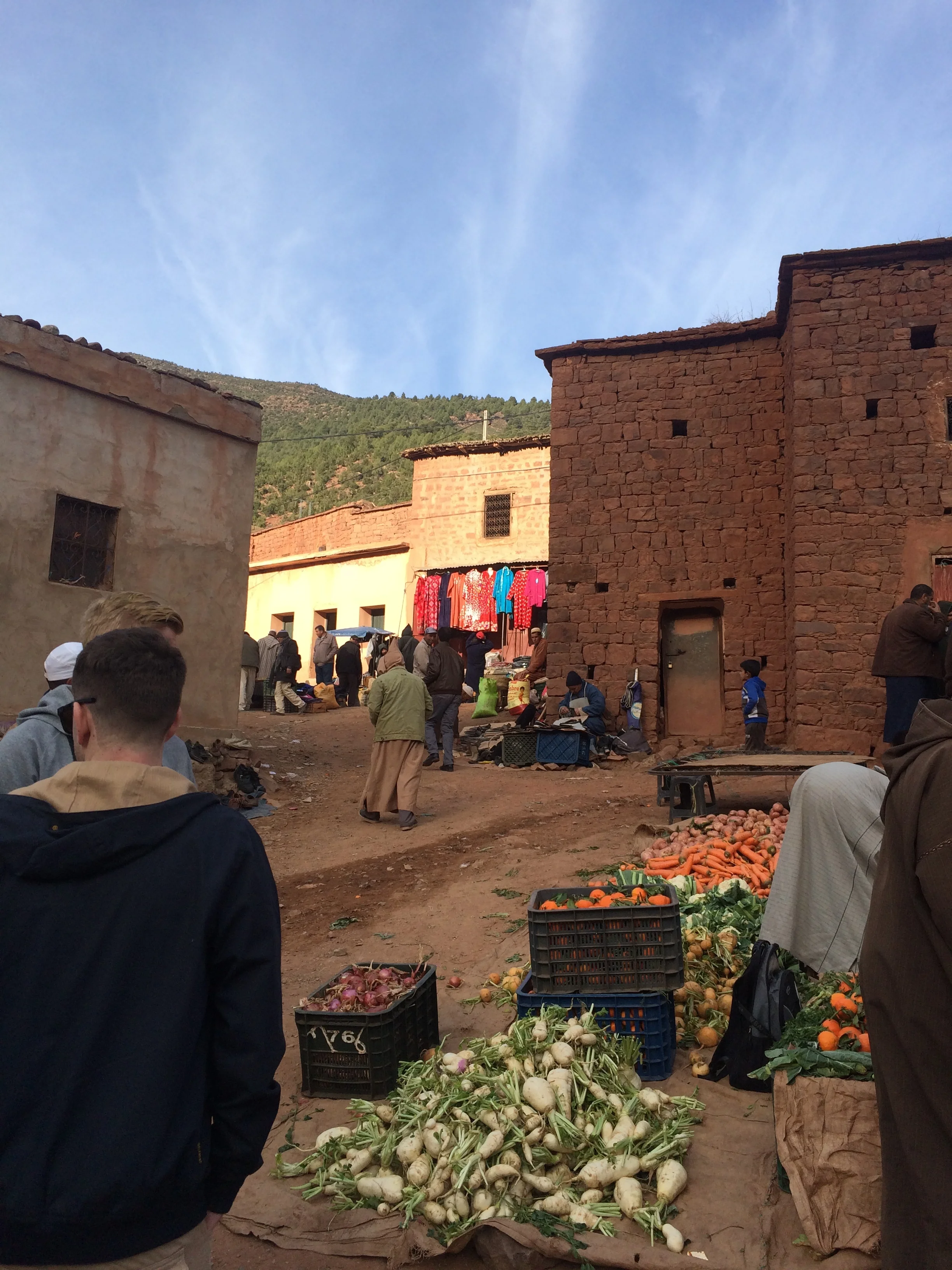
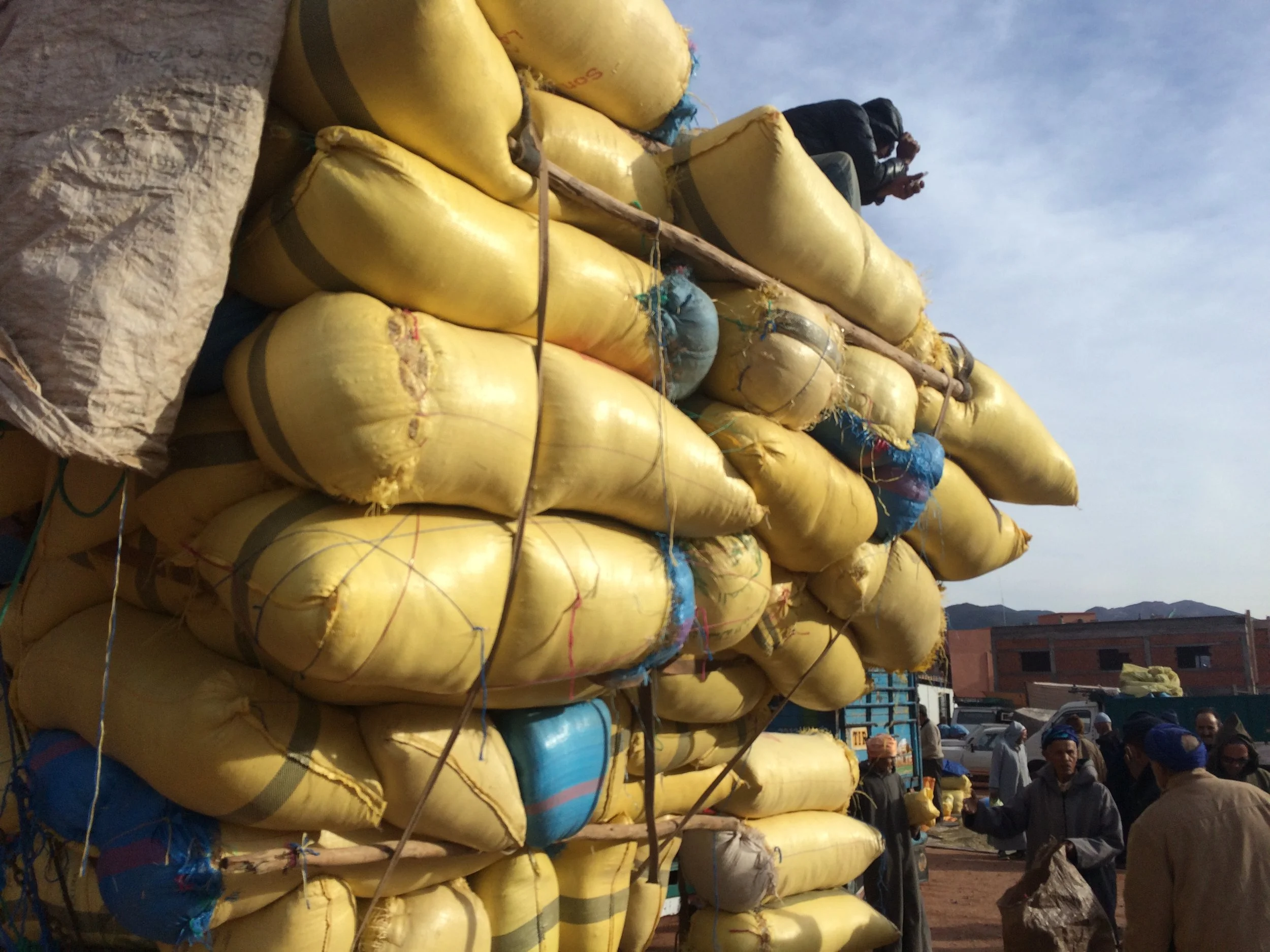
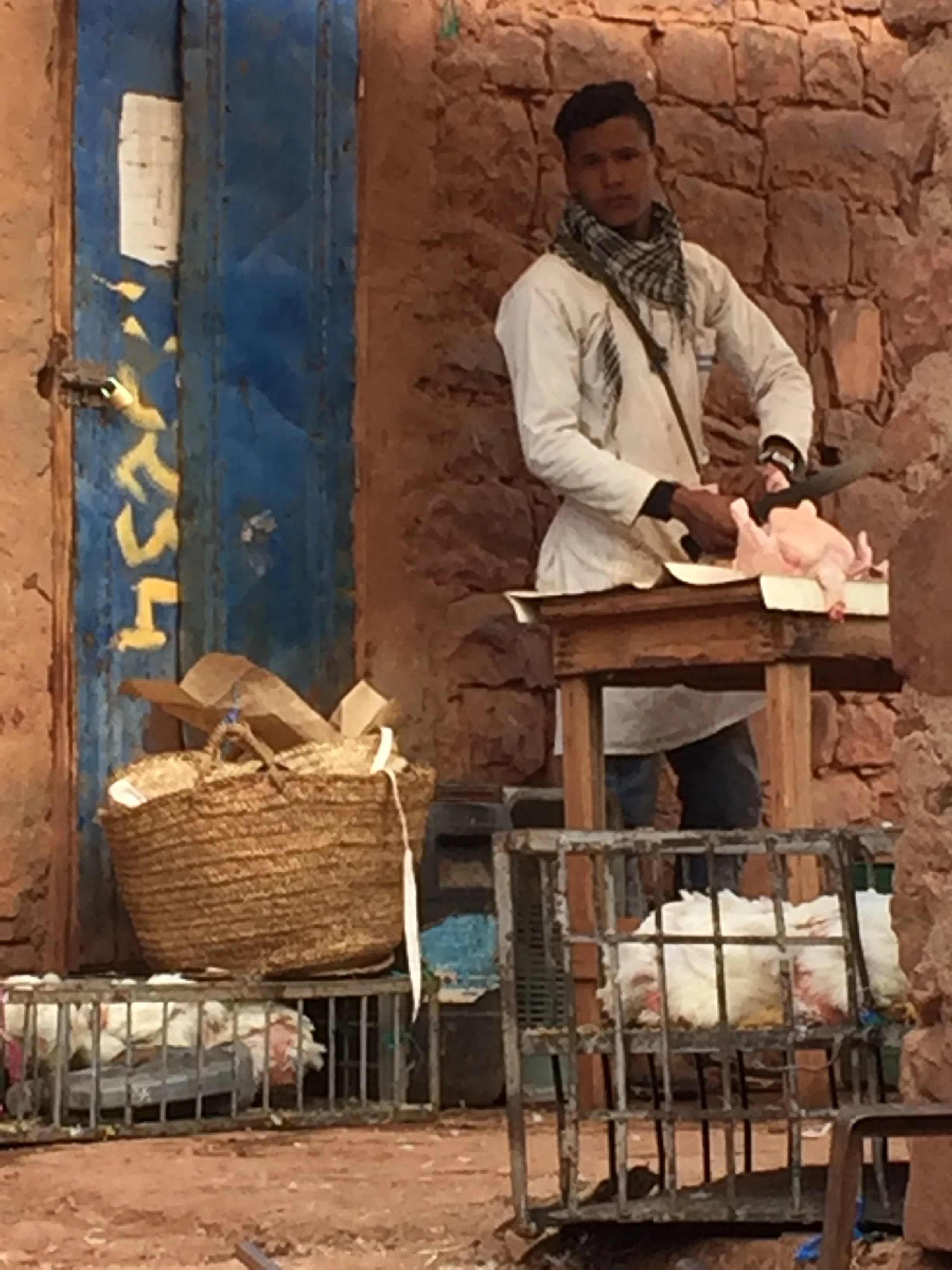
 Our first stop is market day in a small village.  The winding streets are full of vendors selling vegetables, meats and dried goods.  This is not unlike the many markets we visited in South American except it is all men.  At this village the women to not go to market.  See the pictures below of the market and the terrain 

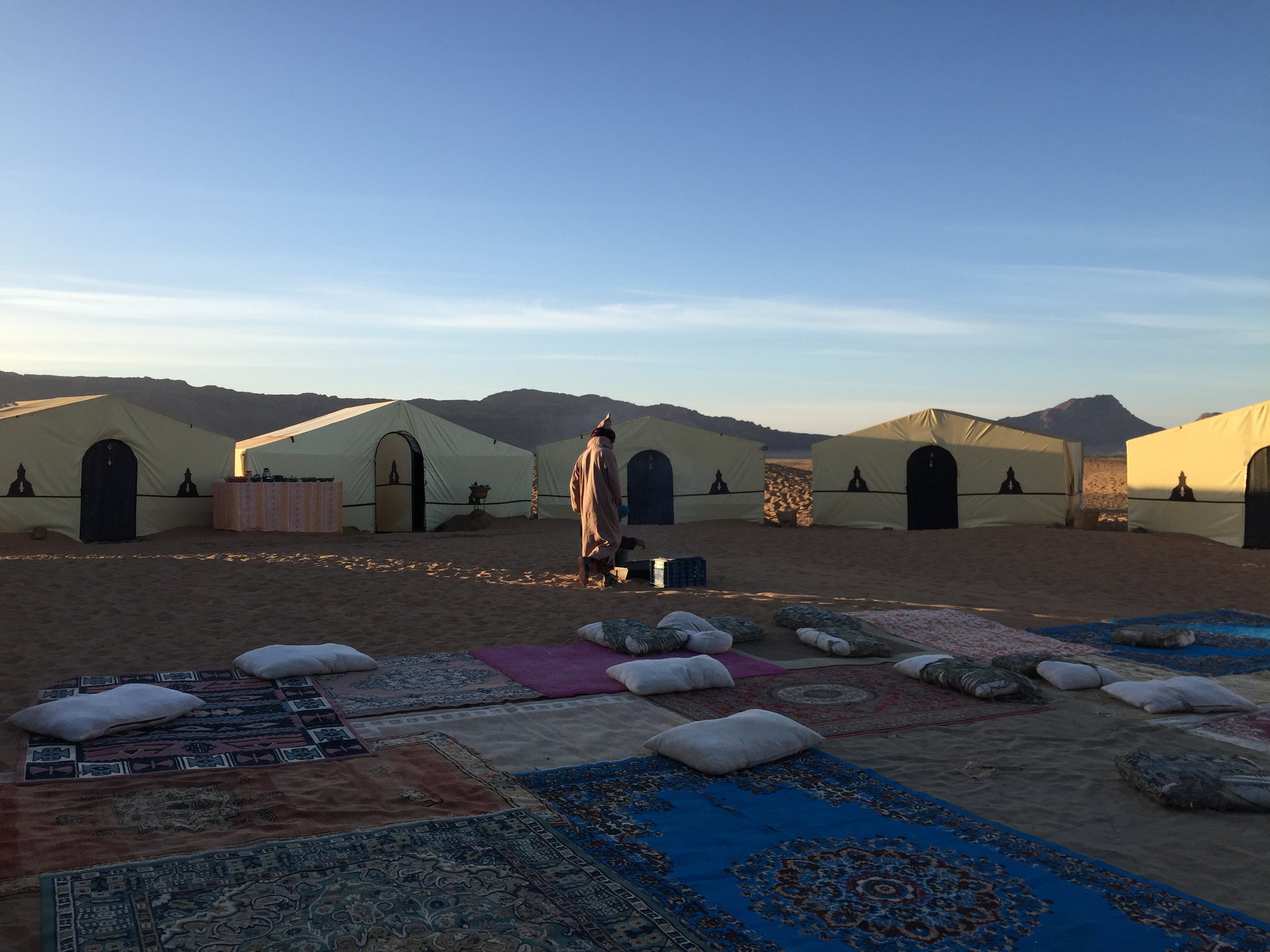
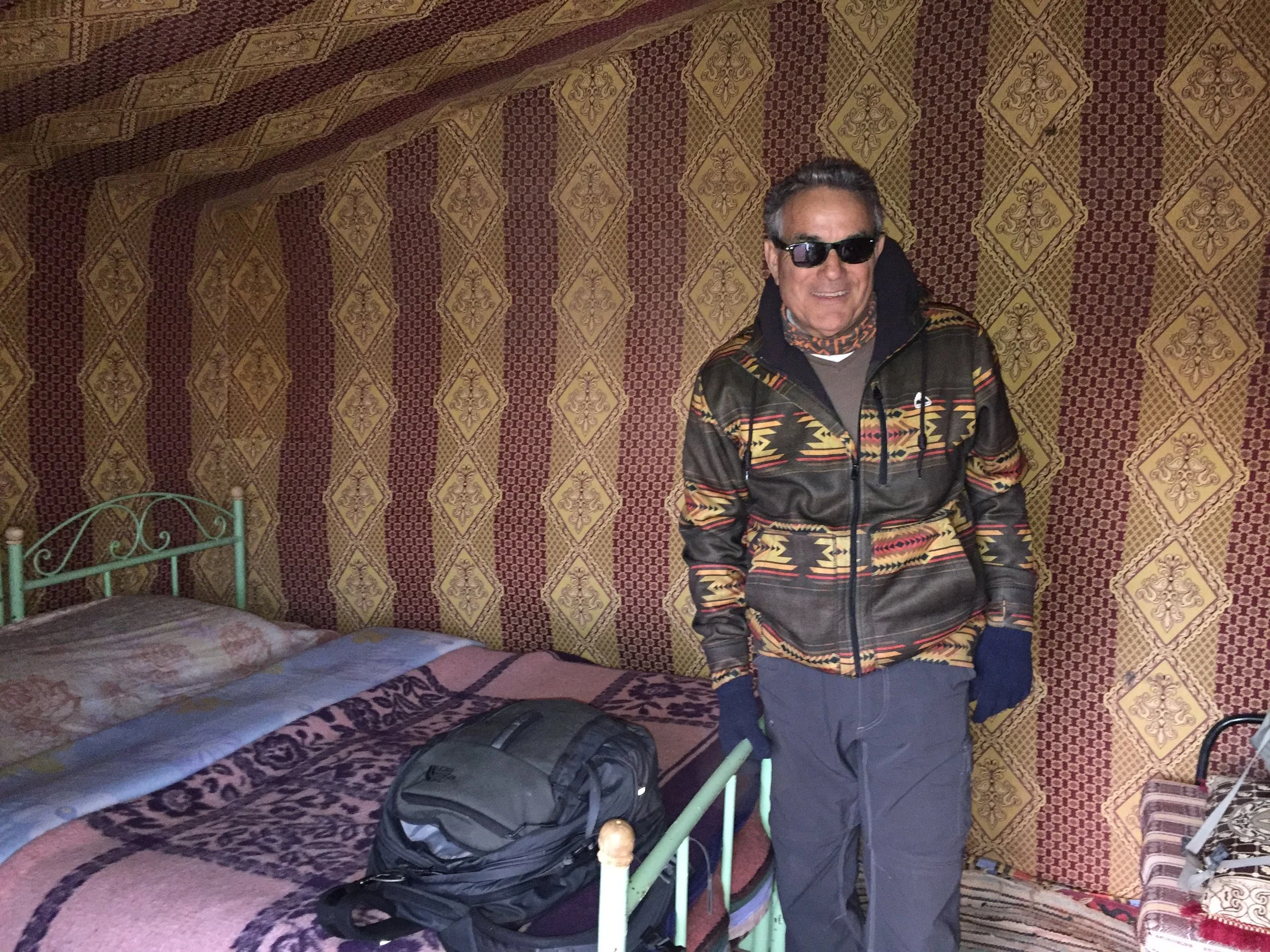
As the sun began to dipwe reached the final destination for the night. We were in the wilderness area, of the Bedouins. We unloaded our luggage on a road to nowhere into a small pickup. We then marched on foot into the wild until we reached our tent city encircling a common area with rugs anda central fire pit. Our luggage had been delivered and we took possession of the private tent with double bed and many blankets.  The bathroom tent was separated from the tent circleby 25 yards with a path marked with stone borders.  The bathroom floors are sand with 3 stalls, and a sink with a sand bottom, very basic.

Dinner with our travel mates

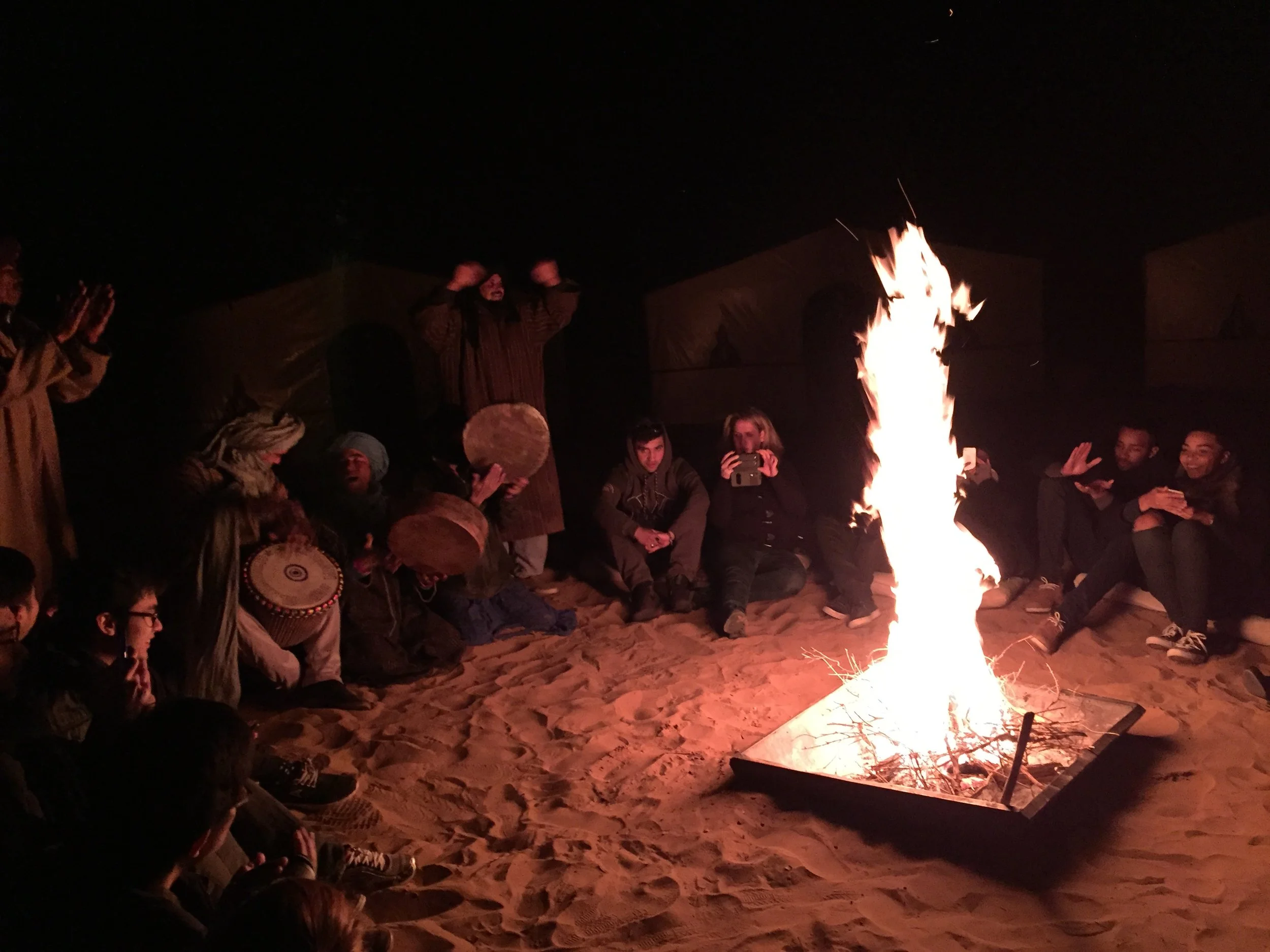
In the large food tent we had traditional Moroccan food with Mint tea. We broke out a bottle of redwine that we had carried from Portugal and shared with our table.  The temperature was dropping, but we all sat around the fire pit while the local hosts played traditional instruments and allowed us to enjoy a medley of drumming beats. It was desert cold. When bedtime came we used our cheap little sleeping bags for an extra layer of warmth along with 3 heavy woolen blankets.   We both wore stocking caps and prayed we would not have to make a bathroom run.  No such luck. Freezing. 

The silence of the night was broken by the honk of the donkey that was staked near the bathroom. Is this the desert rooster  Thankfully, this was not the wake up call and we could stillsleep under the warm blankets covering our ears. See the pictures below

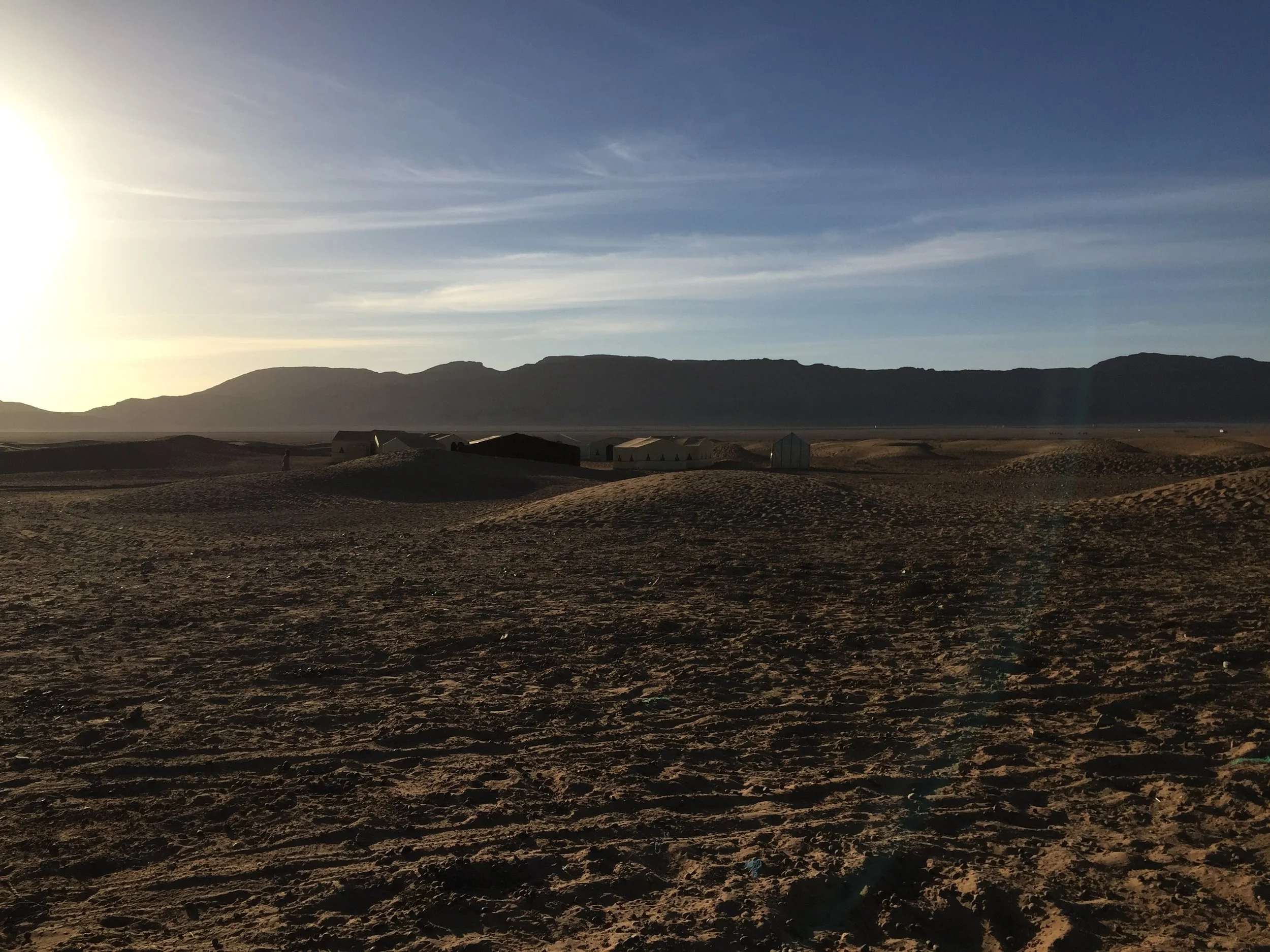
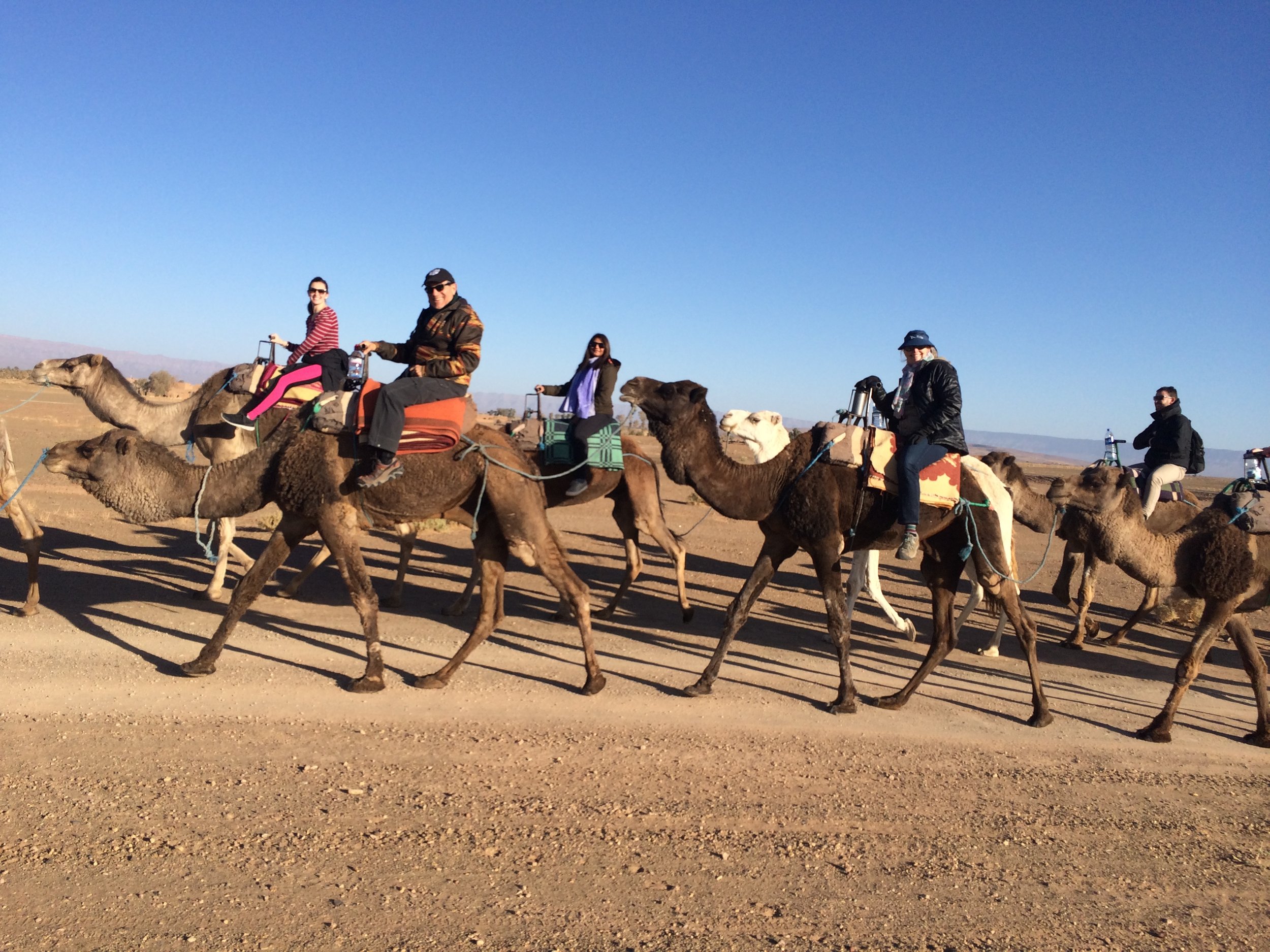
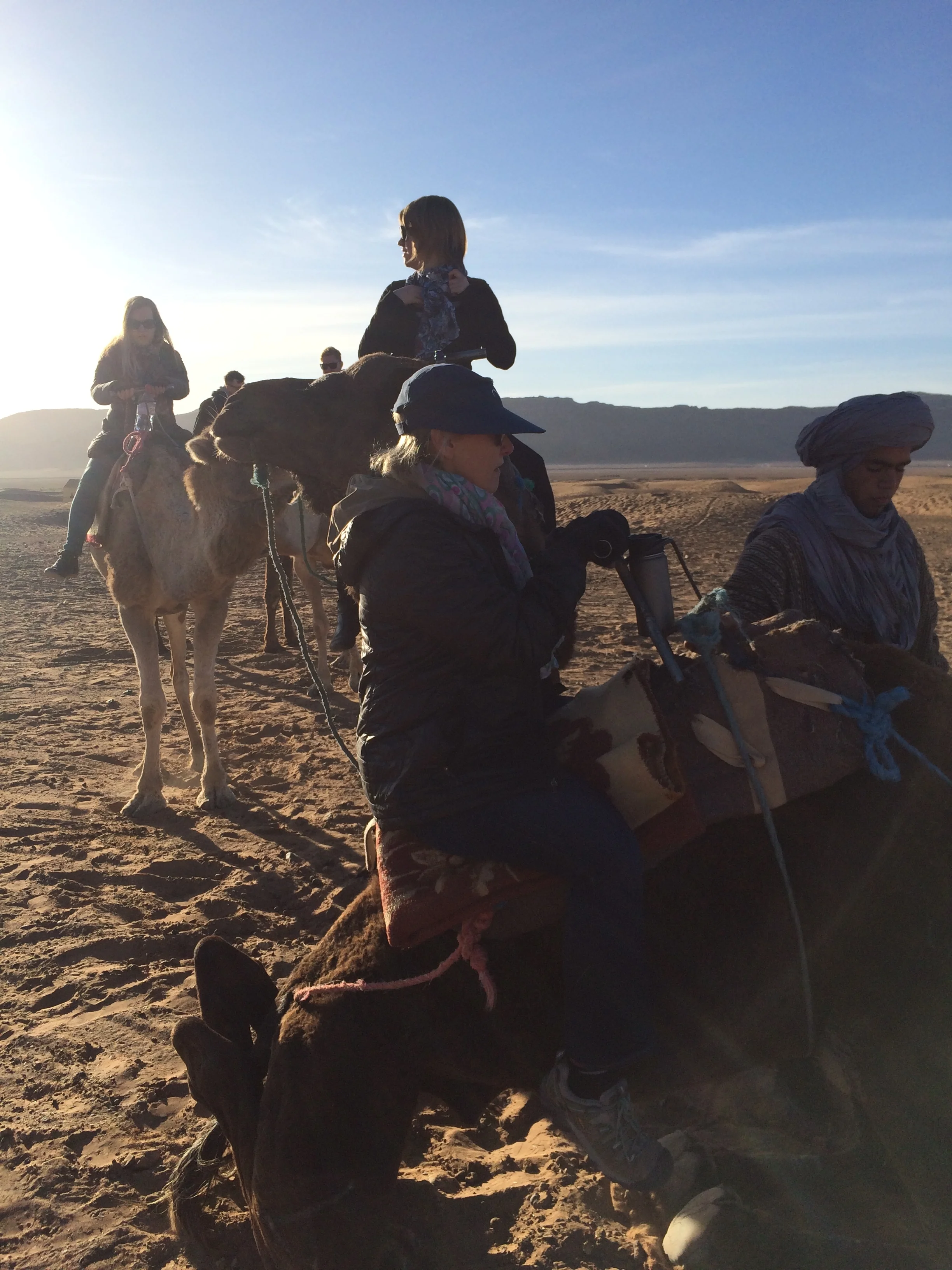
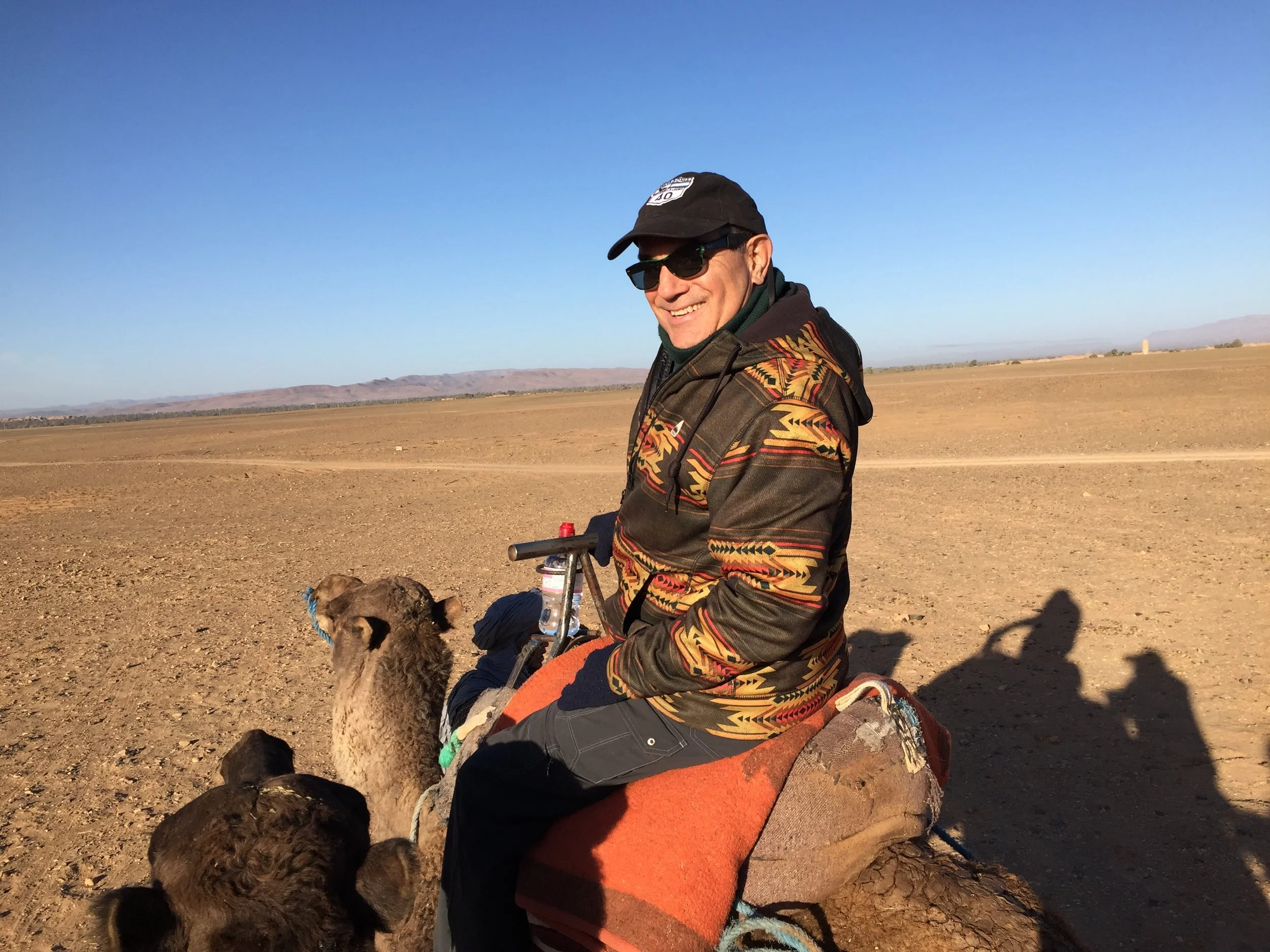
Up early for a very cold breakfast, a great sunrise and our camel ride.  The camels are waiting a few yards from our tent circle.  Without much instructions we are loading on them, they kneel and quickly jump up and off we go.  The camels are fitted with saddles made of thick blankets with a hole for the hump.  You sit behind the hump and bounce along.  It can be a painful ride, especially for the guys.  

Our pizza

After 2 hours we meet our van at the side of the road and pile in for our next destination, the middle Atlas Mountains.  We drive for 6 hours with one quick lunch stop.  Along the way our guide tells us about the new King and how quickly the country has changed to a Democracy.  Women have equal rights and are not required to wear the head scarf called a Khimar. Each village we pass is busy and we do see women without the Khimar, but also some fully robed in black.  In the afternoon our guide stopped and jumps out, after 5 minutes he returns with a pipping hot "pizza" for us to share.  This is the speciality of this area, it has a top crust and is filled with meat, raisins and almonds, very tasty

We arrived at our destination, a hotel in the middle of nowhere and were quickly moved into jeeps for a desert ride before the sunset. 

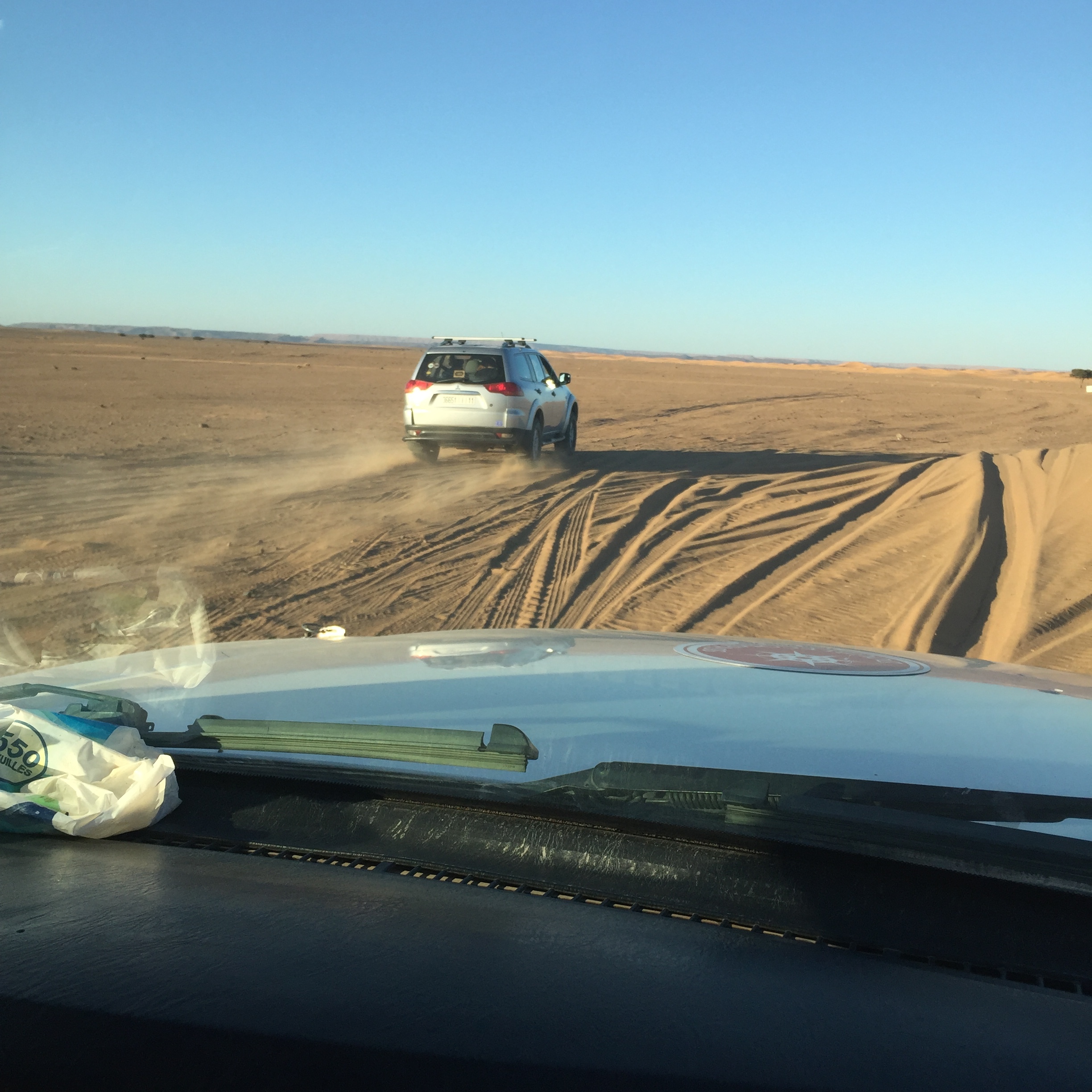
We split up getting into 2 vehicles and took off for the wilderness going up and down hills and speeding on the flats. Frank had the more conservative driver. Janet had the crazy driver and a lot more fun. They did spin outs, higher banked turns, and accelerated faster, switching out front seat passengers for equal excitement and fear factor.

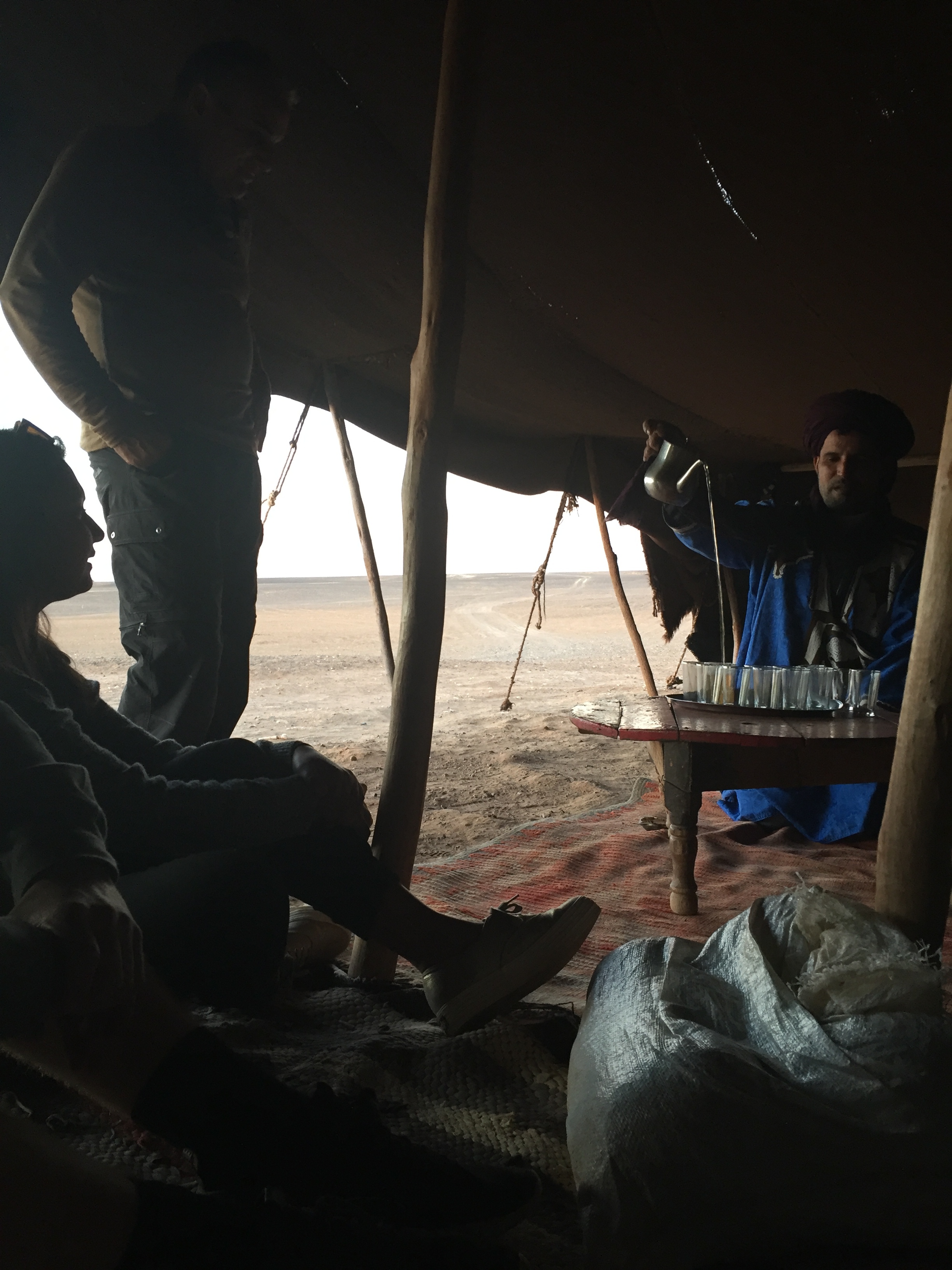
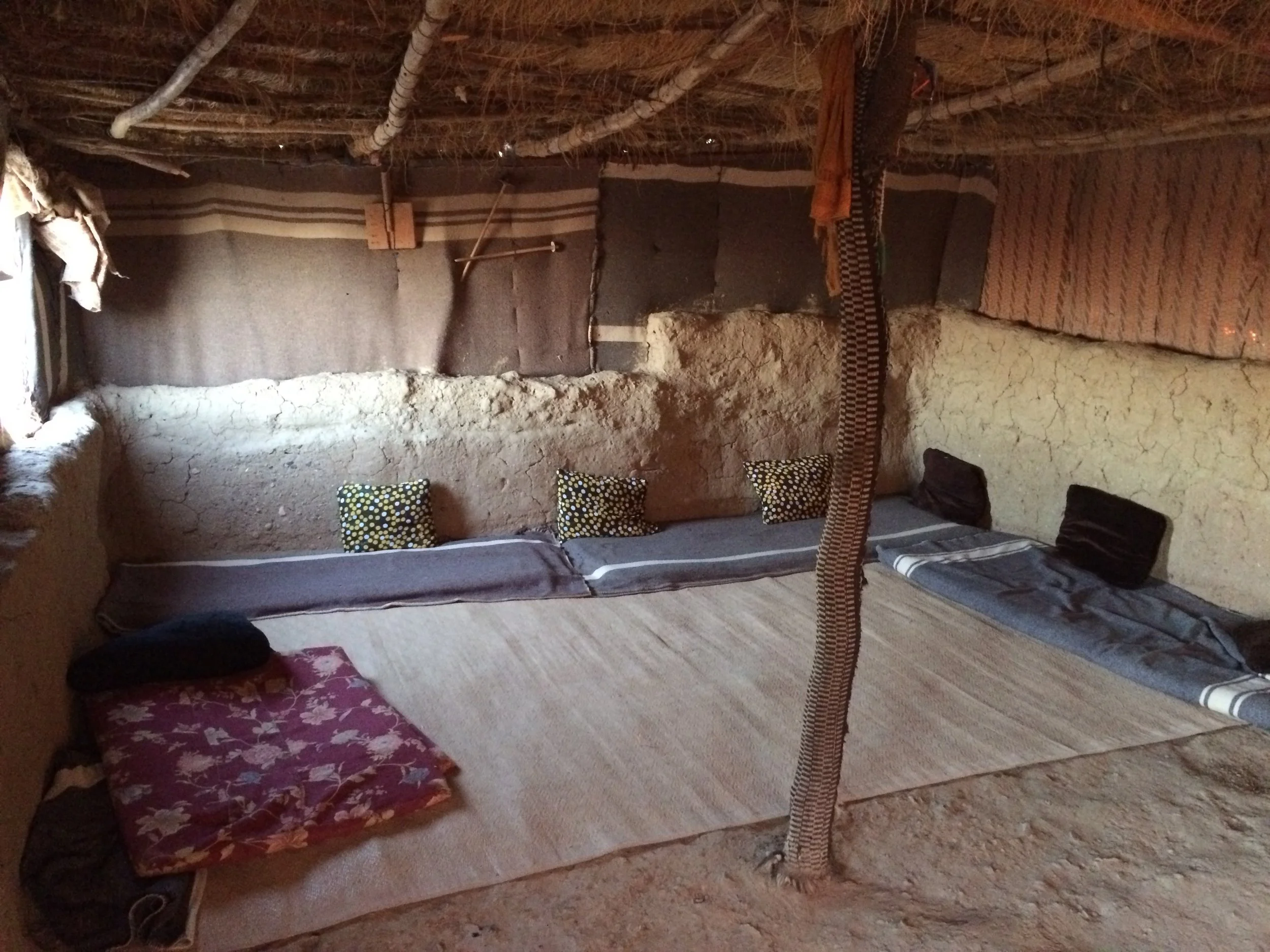
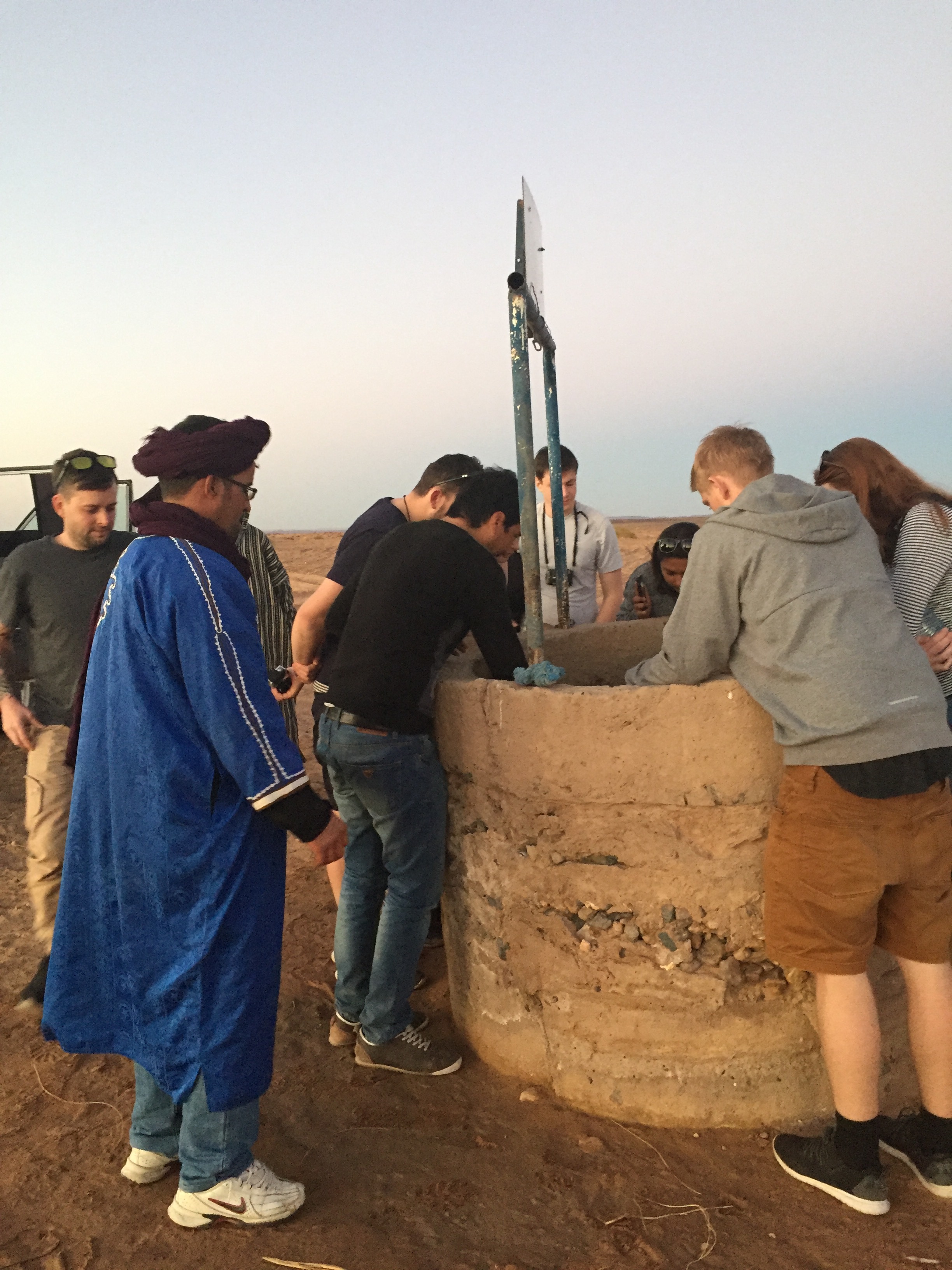
When finished our motor trek at the home of a bedouin.  We were invited to see to his home, that was several room composed of some solid walls and tent material. We met his 2 wives, saw the cooking area, met his goats, saw the water well and had mint tea in his separate canopy tent.  The house was very clean with dirt floors and several rooms.  Per our guide, the women do up to 90% of all the work including tending the animals, this is a very hard life.  The man was younger and actually quite handsome, dental work aside. 

Woman making tea for us 

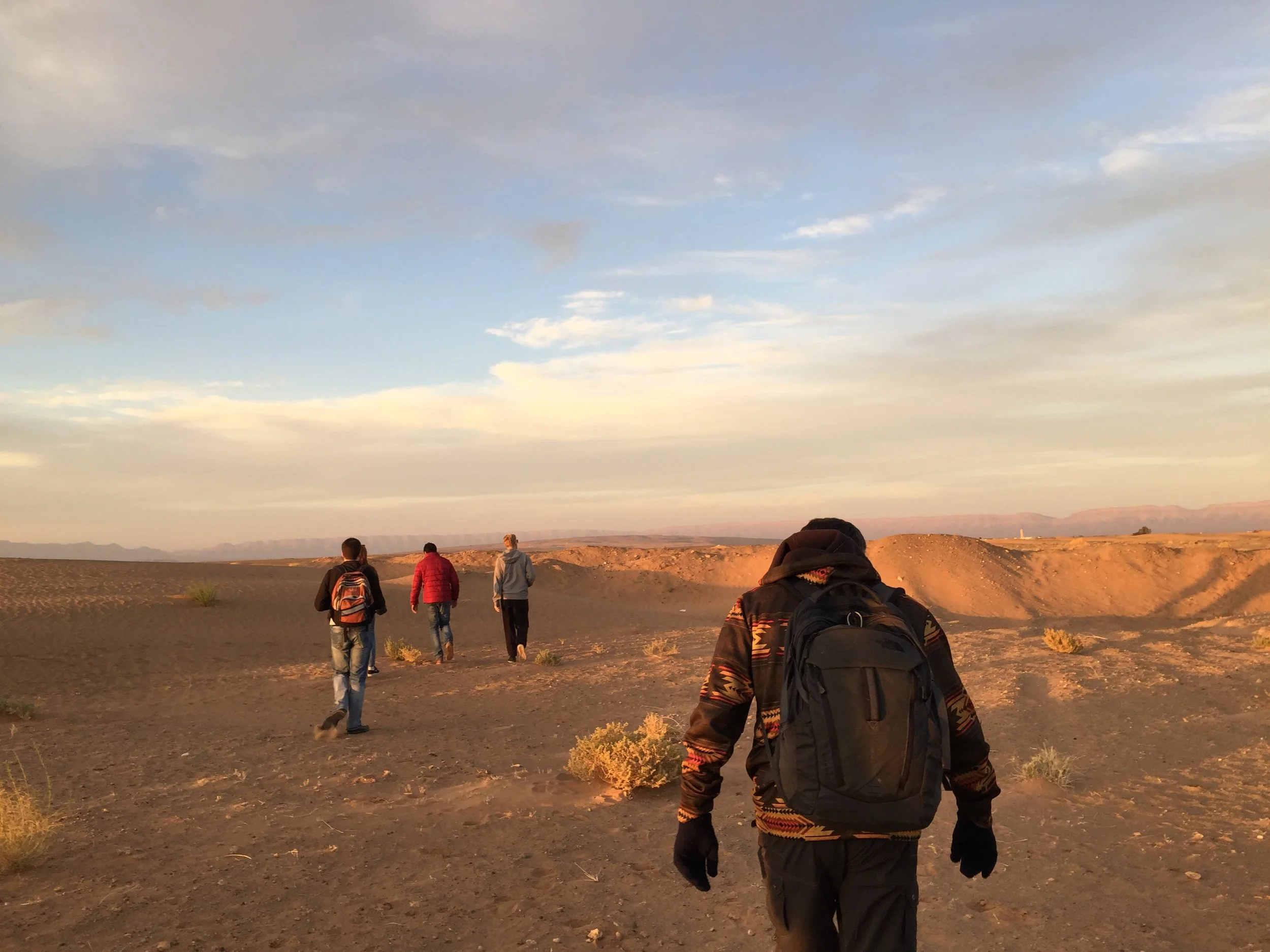
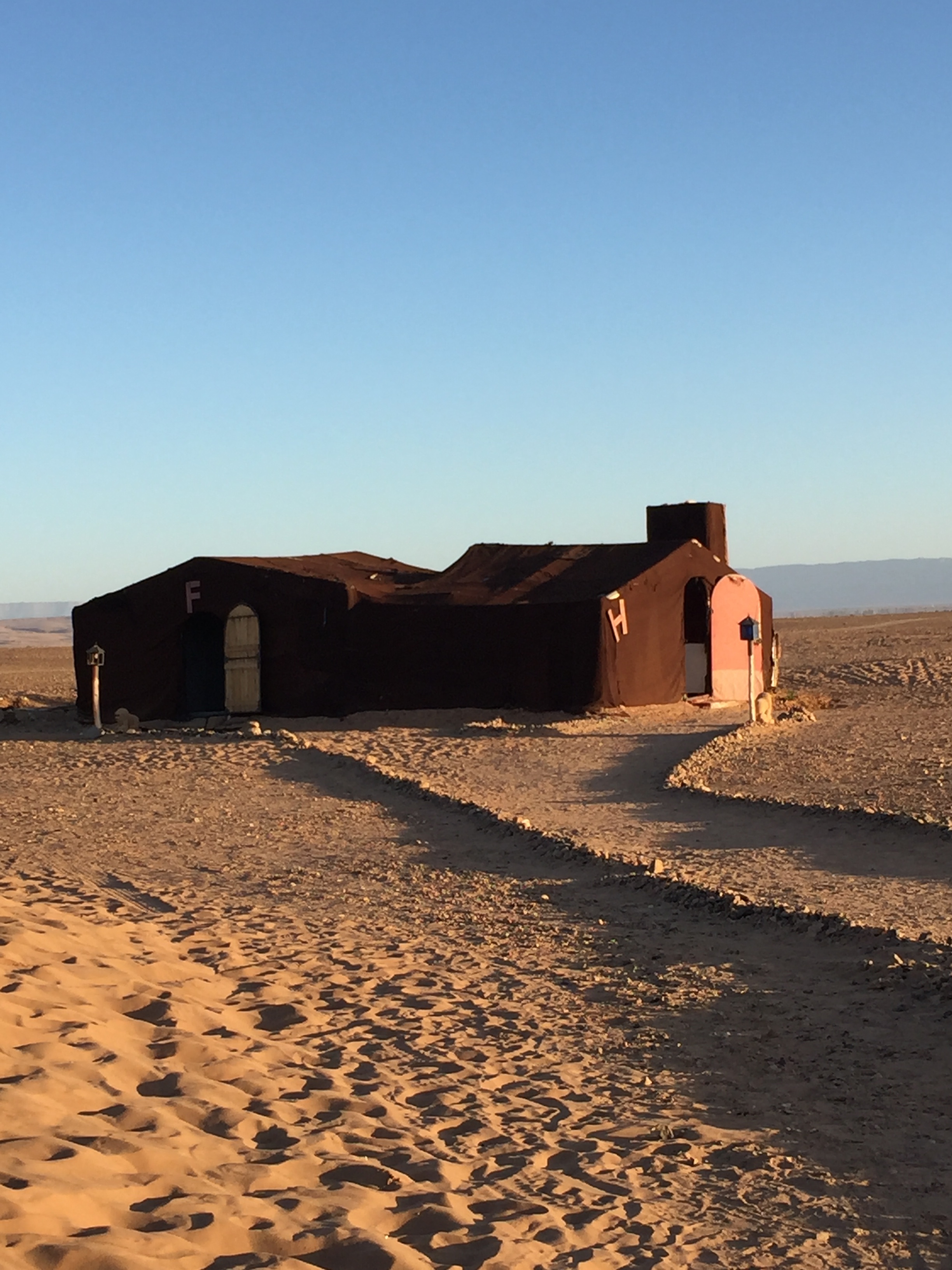
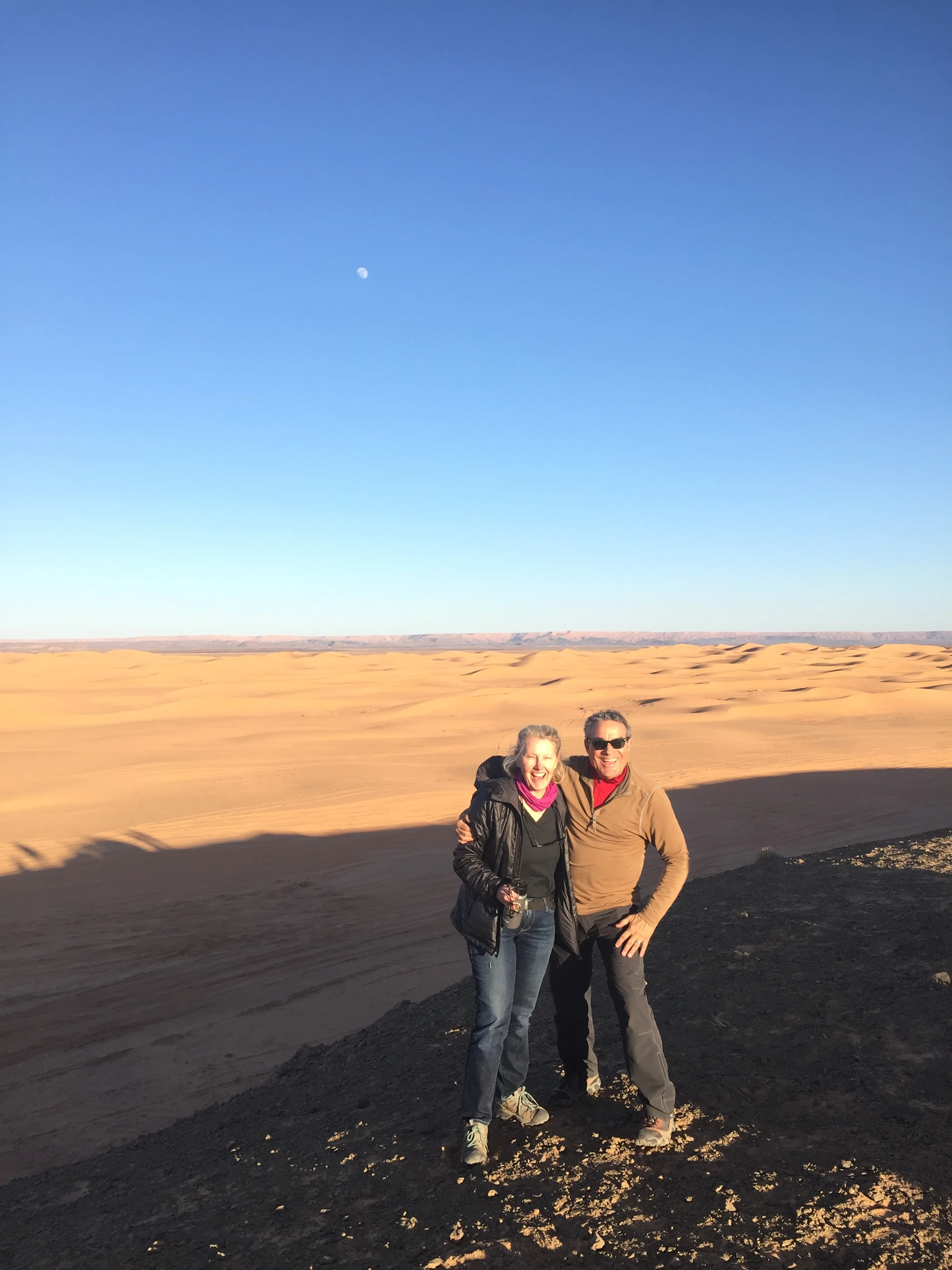
We loaded back up into the jeeps and took off for our hotel. Surprise! We did get to the hotel but our group was assigned the tent area. Cold feet again, but at least they promised hot running water for showers. These tents where made of a rubberized fabric with electricity but with the mattress on the rugged ground. The common area was rugged. We however congregated inside the hotel for dinner and used the permanent shower rooms next to our tent city. The water was hot and refreshing. We ate and then with the sun up we trekked into the foothills of the Sahara Desert.  This area was rolling hills of bright red sand that extended as far as the eye could see. Our little group walked, ran, and jumped over the sands from the crest of one hill to the next. The view, and shadows were spectacular.   Next stop Fez 

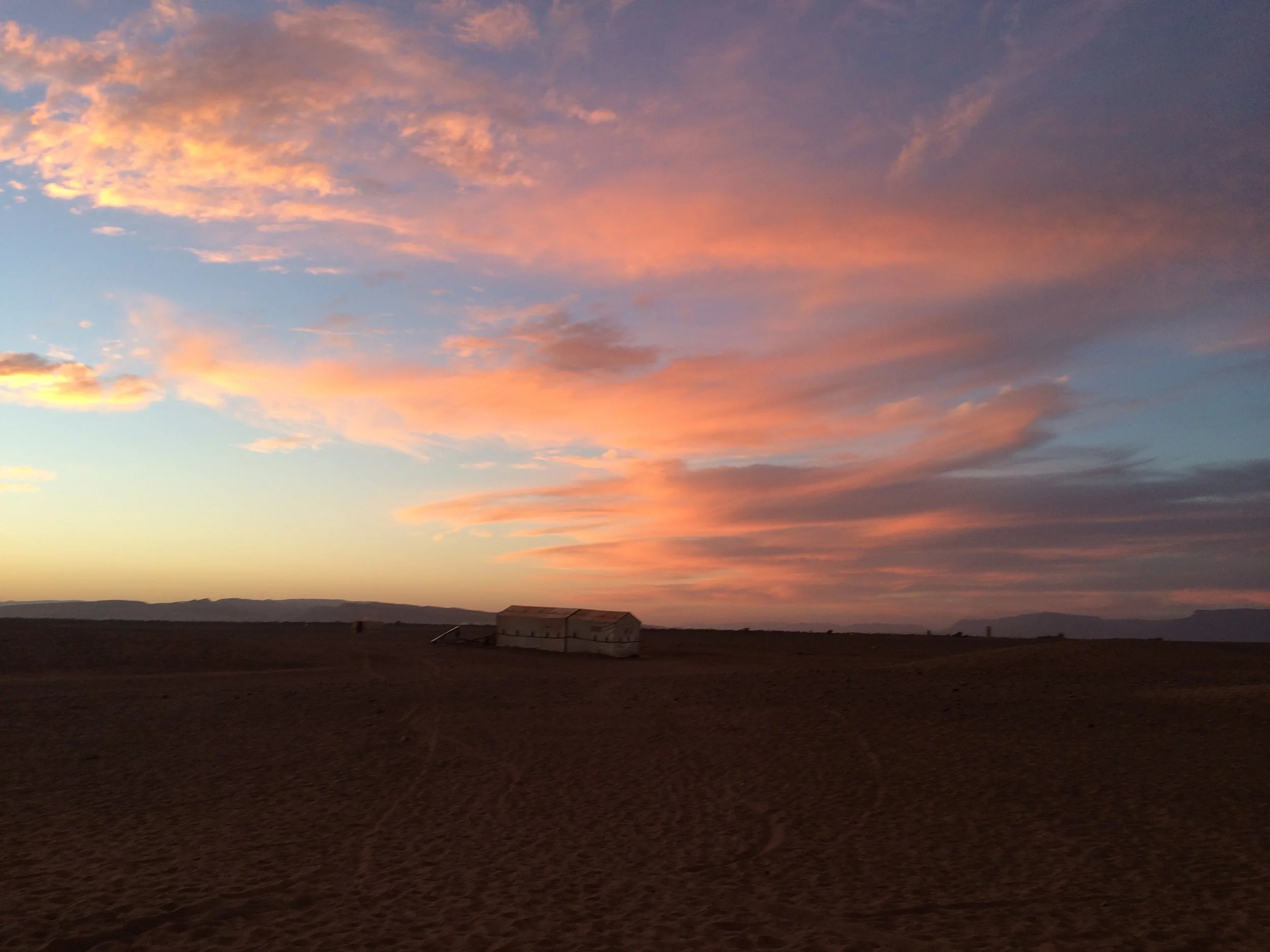
Sunrise with our tent city behind

Santiago De Compostela Spain

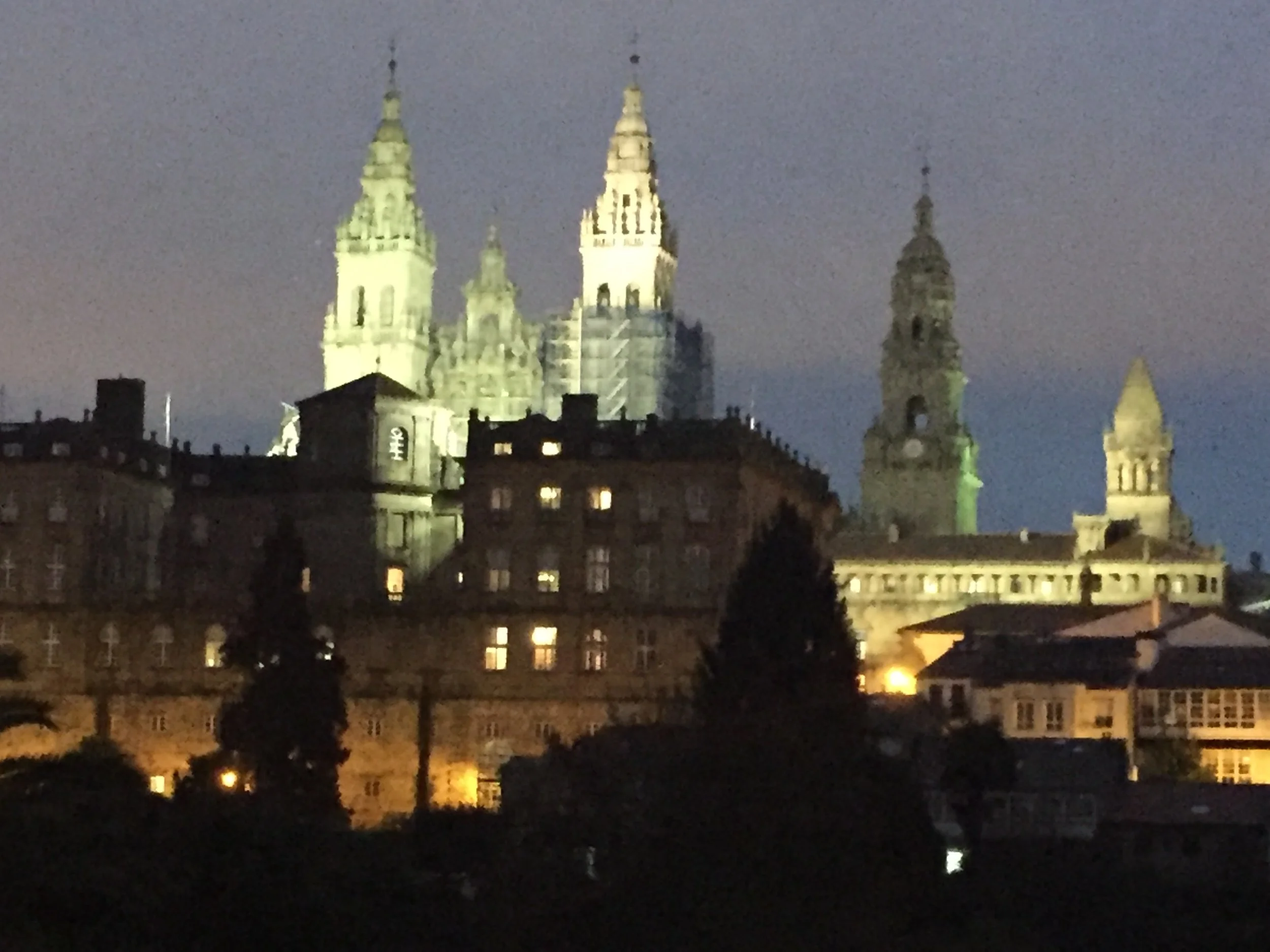
We visited the south of Spain and the main cities several years ago. This trip into northern Spain is to visit the town of Santiago De Compostela and the Cathedral that proclaims to be the burial place of St. James, the disciple of Jesus. St. James had preached in this area before he returned to Rome at the request of Mary, mother of Jesus. Unfortunately  he was executed there. His loyal followers returned his bones to Compostela, a Galicia region of Spain, for burial. His bones were lost over the centuries until a local priest was drawn to a wilderness spot by lights and stars. The priest reported to the Bishop who reported to the provincial Prince, who decided or confirmed that here lay the bones of St. James.  For this reason a grand Cathedral stands today . The city center is also the end point of all the Christian pilgrims that travel the Camino de Santiago ( the way taken by St. James). If you walk at least 100 KM to the site, with passage stamps along the way, you may receive your own “Compostela”, I.e. written confirmation in Latin of your pilgrimage. Thousands of pilgrims make this trek every year. 

We took a Uber car to the Airport to catch a bus. Don't laugh! After searching on line for a variety of transit plans, including train and bus or bus only, we found this bus line “InterNorte” that had pick up at the airport. We assumed the an actual big bus station would be by the airport. But no, the pickup was merely a stop at the arrival level of the airport. After we questioned  the Information center and any one else that was standing near, we were satisfied that this spot and this sign meant we stand here for the bus. It all worked out and 6 hours later we arrived in Santiago de Compostela. Our cute little hotel room has windows that overlook the giant back lite Cathedral of St. James that has all this fame. We will see it tomorrow. For now we are looking to find this Tapas restaurant named Black Cat, aka D’Gato Negro in the traditional streets of the city. Interestingly, these streets have pedestrian walkways under medieval arches which support additional living area, and keep the rain off.


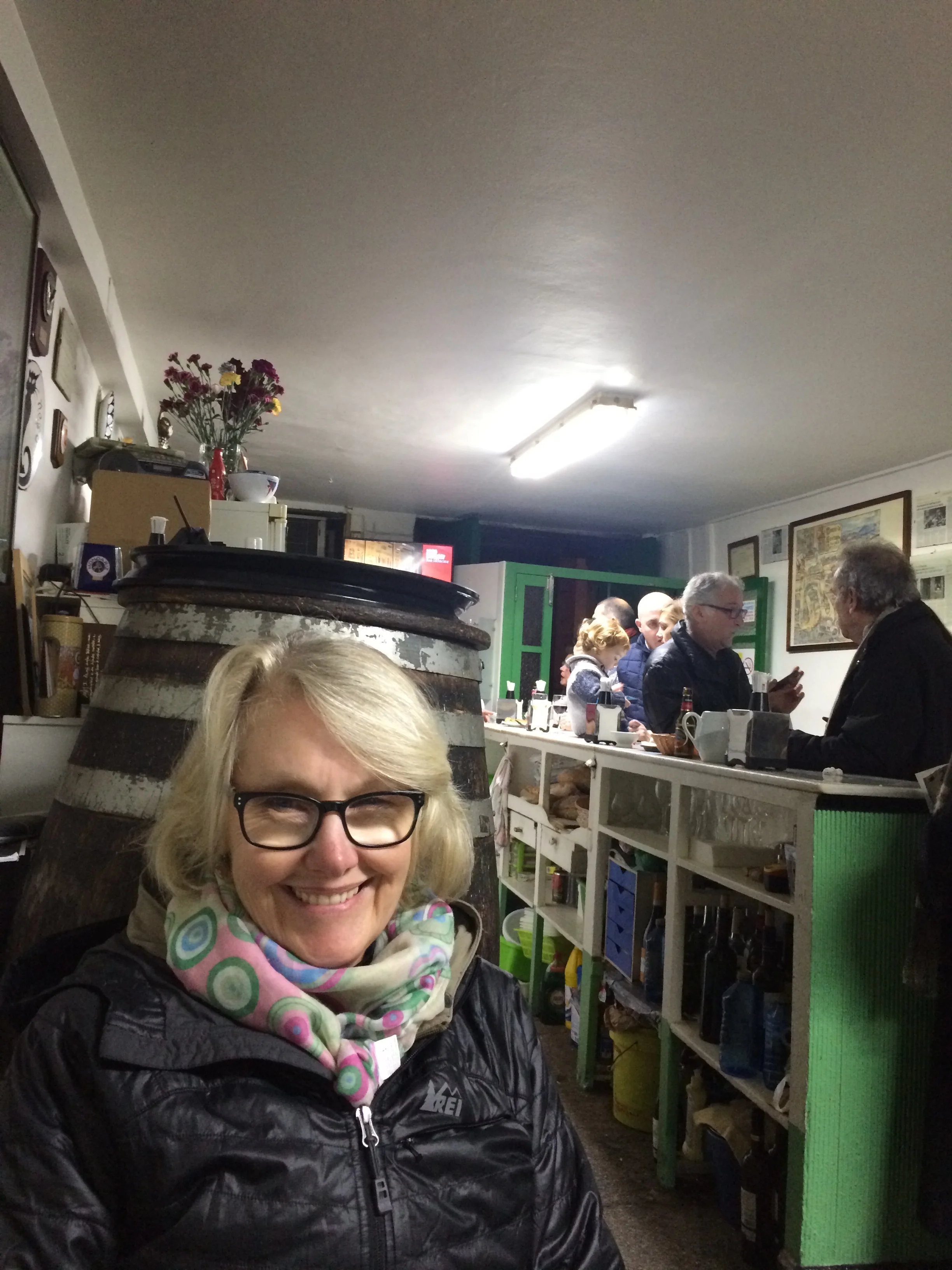
Another back alley, traditional food based restaurant with limited seating and cheap prices, to D’Gato Negro, i.e. Black Cat, we go. The place is small with a long plywood bar where patrons drink wine or beer and eat Tapas.There are a few tables by the bar and other tables in the rear. The Proprietor spots us, picks up the reserved sign and seats us at a table by the Bar. He is a ball of energy and runs a tight ship as did prior host Moreno in Caimbra. This place is known for its mussels so this is what we we order along with a jar of house wine. The mussels are tasty, even if not served in broth as we are accustomed and like very much. We order fried sausages and empanadas as well. The food, wine, and bread basket are very good. We are filled and decide to simply go back home.Good Night—see you tomorrow.


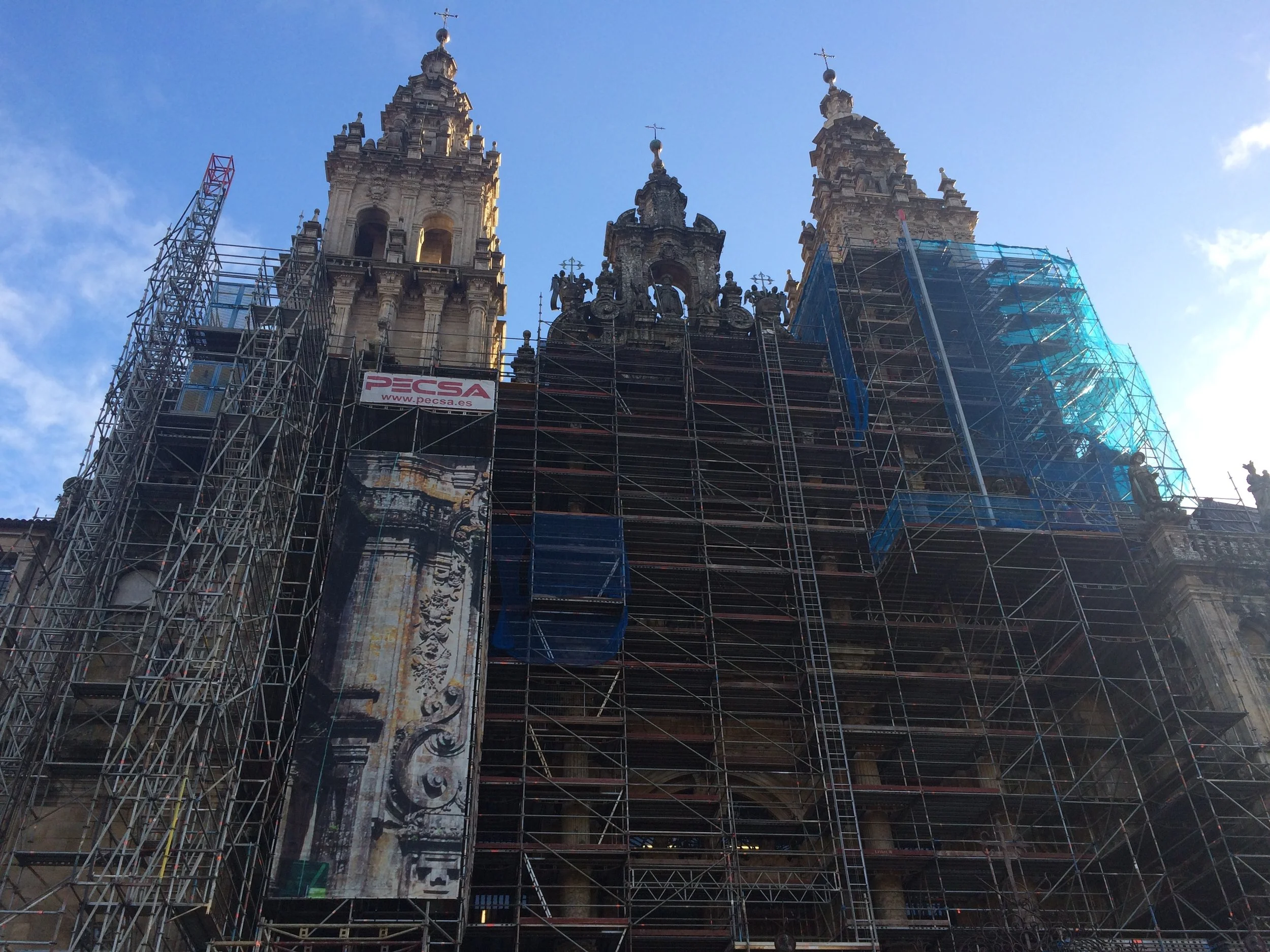
See you tomorrow is right. We slept later than ever before, 930, jumped up, got ready and went to breakfast before it closed at 10. We discussed are game plan and headed off to the Cathedral and the scheduled walking tour. Surprise, off season, no english speaking tours without reservation. To reclaim the day we reserved for 4 PM. Then we went to the Cathedral for its tour with the attraction of climbing the towers. Surprise, off season, no english speaking tours today and maybe none tomorrow. But, to reclaim the day we took the Spanish tour and got to visit the towers and walk on one of the roofs in order to get to the other towers, The view of the cloister and courtyards, and towers and spires, and the surrounding city was fantastic. We conversed a little with the guide , who was an ok person who  did speak english. We joked with her that her tour seemed good , if only it was in Portuguese since we just got back from Brazil and Portugal. Surprise, the guide was from Brazil and spoke all three languages. We did continue to talk to her about Brazil, the new museums, etc.,  which she had not seen nor returned too in a while. 

We next went into the Cathedral museum for the history of the construction and the extensive art work that had been donated by Kings and Queens and Royals to ensure their everlasting souls. The pieces really were exquisite and represented the long time period over which the first foundation, initial church, then Cathedral were constructed. The Cathedral is the 4th structure.

FullSizeRender.jpg

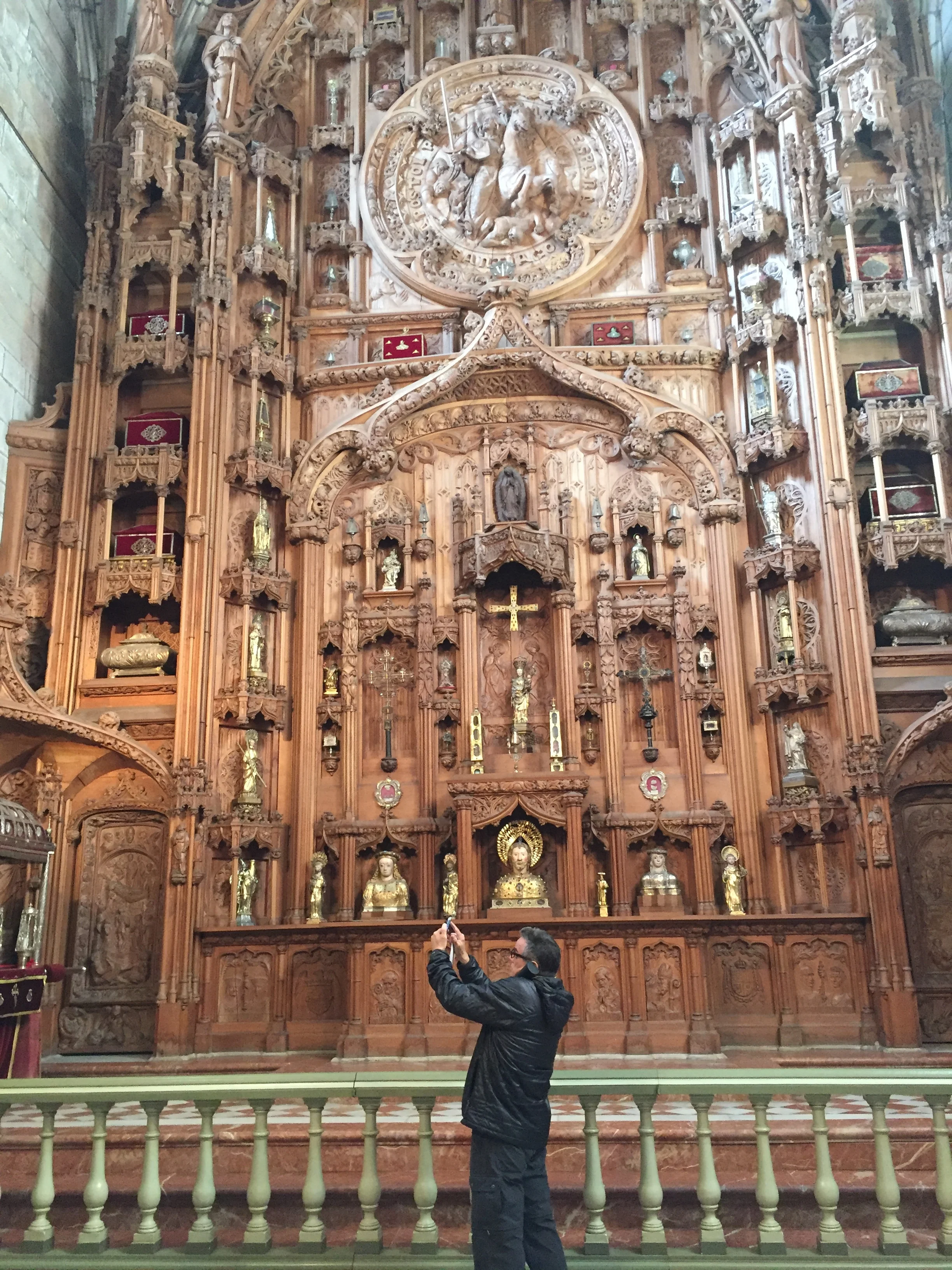
We next entered the Cathedral with its gold and silver alter, displaying a life sized replica of St. James sitting among carved Angels.   In this alter, you can walk behind the replica of St. James and hug him, as so many thousands of pilgrims have done. Under the alter, are kept the consecrated bones of St. James in a silver crypt, which of course was the historic impetus and draw to create this holy place.

The Cathedral sports a giant incense burner, called Botafumeiro”, that with the force of 8 men using rope and pulley causes this 100 pound apparatus to swing back and forth 70 degrees to anoint the church with holy smoke.

Apparently some say, the smoke would mask the smell of hundreds of weary, fatigued and smelly pilgrims sleeping on the church floor after their spiritual trek.

IMG_3522.JPG


We met our guide at 4:00. She was an energetic little gal and made history fun. We certainly talked about religious and church things, but also spent time on government, education, and economics of the relevant time periods as well as the city. The Cathedral is actually the 4th church on the site. The bulk of the structure was built between 1075 and 1211 AD. It was built in stages and the guide pointed out the the mix of Romanesque, baroque, and gothic flourishes. As darkness fell on the town, we felt we had a wonderful day.

 Our last day in the city was spent on shopping and working out details for our next month in Nothern Africa and eating and eating and eating. We love tapas and with only 3 days in Spain we had tapas for lunch and dinner.  What a treat.


Next stop, Morocco

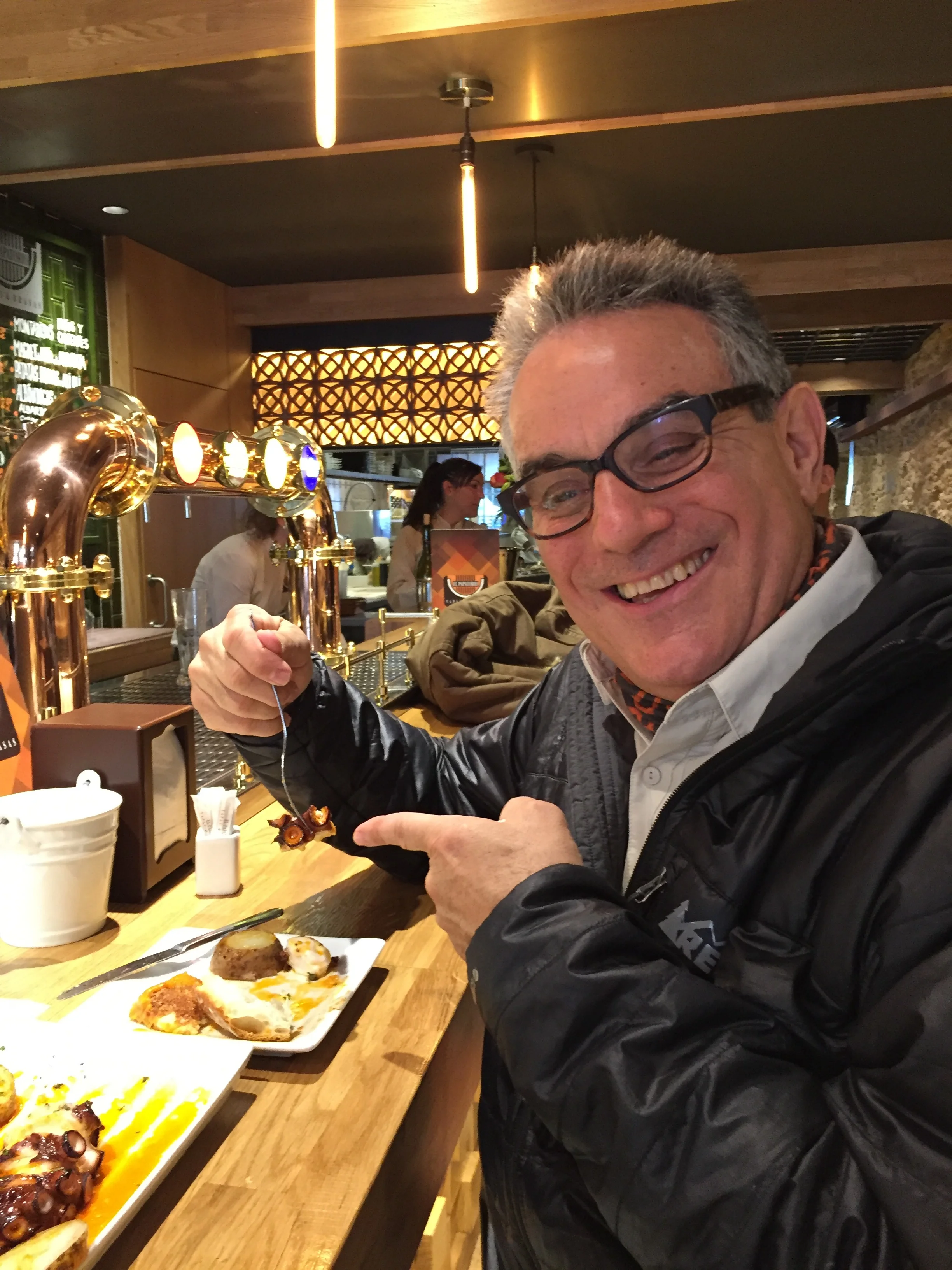
Lunch with good beer and Octopus  

Lunch with good beer and Octopus  

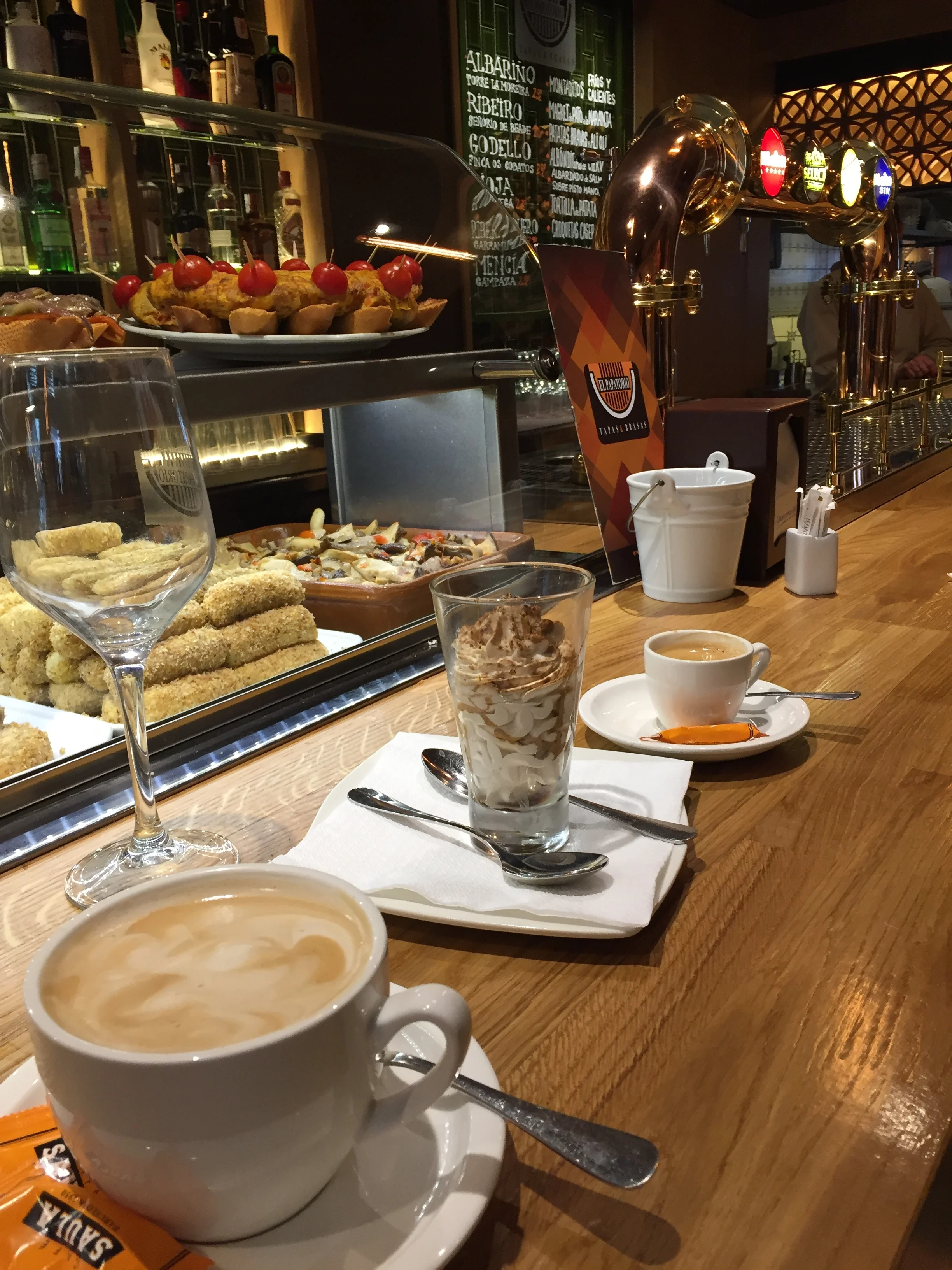
Lunch dessert

Lunch dessert

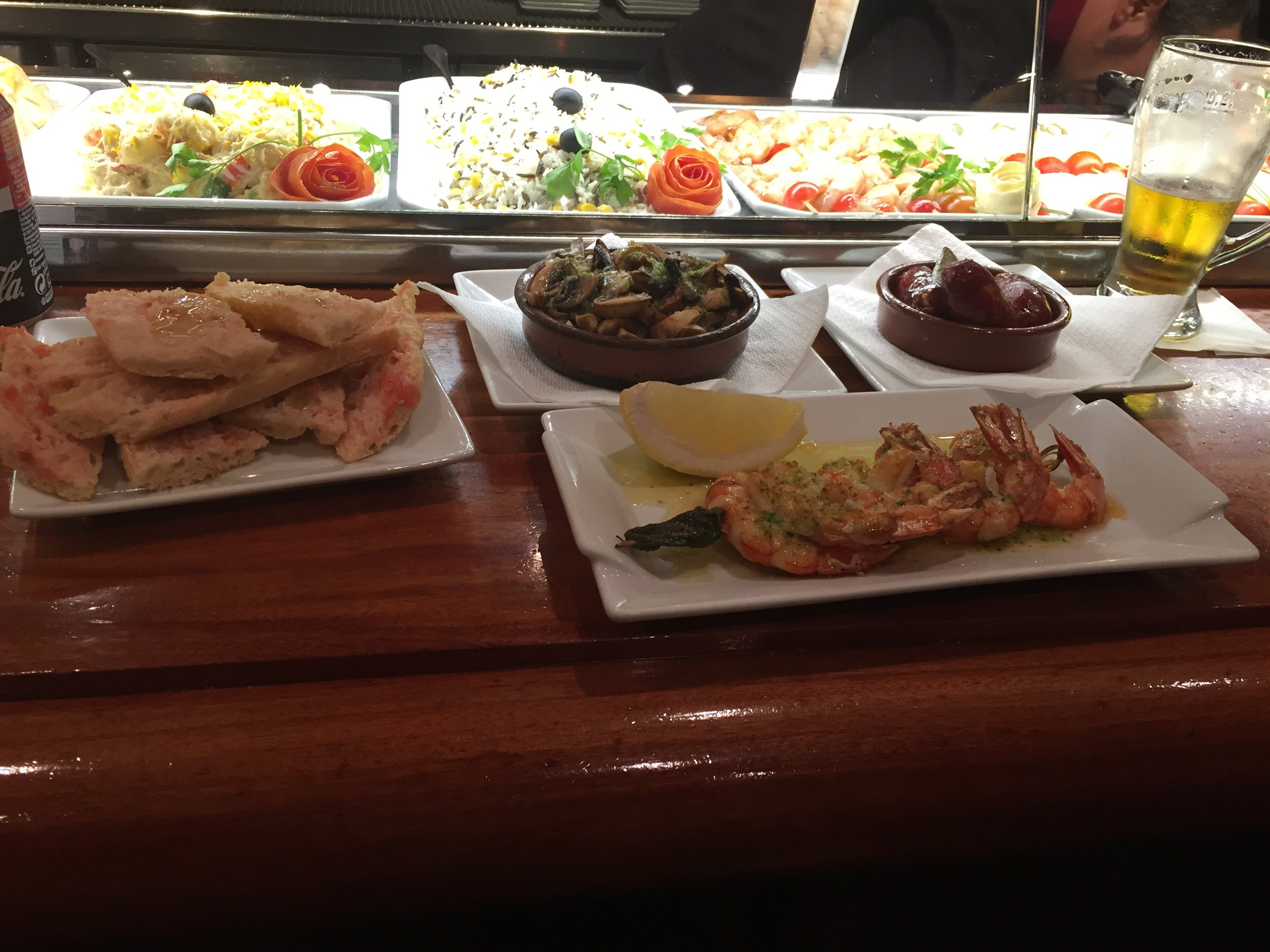
dinner shirmp, sausage and peppers

dinner shirmp, sausage and peppers

Northern Portugal

Fatima Portugal

Candles lit outside

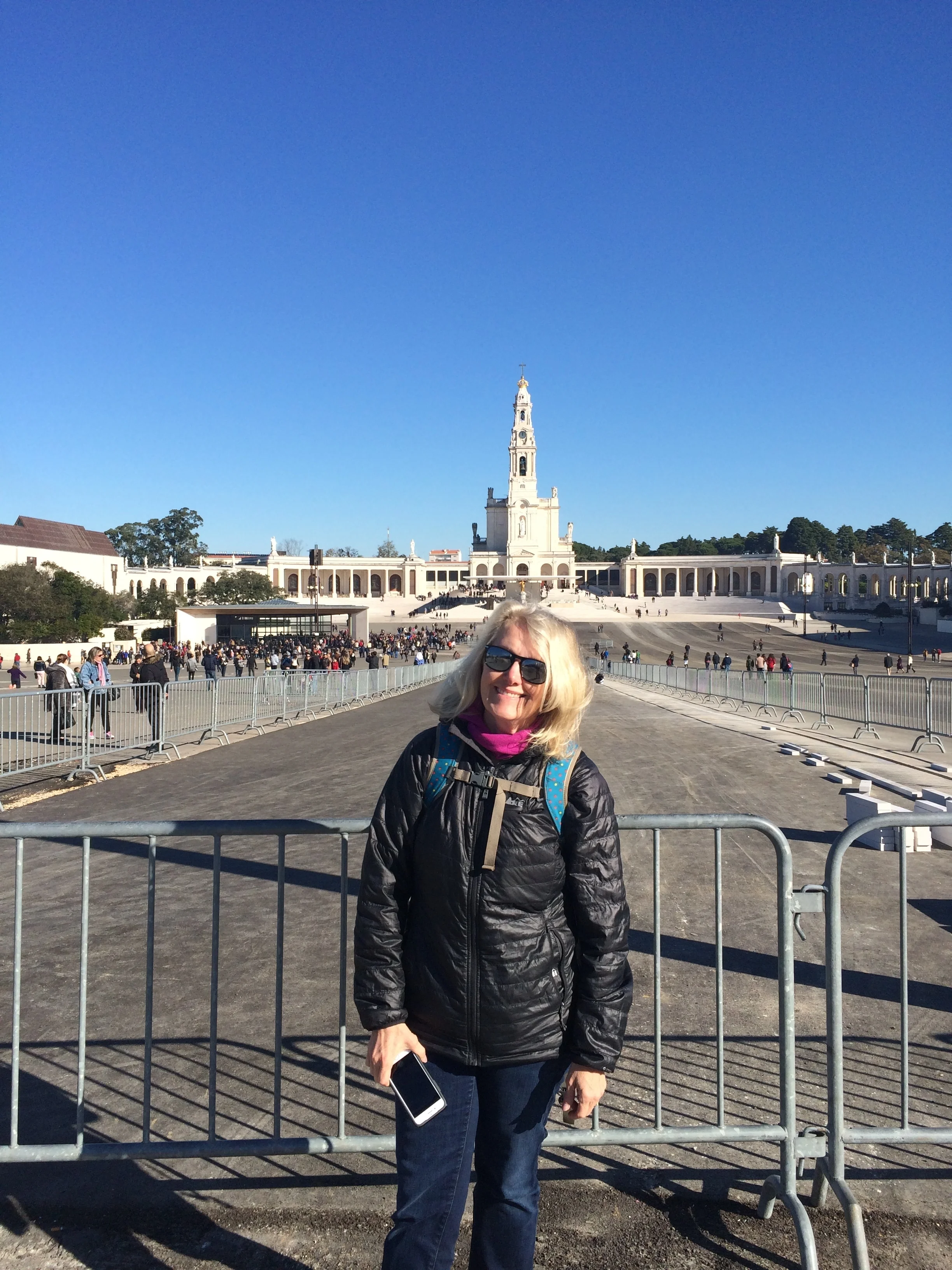
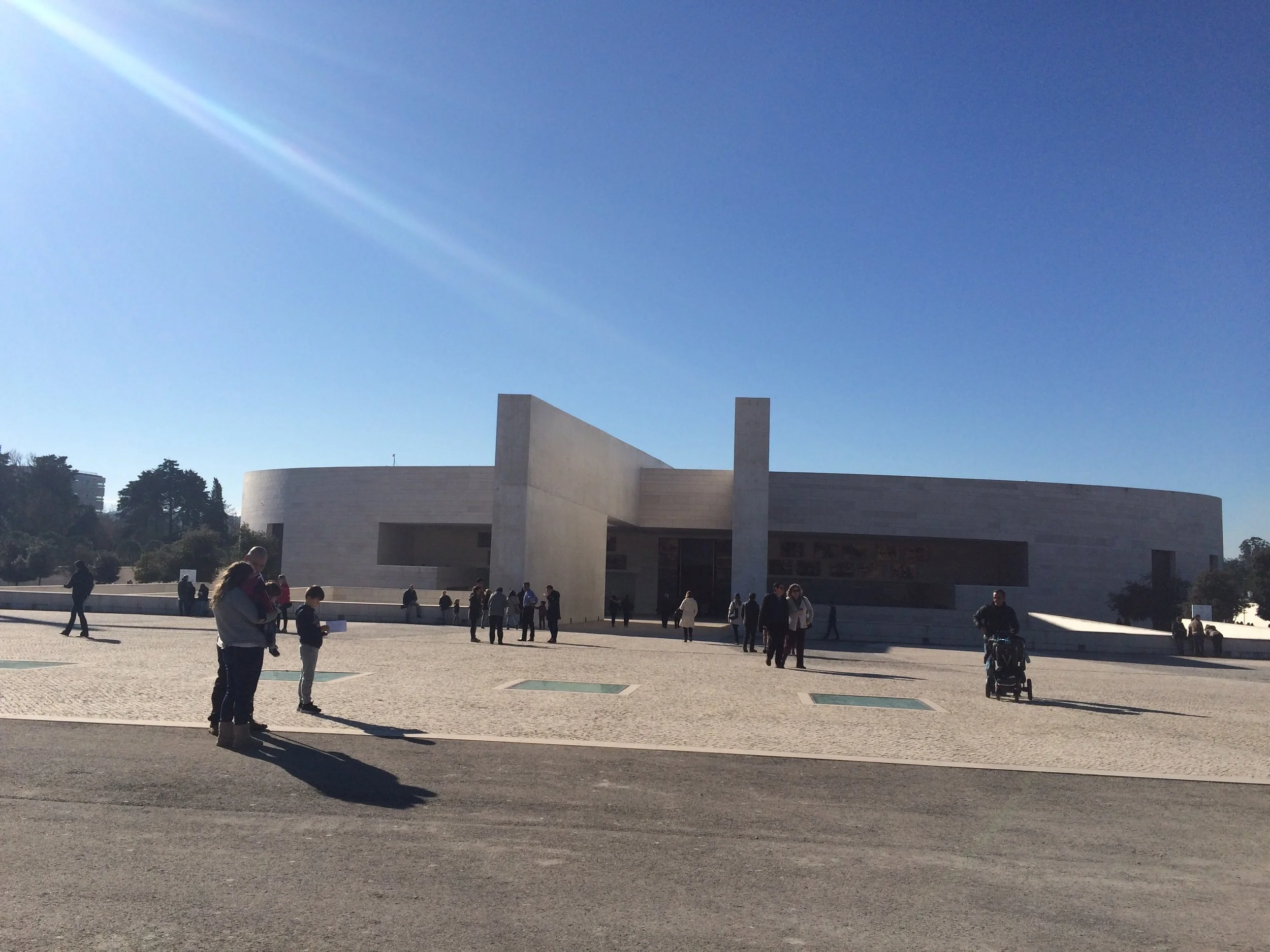
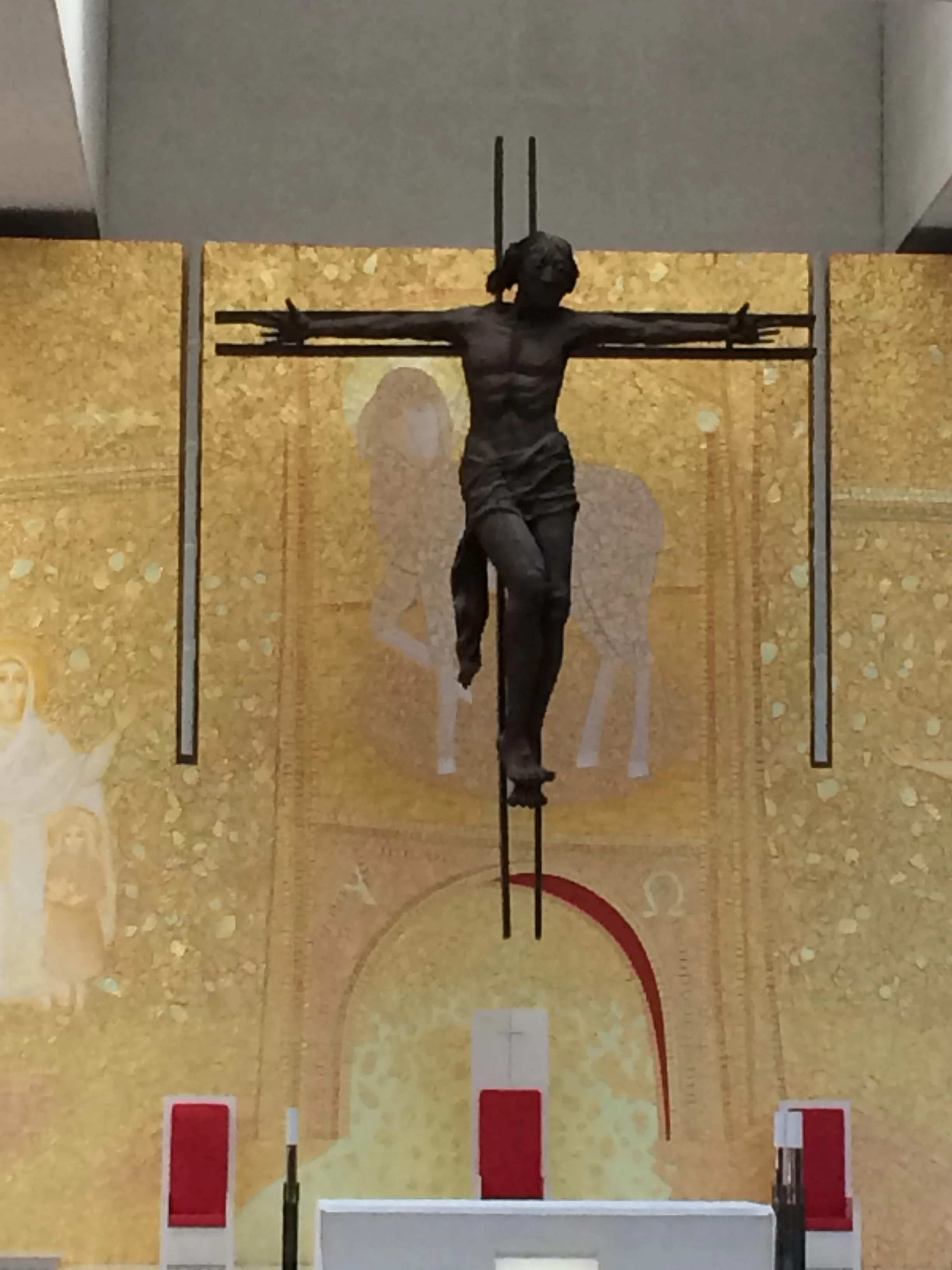
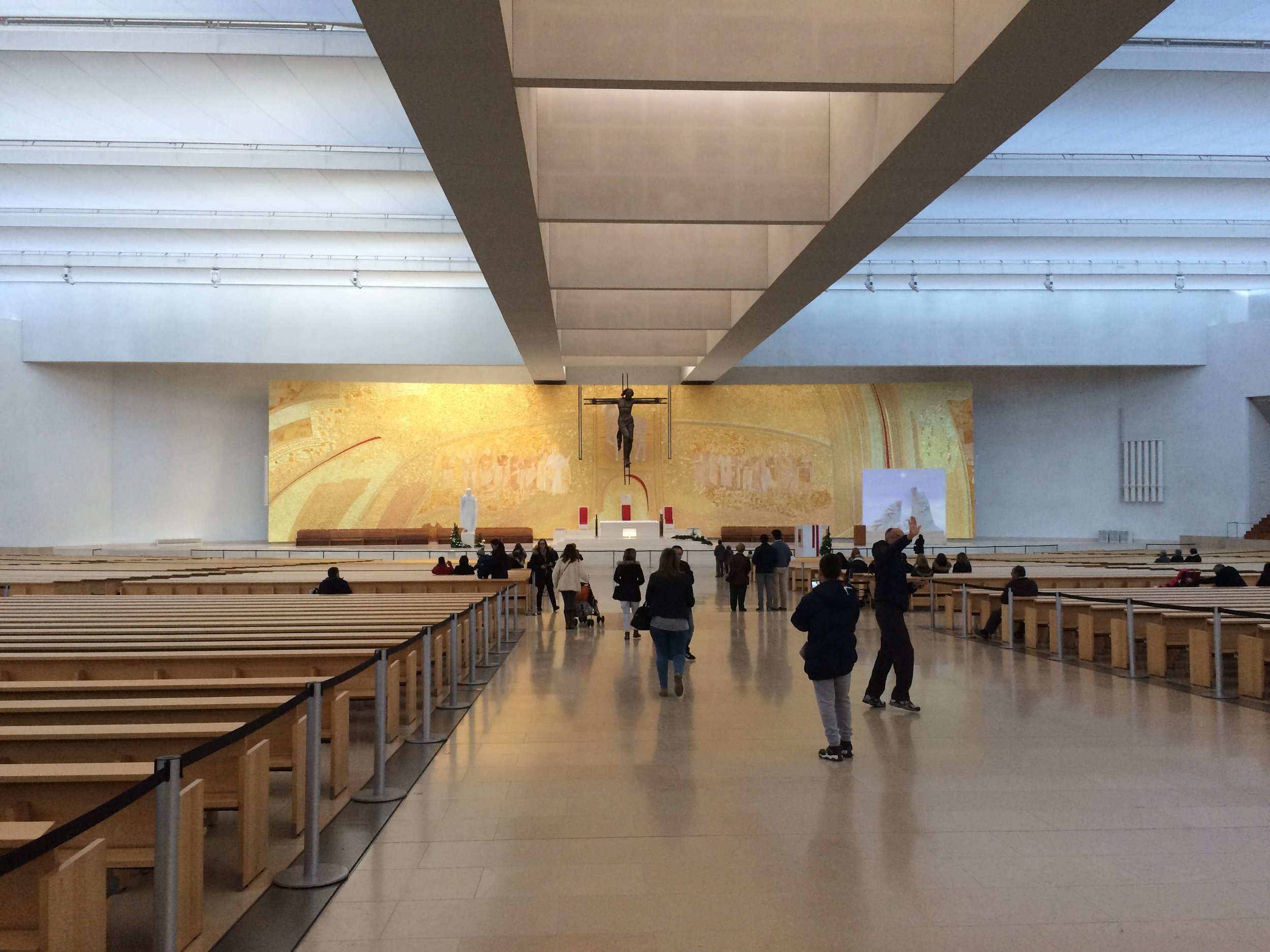
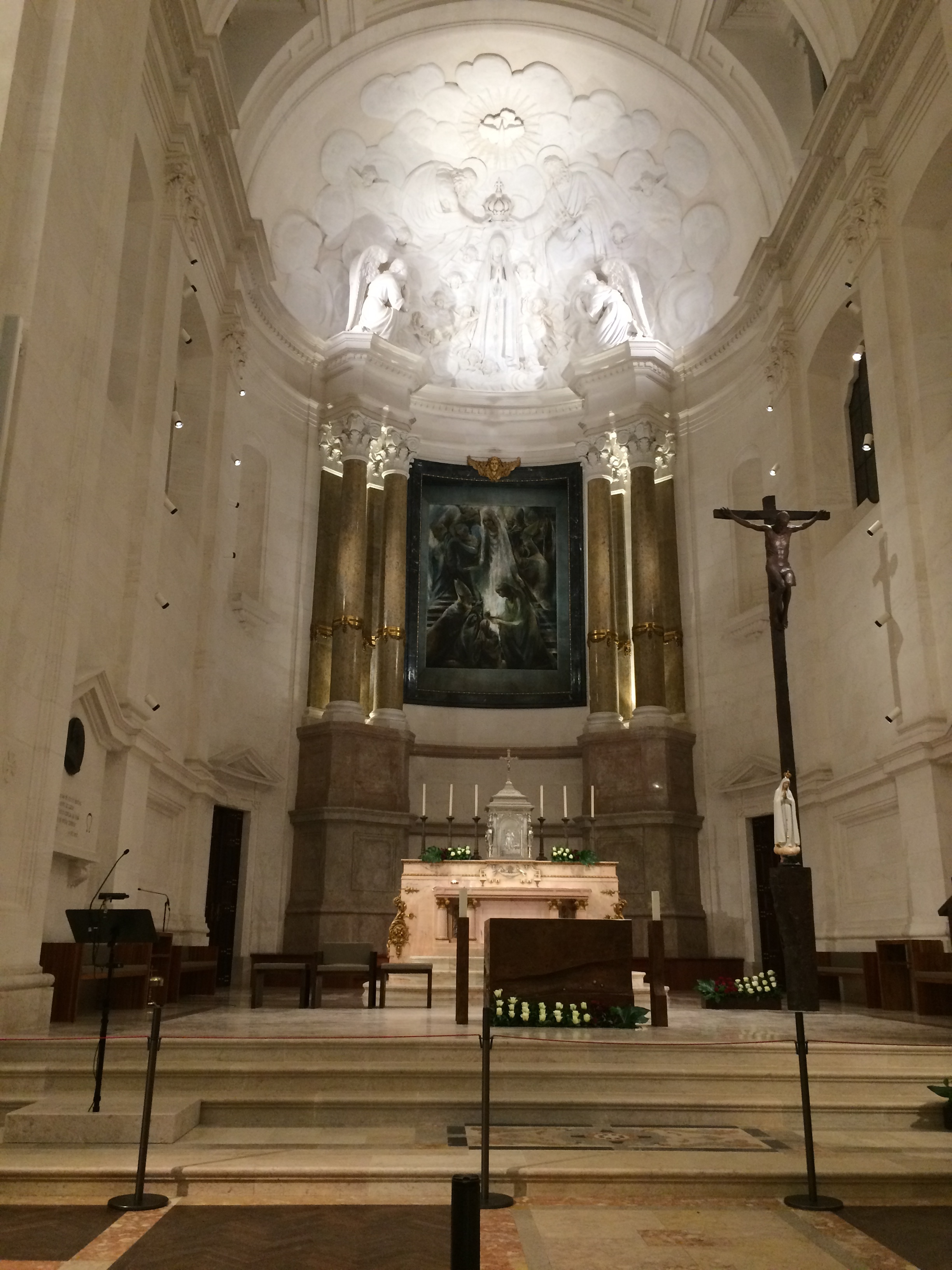
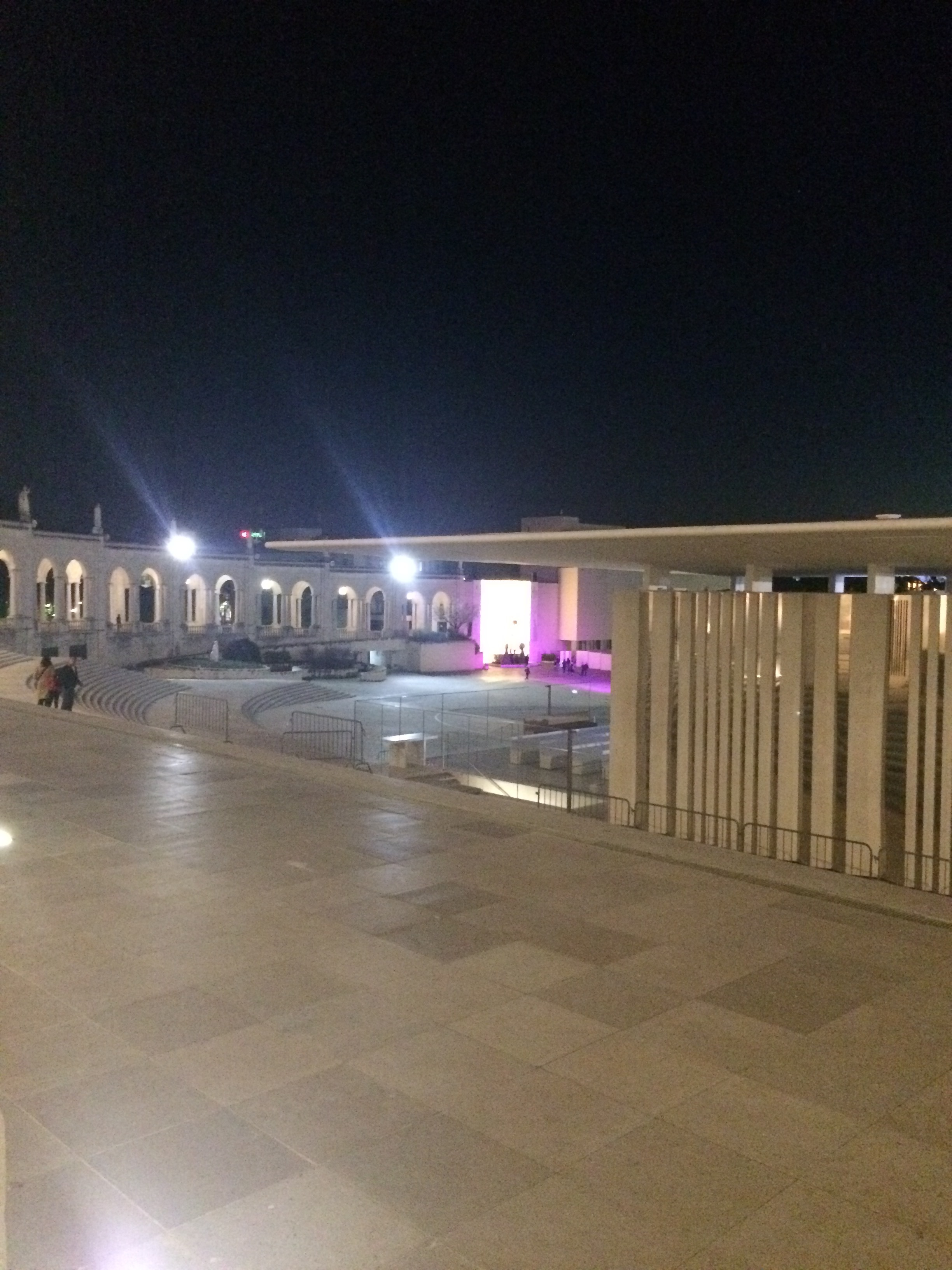
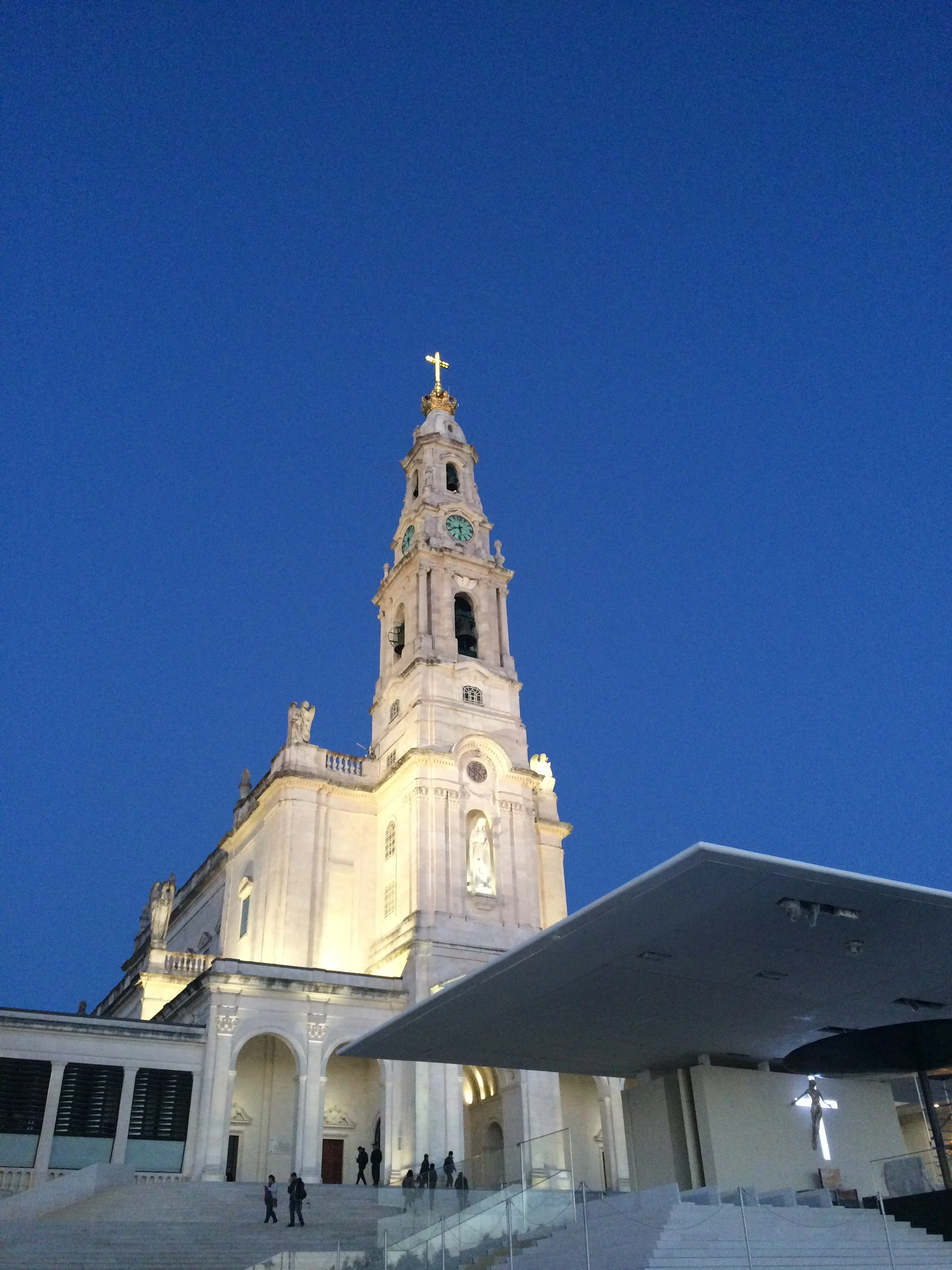
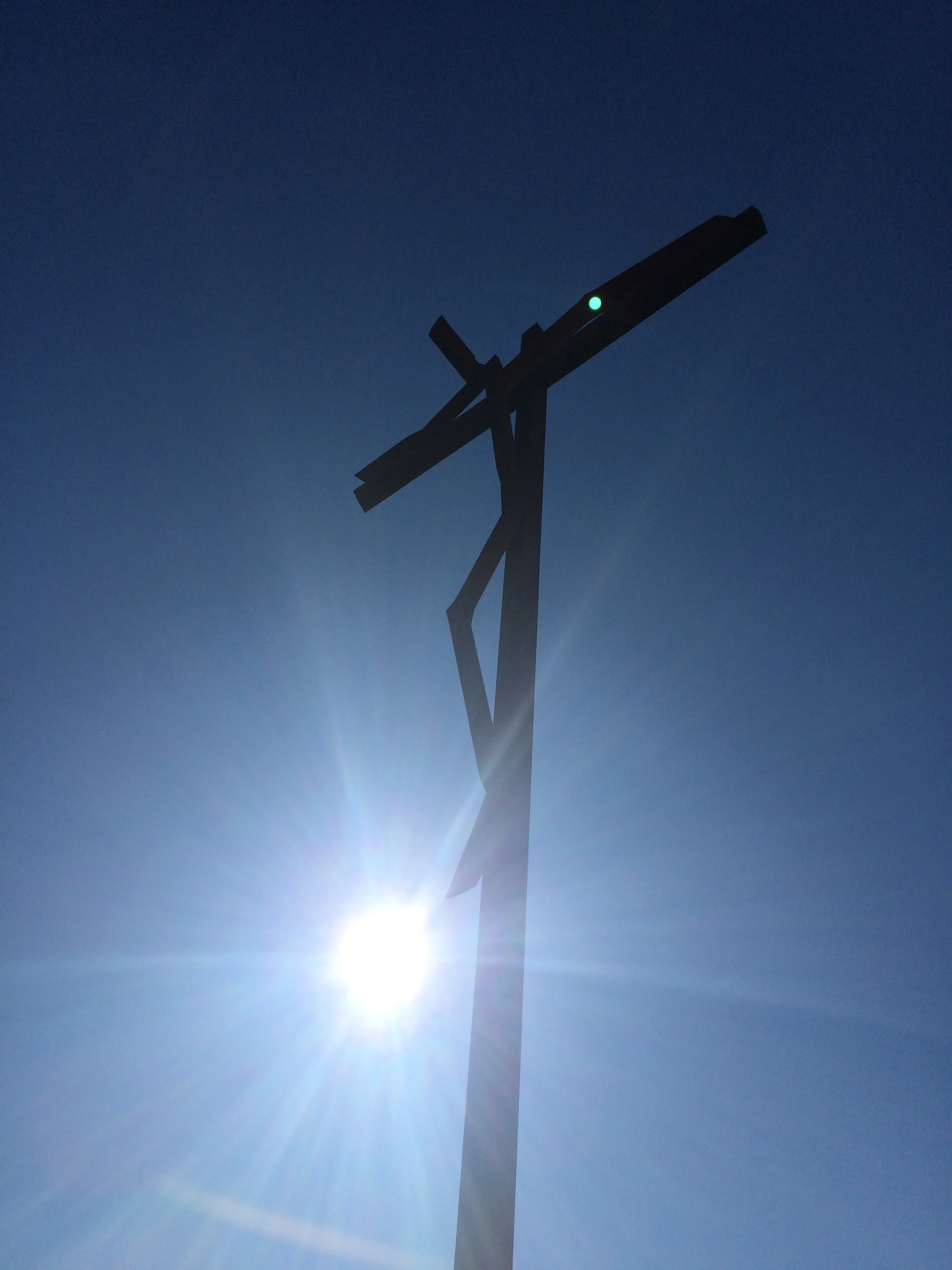
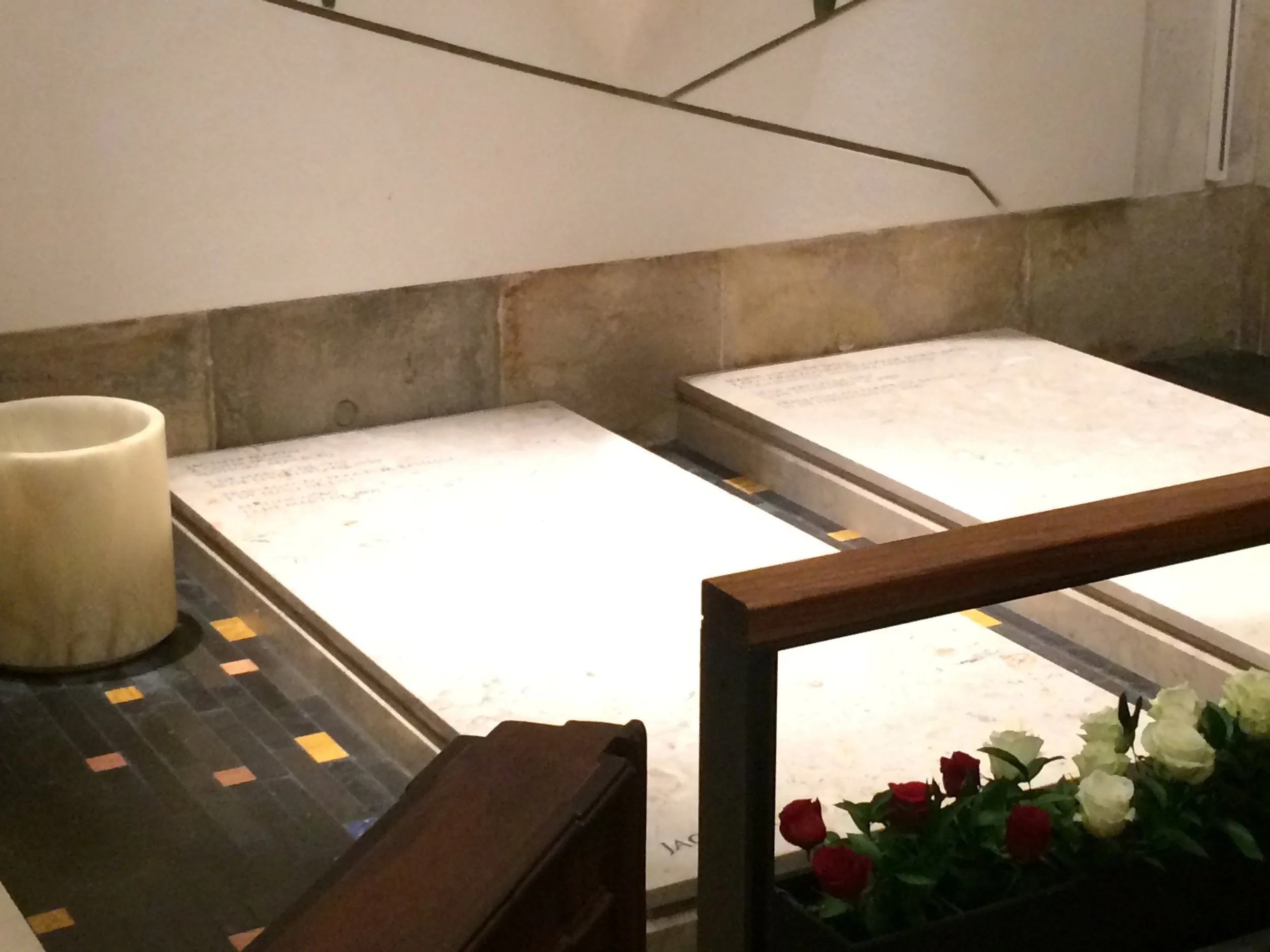
Fatima is a small town where it's said 3 children spoke with the vision of the Virgin Mary. Two of the children died young, pre-teen, the other became a nun and lived to 90 years old. This vision has been given the Vatican’s “worthy of belief” stamp of approval. Subsequently, a wondrous Cathedral with a modern look and its mega companion auditorium and its separate outdoor chapel set on the site off the vision have all been built. The city surrounds the sacred grounds on three sides. The approach to the Cathedral is all paved to welcome tens of  thousands of pilgrims on holy days. Even on normal days lesser numbers of  pilgrims approach on their knees on the designated path or  simply walk to the various sites. We enjoyed observing the open spirituality of the visitors. In truth, it is hard not to absorb  the spiritual faith of the people. The structures, icons, sculptures, and interiors of the Cathedral are transformative, bringing out latent spirituality or enhancing religious fervor. We took photos of the modern rendition of Christ on the Cross, and we were amazed to see the sun light reflected in the sky like a cross with another marking of light hovering around the Cross. Could be a photographic lens trick , but we choose to find a guardian angel. Enjoy the photos.

Coimbra Portugal

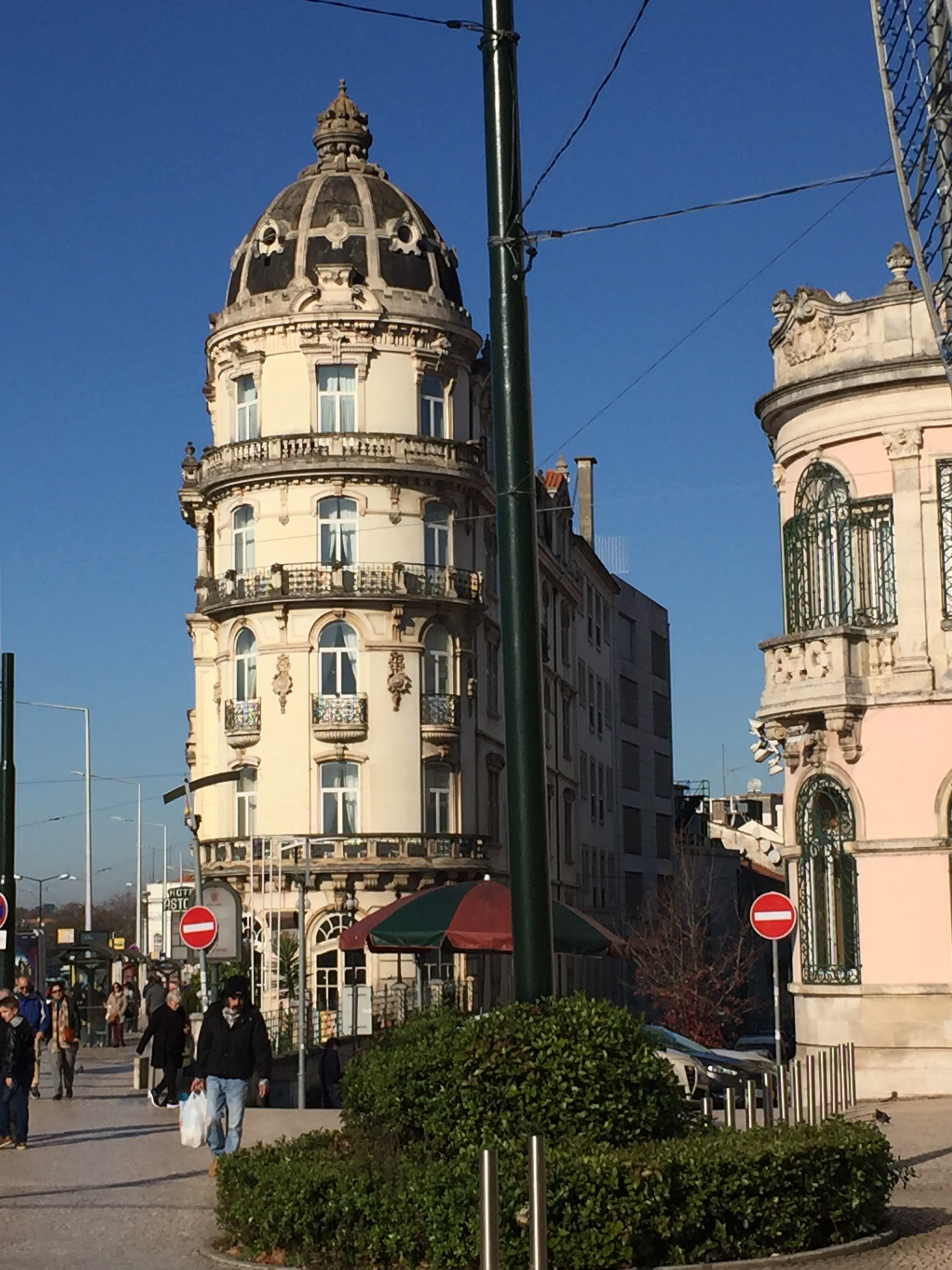
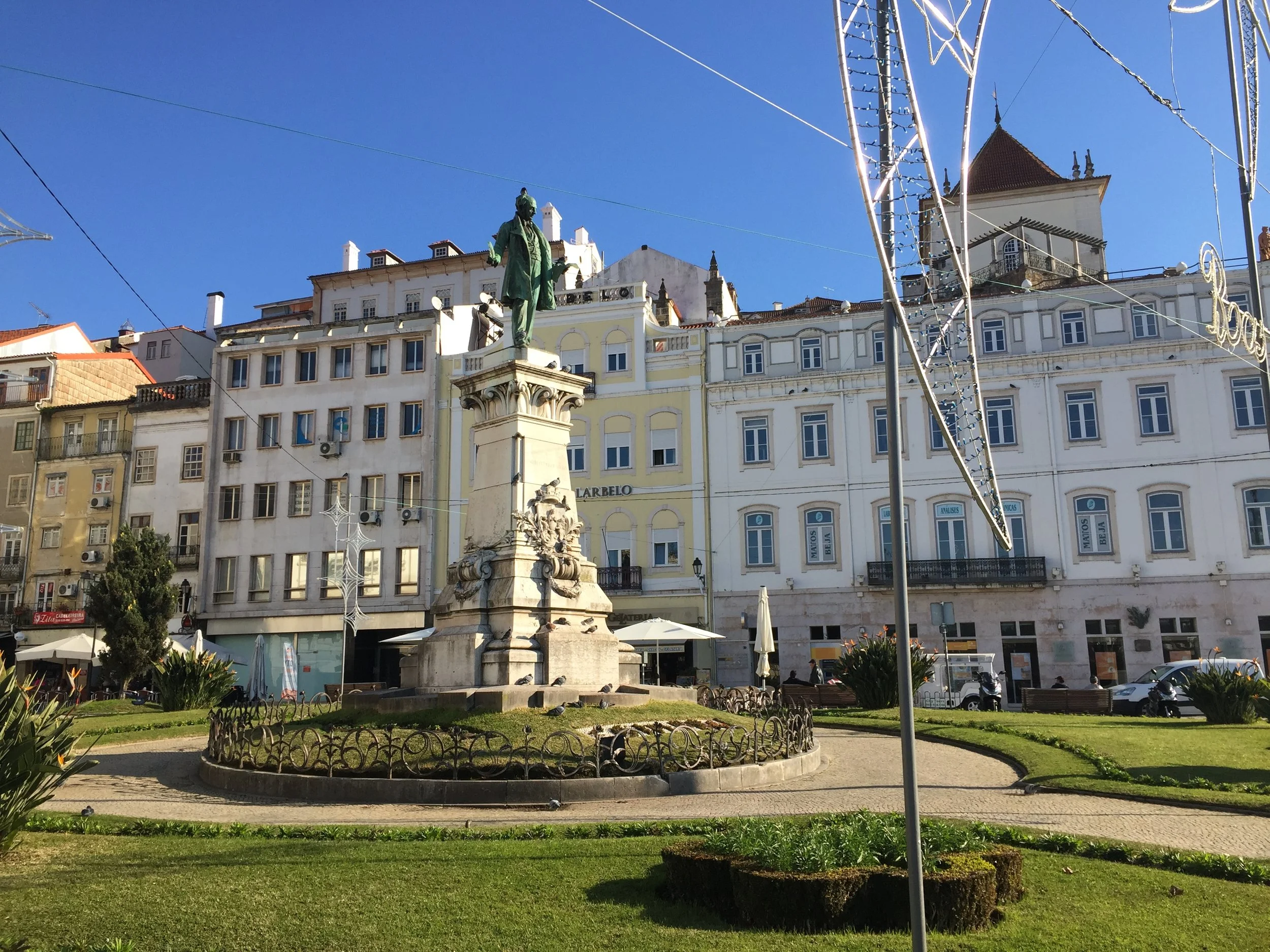
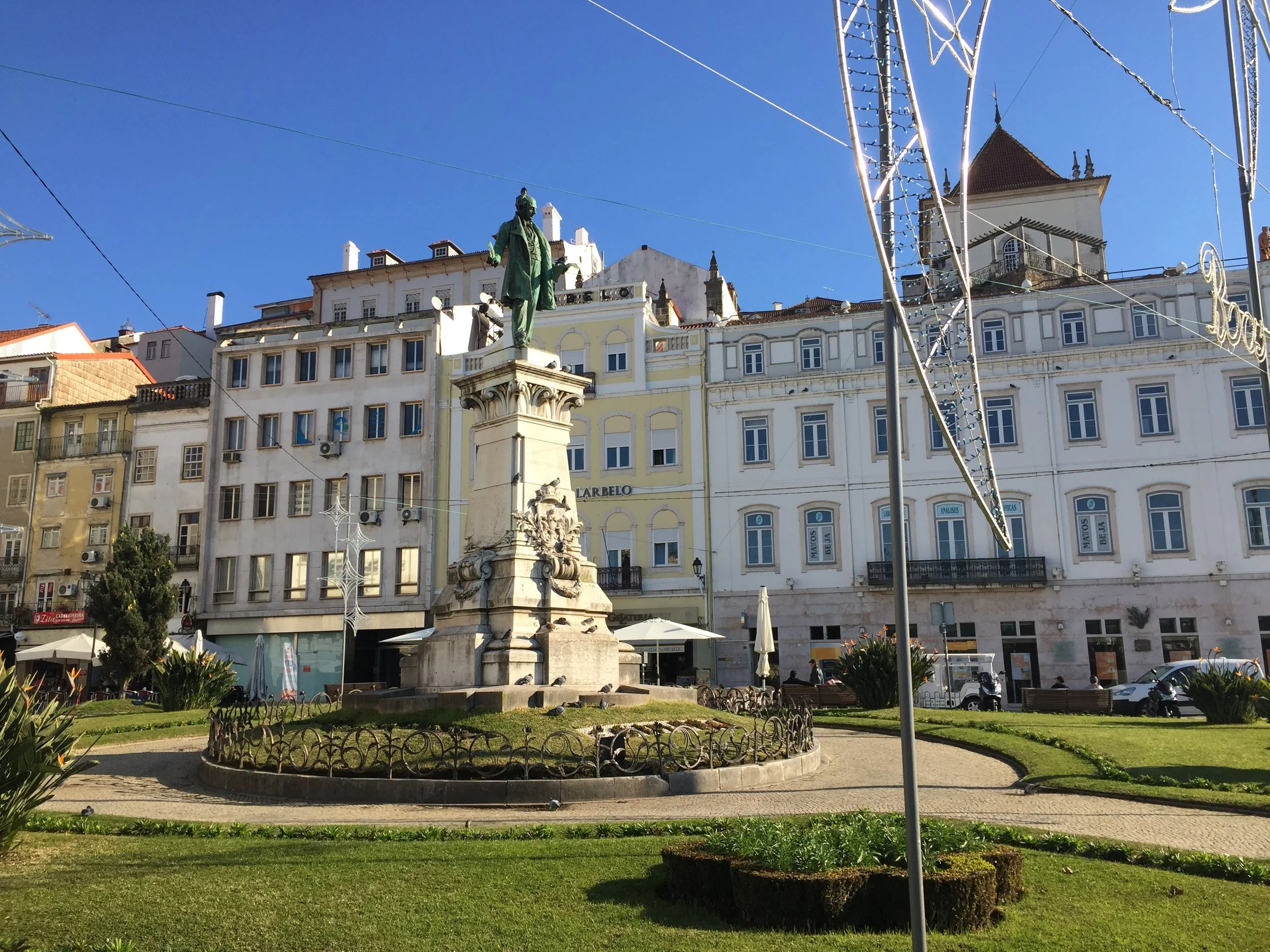
We were back on the bus again for a short one hour drive to the city of Coimbra.  After dropping our luggage off at our small hotel we went for a coffee at the town square, as we looked around the square Frank commented on a small beauty parlor on the second floor, Janet jumped at the idea and within a few minutes we were getting joint haircuts, a new first as a couple, boy the togetherness just keeps getting better or maybe weird!!


Our new short hair look

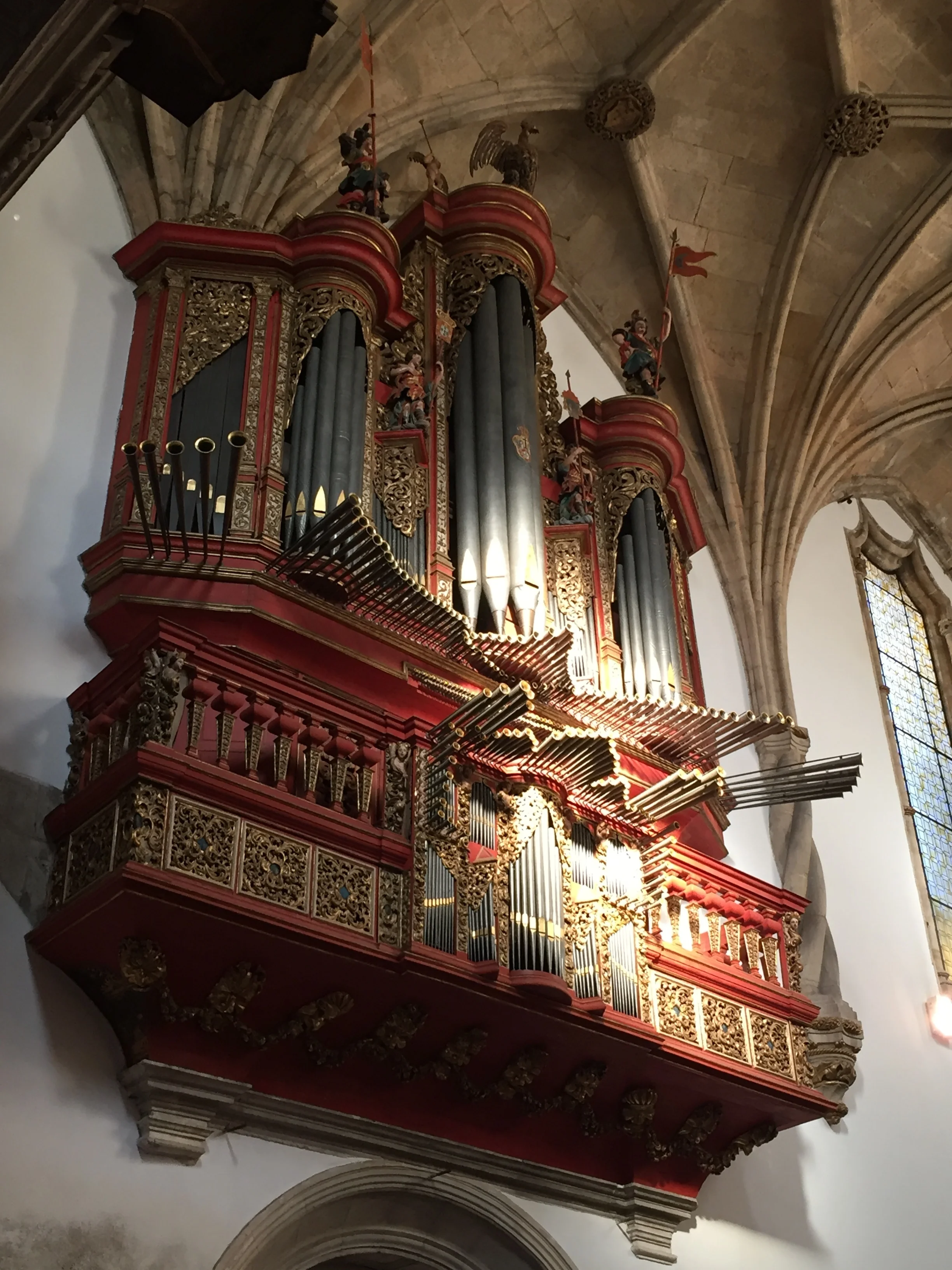
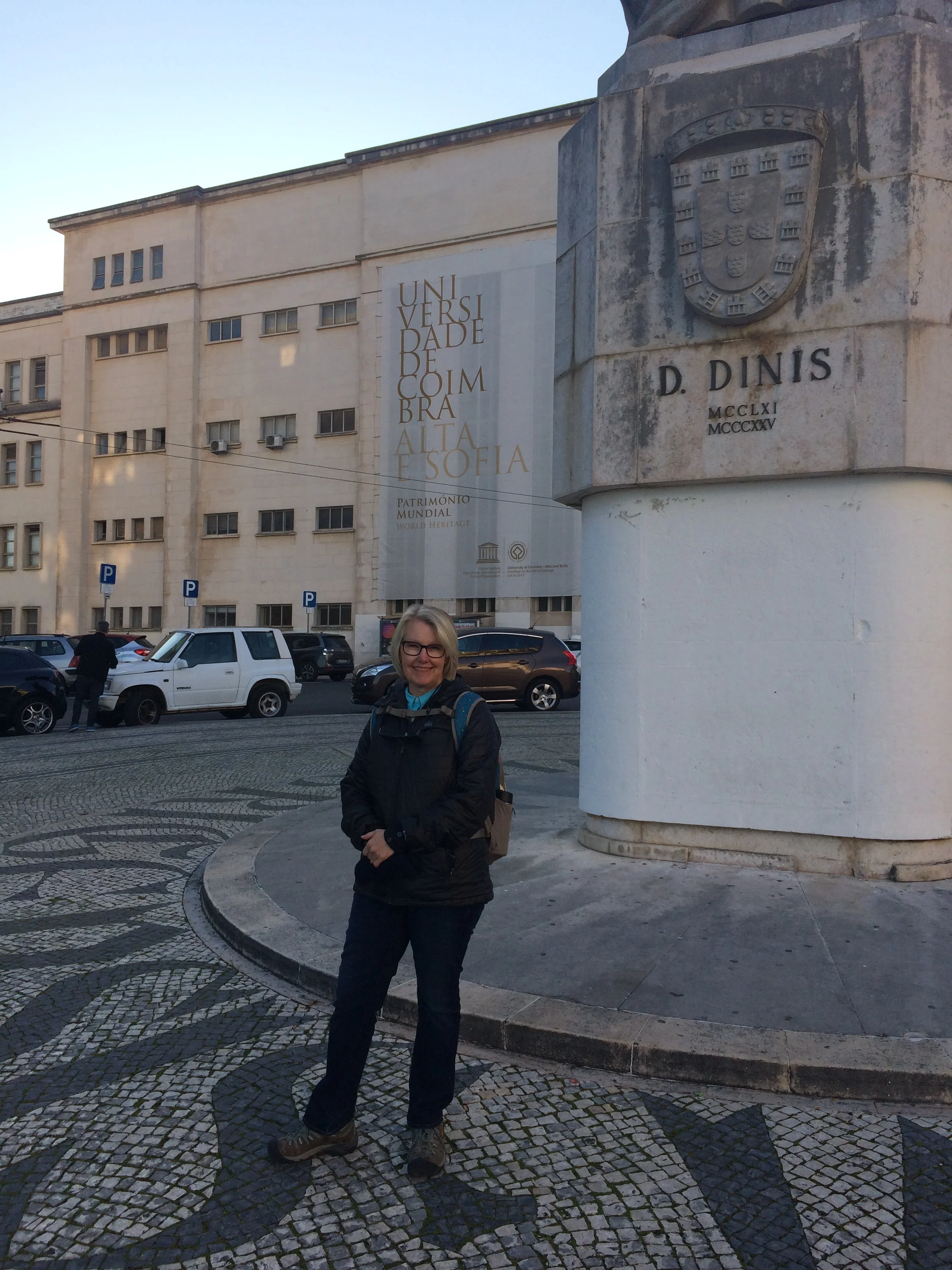
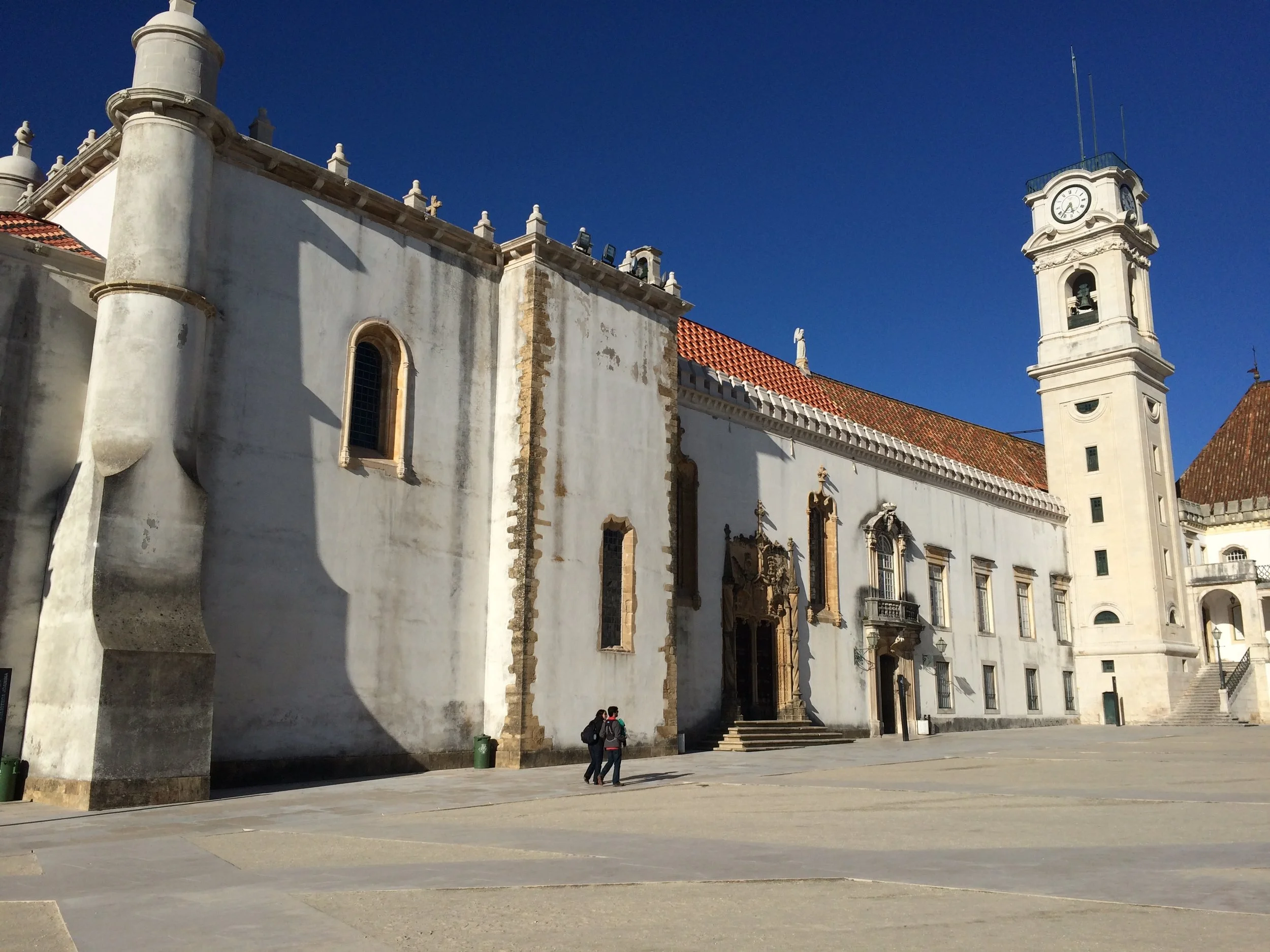
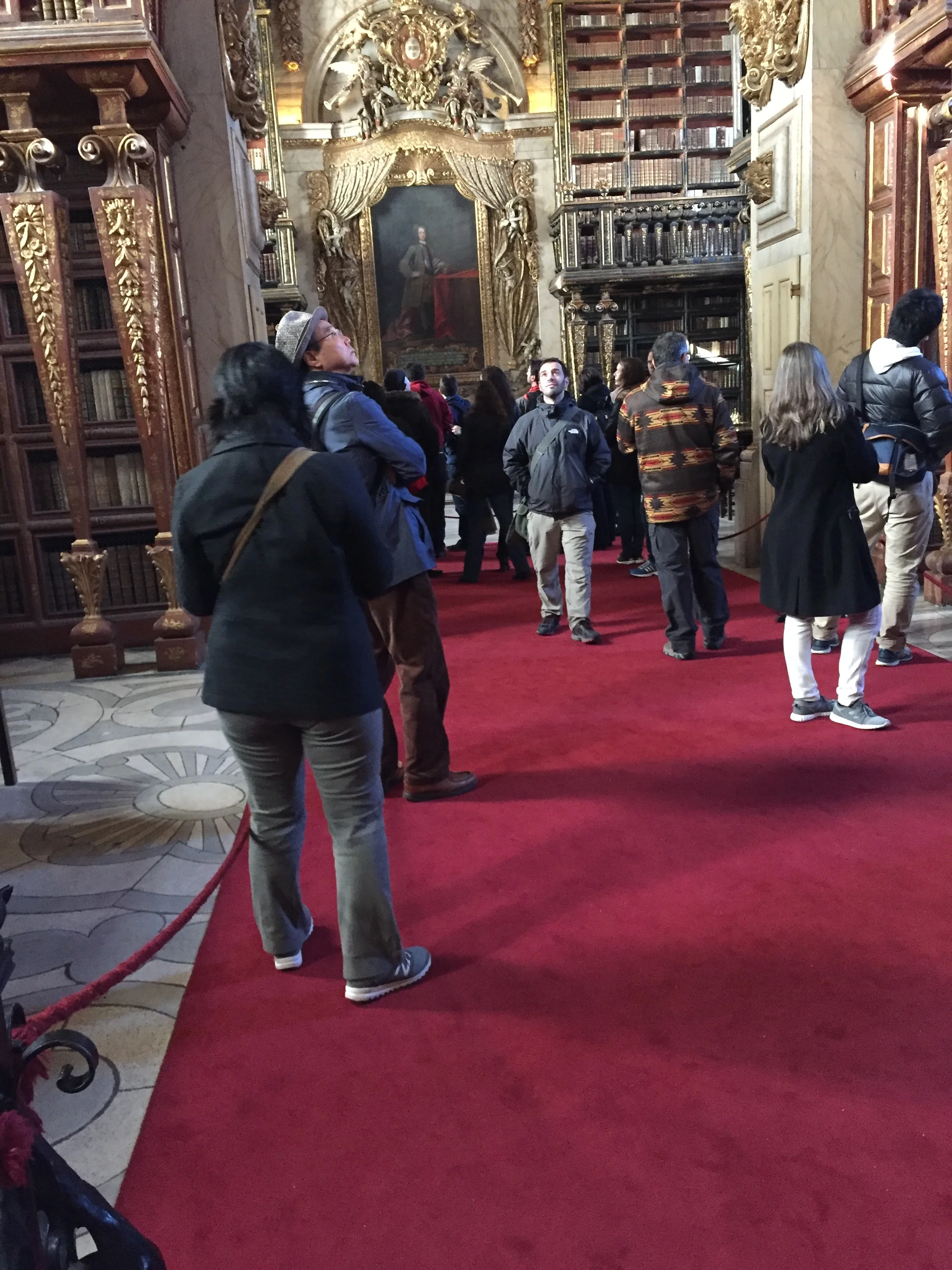
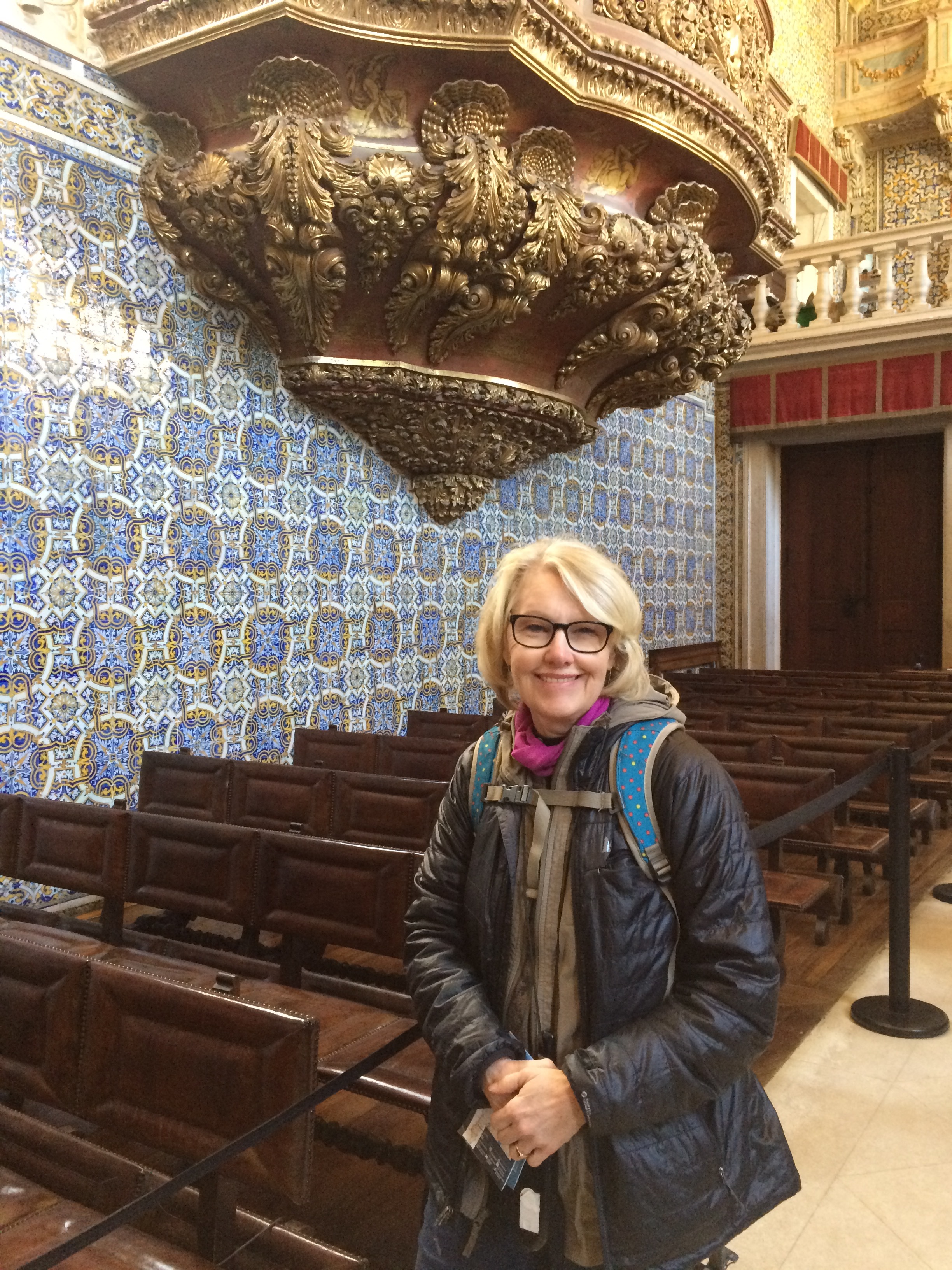
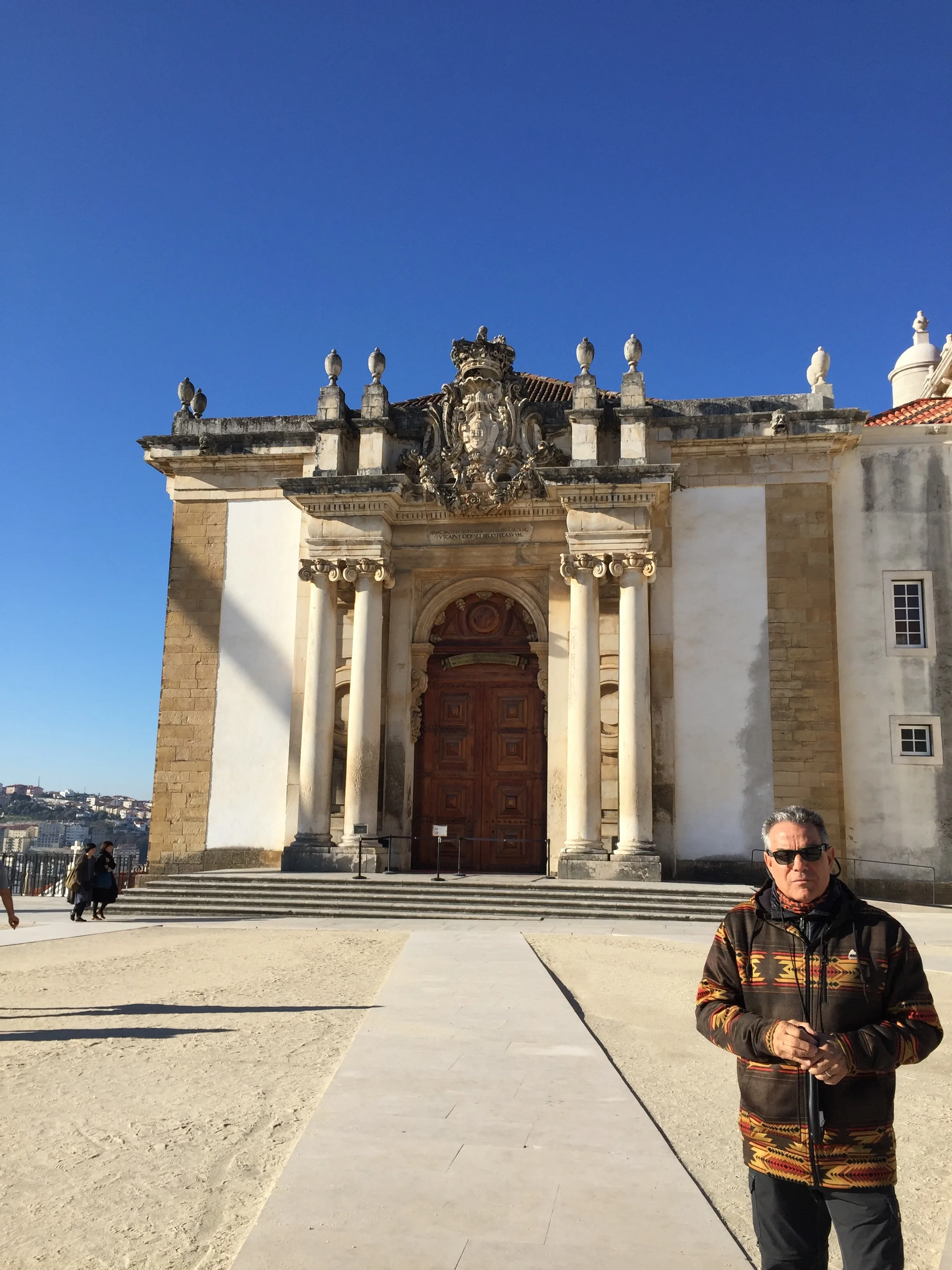
Coimbra is a university town, like East Lansing. The University of Portugal at Coimbra is the oldest and most prestigious university in Portugal. The college site had flipped back and forth to Lisbon and back for centuries, but finally in 1786, the King ordered the permanent site in Coimbra on the high grounds overlooking the river and in the buildings that were the royal palace and, the Cathedral.  Here the royal library still stands and is filled with ancient texts as well as newer editions that raise to the ceiling. The book binders of various colors add the the vibrancy of the mural ceilings and painted wood work. This is the most beautiful library I have seen save the Library of Congress building in Washington D.C.  Apparently in the ancient stacks are protected in part by a family of bats that eat moths. The wood carvings and research tables are covered at night to combat dropping stains. Next to the library is the Cathedral of many red colors. It is also ornamental and lovely.


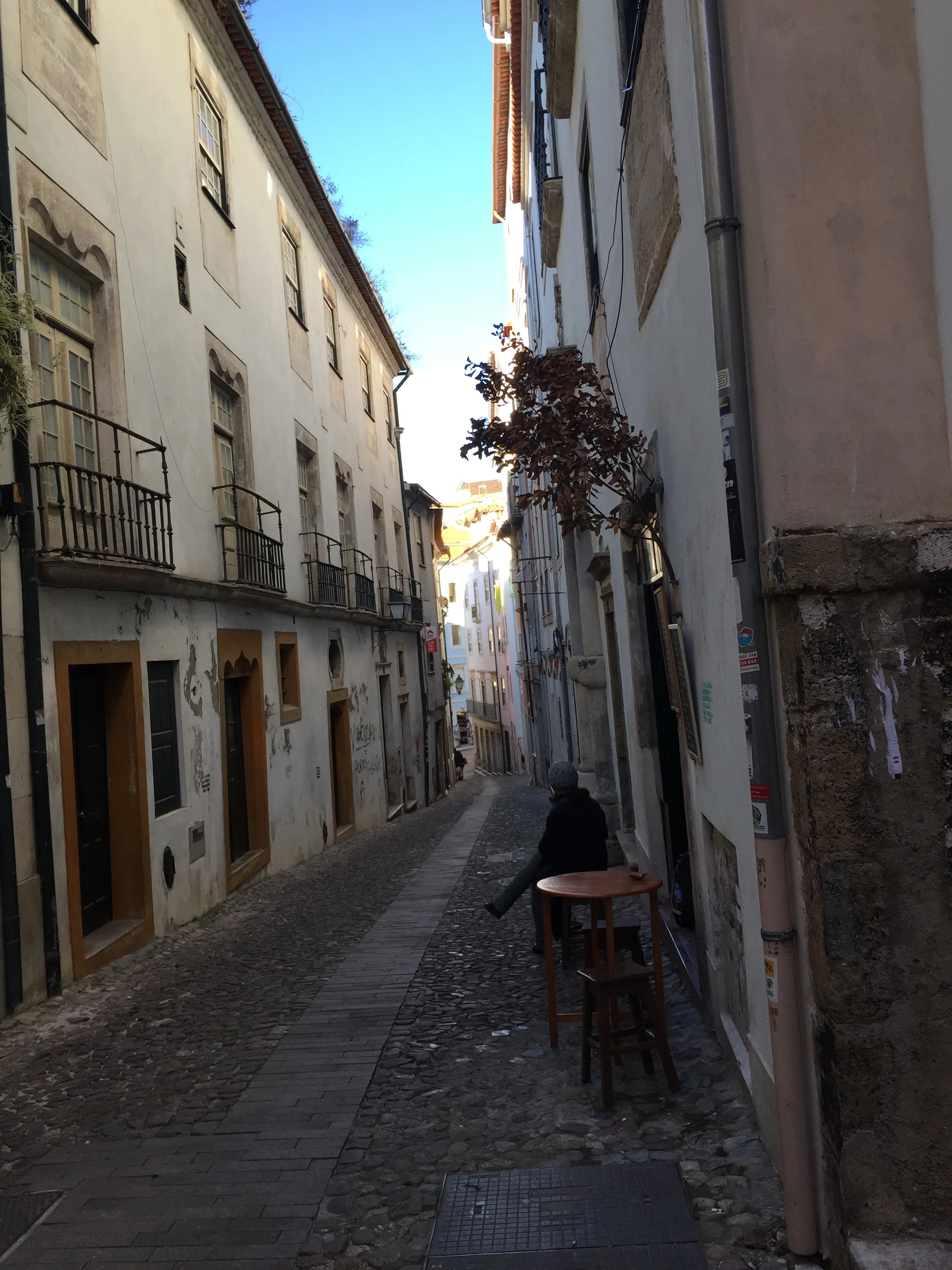
The original palace class rooms are large lecture halls with nice ceramic tiles and complex painting. Apparently several kings were born in these rooms which are now law school classrooms. On this hilltop campus there are buildings for Classical Studies, Law Studies, Mathematical Studies and Medical Studies. Of course the Medical and Engineering Studies have new campuses with modern buildings and equipment, and hospitals. Walking up to the hilltop campus is through the narrow winding cobblestone streets of the traditional town, now this area is used for residential housing by students and marked with political sayings and drawings. We had a small walking tour of this area and the traditional area too. Our guide was a former student at the university and very proud. As well she was involved in a preservation group for this area. Our fellow travelers where tourists from Connecticut who were fun to be with. We shared some roasted chestnuts and dinner tips, and one was a college professor in Connecticut. We bid them goodbye.

Tapas Dinner

The winding hilly streets are vibrant, full of hotels, shopping, and restaurant.

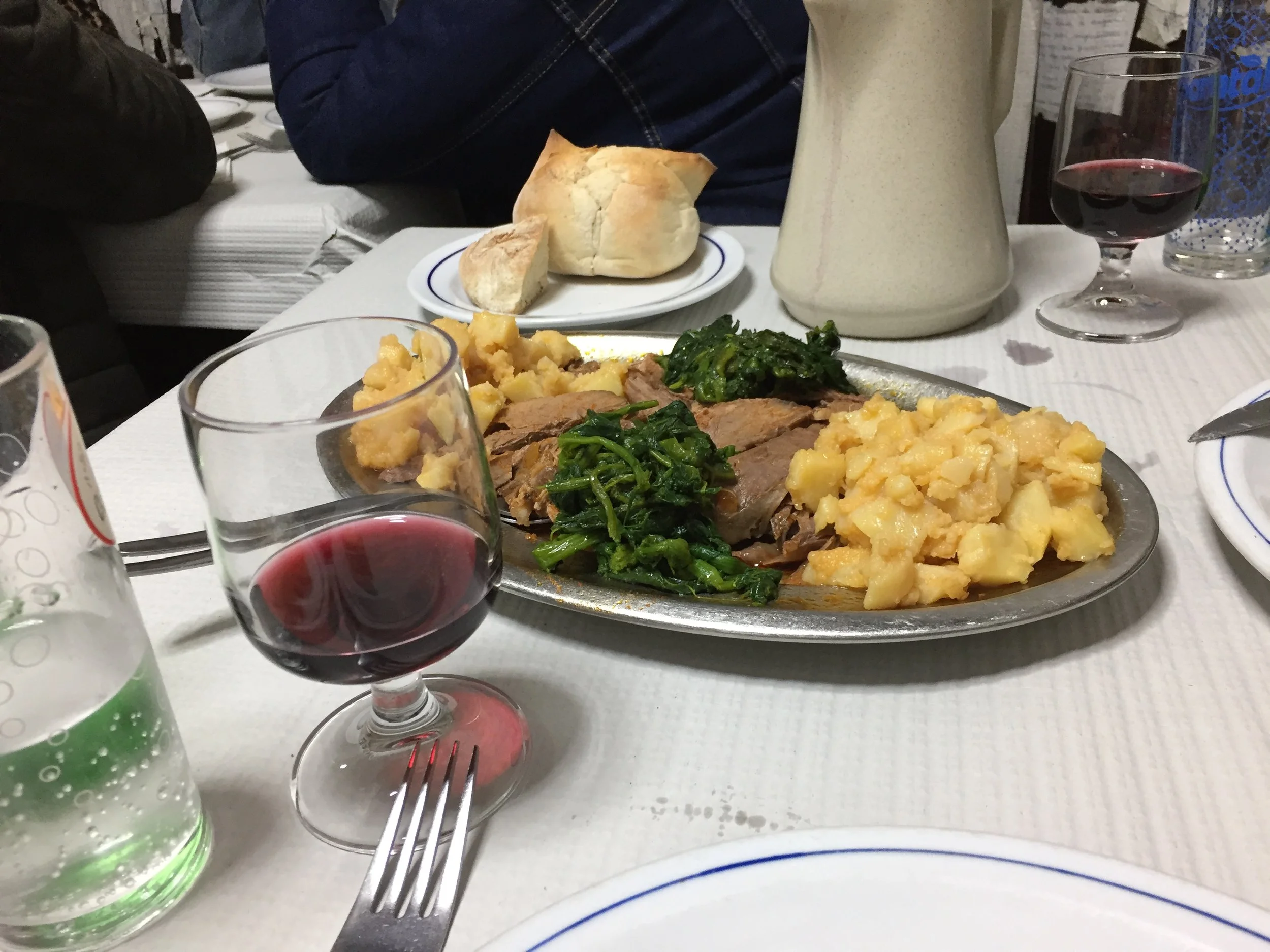
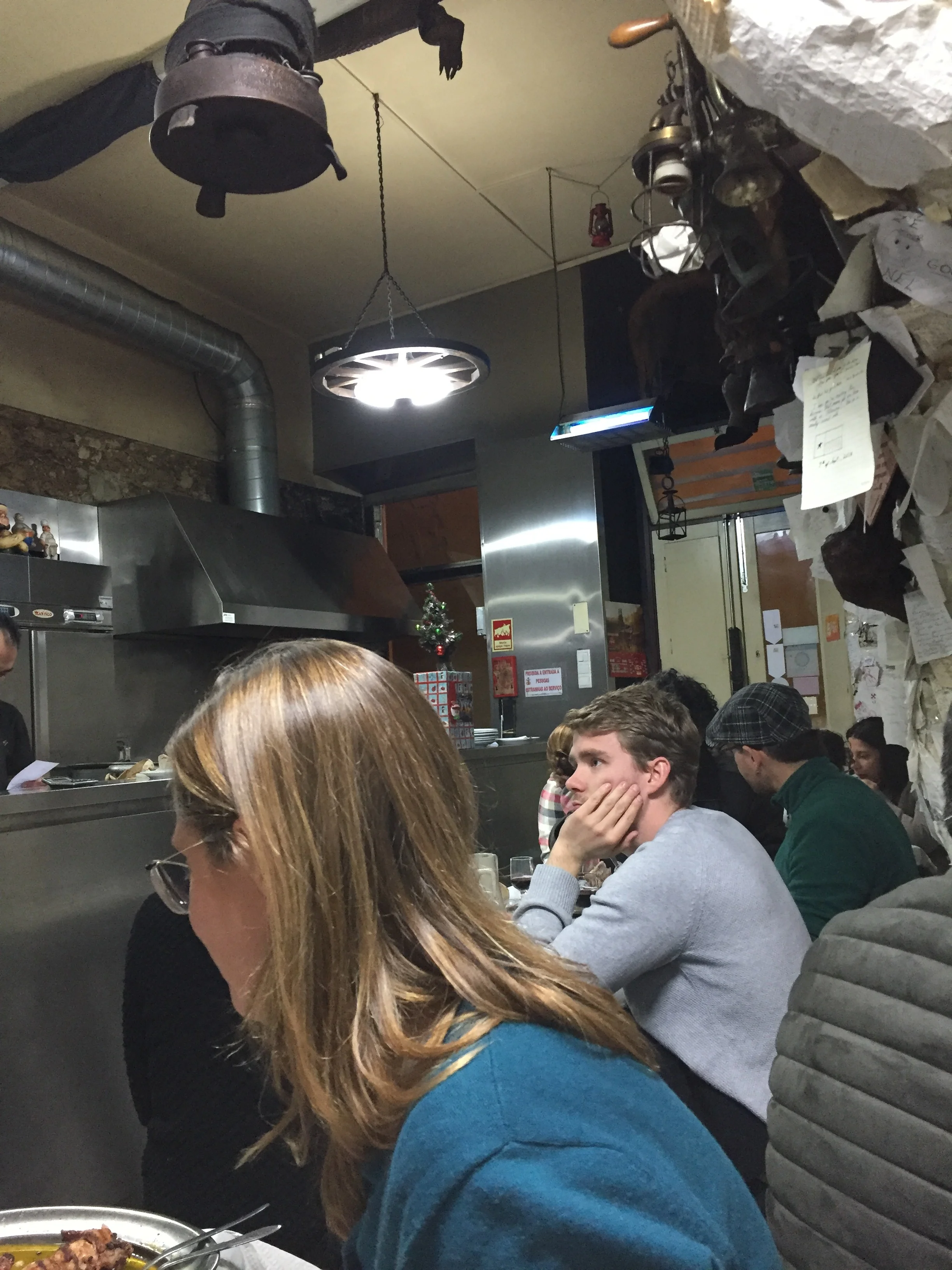
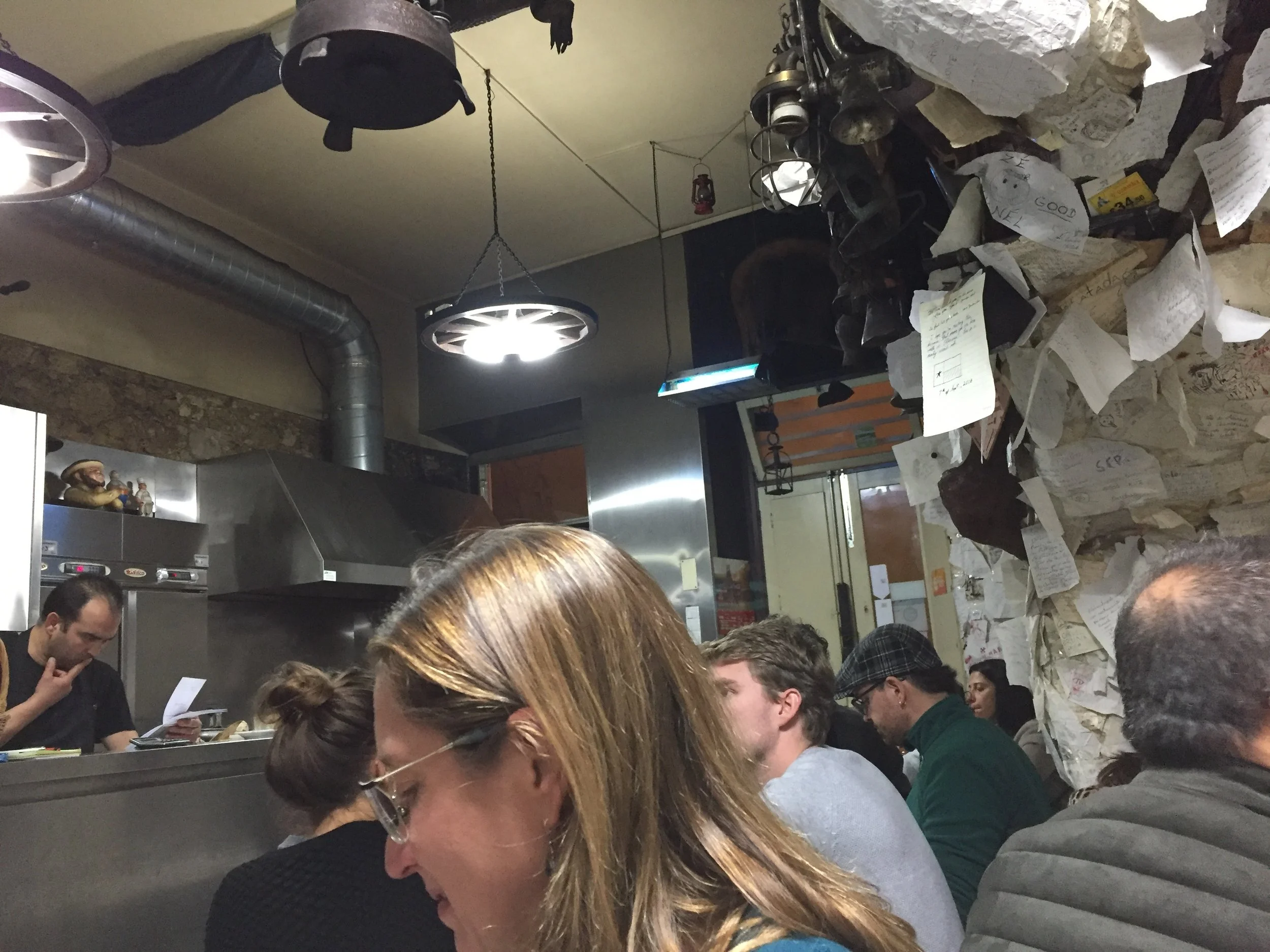
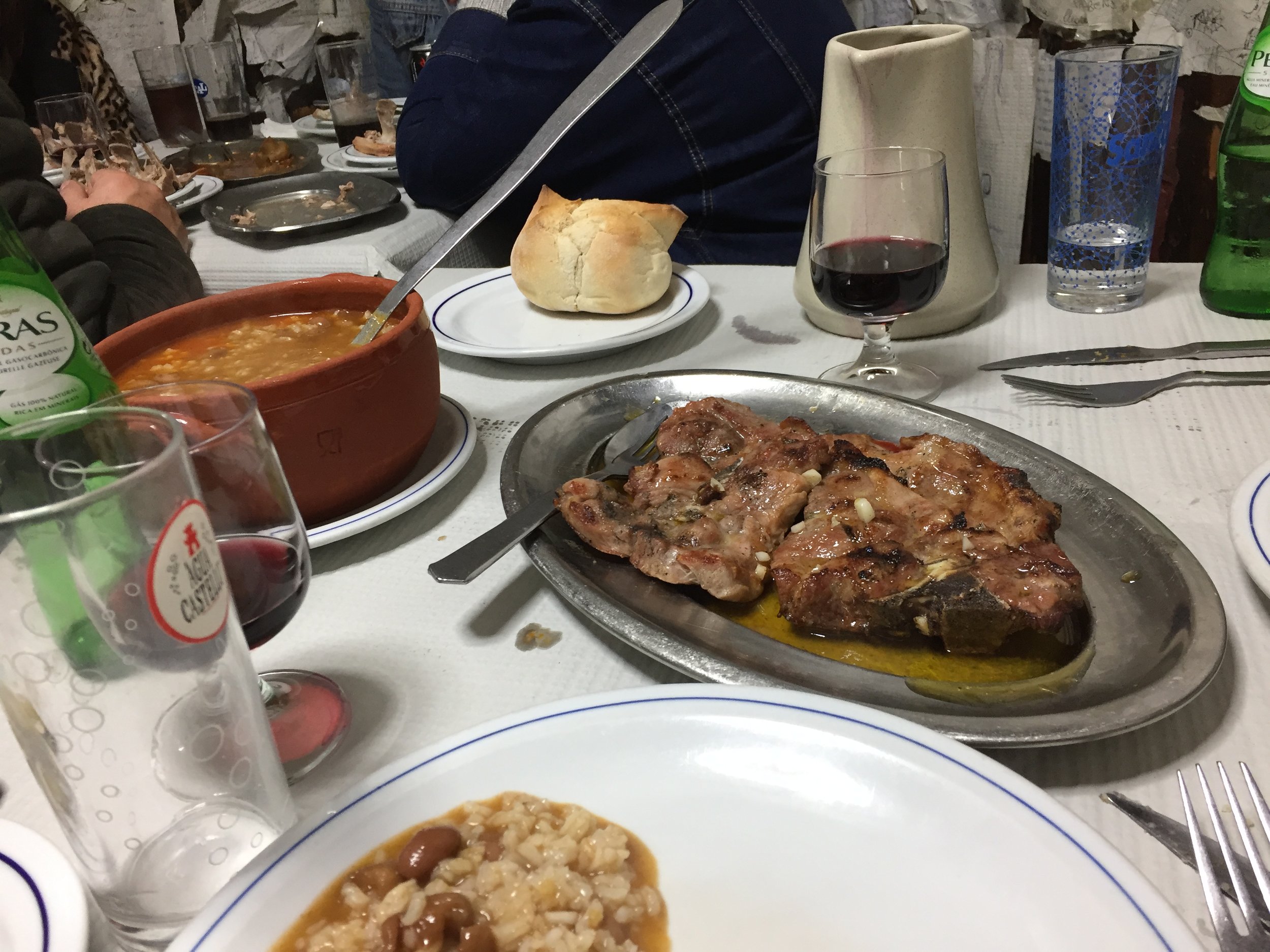
We had two wonderful dinners in Coimbra.  First was a romantic tapas house, professor’s suggestion, where we sat in the window and had wonderful wine. The second restaurant was the ultimate in traditional found by Janet. It was small with only 25 seats you had to stand in line to get a place. We missed the cutoff the first night by 3 people, but we were so intrigued we came back the second night early. We were first to arrive at the Mendel restaurant which is actually about 12 tables set up in a crowded kitchen. That's right, you sit in the kitchen while host Marino takes the count, directs you to your assigned table and then helps you with the menus and his special suggestions. We sat in an alcove which was decorated by messages written on napkins taped to the wall. Most of the place was the same. We got a cheeses course with breads and pitcher of red wine while waiting for our 2 dinners to split, starting with rice and beans mixed in a croak with pork chops and greens, and then cod fish with seasoned potatoes. The dishes were very tasty, and the added charm was the minimalist cost charged. We were decidedly full and left to get coffee and dessert sometime later at another shop.  

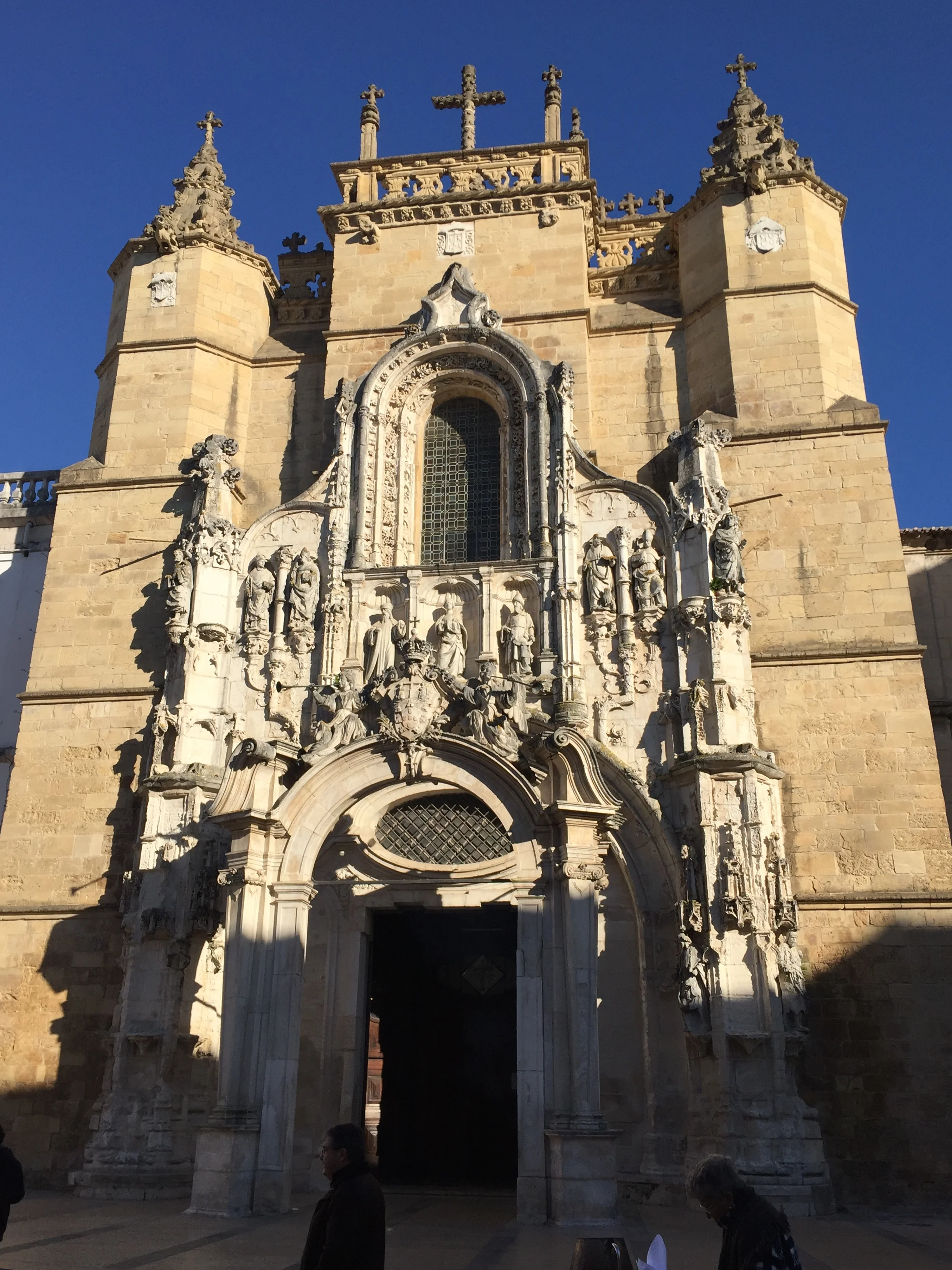
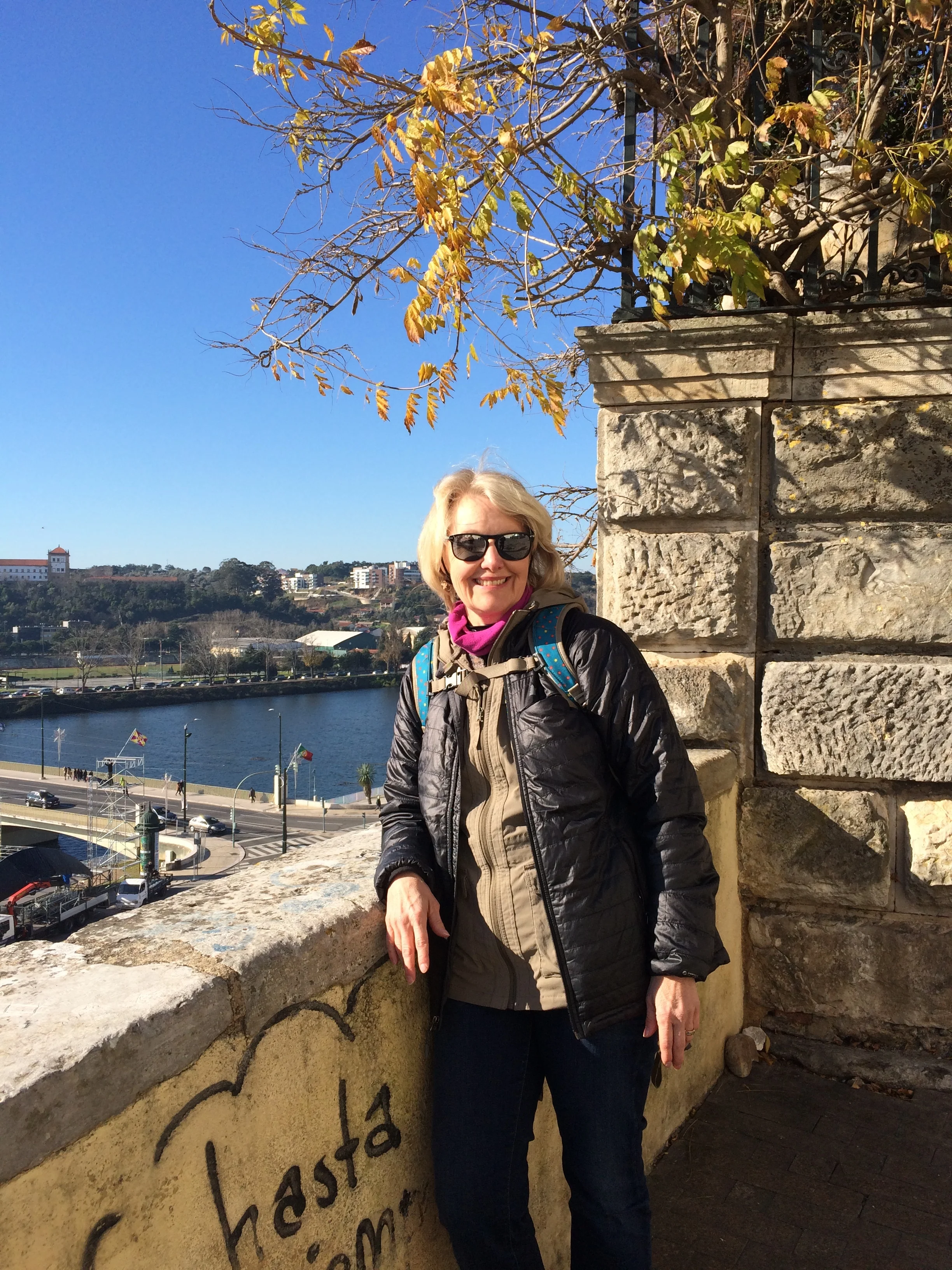
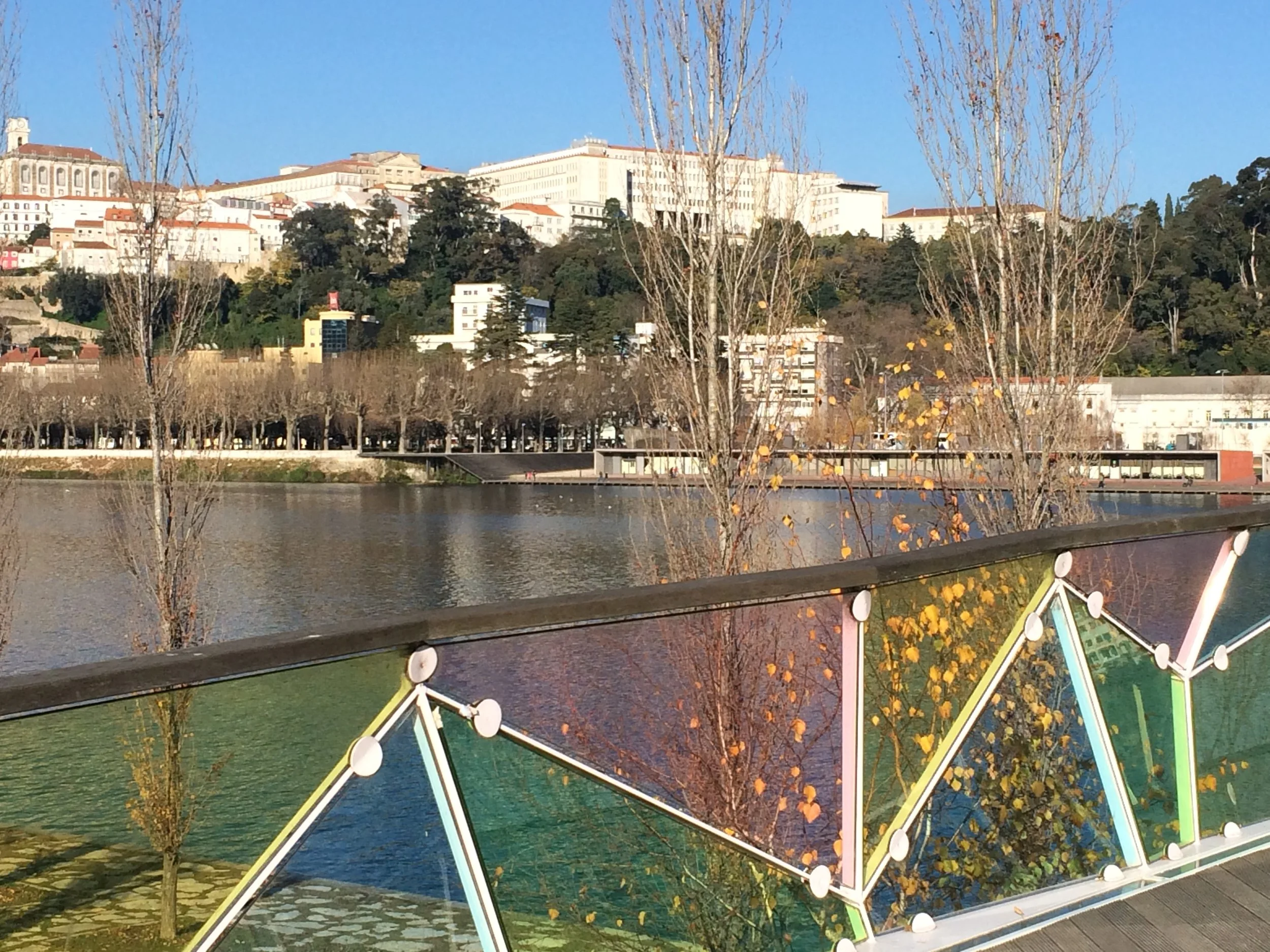
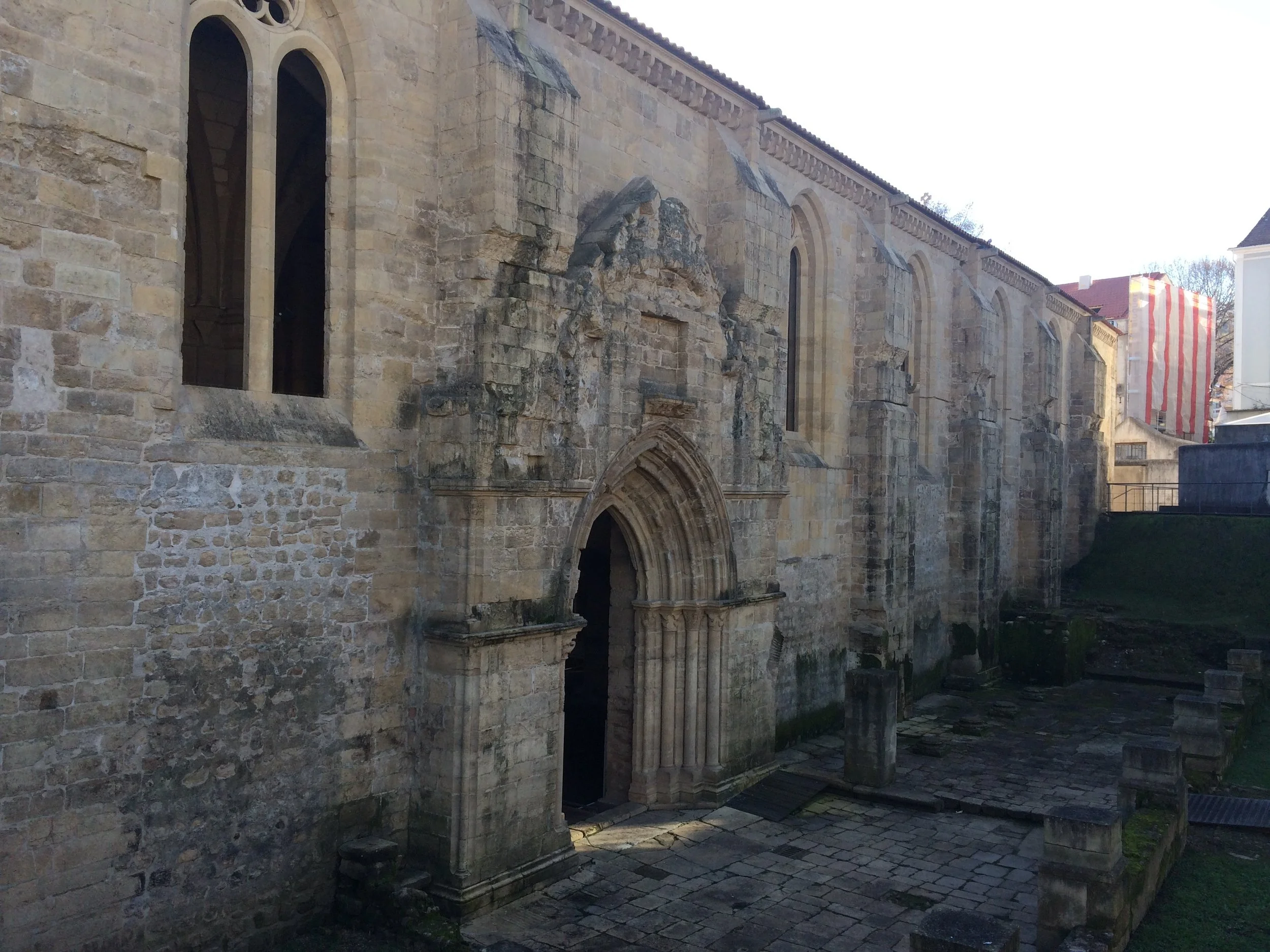
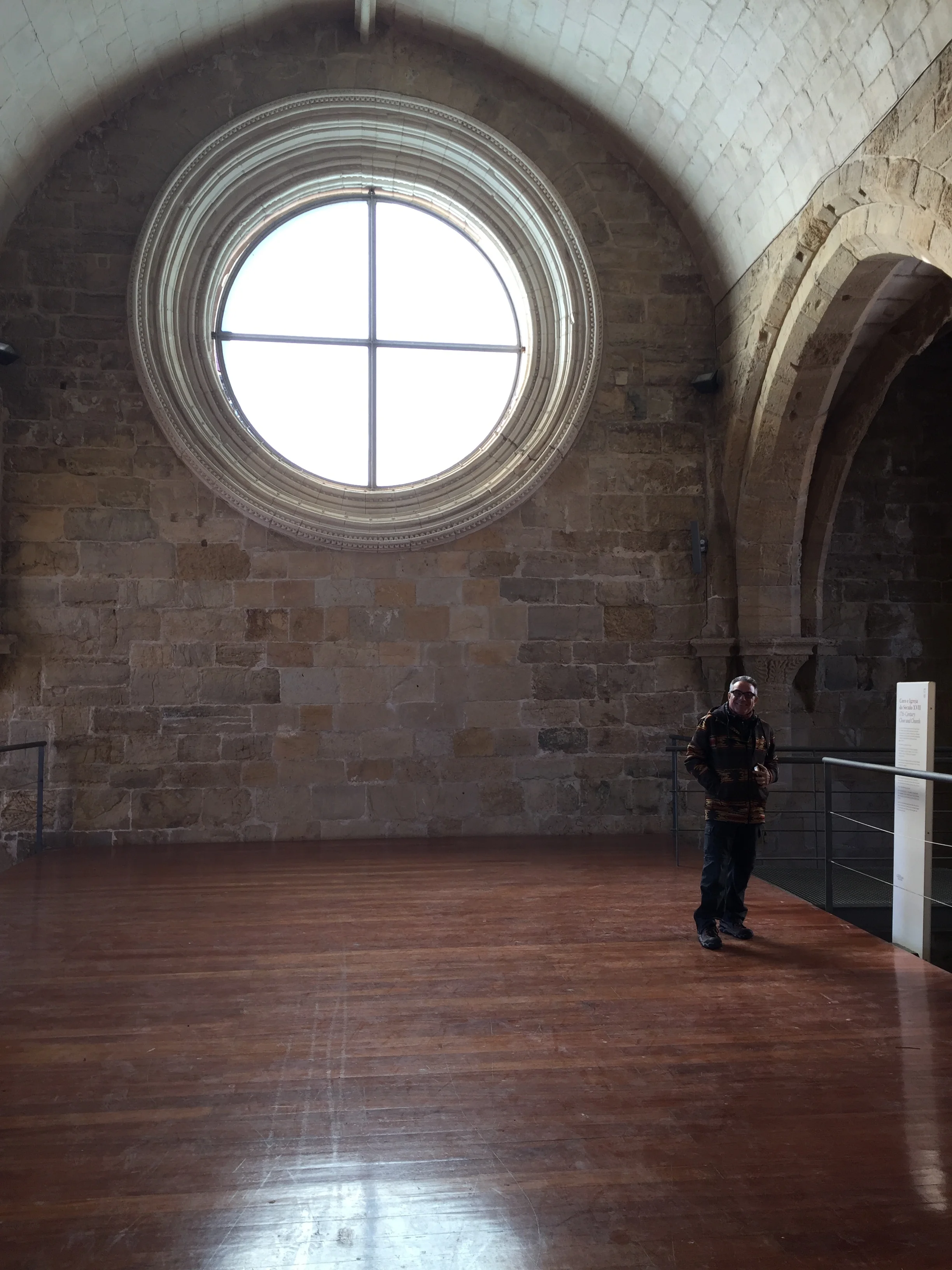
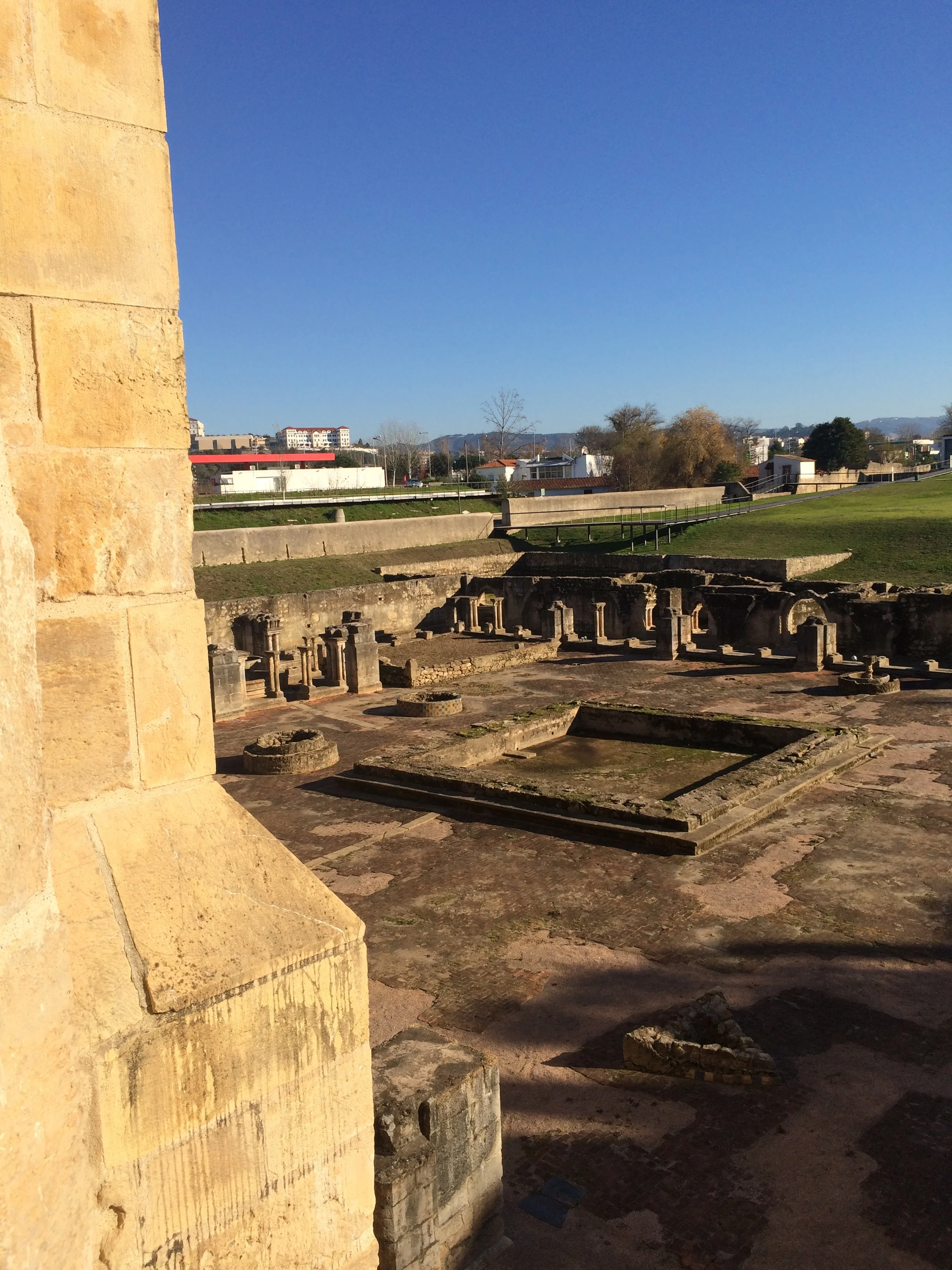
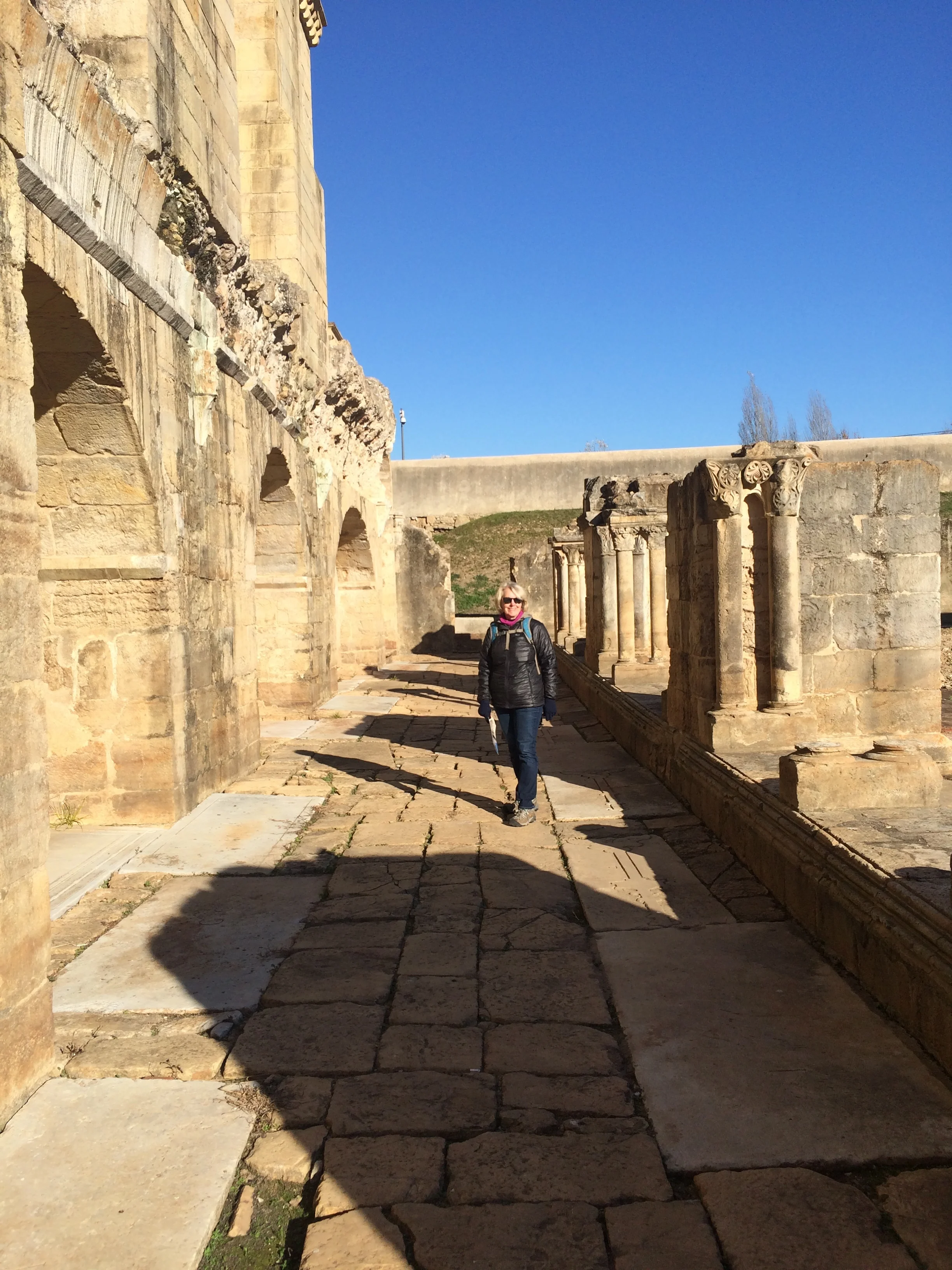
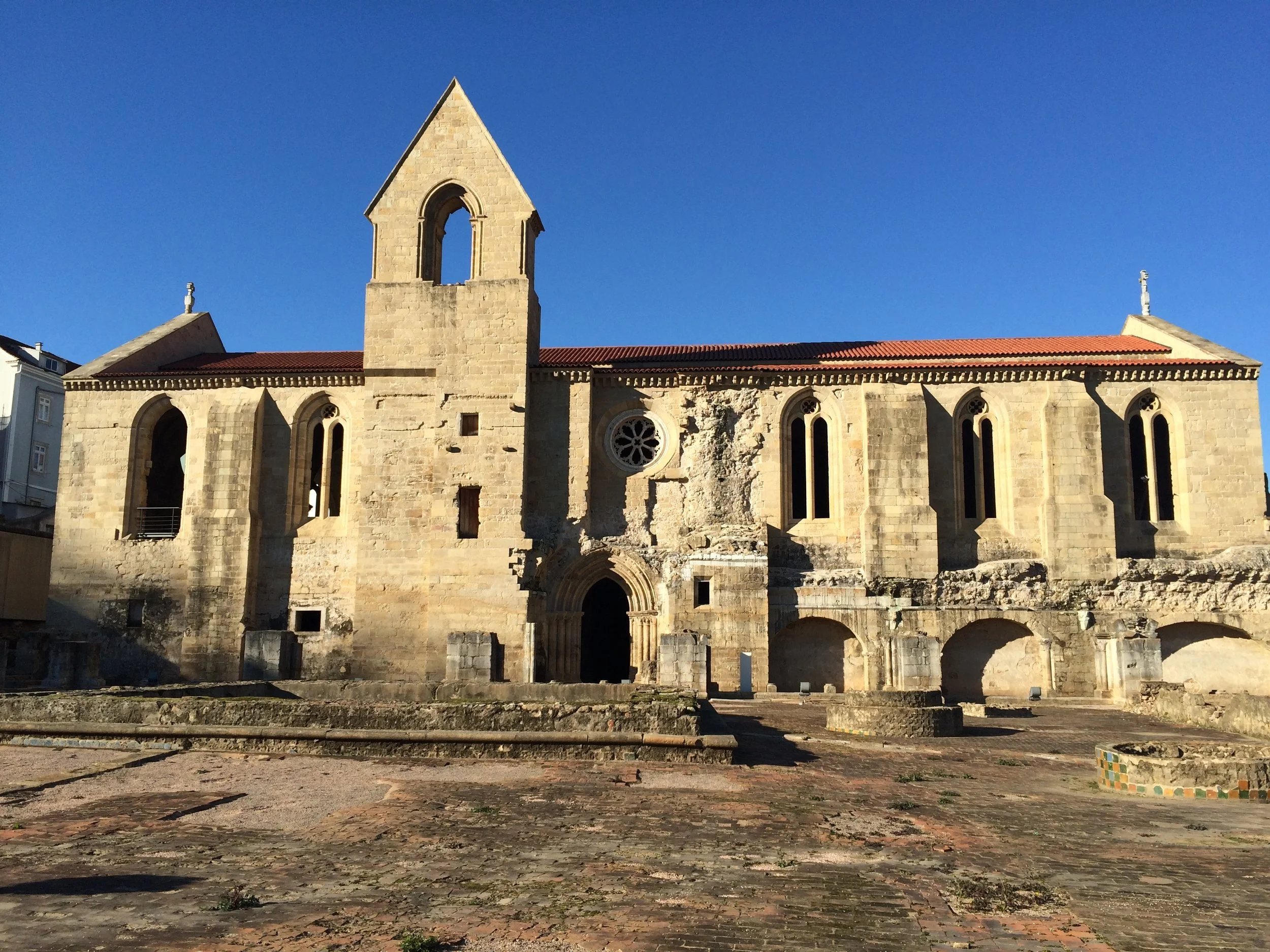
At the foot of the business district is the river Mondego with a wisely planned park side promenade on both sides. We crossed over the river on foot bridge and walked to the Convent. This Convent was covered in mud and recently excavated to observe the grounds, foundations, and most importantly the Cathedral which is in partial ruins.   The convent and cathedral was first funded by a wealthy woman but after stalling by the Vatican, later funding was directed through Queen Elizabeth of Portugal  See river pictures below

Now, there is a small but modern museum on site that makes the investigation worthwhile, but more fun is derived from walking through the various floors and levels of the cathedral. Coimbra is really a neat little town.  See pictures below of the convent ruins


Porto Portugal

IMG_7610.jpg

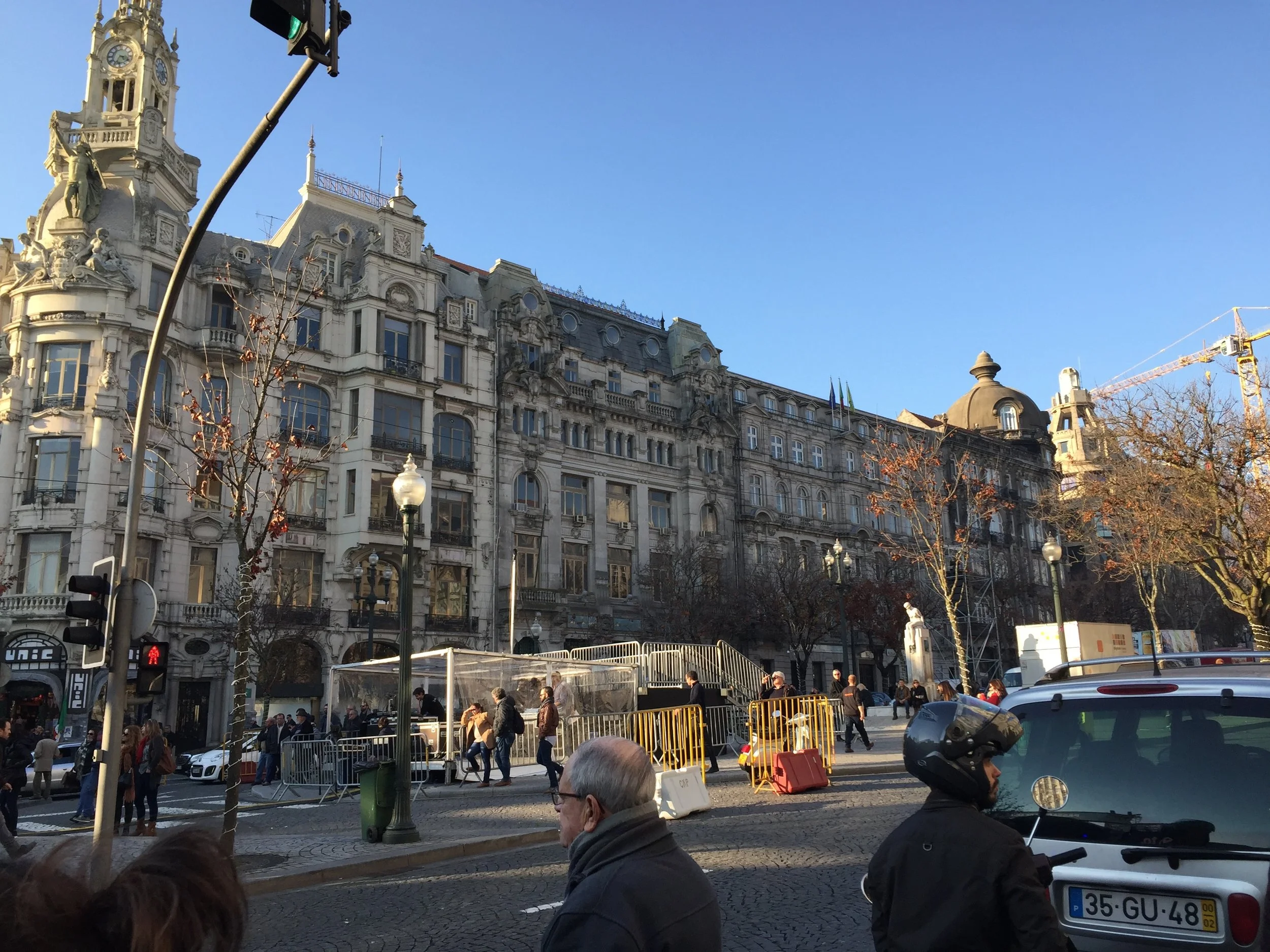
Another day, another bus for another hour.  Off to Porto for New Years Eve. If Lisbon was great for Christmas, then Porto was the place for New Years. PARTY TOWN. Porto is a large river side city, the second largest in Portugal with 208,000 people. Luckily, our Airbnb was only 4 short metro stops from the city center. We bought two tickets, but never used them as no one was checking. When we entered city central by the train station, we viewed the really fantastic porcelain tile murals of the station that were enormous, depicting intricate and large battle scenes and other murals of traditional life. We signed up for the on and off bus.

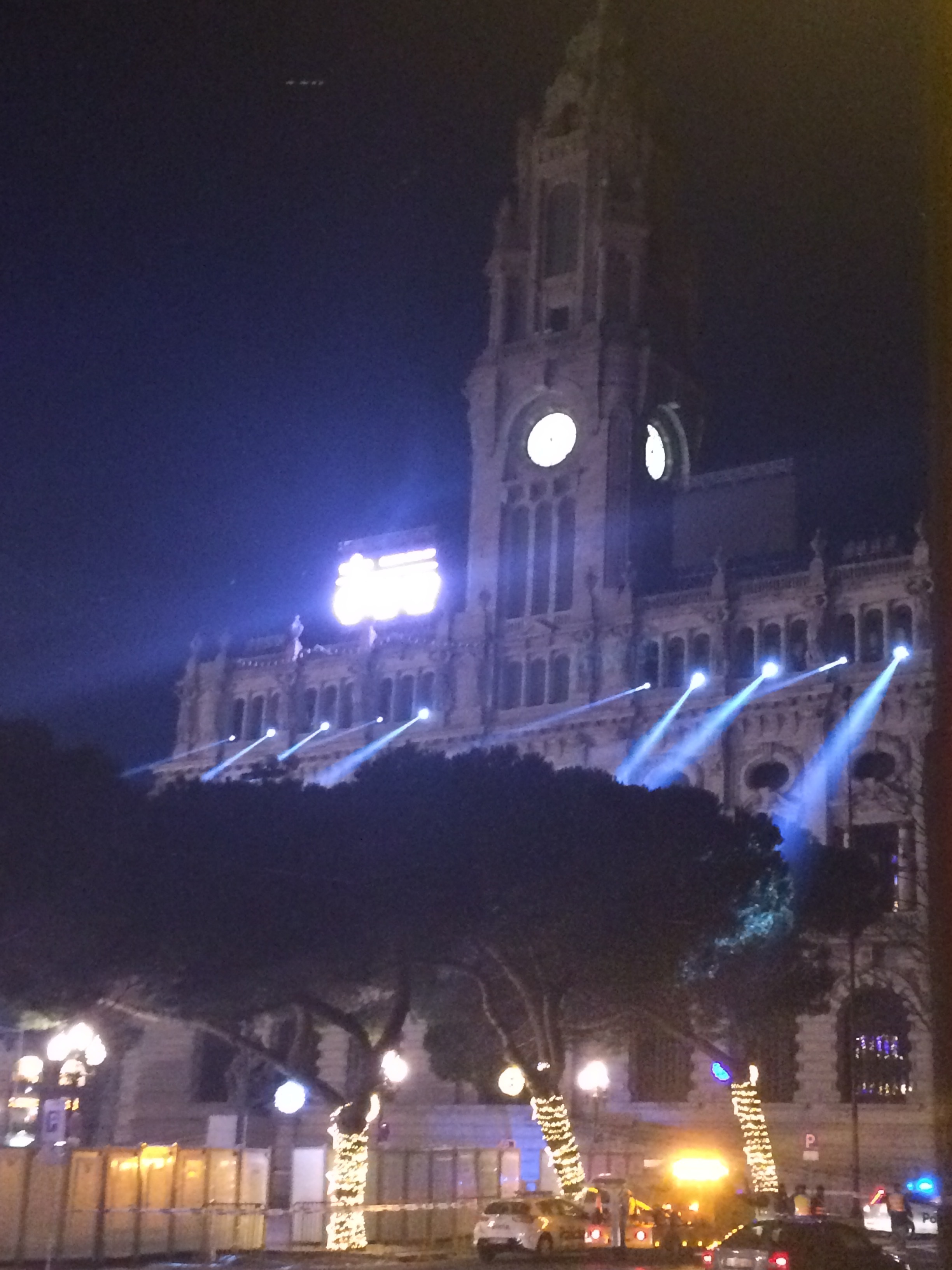
While waiting for the bus, we stood by an erected music stage set up for New Years Eve, and listened while the evening bands did their sound check. We really liked “Blind Zero” a very popular local band. Rock and Roll for Frank and Janet! We later saw fire works from our apartment. 

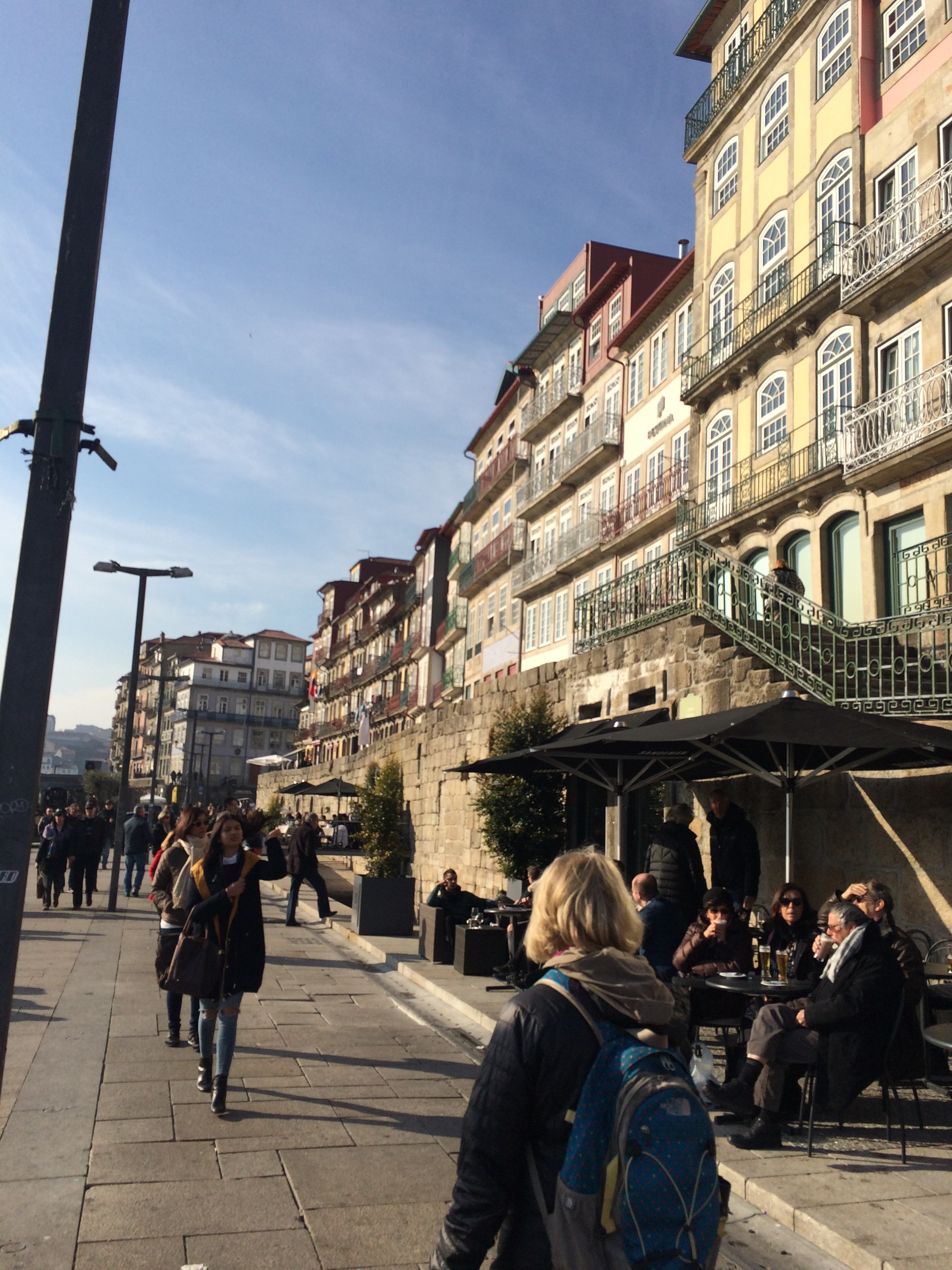
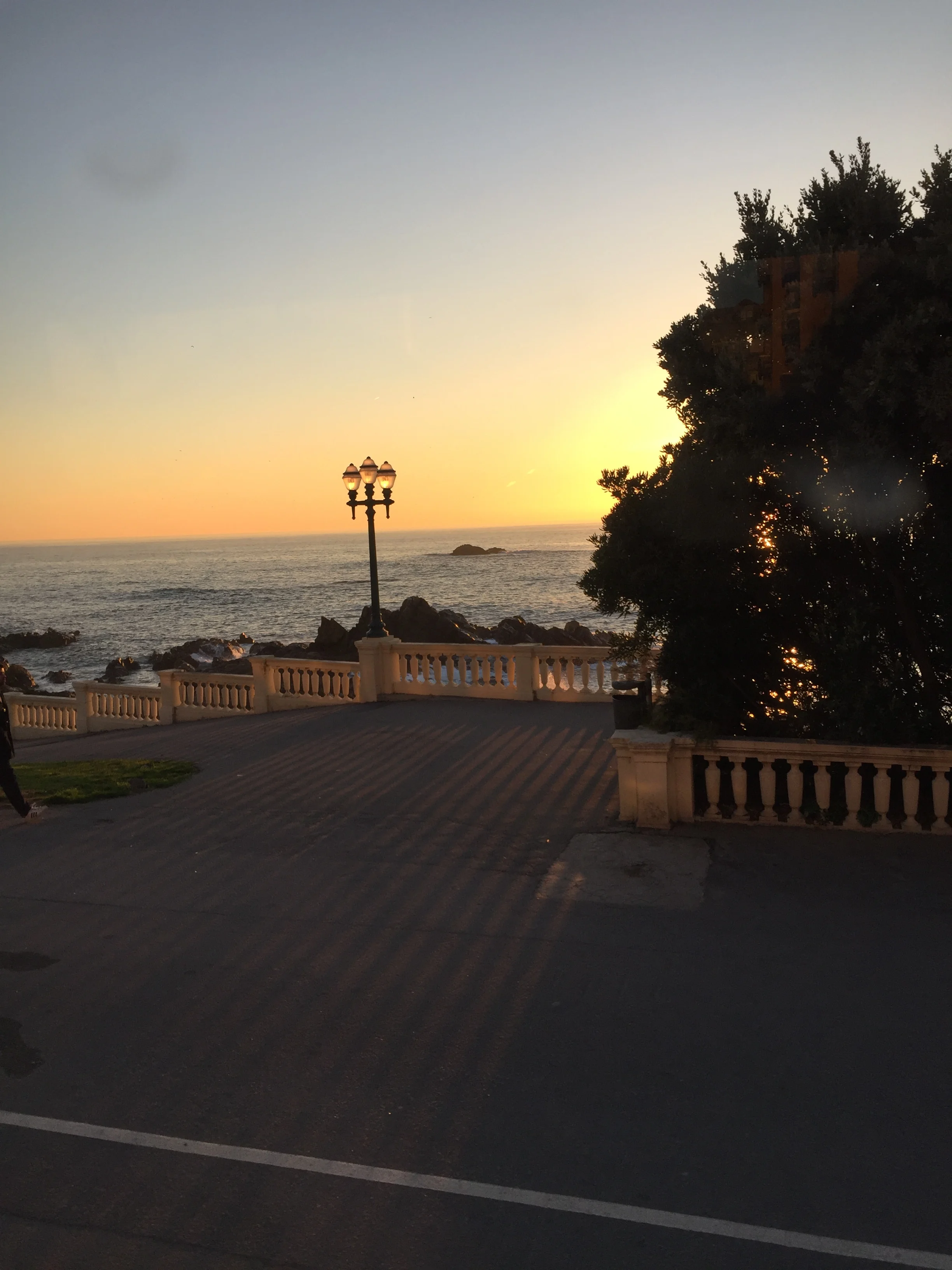
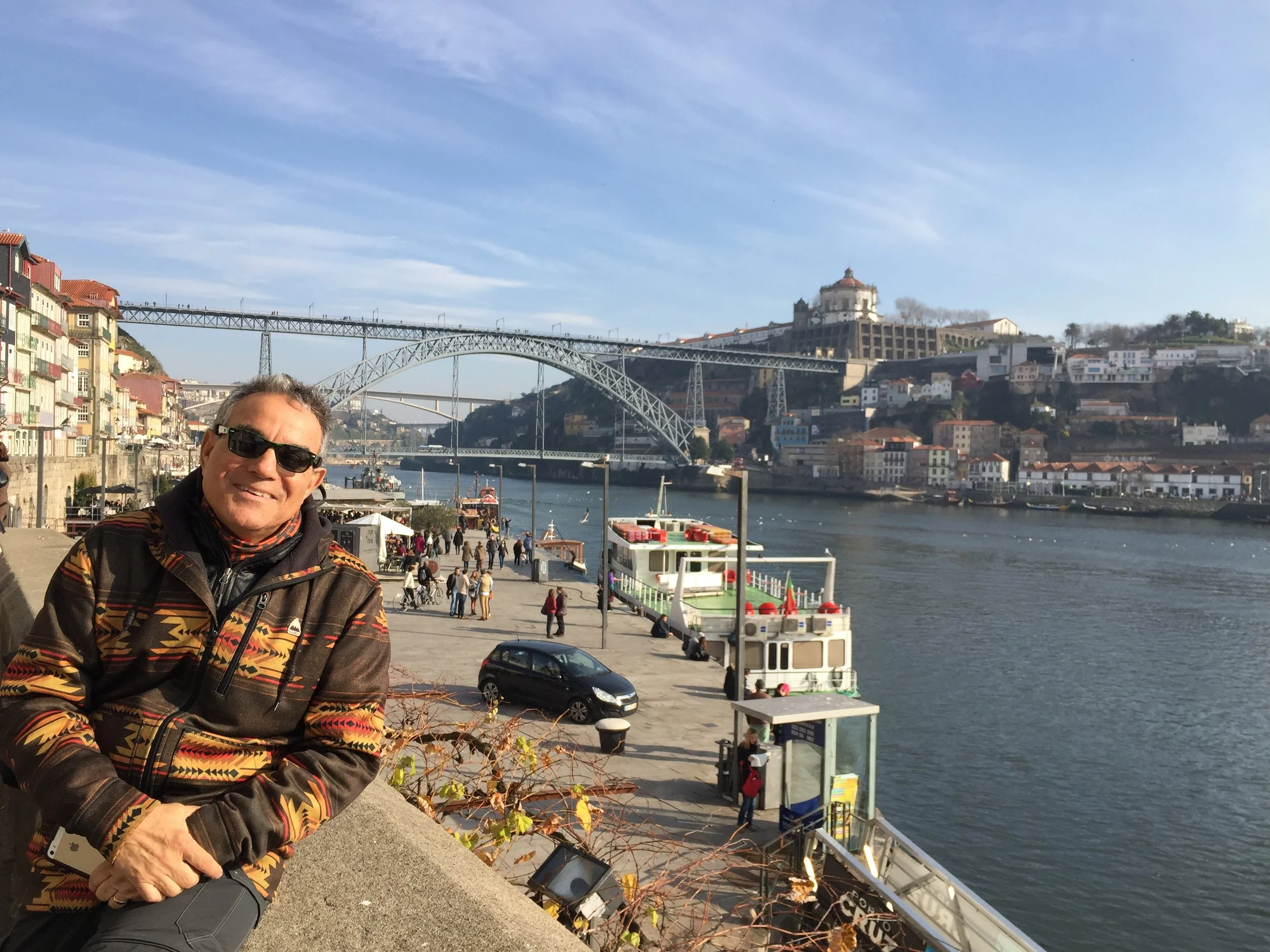
The bus service took us on a 2 hour ride of the city with long waterfronts on two sides of the river. We saw the Casa de Musica, the orchestra house designed like a giant rectangle torqued up on its sides, an award winner. We then traveled the main or first waterfront and also an up scale area, like a cross between Grosse Pointe Michigan waterfront and Santa Monica Pier, where the sunset is stunning. We saw the Porto sunset there. The main waterfront is older, traditional, and fun, with restaurants and bars and outdoor cafés at the water edge on a wide cobblestone promenade. As you drink from your seat, you can look upland and see the wonderful ancient castles and cathedrals of the original city. 

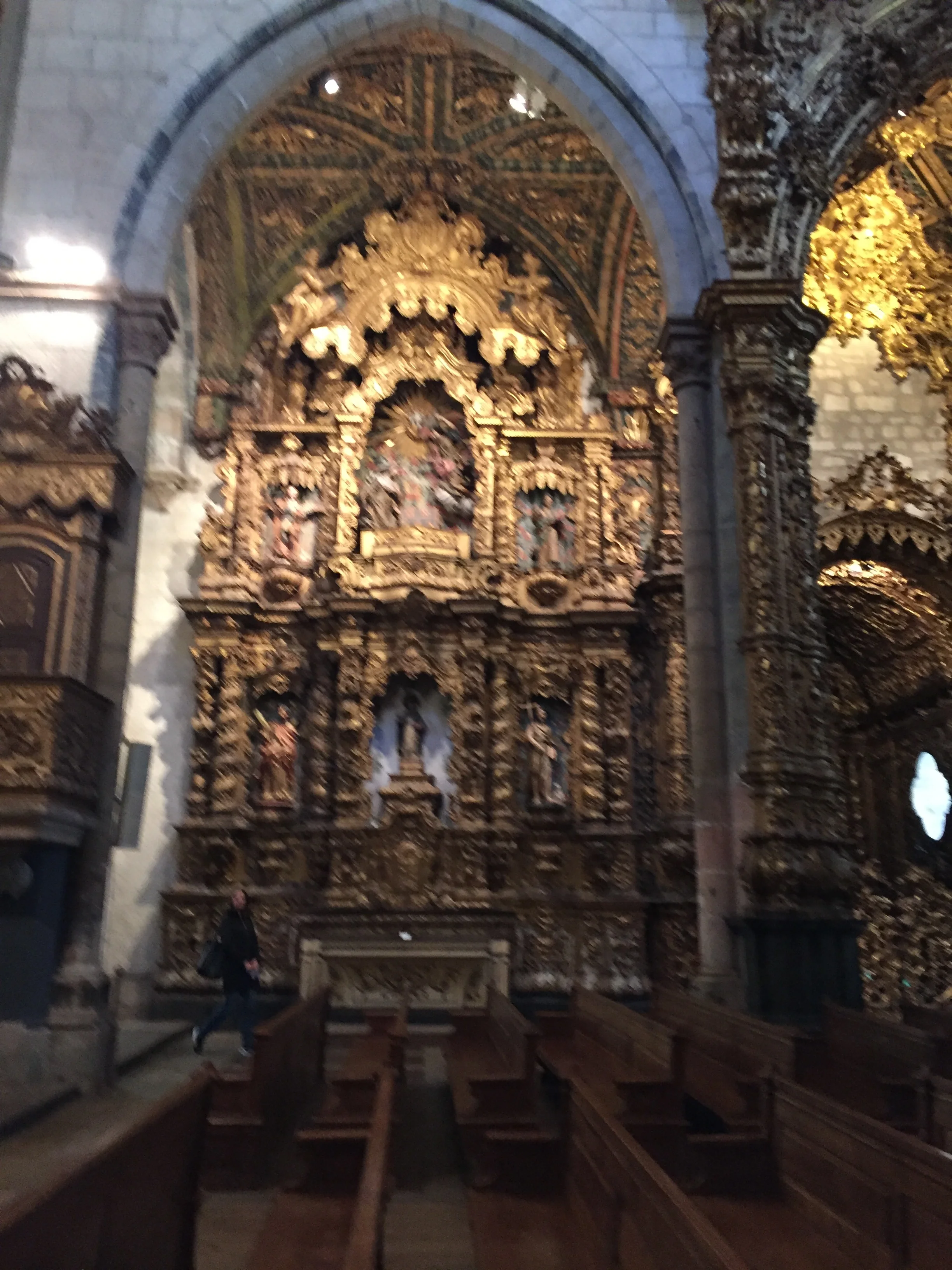
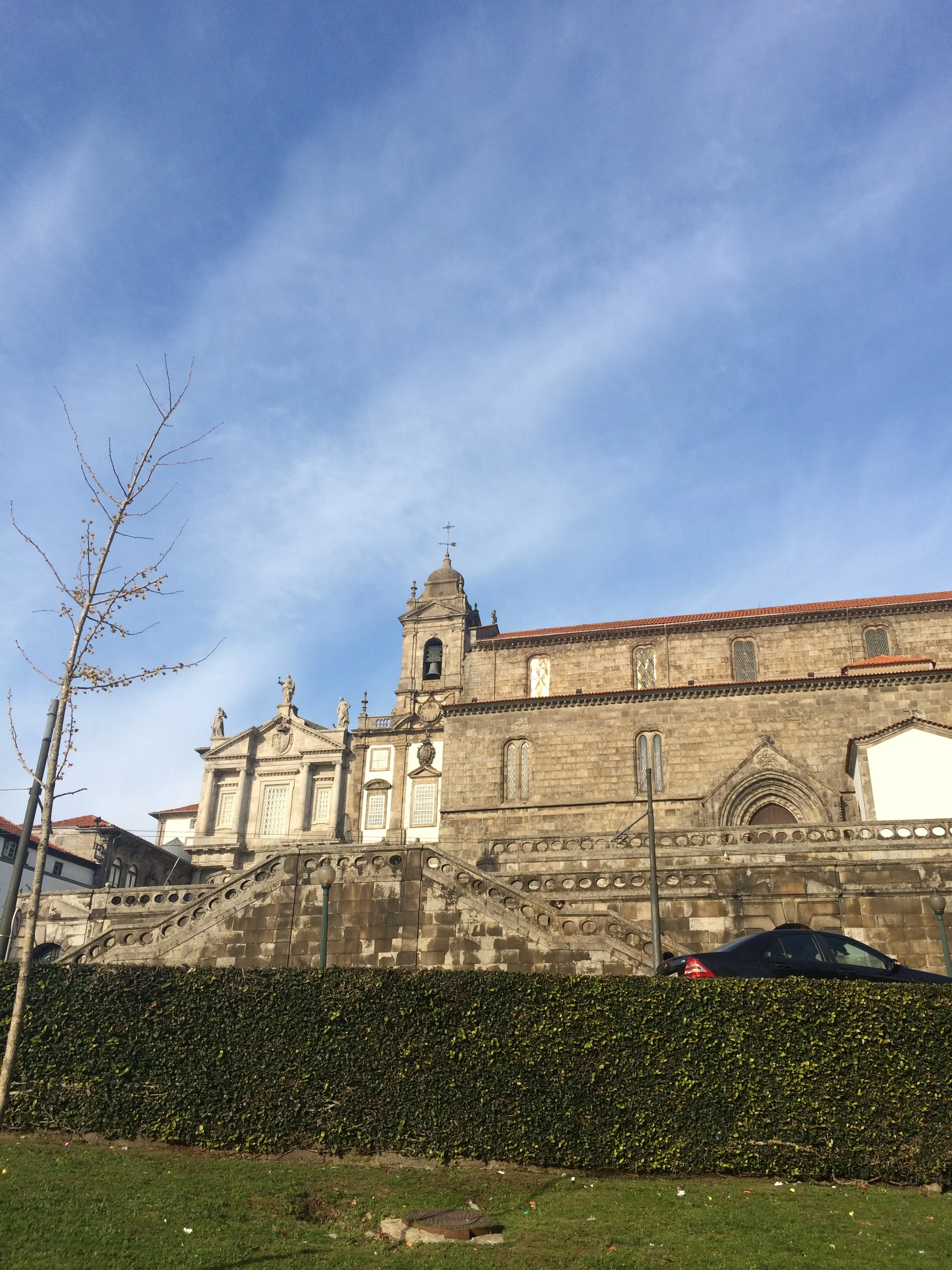
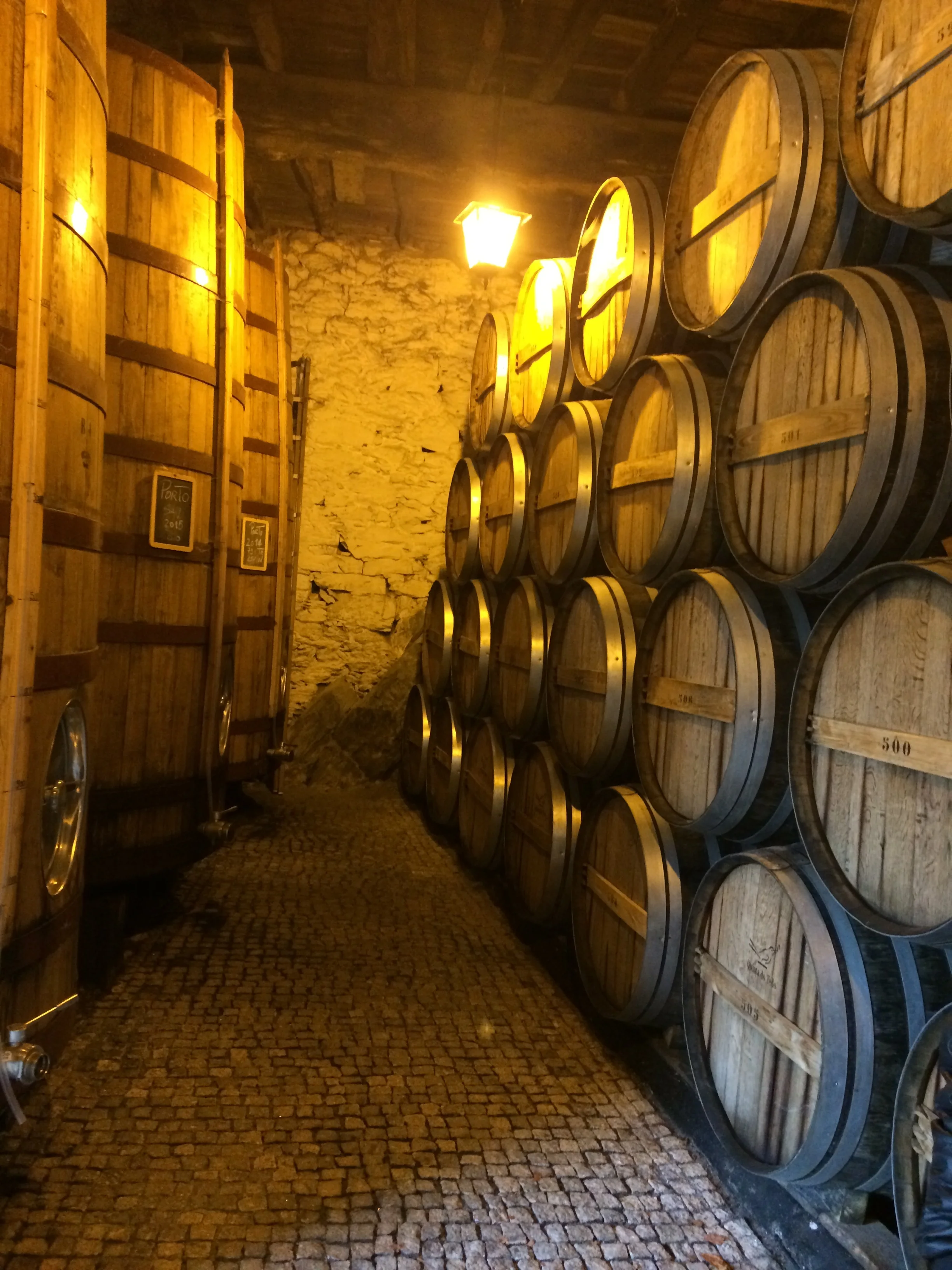
The Cathedral of St. Francisco was entirely decorated inside by gold leaf wood carvings and is a national monument. It was wonderful.  Remember, the past government nationalized the church properties, here also, riverboats leave for a quick trip down the river, which we took and enjoyed a view of the historic waterfront buildings and the six bridges that cross the river to allow land traffic. One bridge was designed and built by Eiffel, the Frenchman. As well across the river are all the historic and still functioning wine houses. Porto which means “port city” was historically the place where “Port” wine was developed, barreled, stored and shipped. The old and famous port wine houses on the river such as Sandeman, Clemans, Porto Cruz, etc, etc. still operate for your pleasure. We went for tastings. We are Port wine fans now. We think if you want to party in Portugal, go to PORTO!   


The Douro Valley

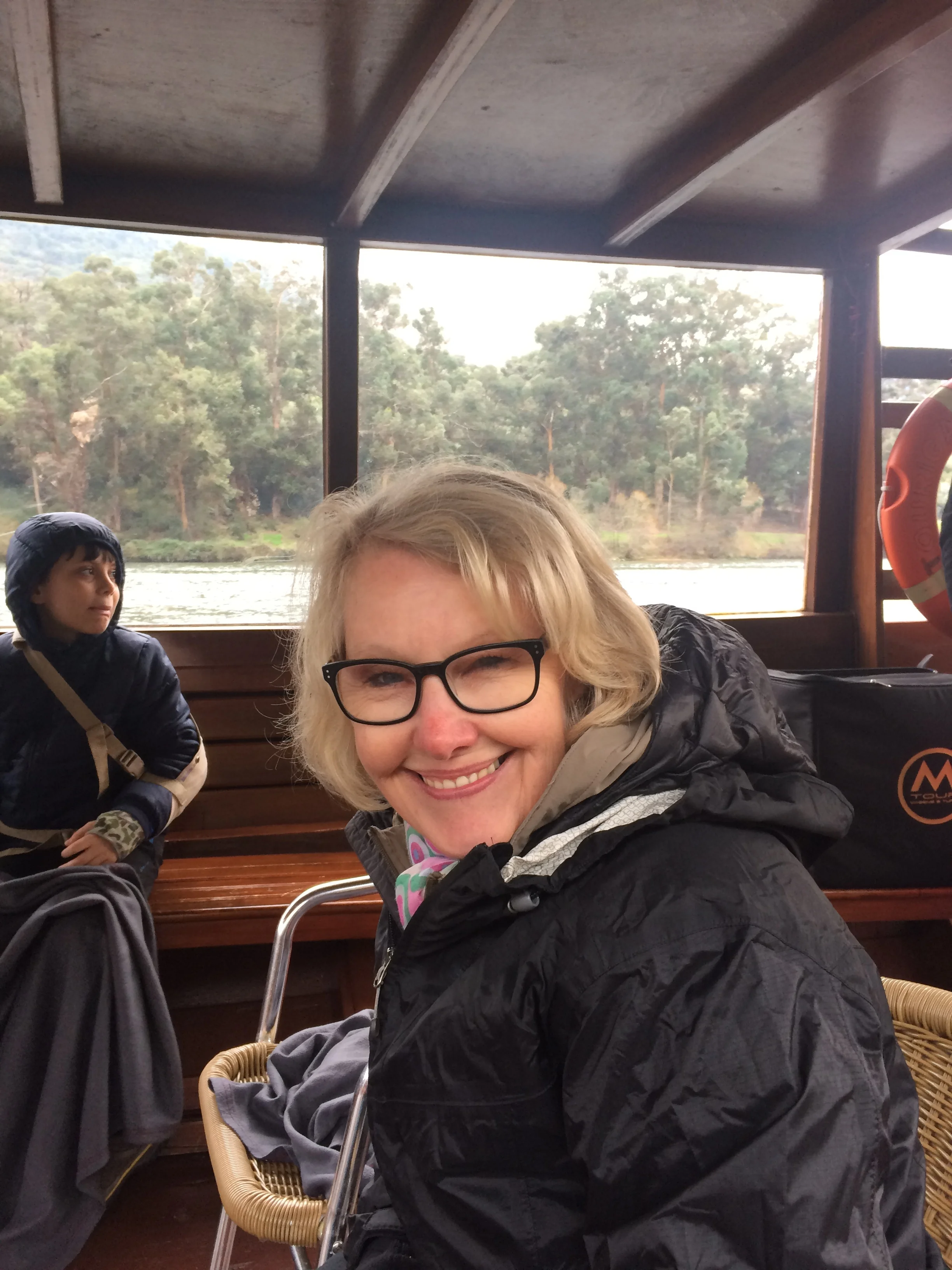
We did not want to end the Port wine motif of our trip.  The next day we took a winery tour of the “Douro Valley” region where the best grapes and Port wines are created. Our companions were all from Brazil vacationing here for the Holidays. With our recent arrival from Brazil we hit it off as they spoke English very well and you know, Frank and Janet can interact too.  

Our traditional lunch

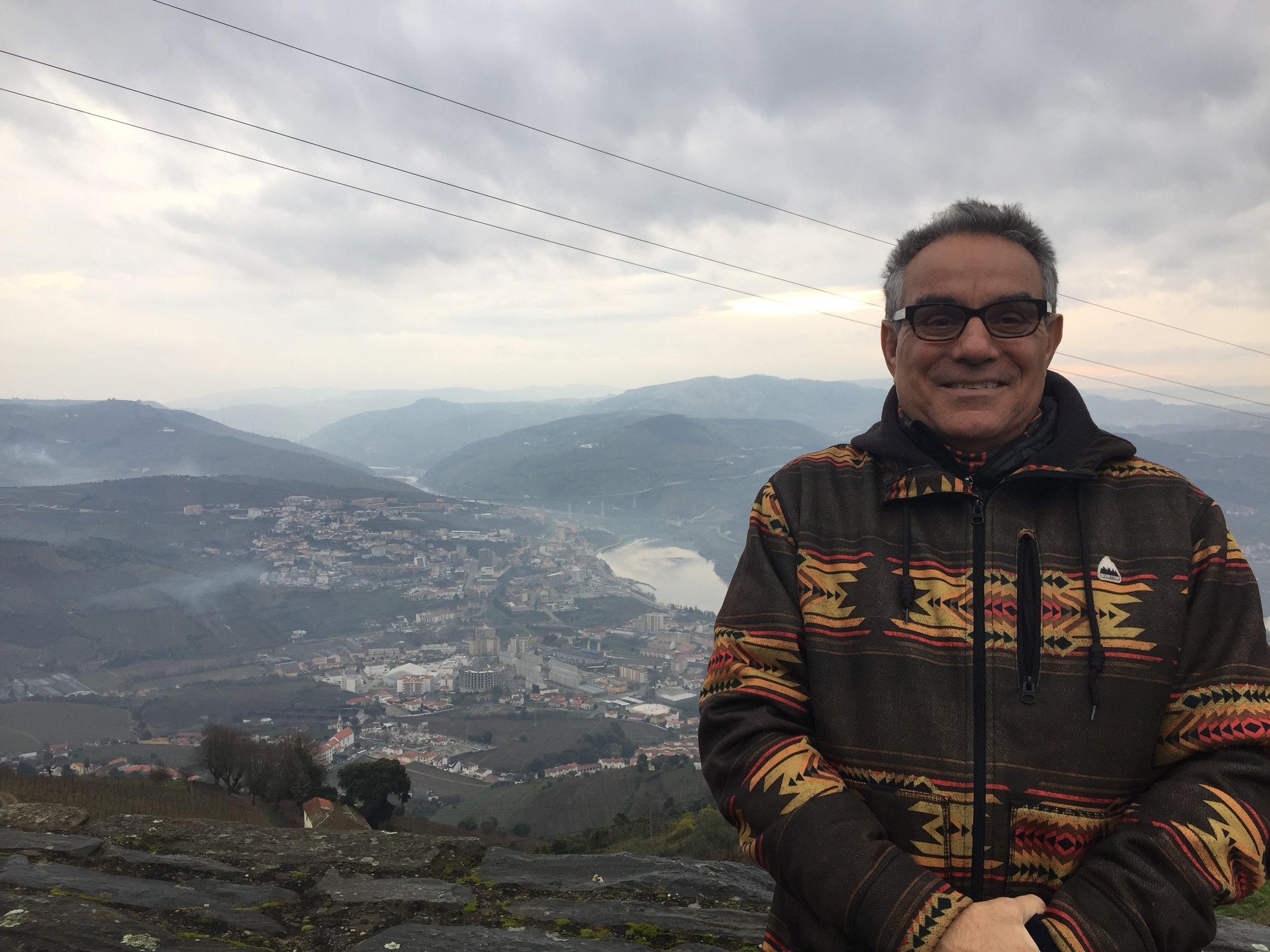
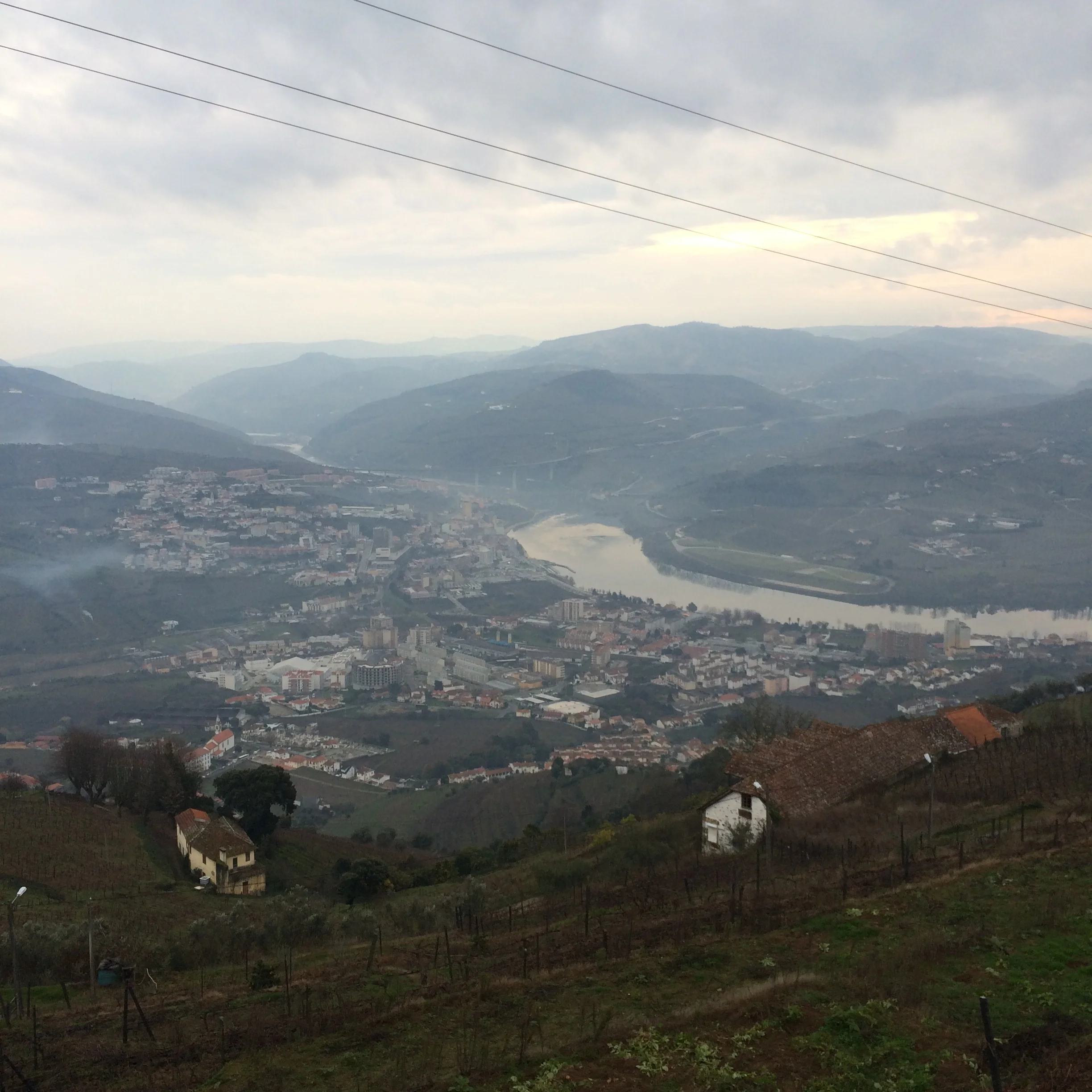
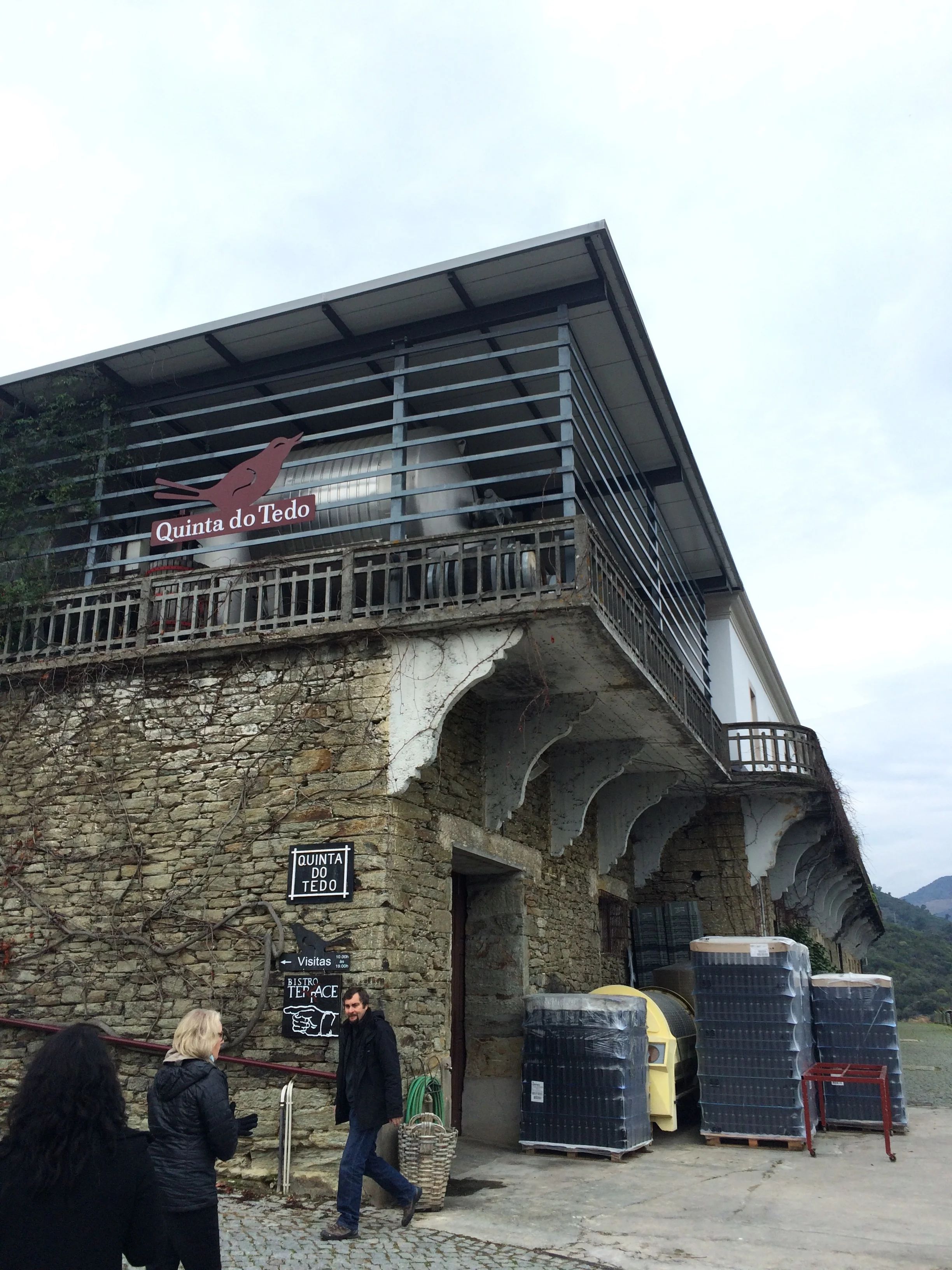
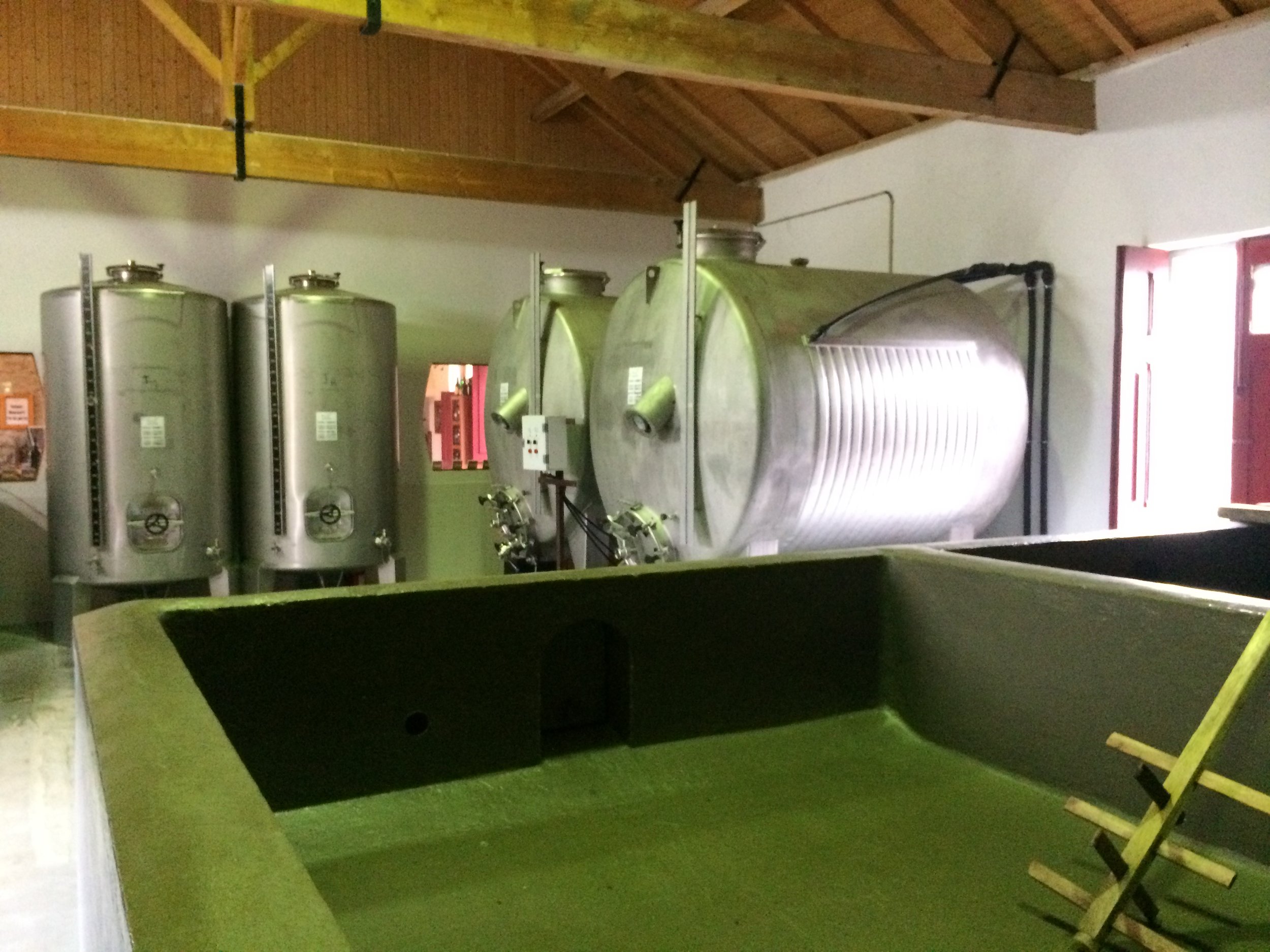
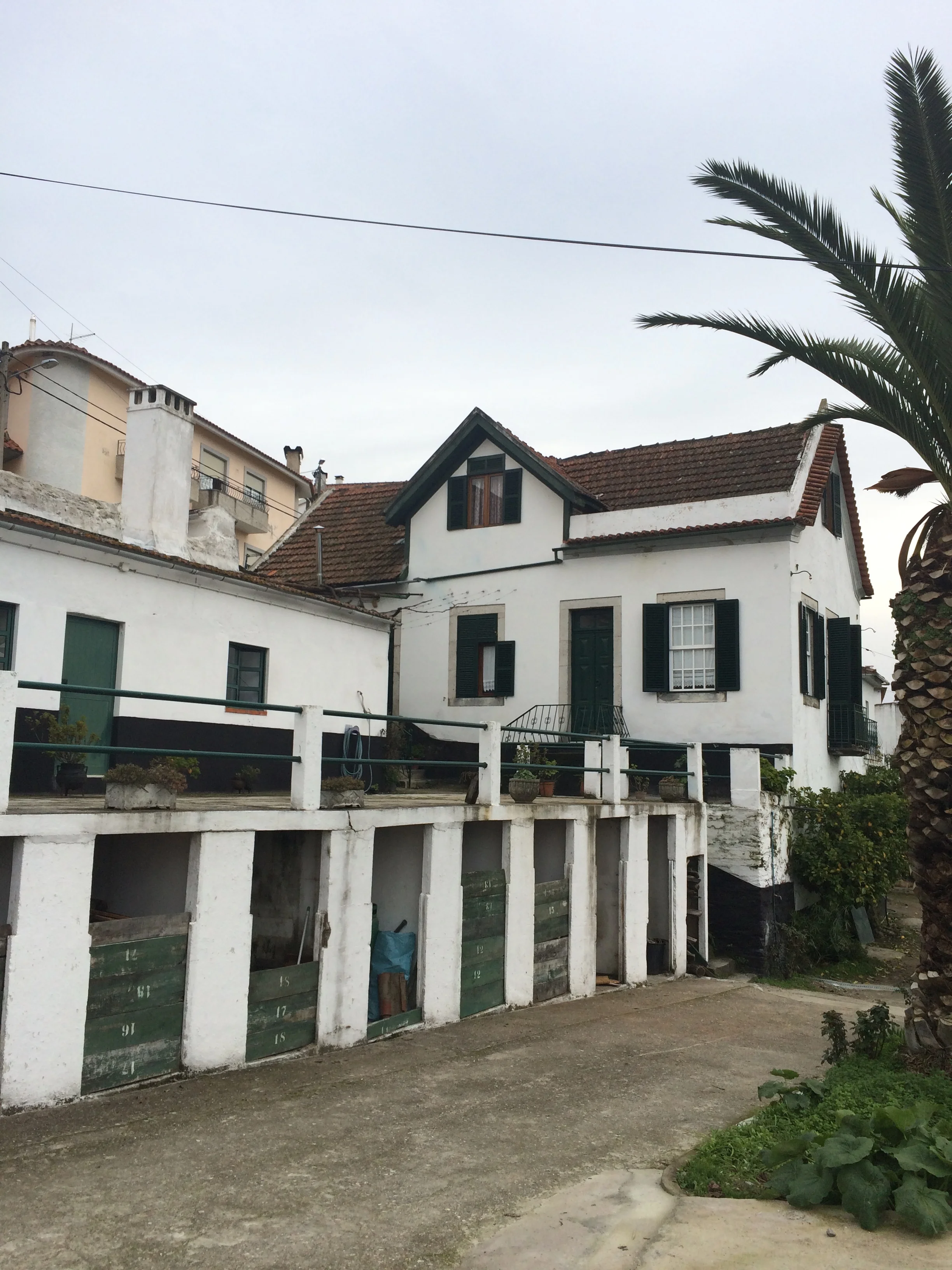
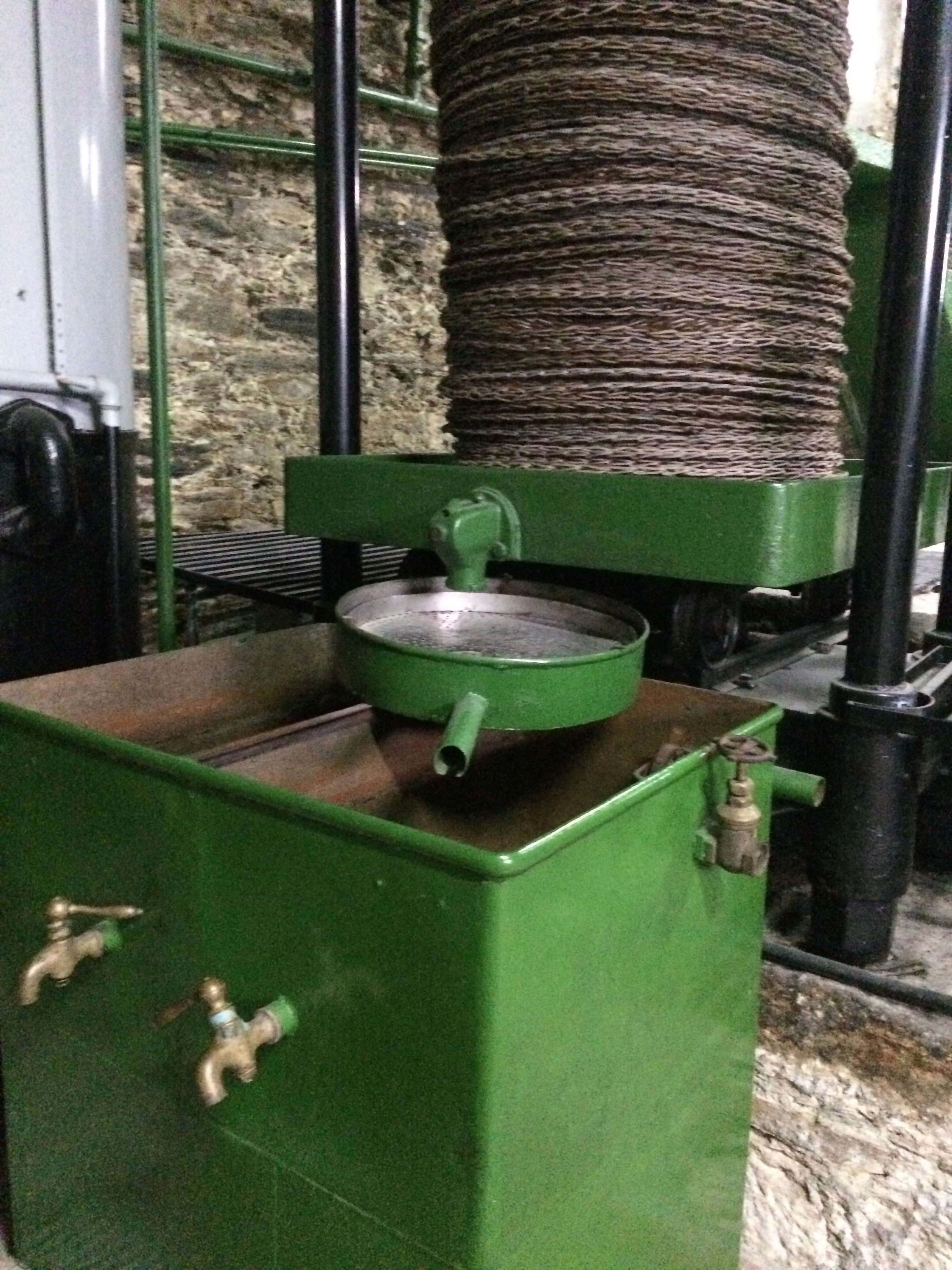
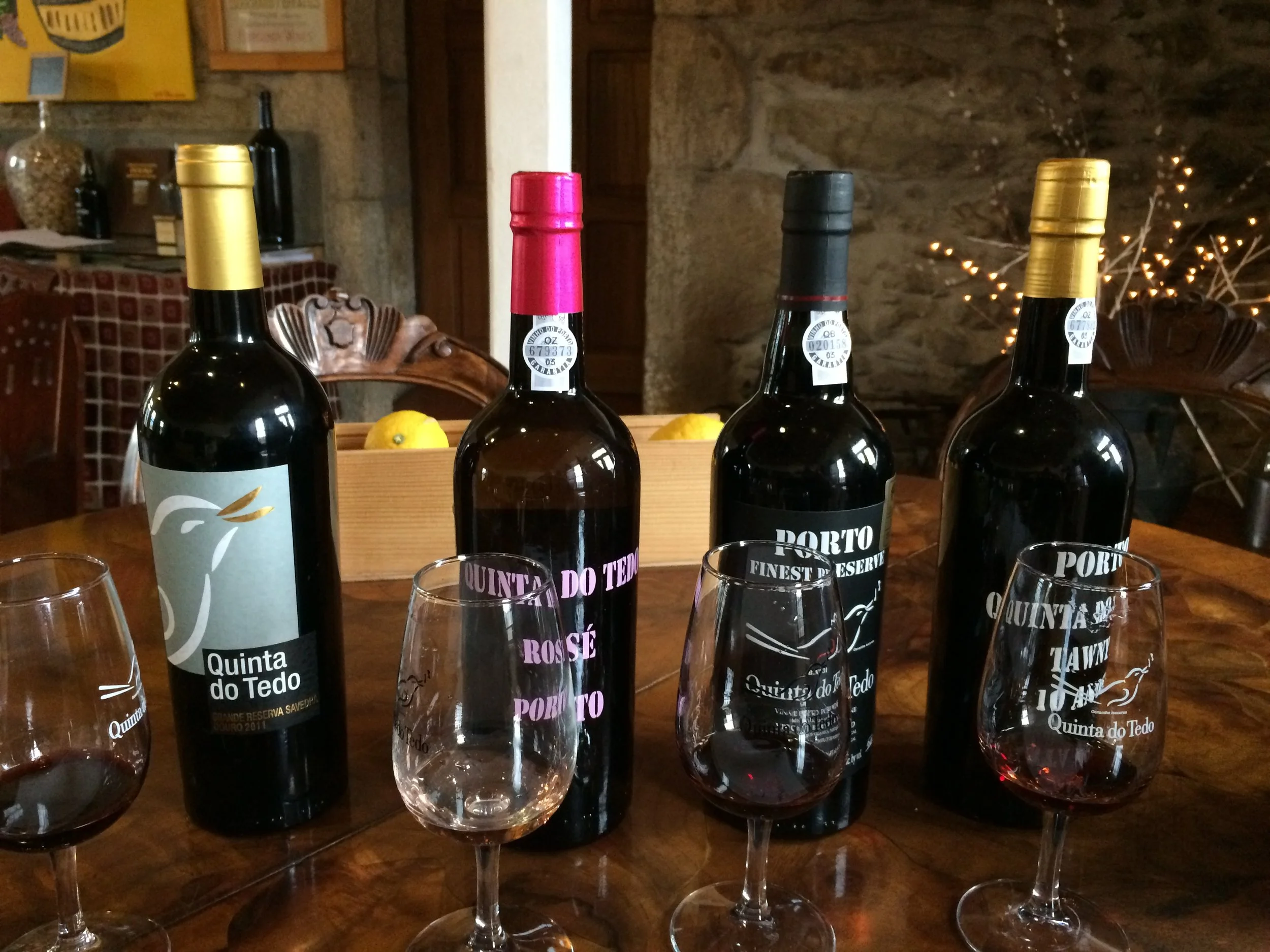
The valley with the Douro River and other tributaries running through, along with the carved terraced fields and grape vines in the Valley are spectacular. The colors and shapes and reflections are simply gorgeous, and we had little sun. We stopped at two wineries surrounded by vineyards. The first was small and now owned by an Italian man who married and an American women from Sonoma Valley, California. We were introduced to the processing areas and instructed as to the art of Port Wine making. The winery was called Cruz and you could enjoy Bread and Breakfast there. We had a wonderful tasting and we decided to purchase a Reserve Bottle of their Port. We chose “Tawny”, rather than the white, Rose or Red. You don't have to be an expert, just taste and your palette will tell you immediately what you like. That is what you should buy.

We went to the second winery, with a more spectacular river and valley view, and we were able to taste their wines, virgin olive oil, and honey, no Ports. In any event, the Rose touched our fancy along with the wonderful olive oil. The tasting house was a modern glass structure overhanging a cliff. We looked around and jokingly tried to figure out how we could convert such a space into a vacation home some other place, or maybe this place.  The popularity of Portuguese Port Wine really took off with the demand of the Scottish and Brits in past centuries. But fungus attacked the root systems, so fungus resistant grapevines and roots were Imported from the good old US of A. For a long time, some of the largest vineyards, about 500 Hectares, in the Douro valley are owned by Scots. The wineries are developing more rose Port wines, with lighter taste, to market to younger consumers. We say “Forget Cognac and its liquor taste—drink sweet Port Wine”! We also say “party in Porto”.