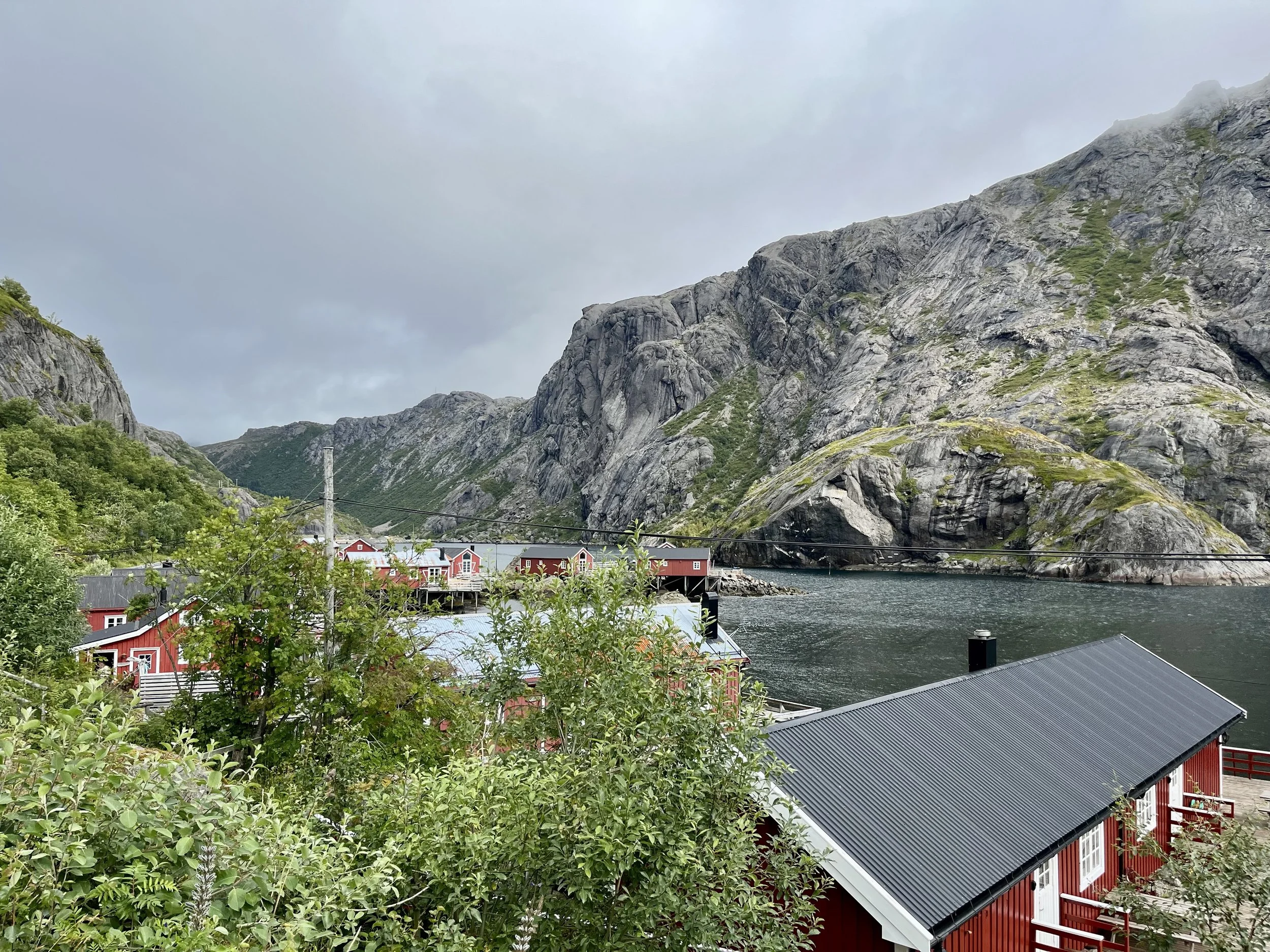
Crazy formation, had to pull off for this photo
Our day will be all the prime tourist villages on the east coast. We start with Nusfjord. To get to Nusfjord we once again have twisty and curvy driving around lakes, down valleys and through many tunnels. Traffic is heavy at times and we pull off for great photos and twice to allow the crazy 80 km+ commercial drivers to pass
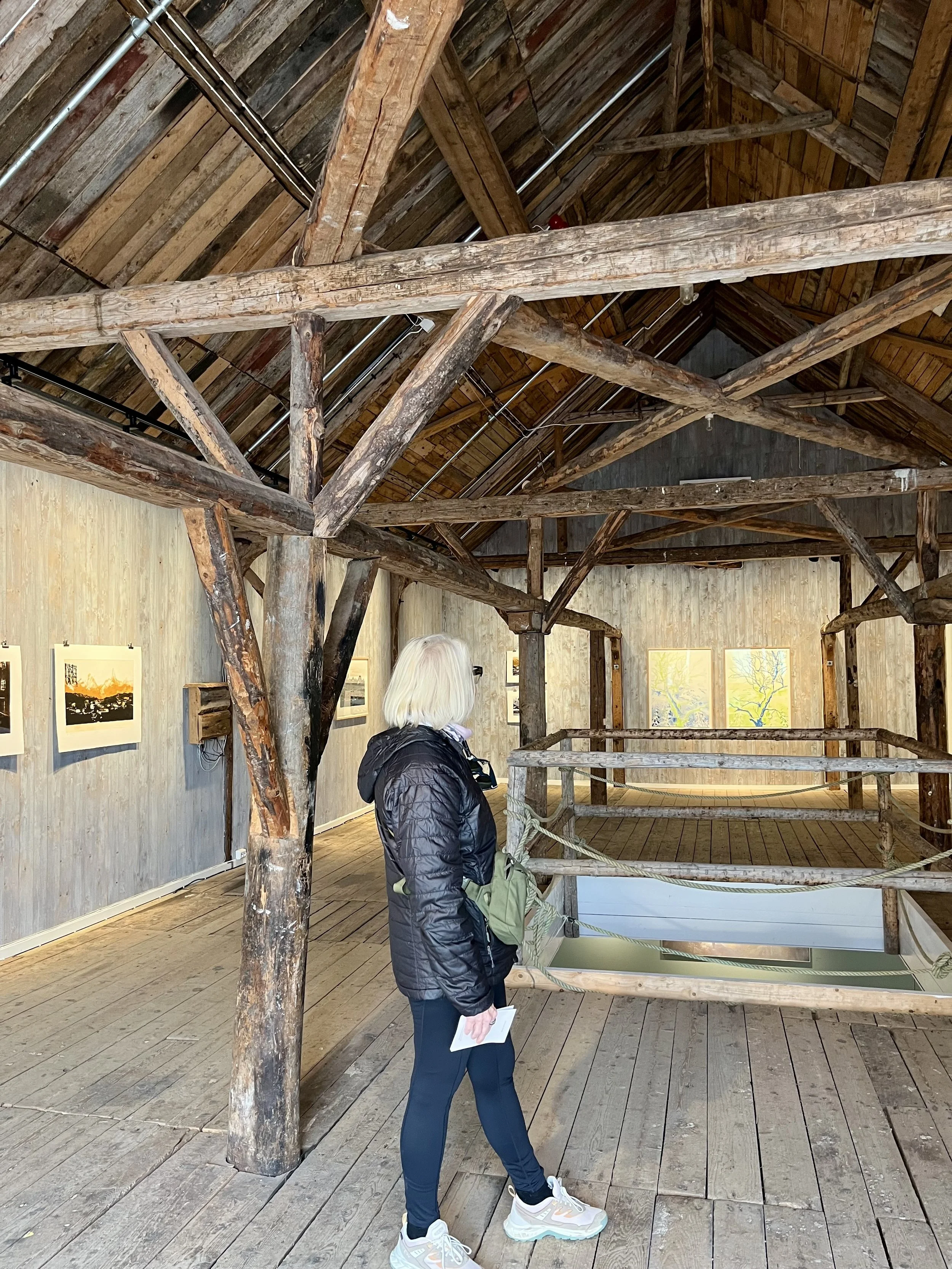
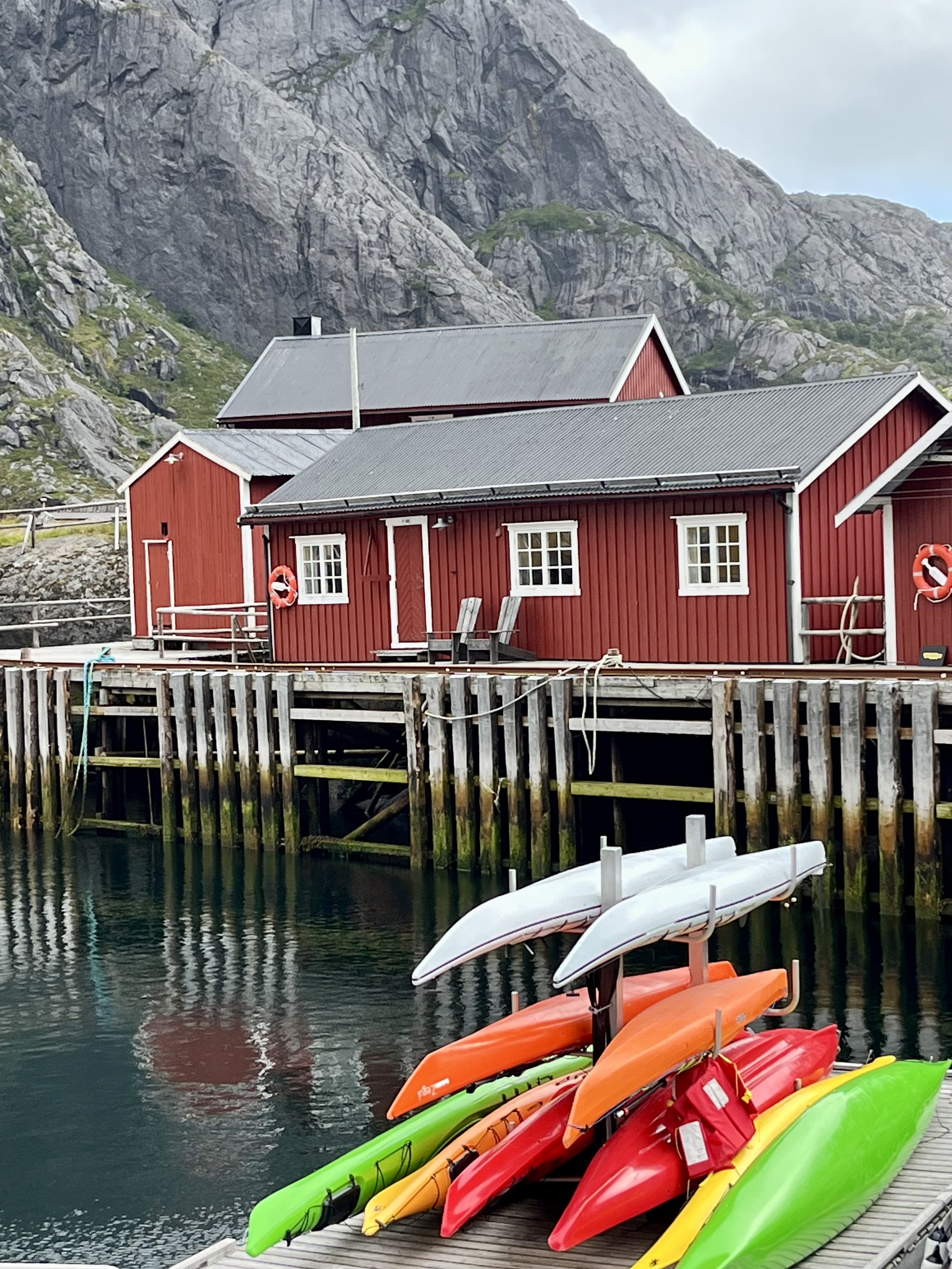
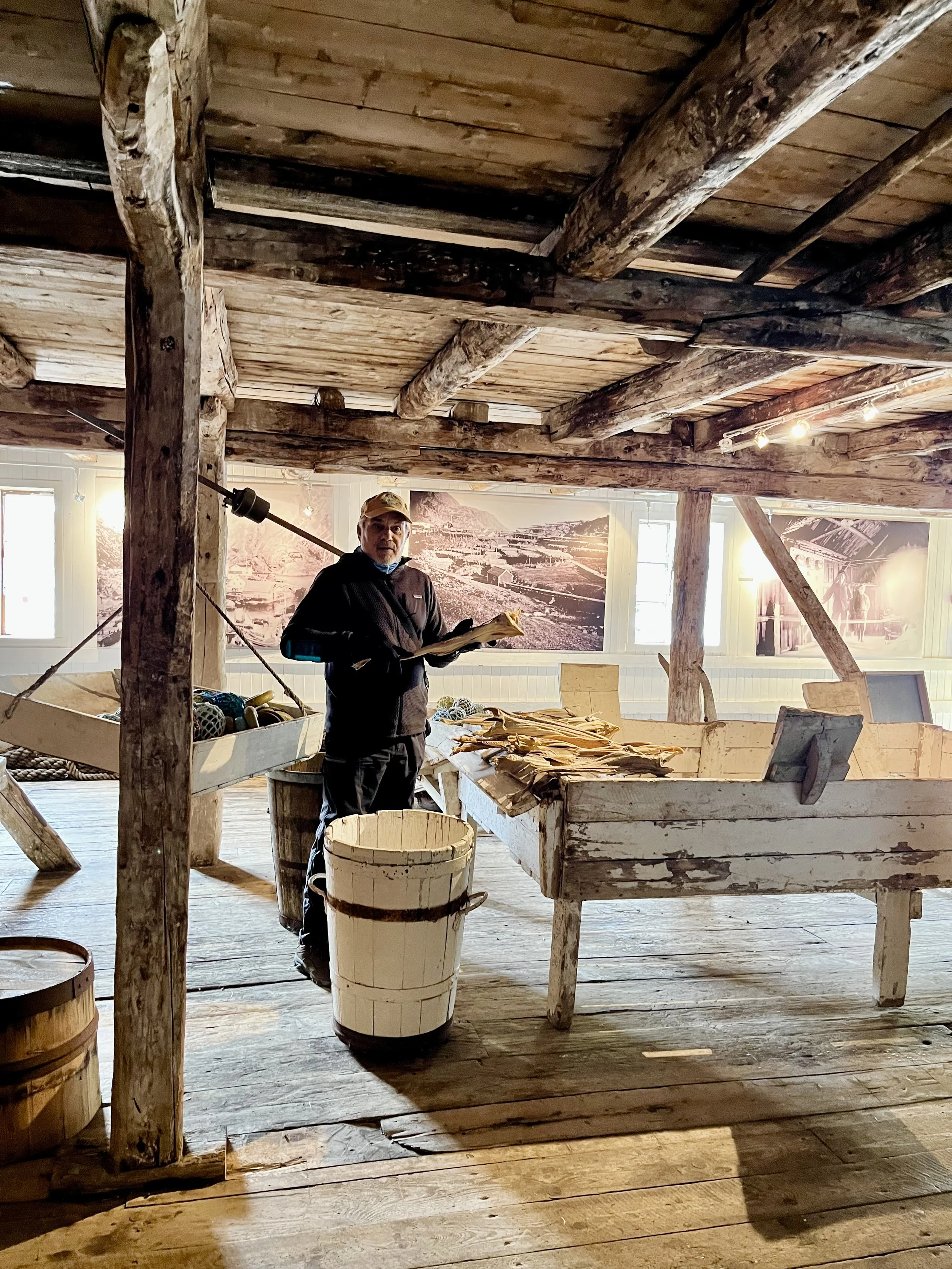
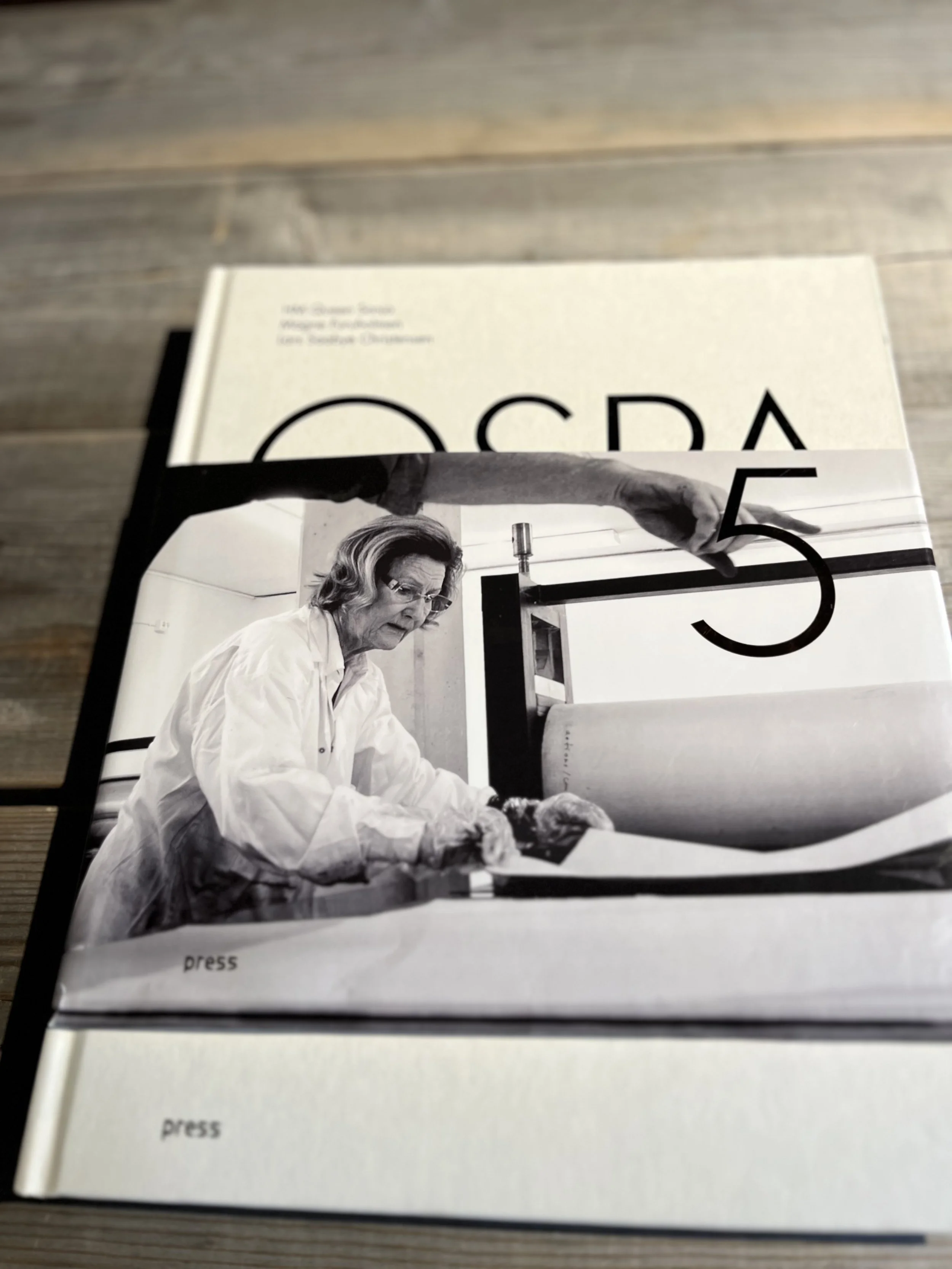
This village of Nusfjord is small, situated on a water inlet and hugged by the surrounding mountains on 3 sides. It is beautiful. We must pay a small fee to enter as it bills itself as an open-air museum of a small fishing village. The center of town has shops in the original buildings erected in 1800s. Several wood clad warehouses have been kept in original form displaying equipment, boats, and artifacts of the fishing industry. Other buildings and warehouses are modestly updated to use as art and photography galleries. Interestingly, the Queen Sonja of Norway had collaborated with local artists to encourage their creativity, and her own, to make art and publish works about the process. These books are available and open to visitors. Also, works of important Japanese photography are displayed. These presentations lend a special air to the town.
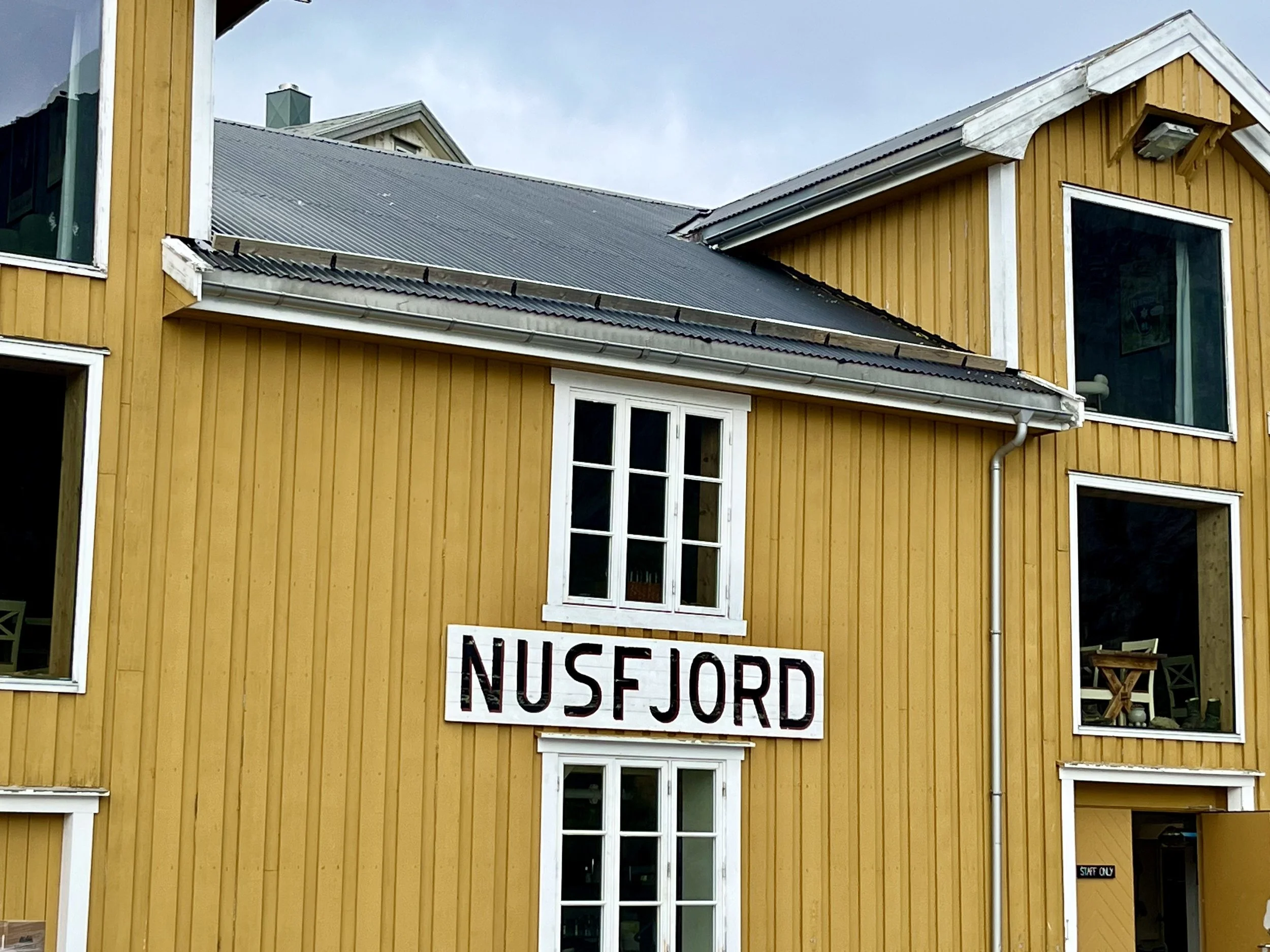
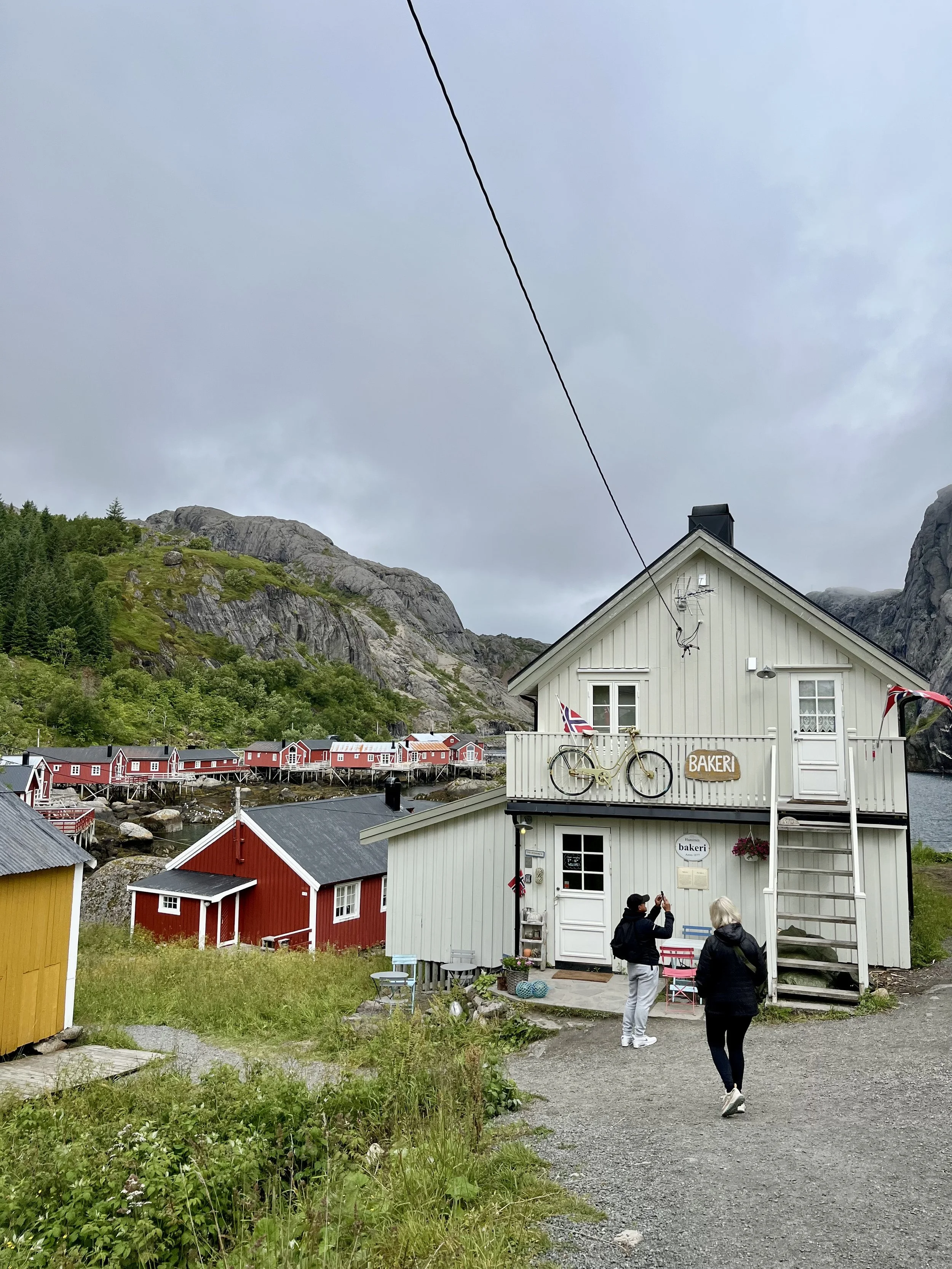
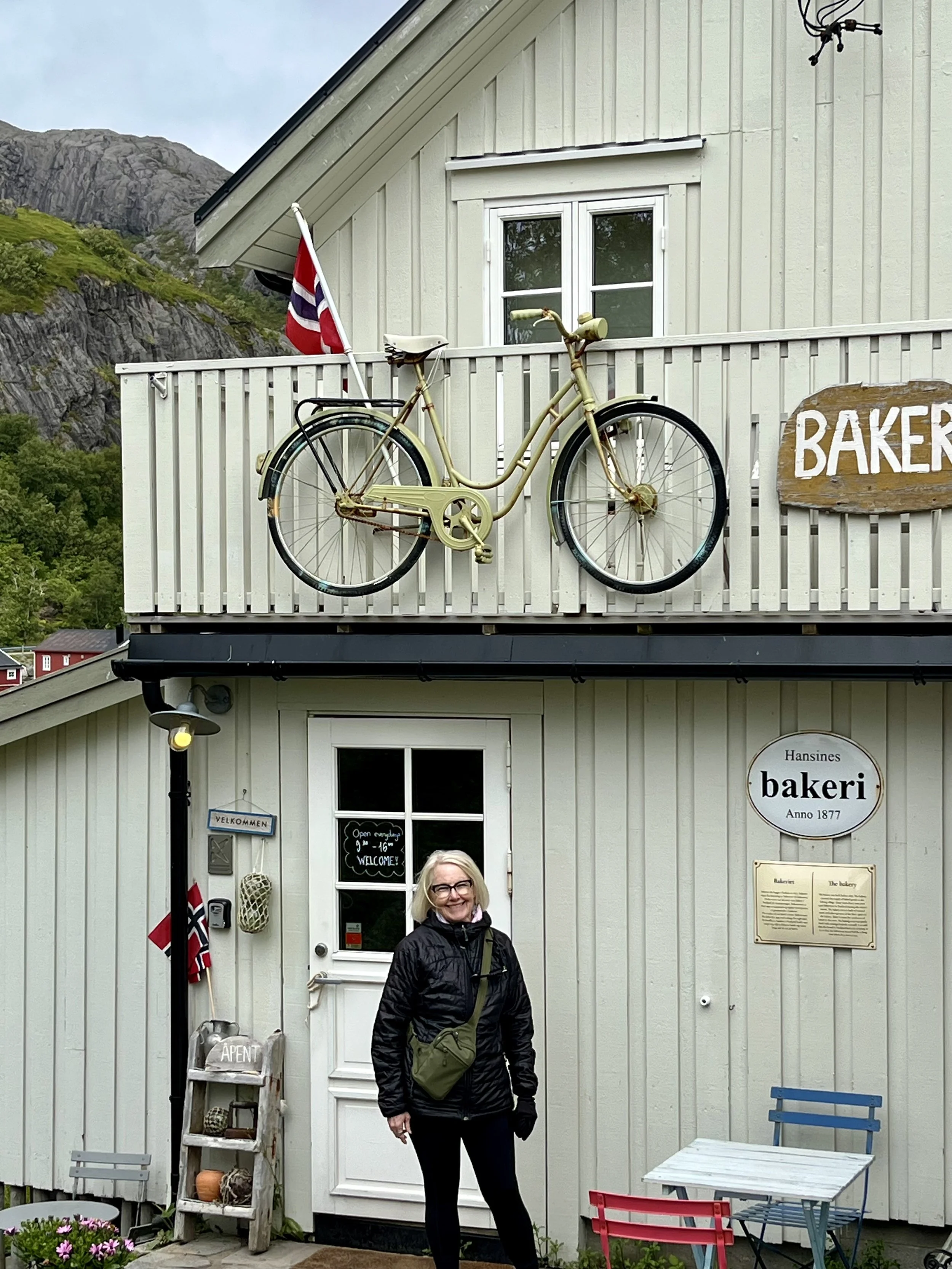
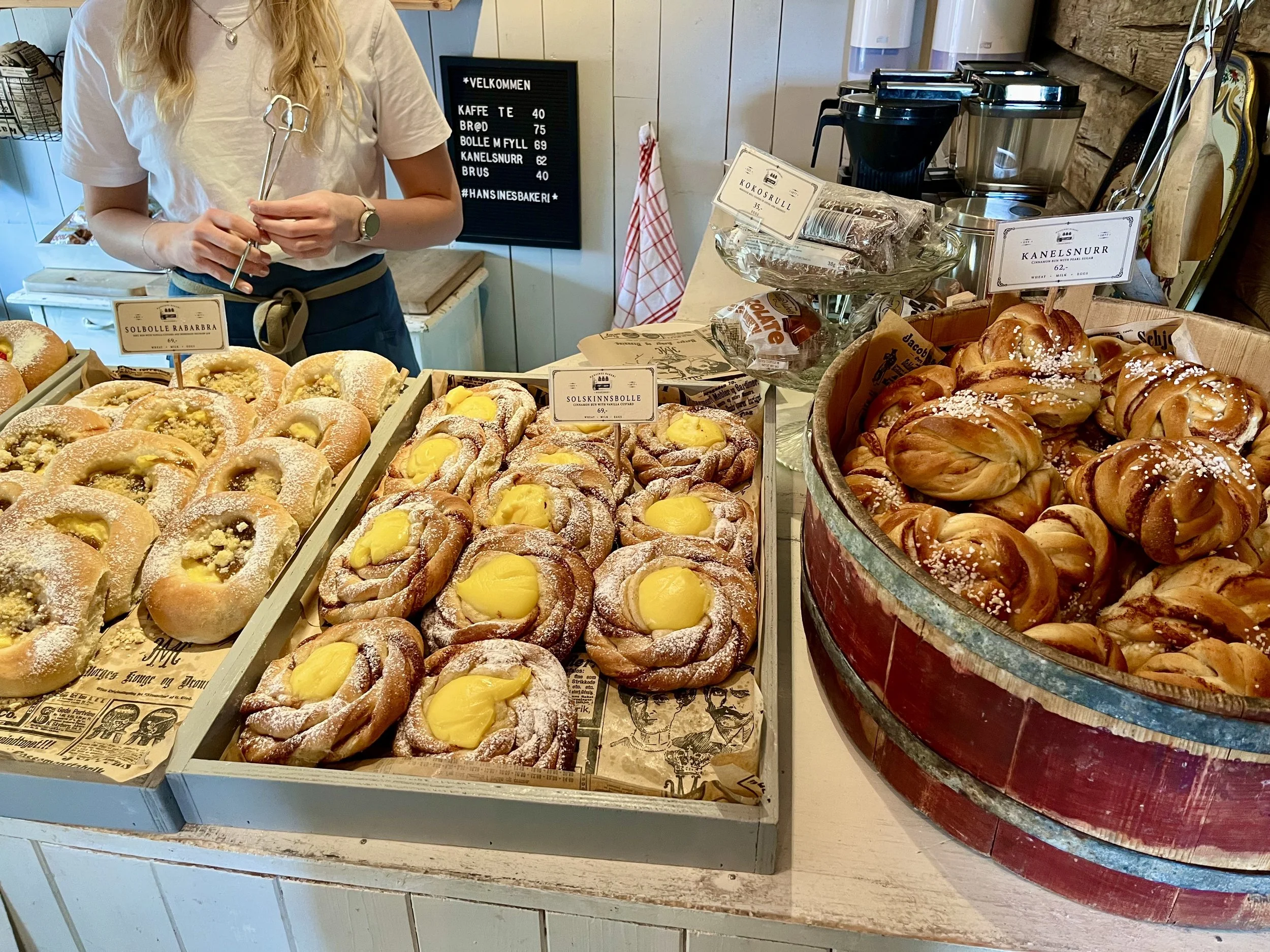
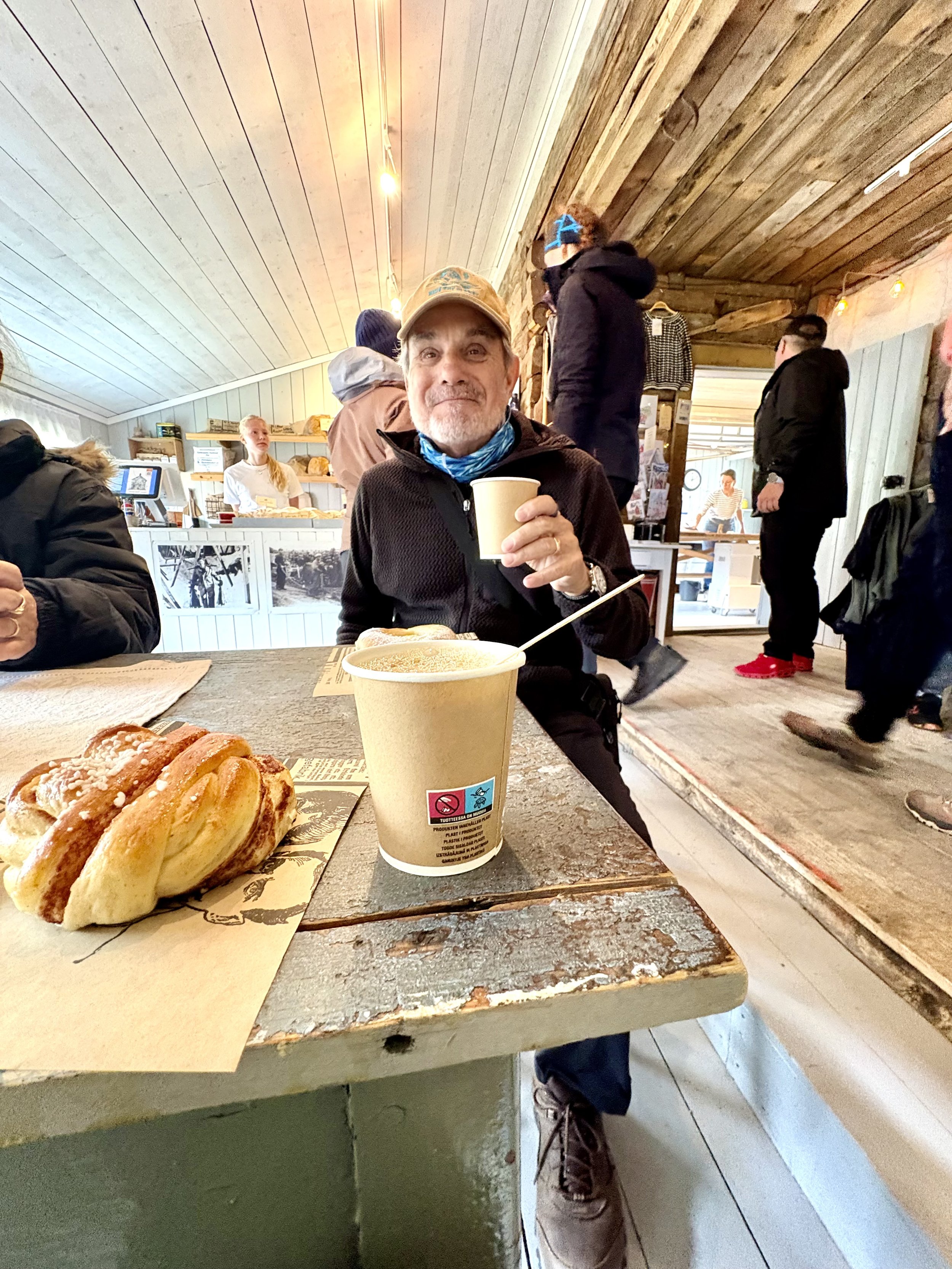
Another treat for us was taking a break at the working bakery operating in its original building built in 1877. Here we had the best buns and coffee of the trip. We saw the baker kneading dough for her next batch. The pastry was so fresh and tasteful; we had cinnamon buns and cream filled danish with sweet rhubarb jam; just great and we feel nourished.
Now, lets do an easy hard hike, but wait, it is steep, very muddy between exposed stones and harder than expected. Glad we had walking sticks to gain extra stability and balance. But in the end the view is great. We are standing on a bluff at the entry of the inlet and harbor. We managed to get back without falling in the mud but Janet’s pink hiking shoes might never be the same.
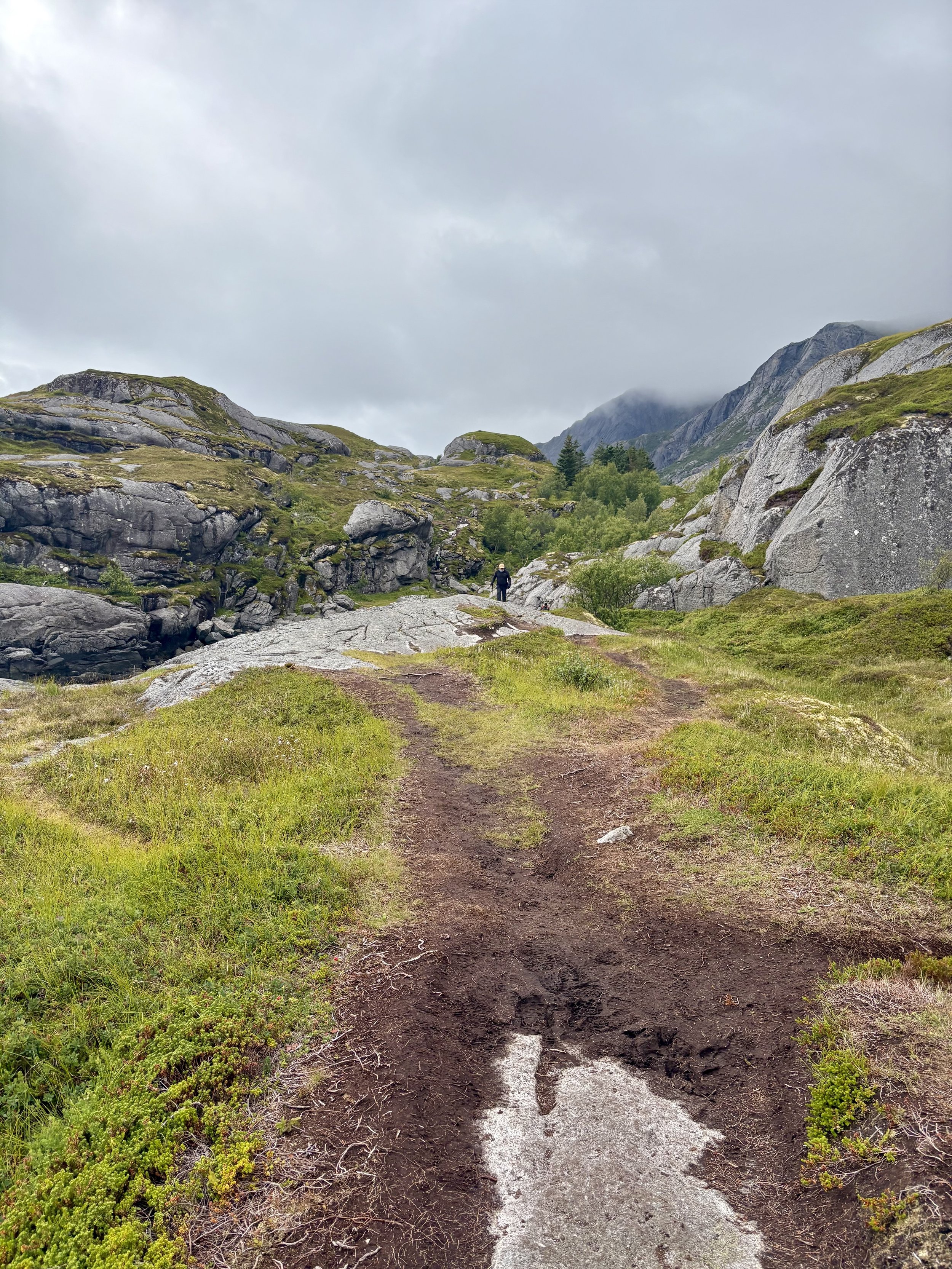
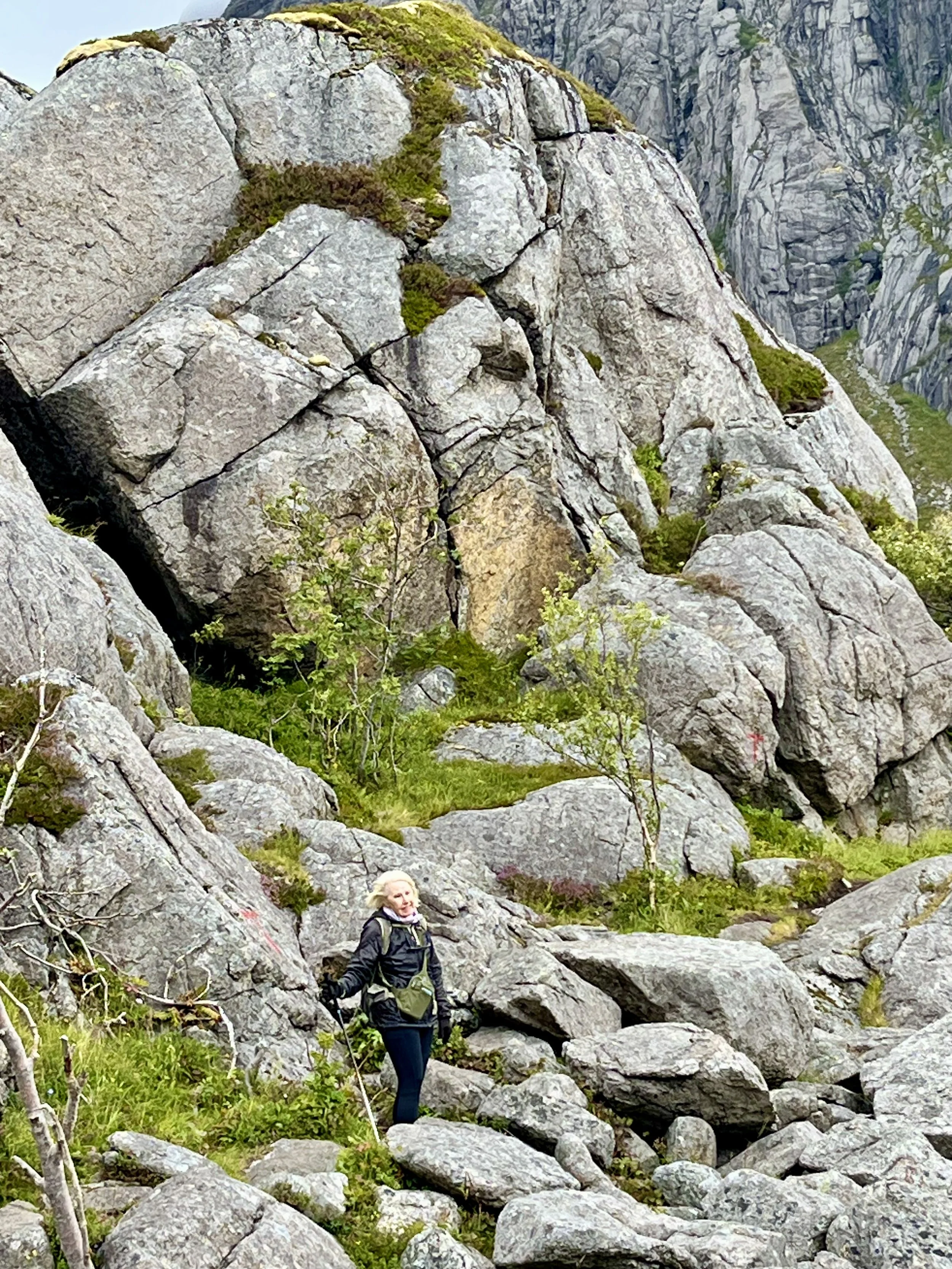
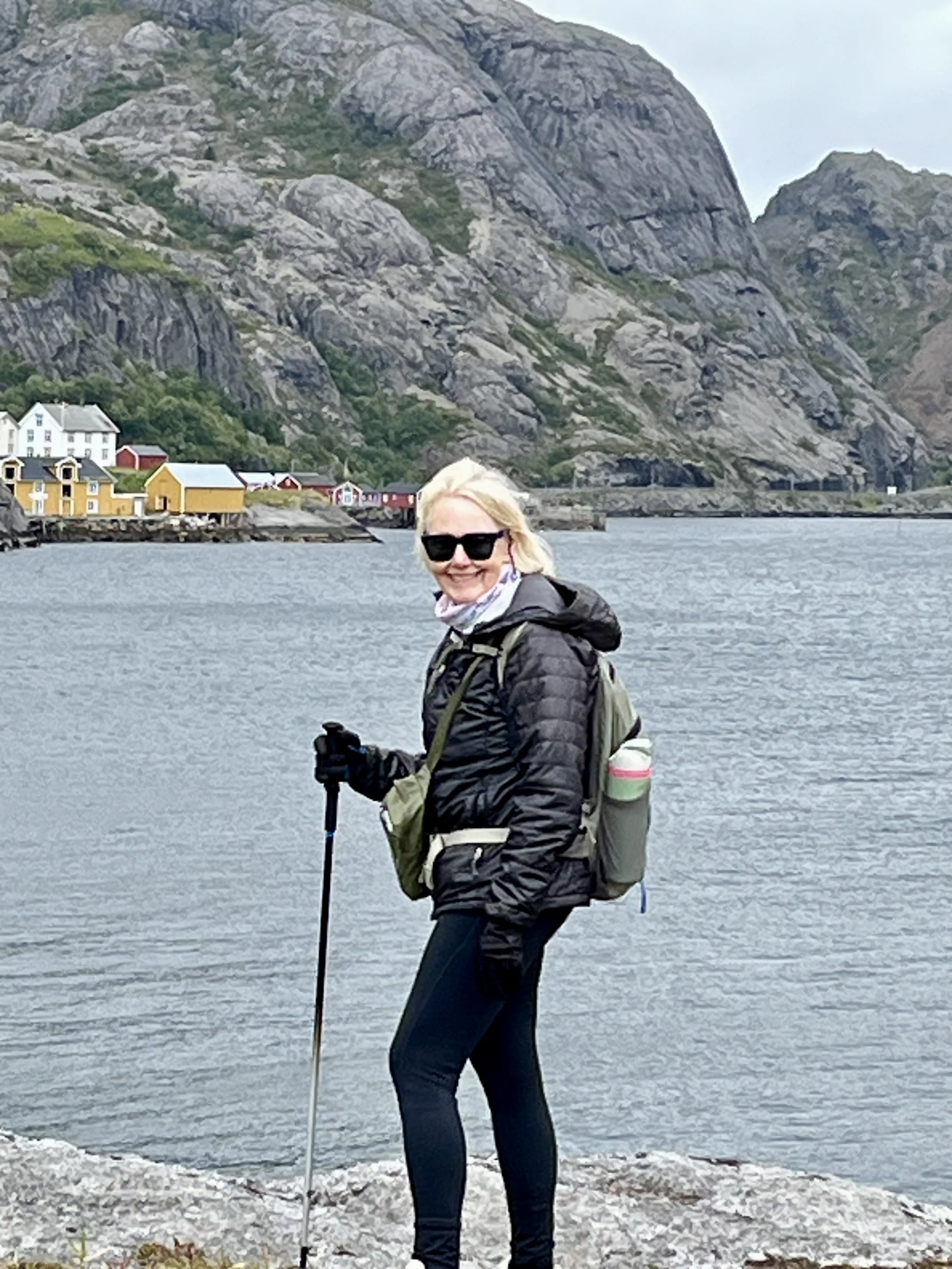
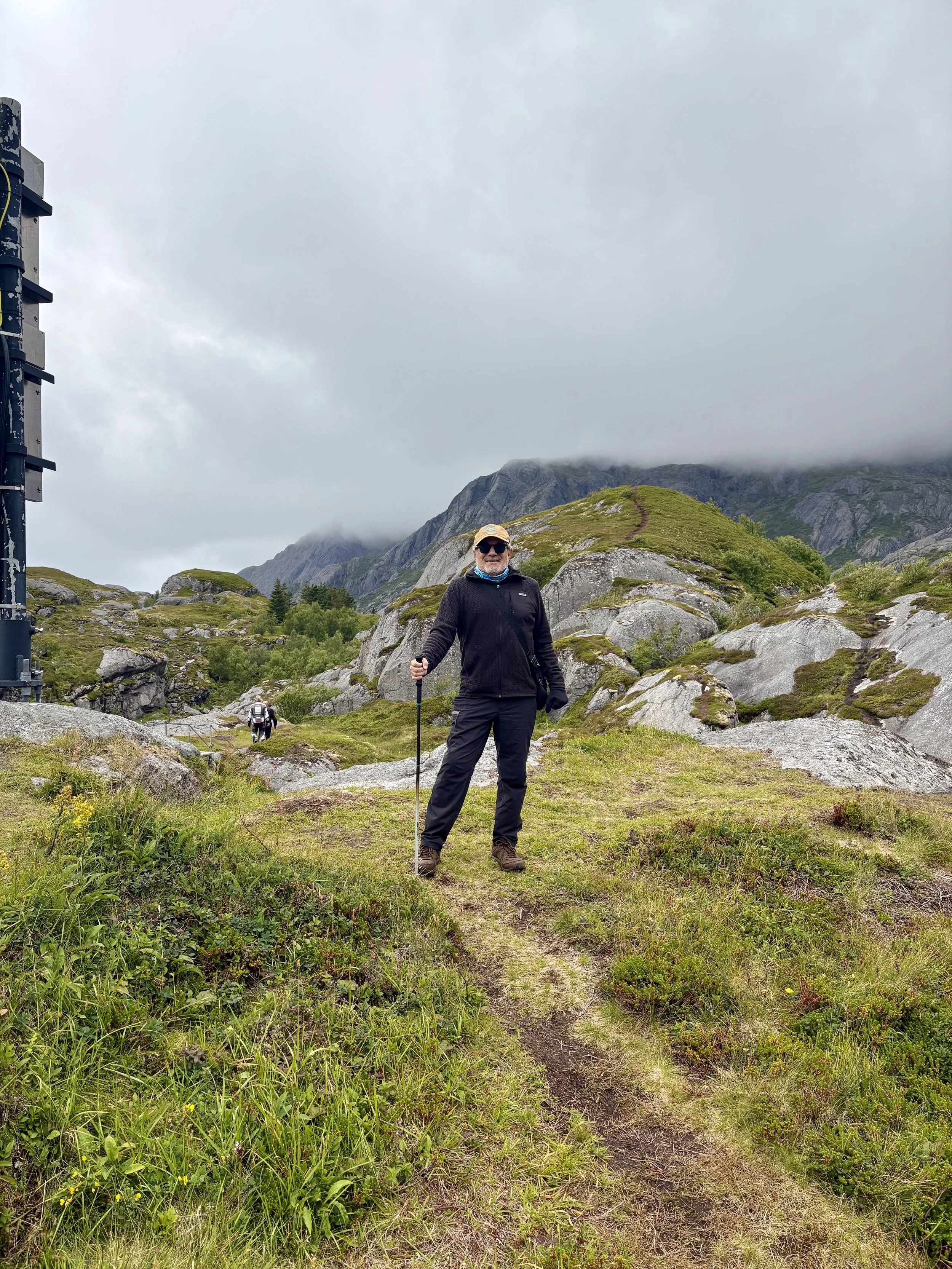
The end of the hike
Our next village is Hamnoy, it is smaller and the prime attraction is the sweeping views of the bridges, the weather is foggy again, so we have a quick walk around and move on to village three, Reine. Reine is also our next Airbnb. We follow exact instructions and find that this location is new apartments above a warehouse, we have stayed in some odd places, and this one is now at the top of the list. But it is new, warm, clean with a washing machine and the Co-op grocery is next store, so no complaints. The rain is harder, we are tired so the tour of Reine will need to wait.
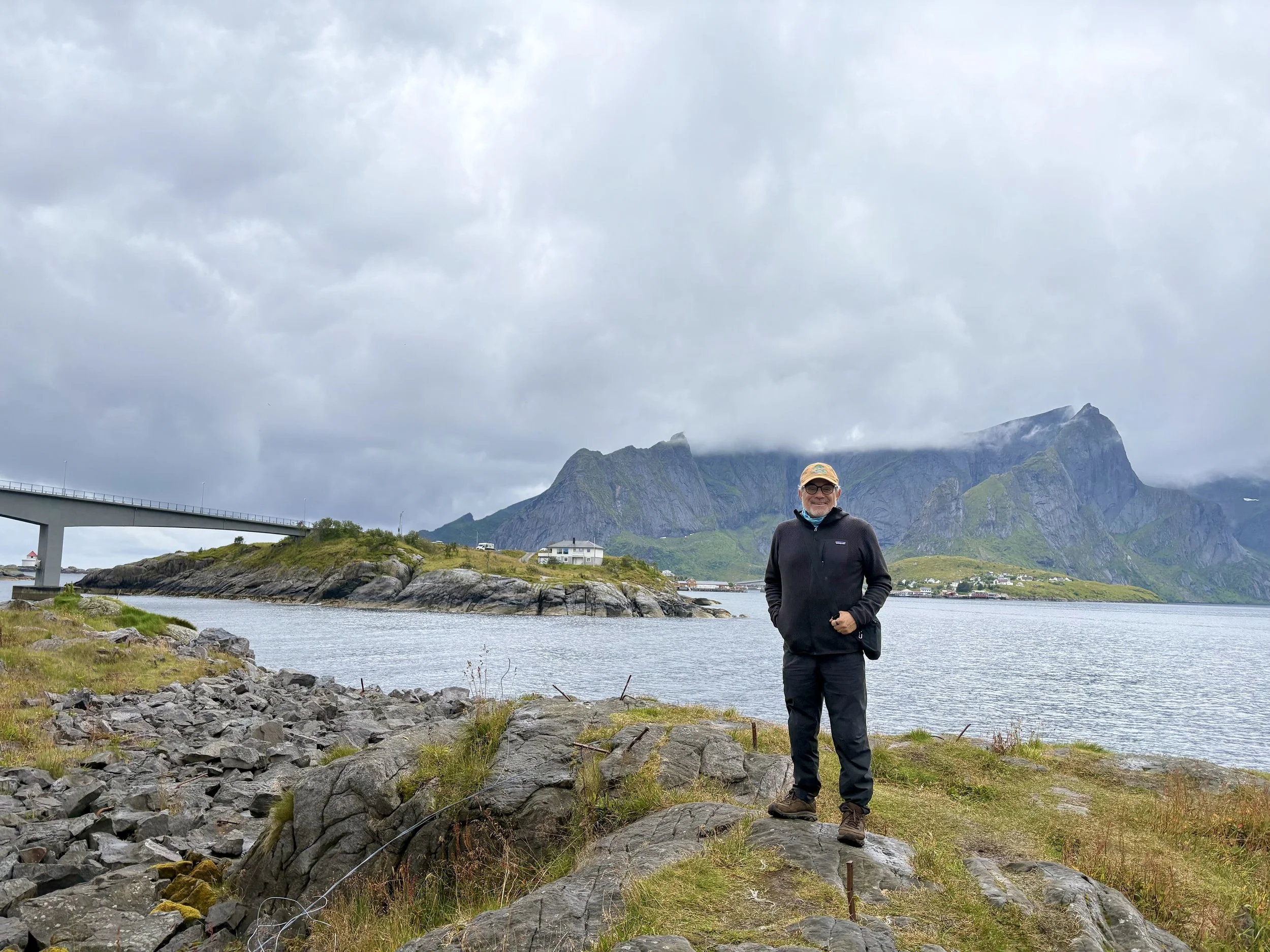
The famous photo from Hamnoy to Reine
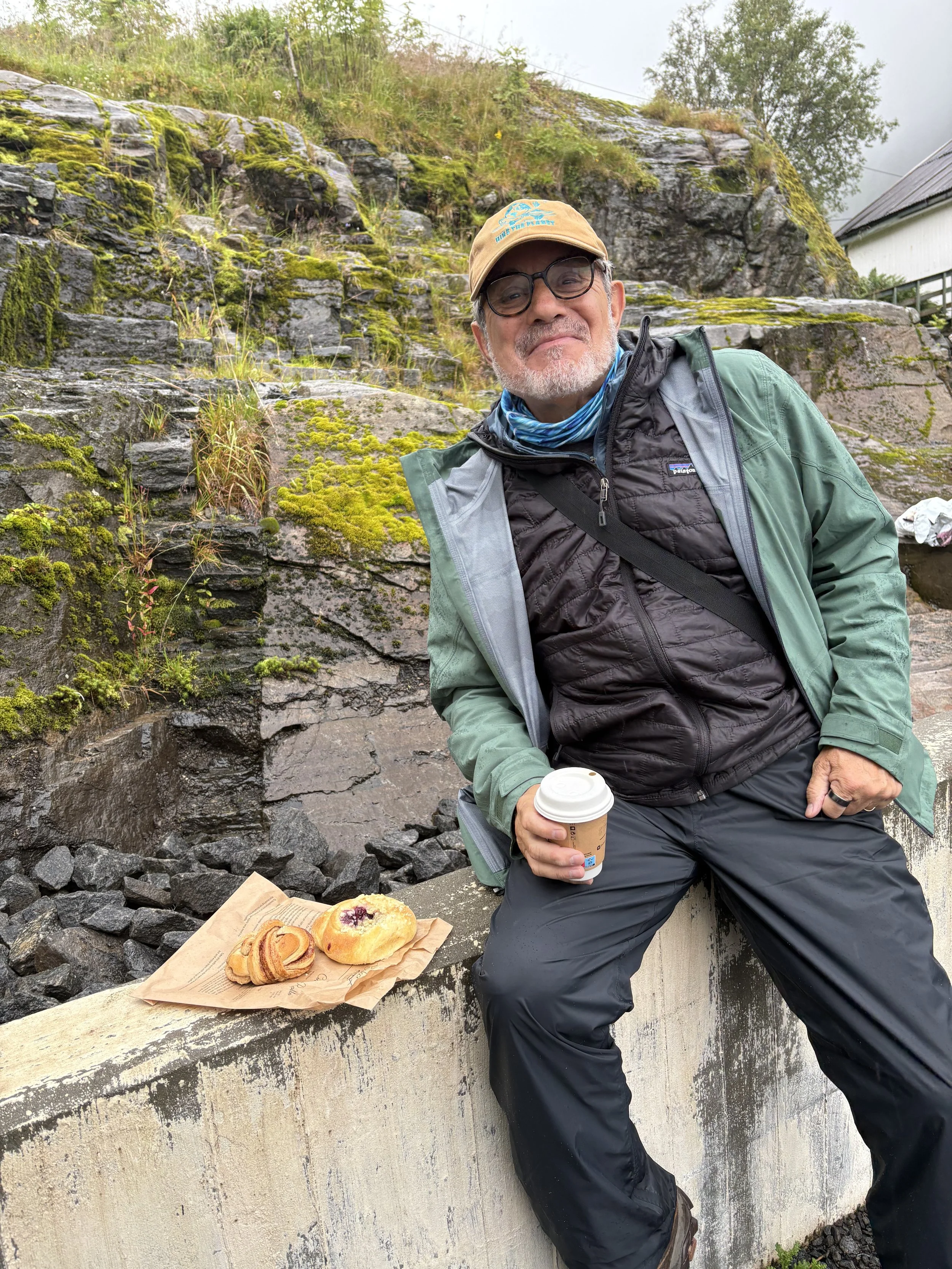
Yummy again
More rain today, constant and heavy, we put on all our gear and head out to the village of Å. The name reminds us of the last symbol in the movie “Stargate”. It is a curious one letter name. We asked the gift shop manager the origin of the name. He said it is historical as the descriptive of the location known as “small river”.
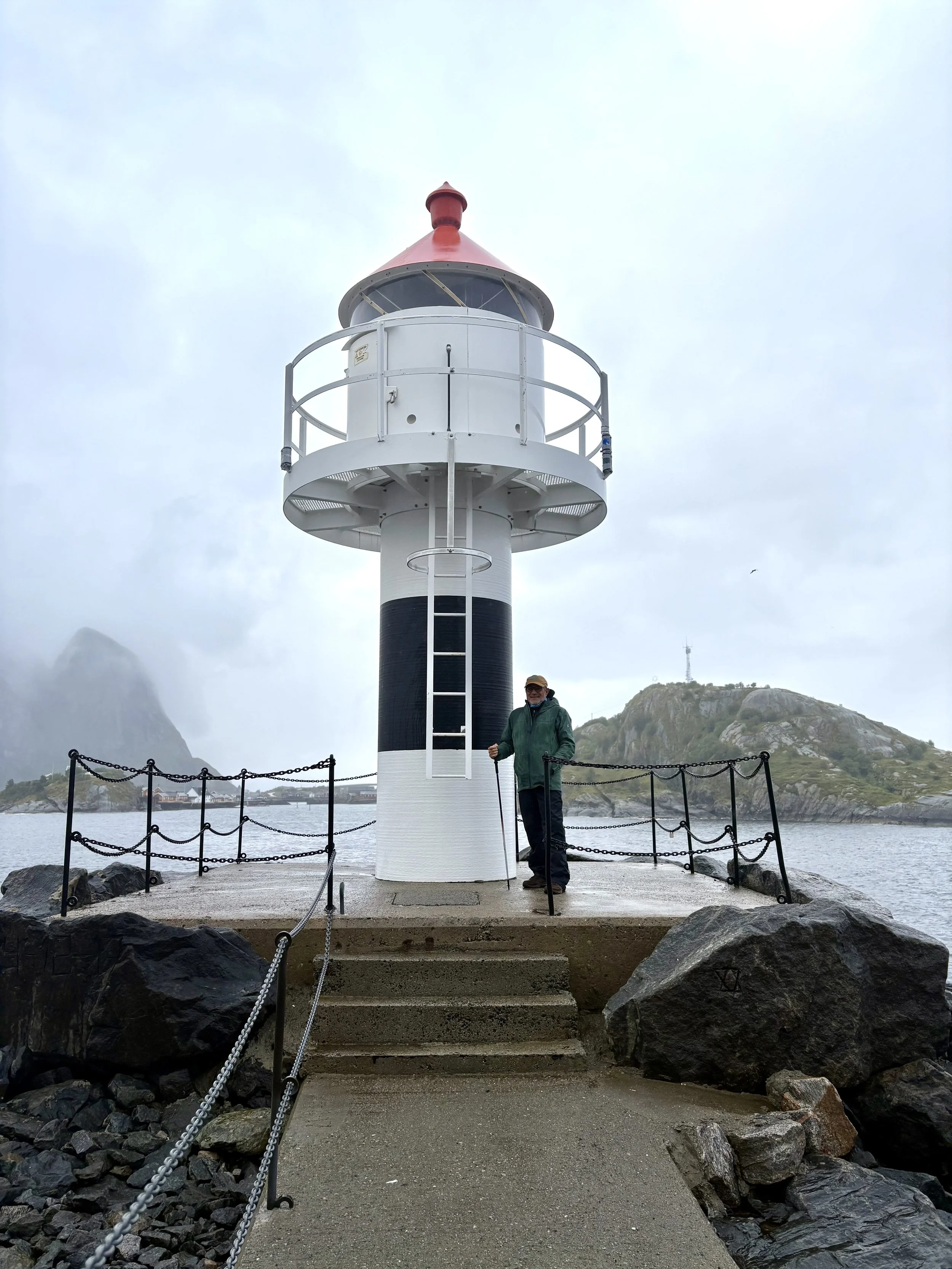
We walk around the harbor town with it Rorbuers and original buildings and then hike on the flat granite boulders that create a natural water breaker. We then move on to the long man-made water breaker that curves out around the harbor. Boulders nearby in the water are covered with landed sea birds squawking away. These birds are all over the place and roost on top of the building roofs as well
Time for snacks. We choose more cinnamon buns with coffee. Great, but second place to the bakery goods in Nusfjord.
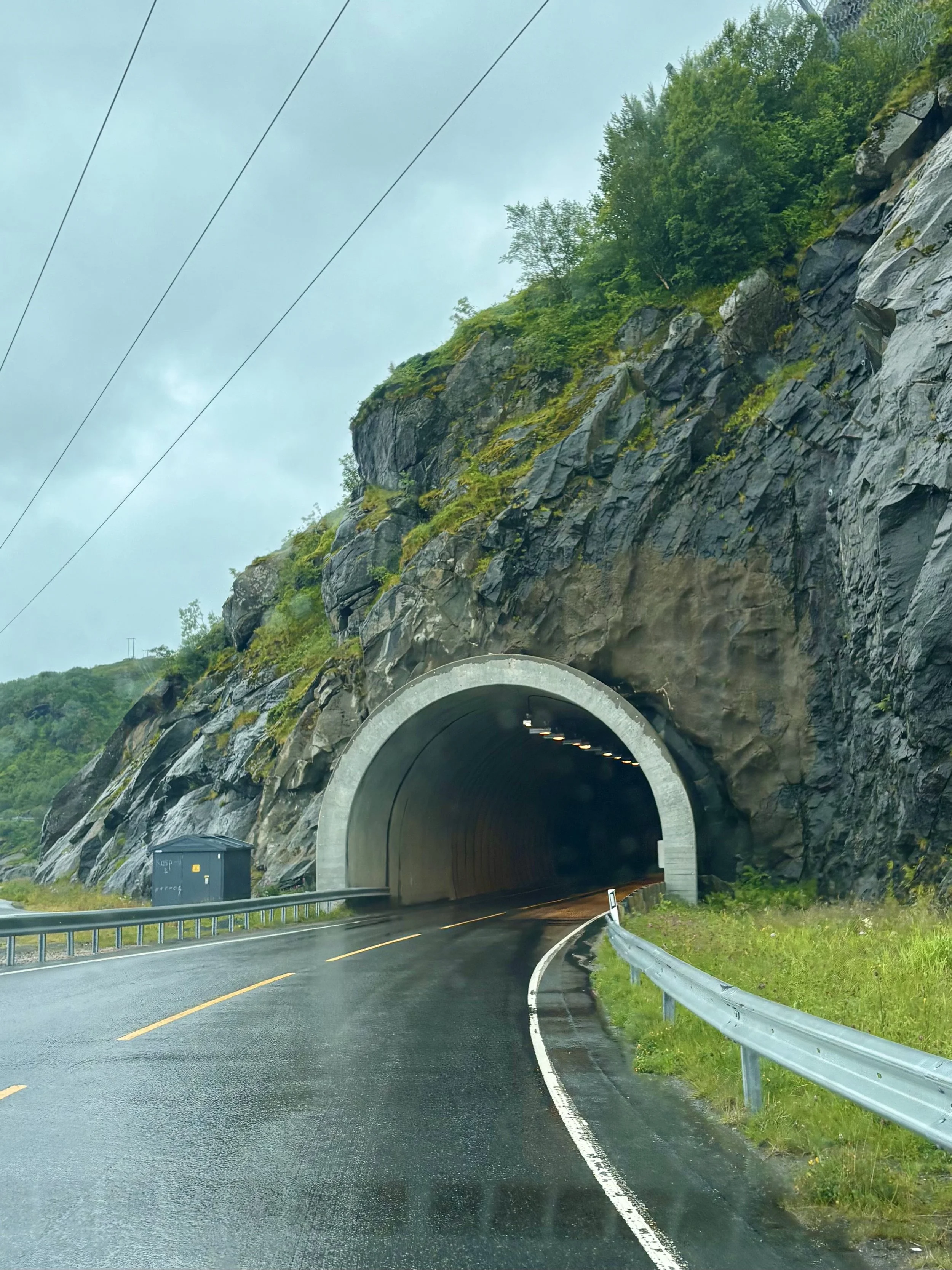
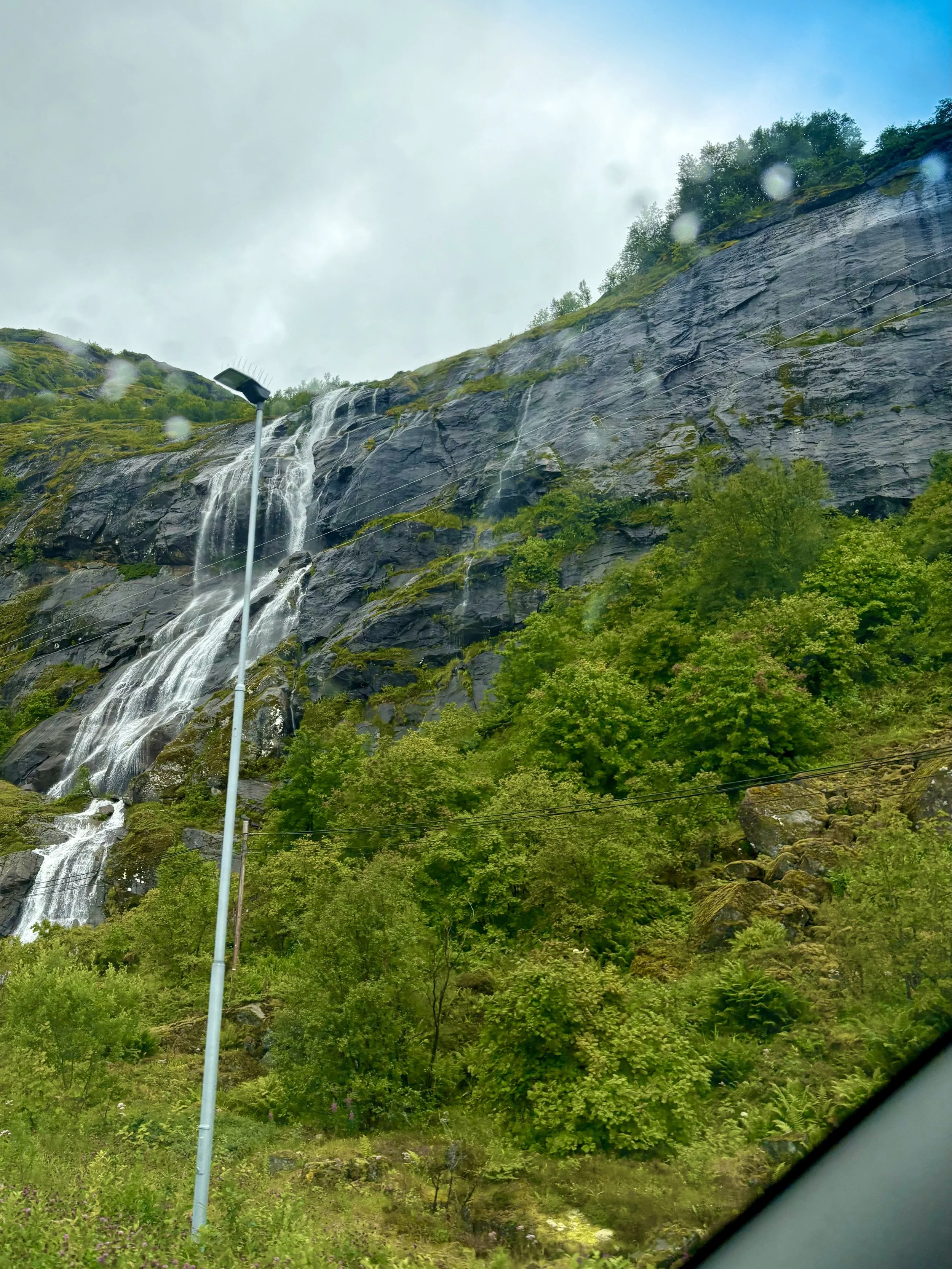
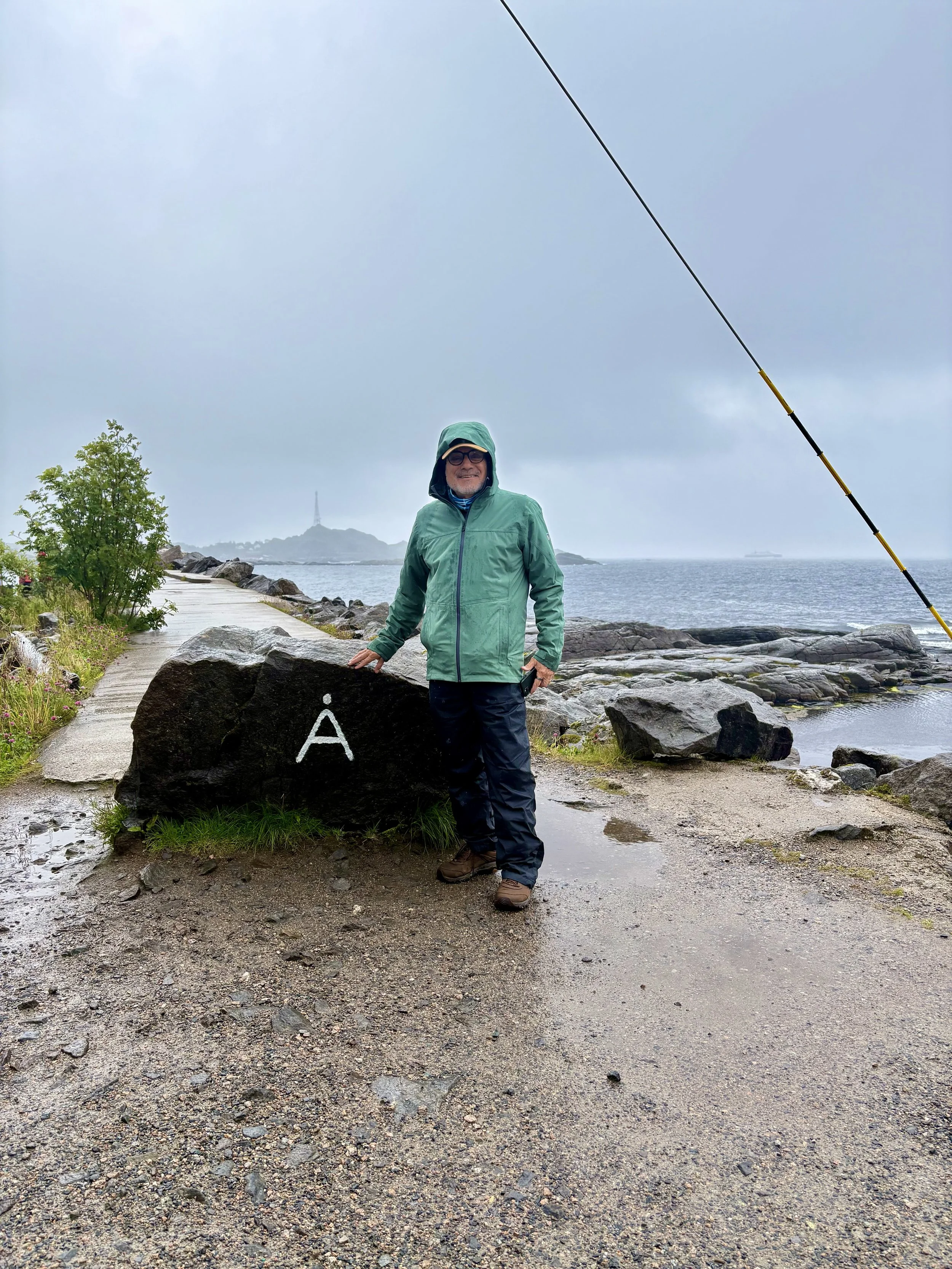
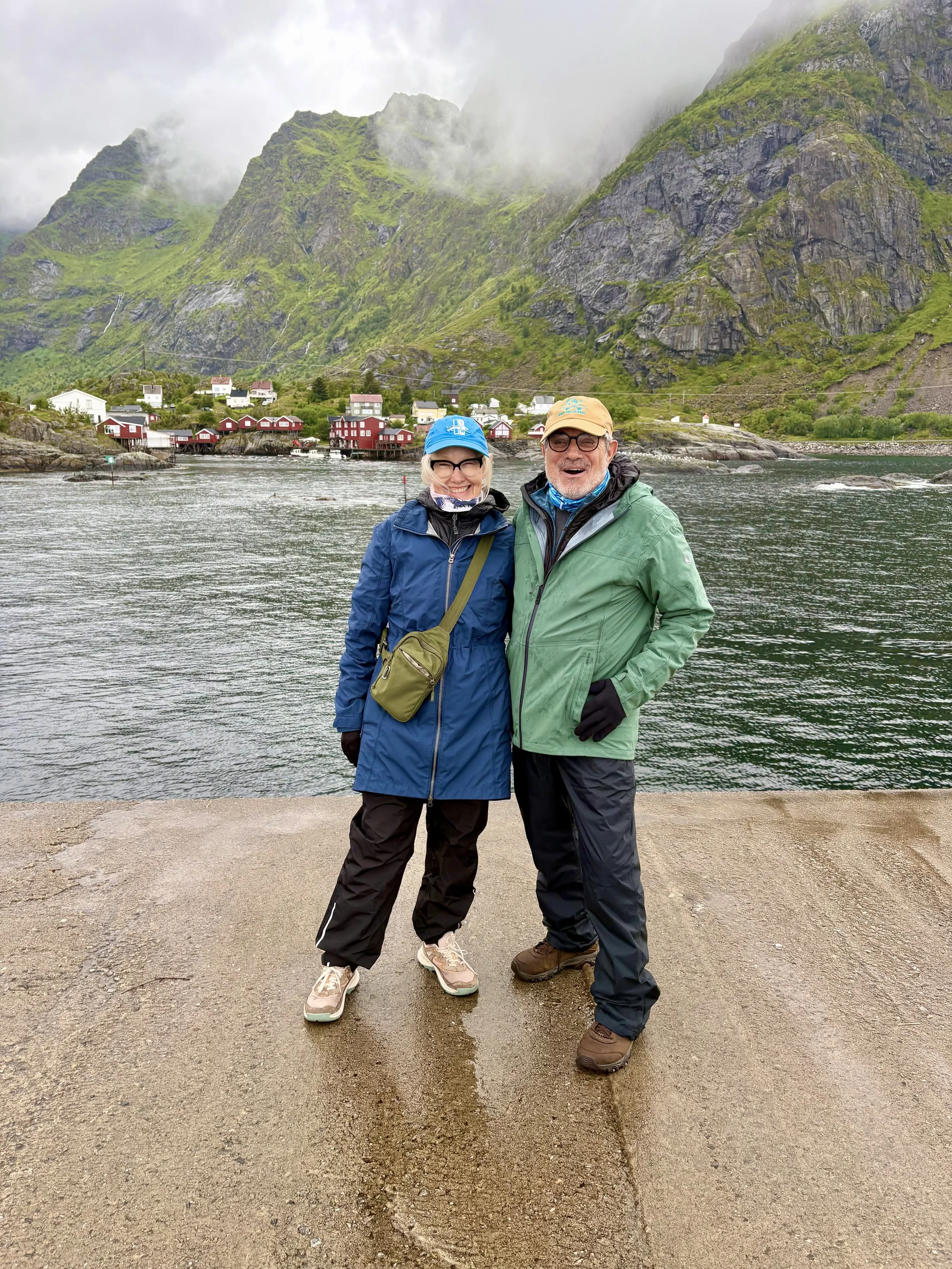
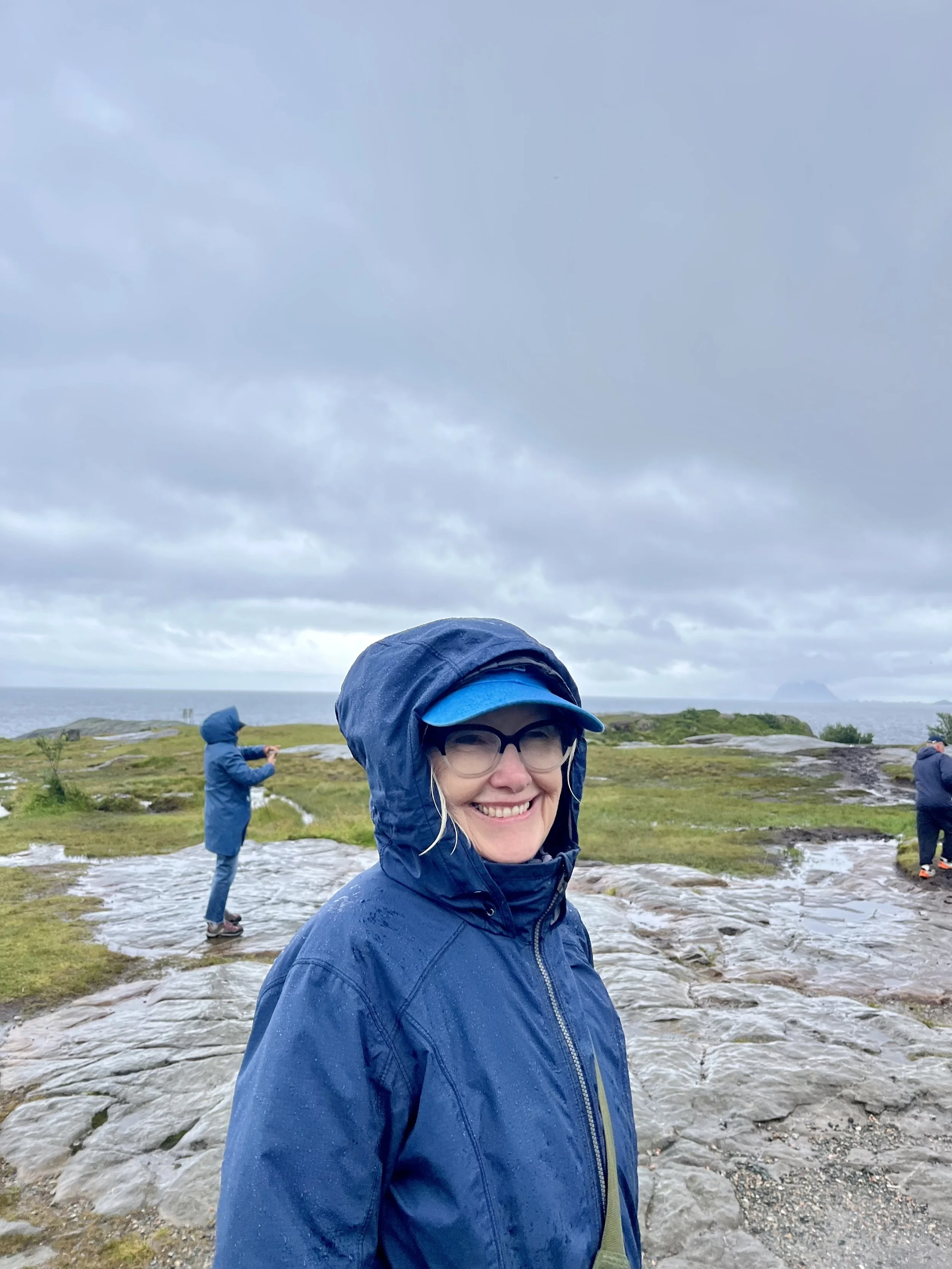
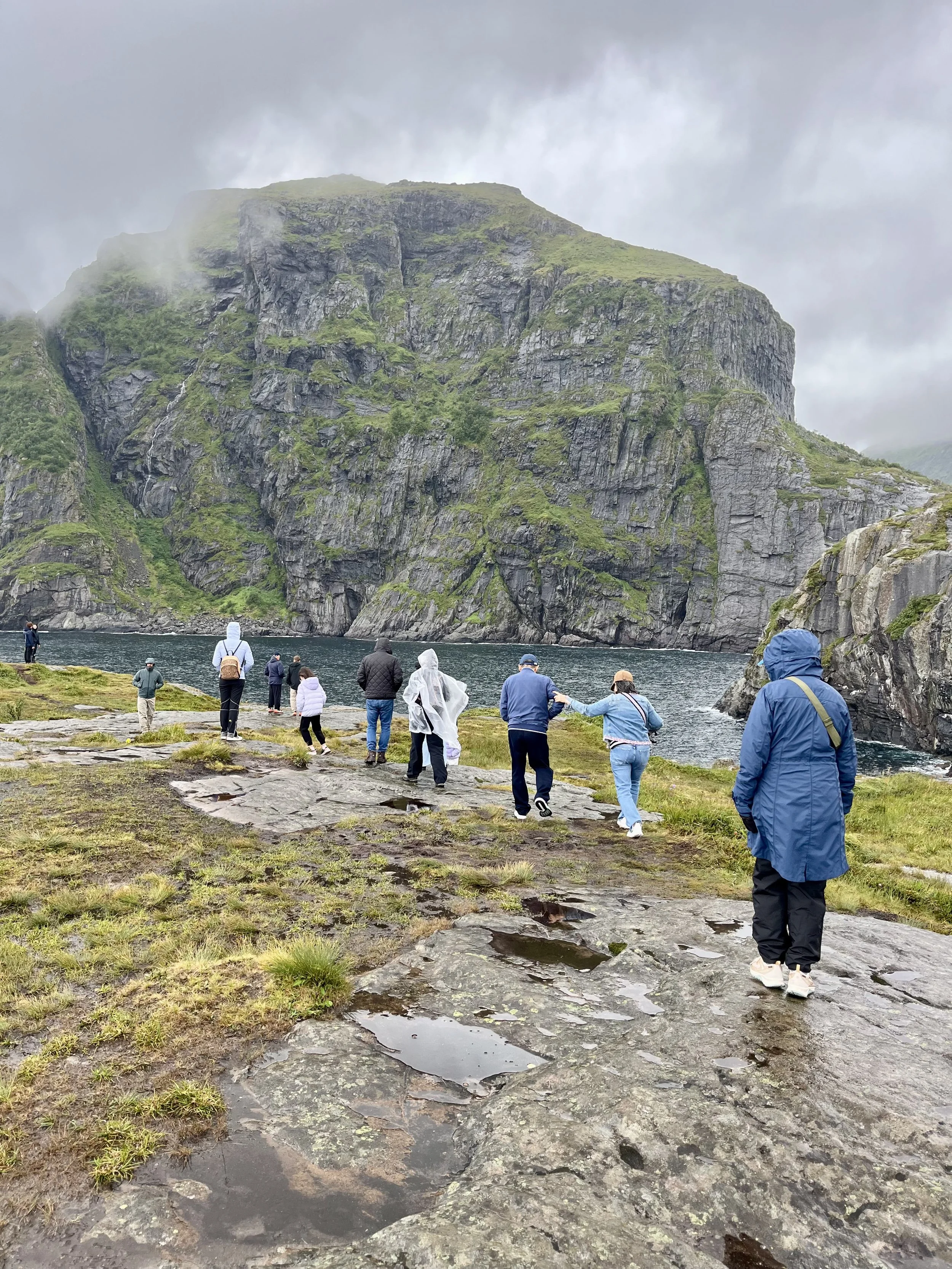
We then joined a great guided tour. We were led into various fishers’ cabins and the boat houses displaying tackle, equipment, and several boats, getting information and stories from the guide.
Now, while in the islands of Lofoten we better understand the historic flow of commerce all around Norway to the City of Bergen and controlled by German merchants a/k/a Hanseatic League established in 1350 AD. The King of Denmark appointed them to oversee his business interests. We had visited the historic warehouses of the Hanseatic in Bergen.
We also can better visualize, understand, and appreciate the rigors facing the early fishers. In the village of “ Å” that is the southern most fishing town visitors can still reach by car, we had the luck to hire a resident guide who was familiar with the fishing history of the town and industry.
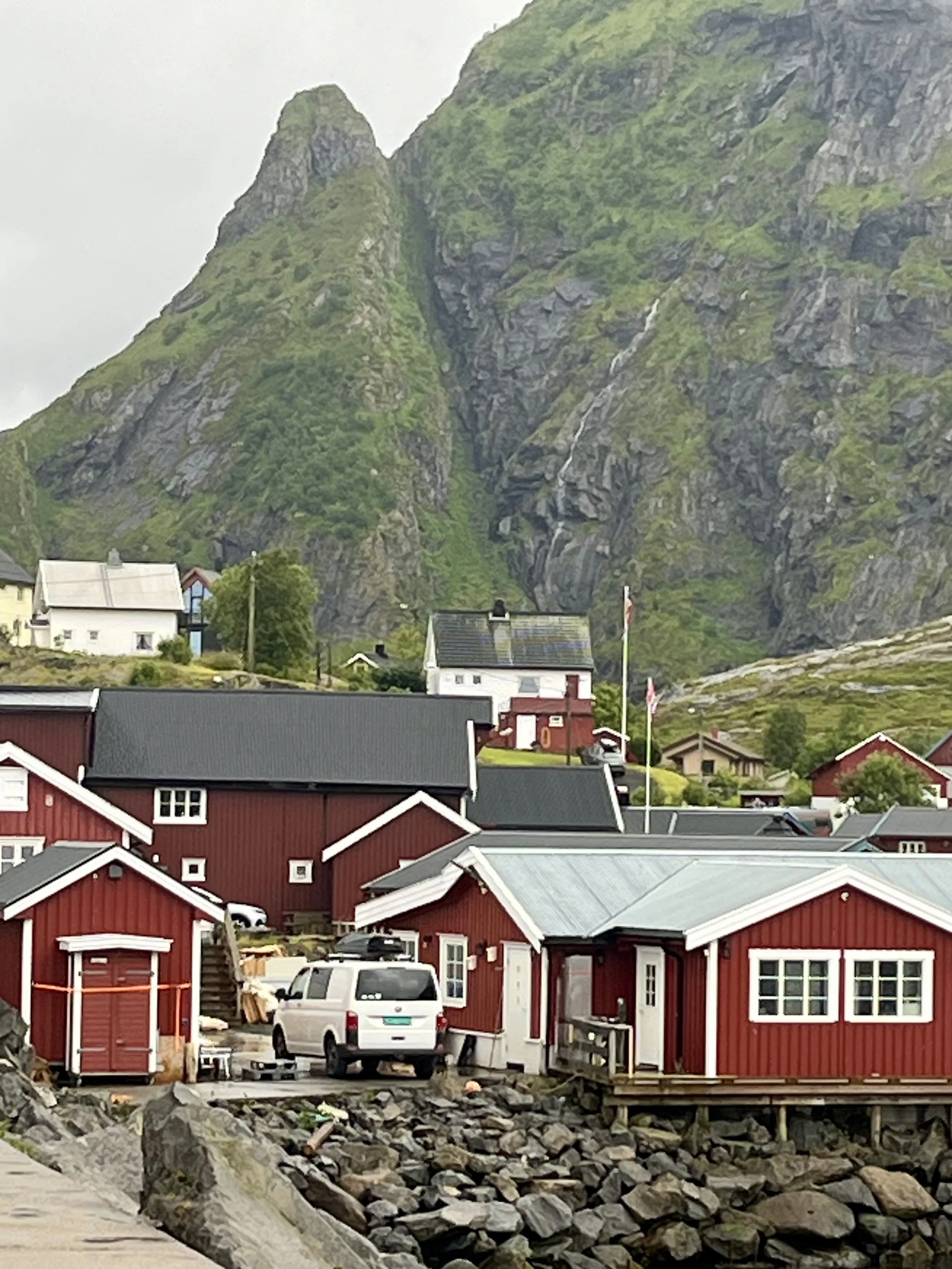
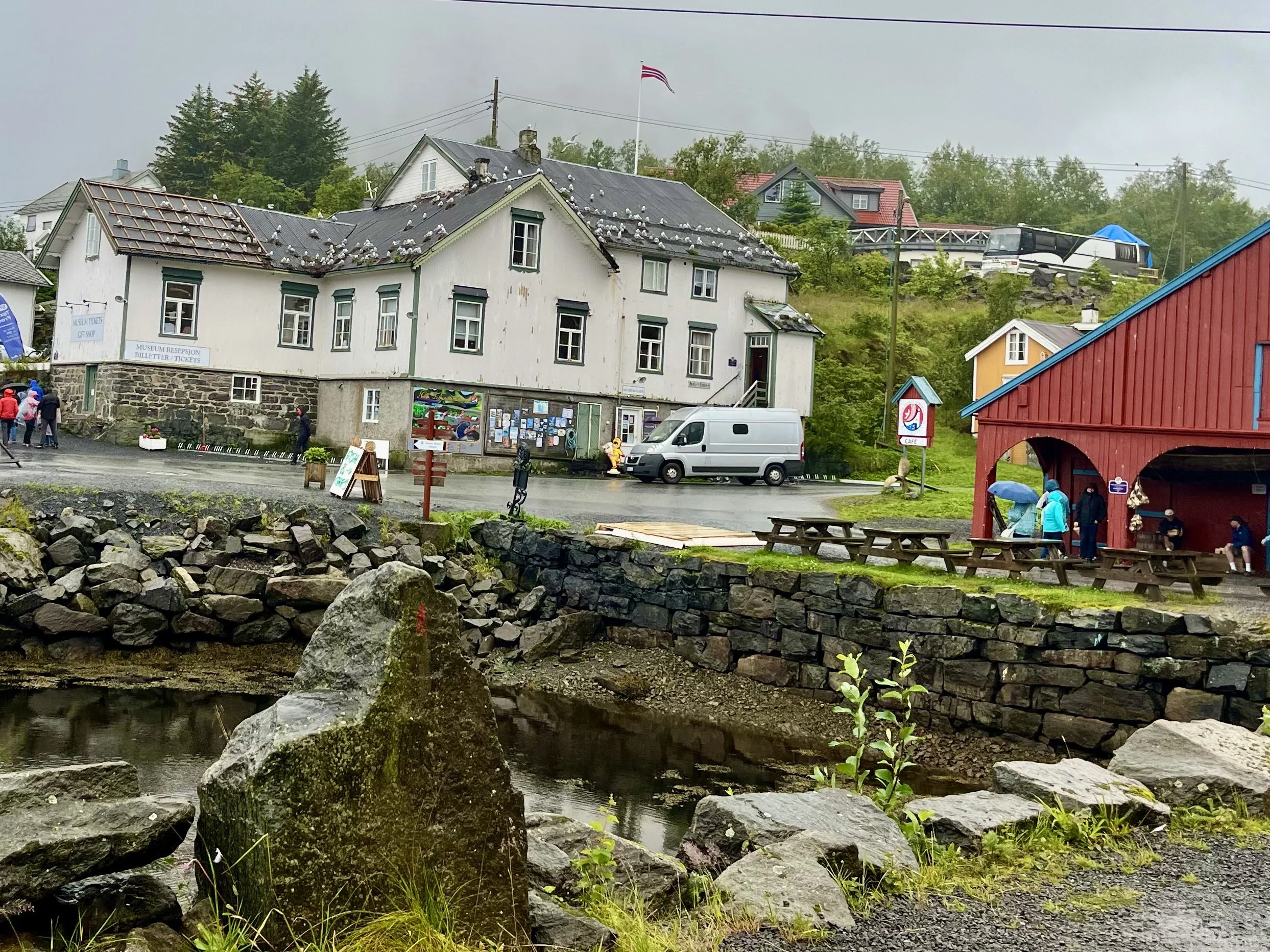
Guided tour
The guide answered questions we had long harbored about the historic processes. My synopsis of the talk. Historically, the fishers would team up @ 8 men to a 15 ft wood boat with sail and oars and upon common signal by the harbor master they would race off to the fishing areas. Most fishers could not swim. So, in a very coordinated effort to avoid rocking their boat they would deploy the large nets to snatch up the cod. The cods harvested would be spilling over the legs of rowing fishers. The fishers’ crews and living quarters, if provided, would be organized by their village identity and hierarchy so they would be more familiar and less likely to fight. As well, some fishers would bring their young sons to cook, clean and repair equipment while learning the business. Some companies would eventually provide limited grammar school teaching. Some fishers would turn their boats over like wooden tents to sleep under.
After the catch, fishers will behead the cod and gut the entrails. Then, they will cut out the tongue to process as food and the liver processed for “cod liver oil”. The fish-heads are used for soup. The cods will be bound together in pairs, tail to tail and hung on the wood racks exposed to the best drying climate and temperature. Within about 3 weeks the cod will be dry and ready for packaging and shipment, usually to Bergen, the commercial center and capital of Norway in the past. The cod are now Stock Fish sold all around Europe and the Mediterranean (In 2000’s most popular locally and in Portugal and Italy). Other fish, like salmon and herring, are preserved in barrels by salting, not drying, before shipment.
HERE ARE THE MAJOR QUESTIONS: Q: How do you prepare stock fish for eating? Answer: The dry fish must be rehydrated in water for about 3 days or so and then cooked or stewed as desired.
Q: How long are the stock fish in dried state edible? Answer: Our guide said he has eaten stock fish at least 20 years old, he likes it better fresh but thinks 30 YEARS OLD is possible. We kinda cringe!
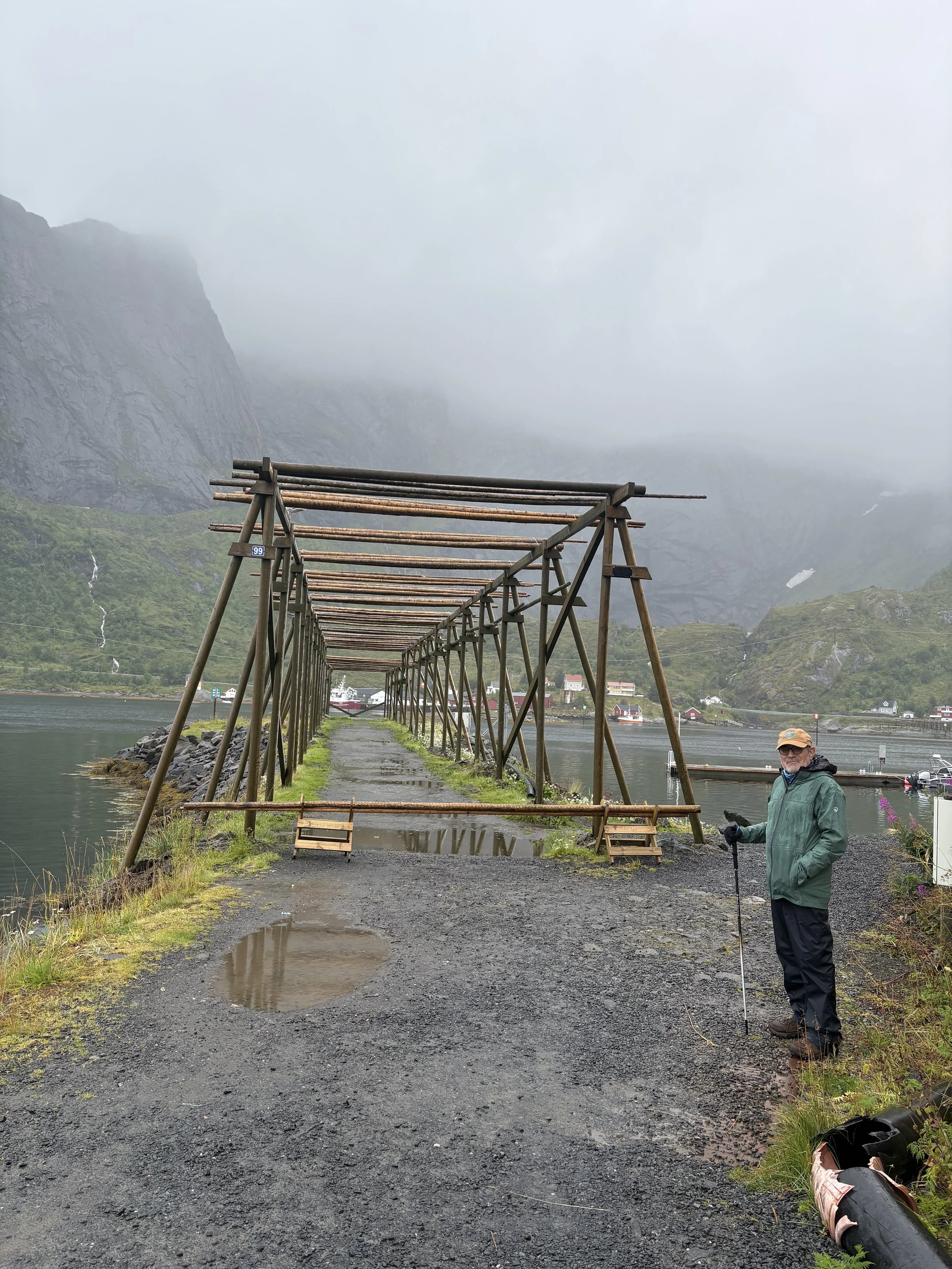
The production process has modernized and automated, but the use of drying racks continues. See photo below.
Norways’ seafood industry has exported to Europe for almost 1000 years. Now, the industry has expanded to more species of fish, including shellfish, wild fish, farmed fish, sea urchins, scallops, and kelp (sea weed), and uses advanced chemistry to create products, like paints and oils, from fish parts not eaten. We learned these products are worth over $100 billion NOK to the economy annually
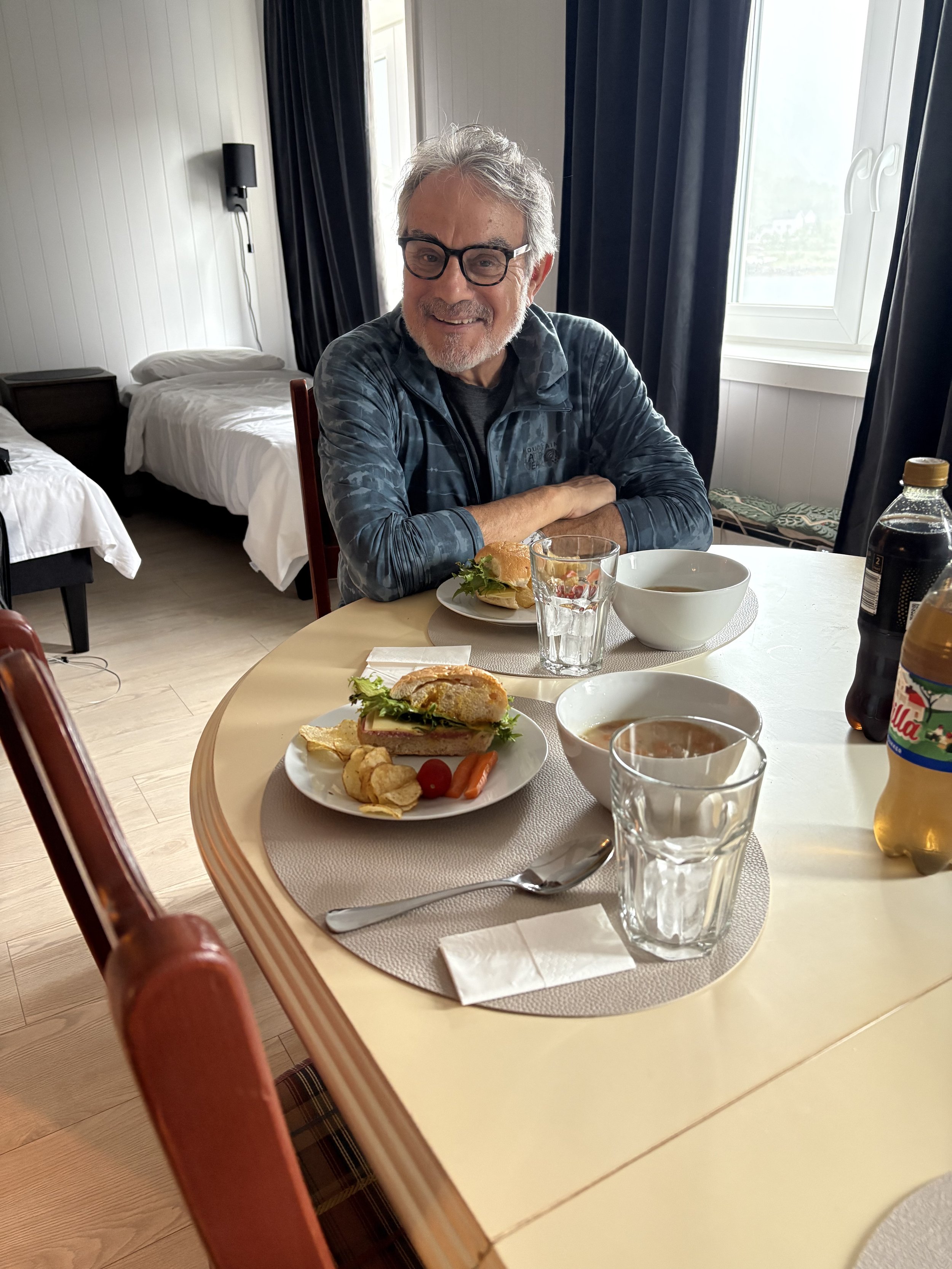
By the time the tour ended we were really wet, cold and hungry. Since the warehouse Airbnb was just 13 miles away we head back to dry out and have some soup. (see hour weird this place is)?
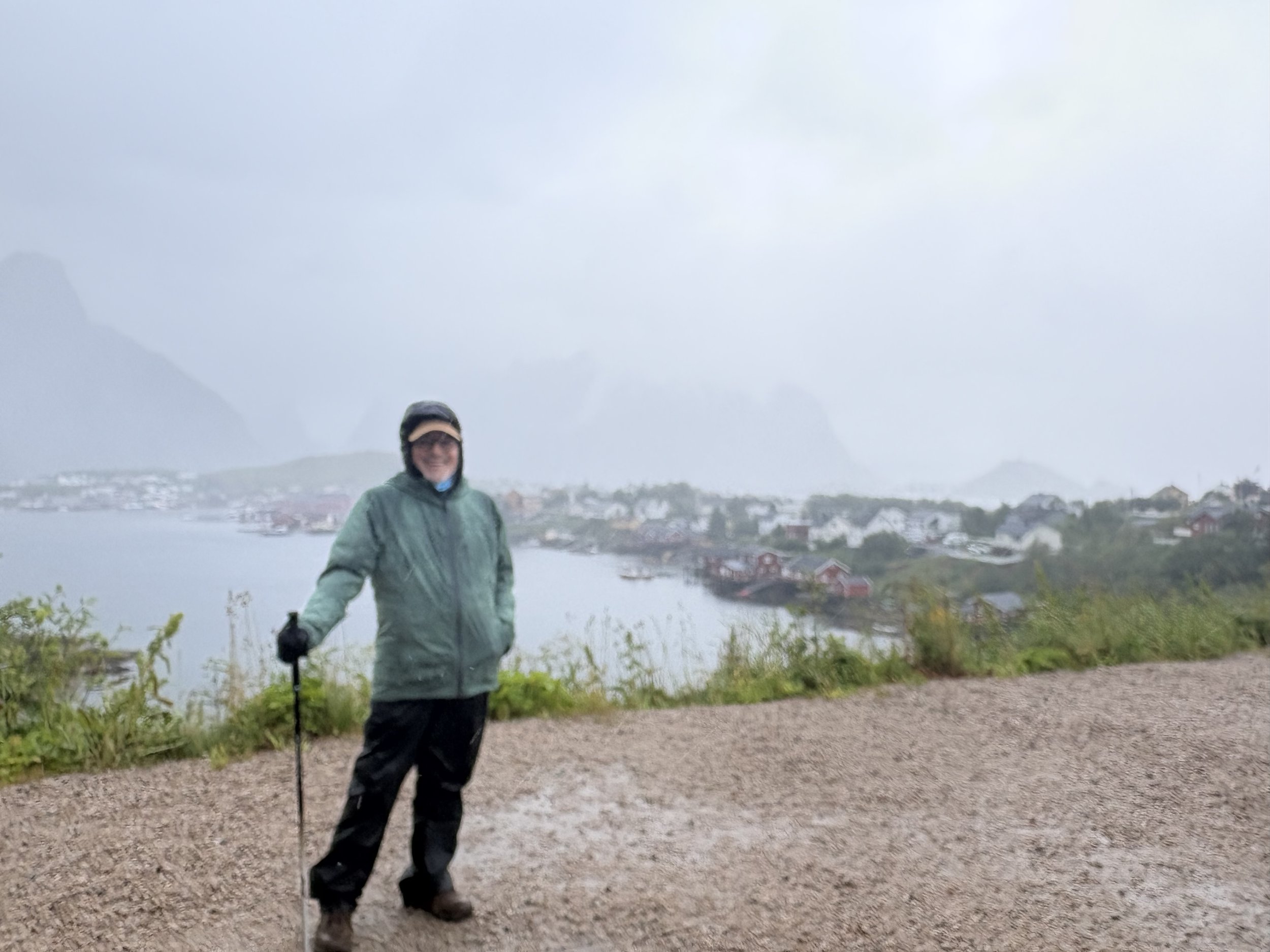
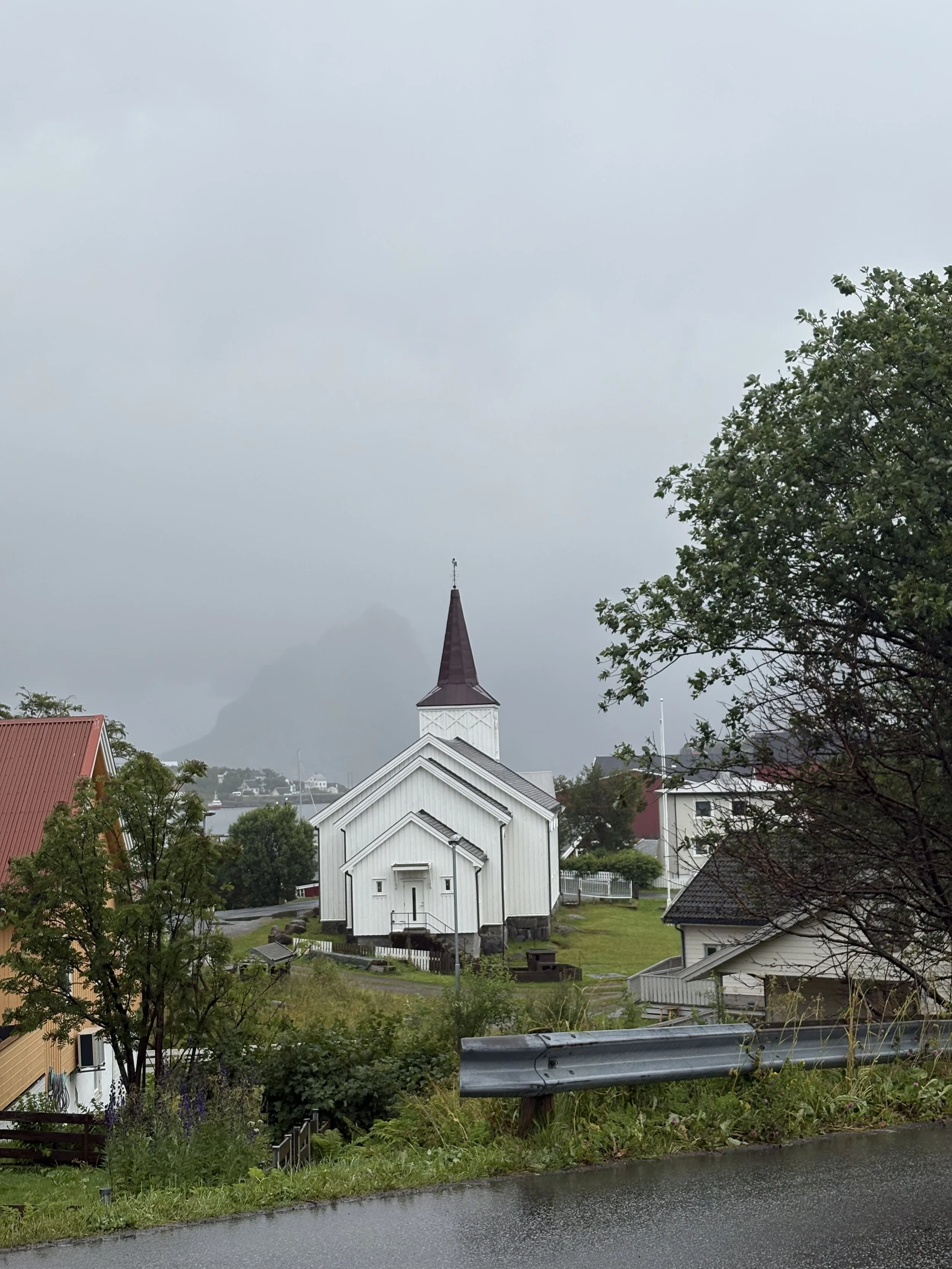
The rain finally stops and we walk into Reine, again more of a challenge than we thought, it is 2 miles on the side of road, not good paths, lots of traffic and it started raining again. We trudge, get to the village which is now cloud covered, do a quick walk around and have some great coffee. Looking across the square we see the bus stop and the bus is coming, we do a mad dash, and Janet talks the bus driver into driving us just to the Co-op, please, okay for $4.00, deal. Back at warehouse, we dry out again, nice dinner. Netflix time again. See foggy Reine photos below
Last day in Lofoten, time to back track. We originally left Svolvaer and drove to the farthest point of our exploration of Lofoten before reversing coarse. We have now driven past all the prior stops to head to the last stop-the village of Henningsvaer , before returning the rental car.
Henningsvaer is often noted for its illuminated soccer stadium etched into a plateau surrounded by craggy rocks and seawater, connected to the town center by a narrow winding road. This is an exciting, artful town-very busy with pedestrians walking shop to shop, boutique to boutique, art gallery to art gallery, to restaurants and cafes, to small hotels and of course, lines of cabins called “Rorbuers”, overlooking the surrounding waters and harbor. See photos.
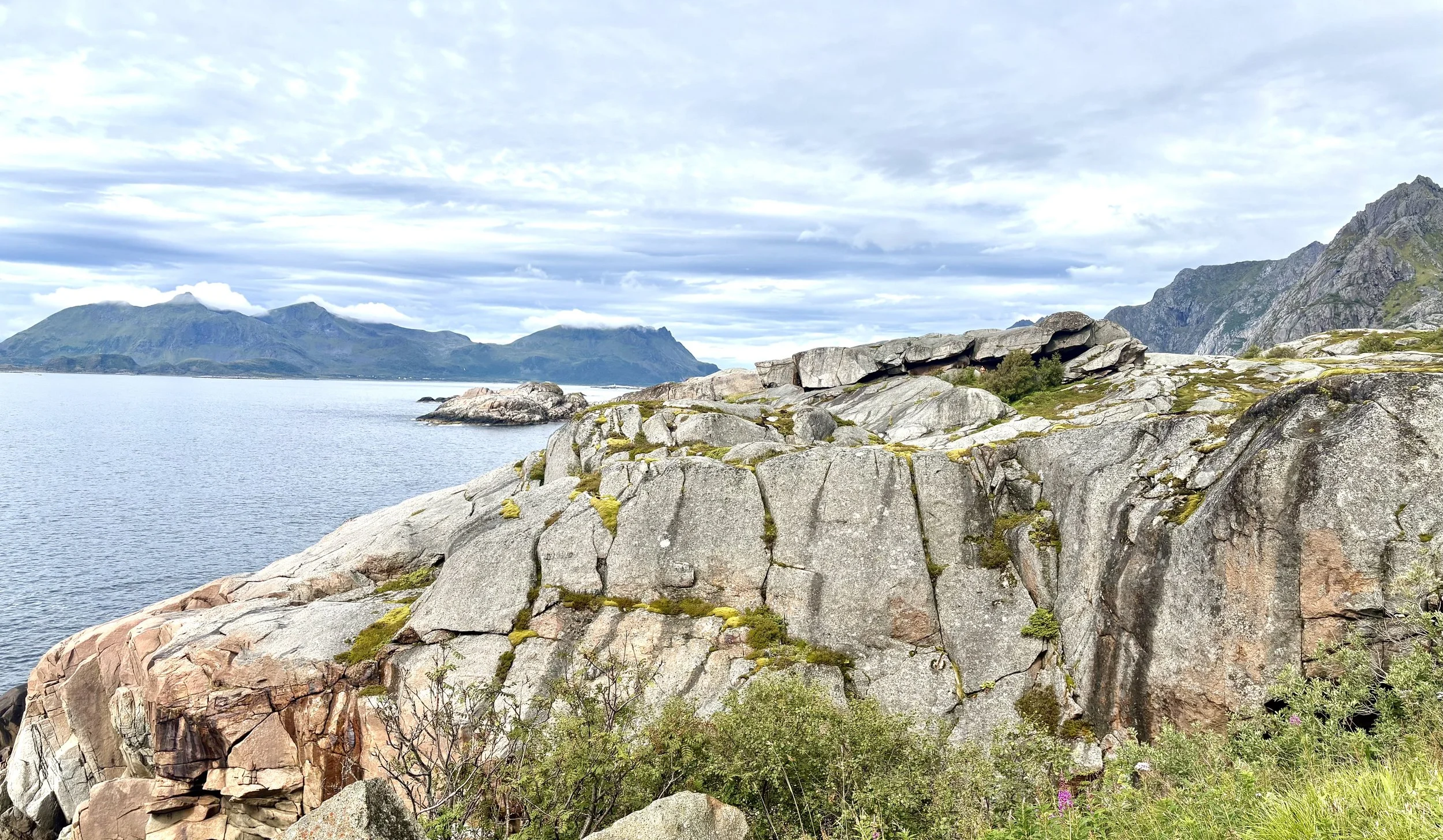
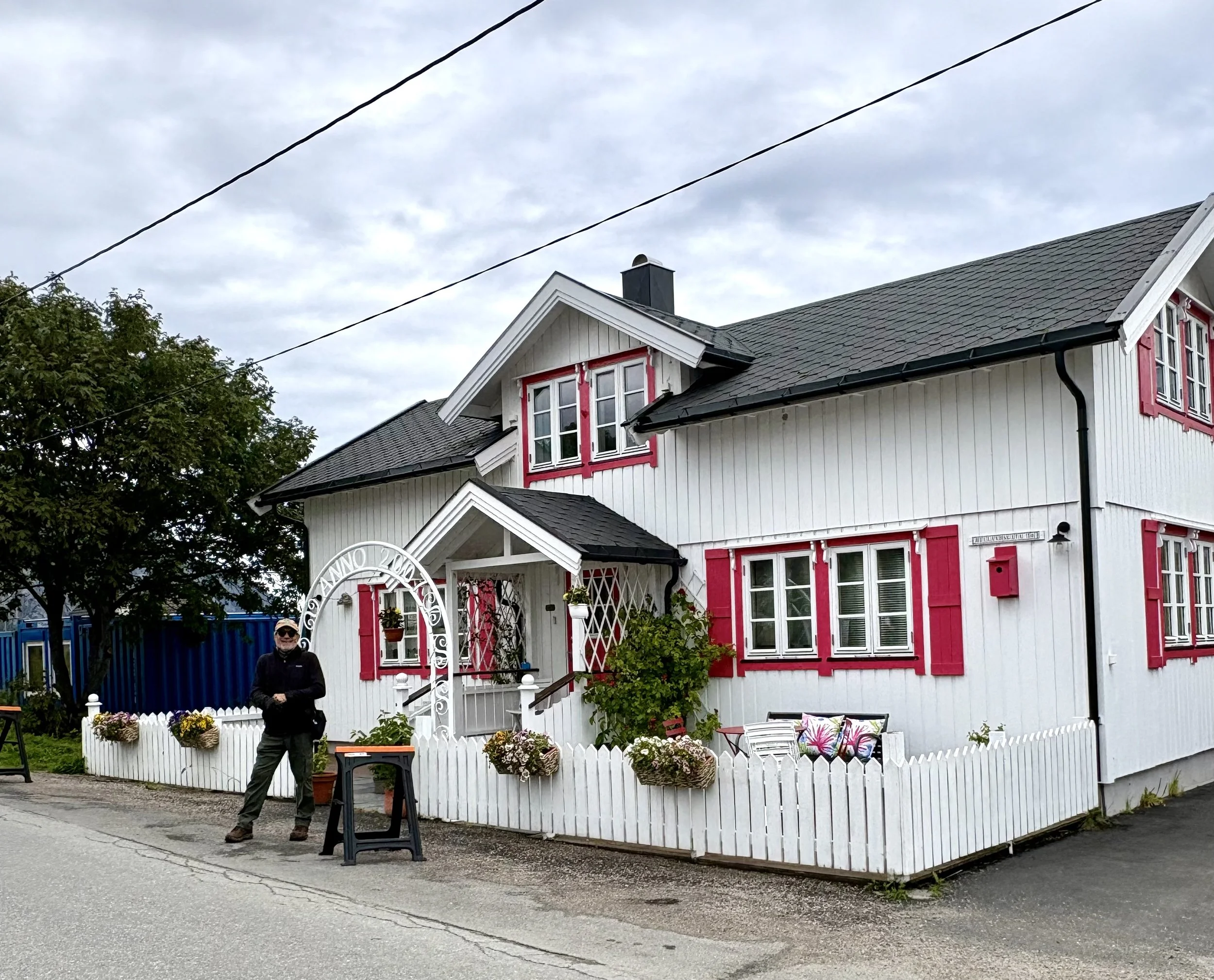
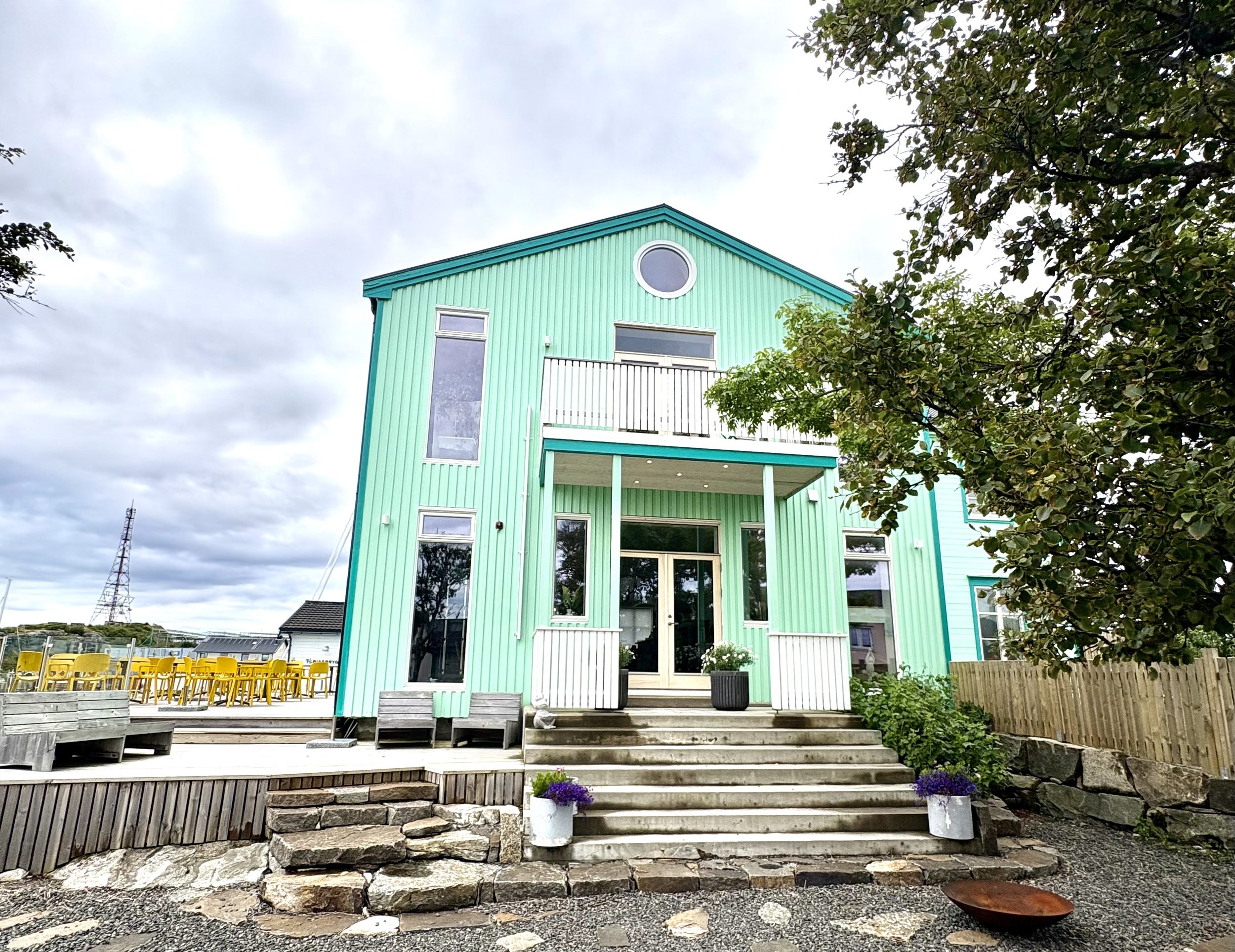
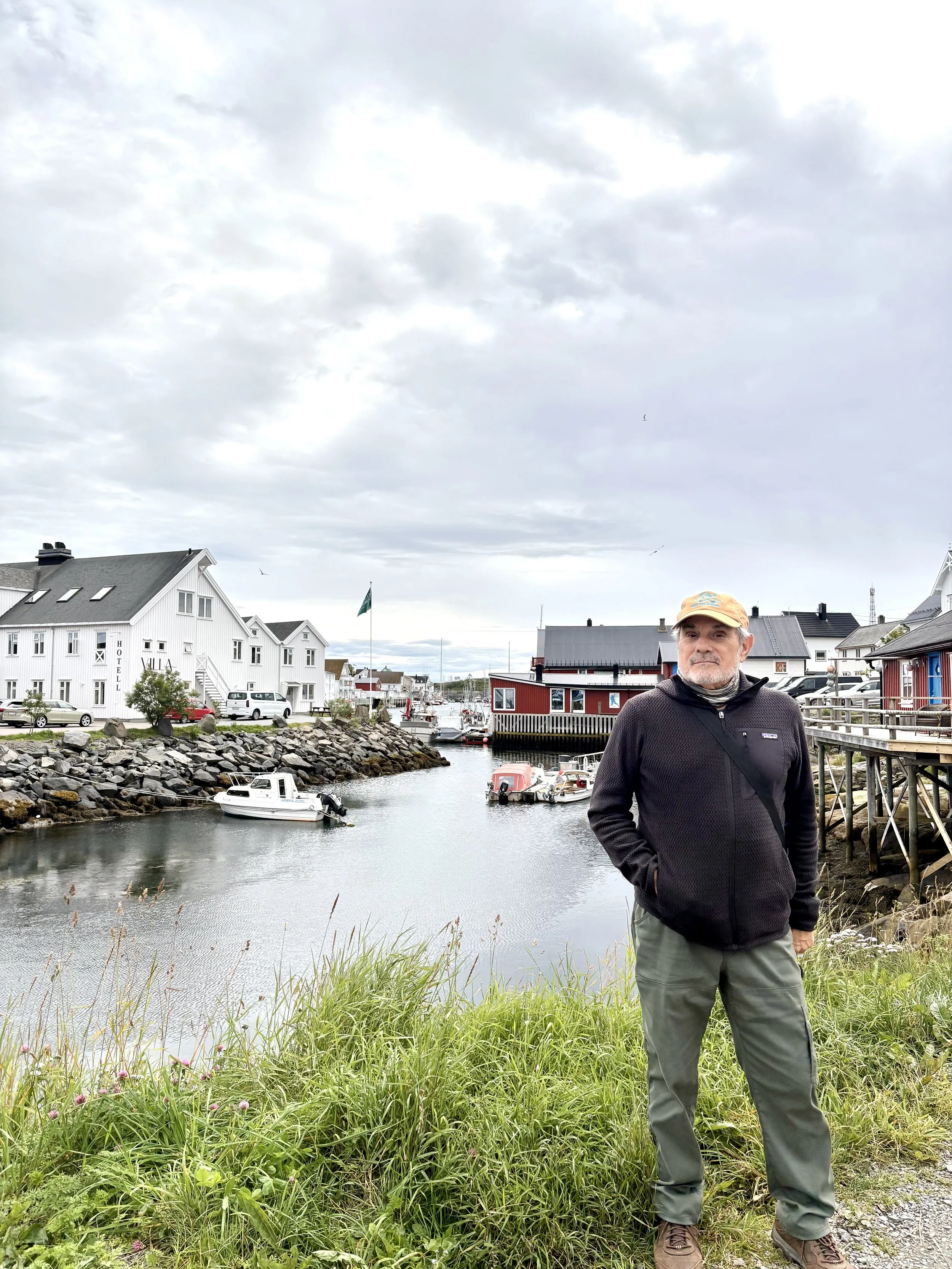
The place was impressive. We did some serious, but unexpected shopping; so less photos. Walking around we visited several art galleries and clothiers displaying creativity and unique locally sourced items. We noted the locals were setting up for a music festival this evening; told it was a 3 nights event. A Hopping place, still a village but with multiple streets of stores to enjoy.
Thankfully, the car is still where we parked it. We jump in at about 5:00 pm and head back to the port of Svolvaer At 10:00 pm we will embark on our next cruise ship traveling north and going further into the Arctic Circle on our way to the village of Tromso.
Our photo of the football pitch
A stock drone photo so you can see the layout