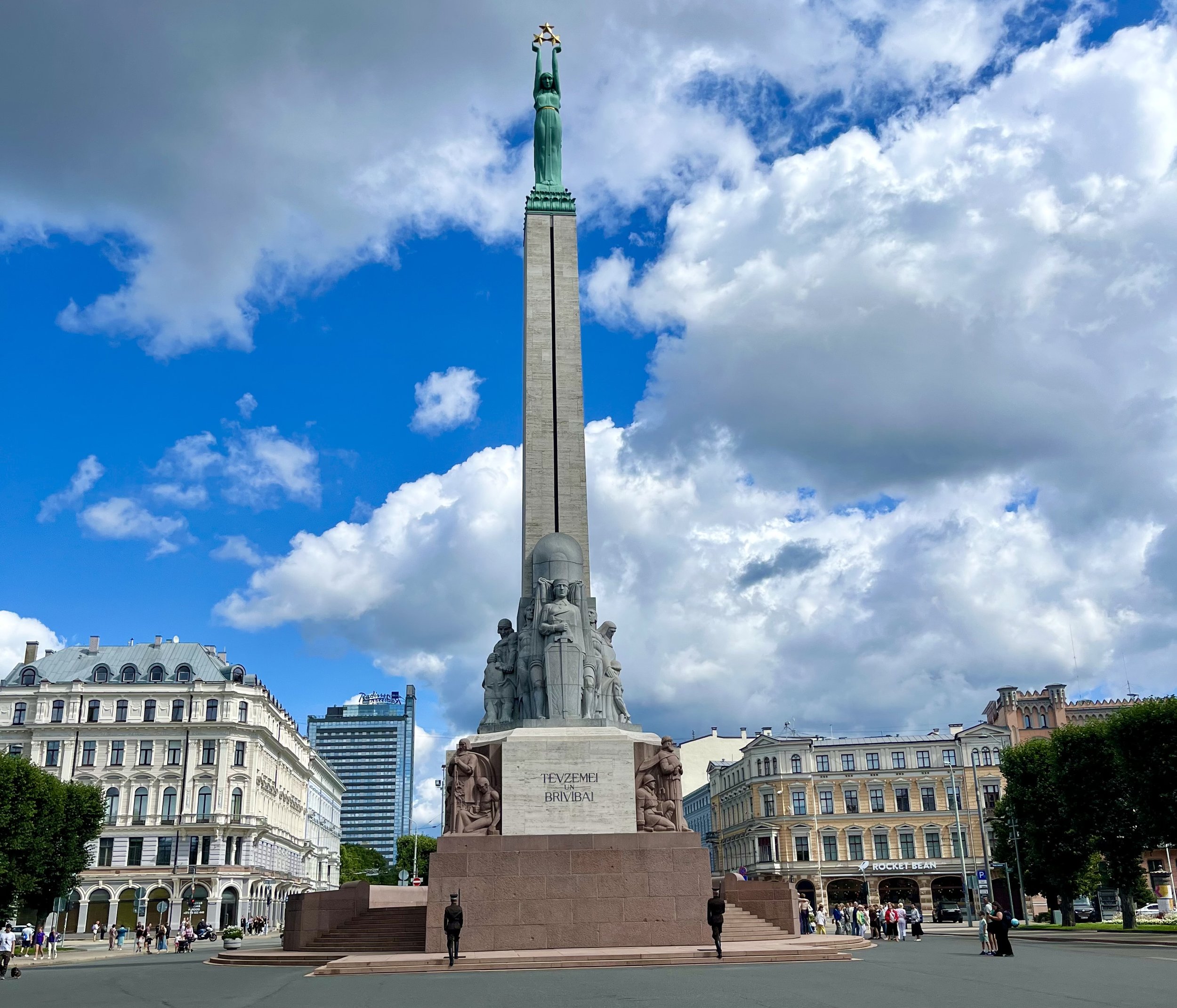
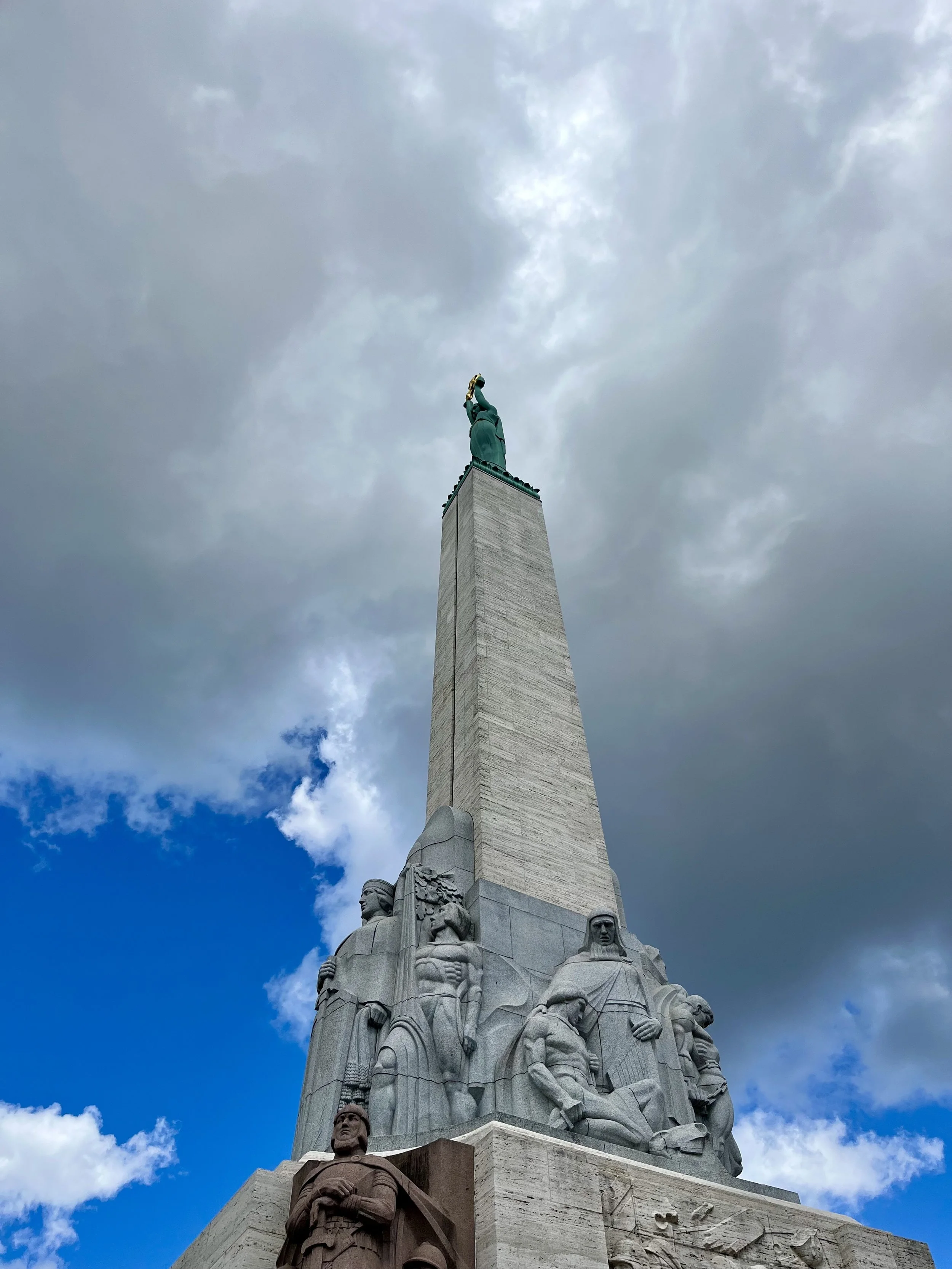
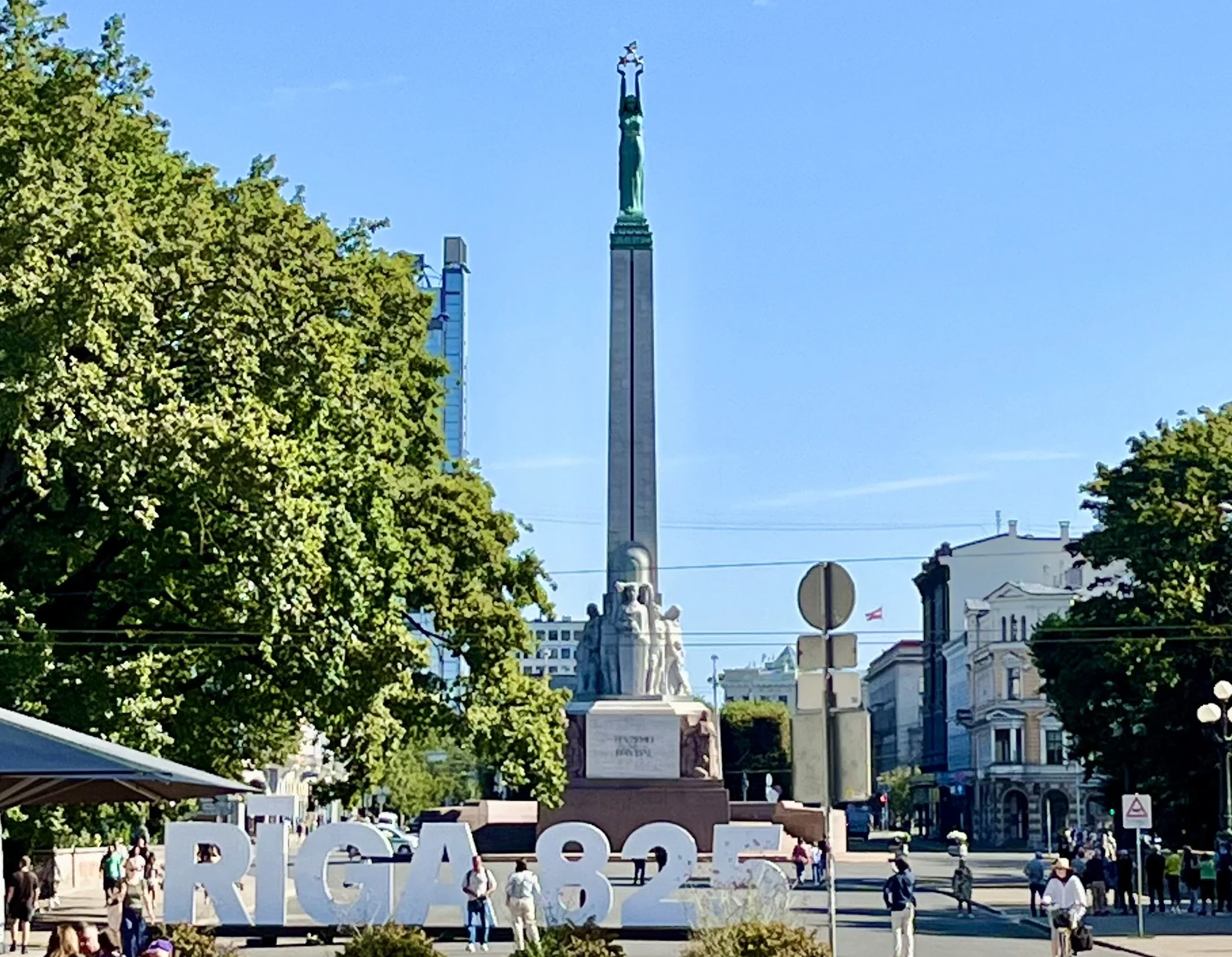
Freedom Monument
We traveled from Estonia to Lativa via bus, specifically, Flix bus. It was a packed 4.5 hour ride, we passed the time binging Netflix shows.
View of market from bus stop
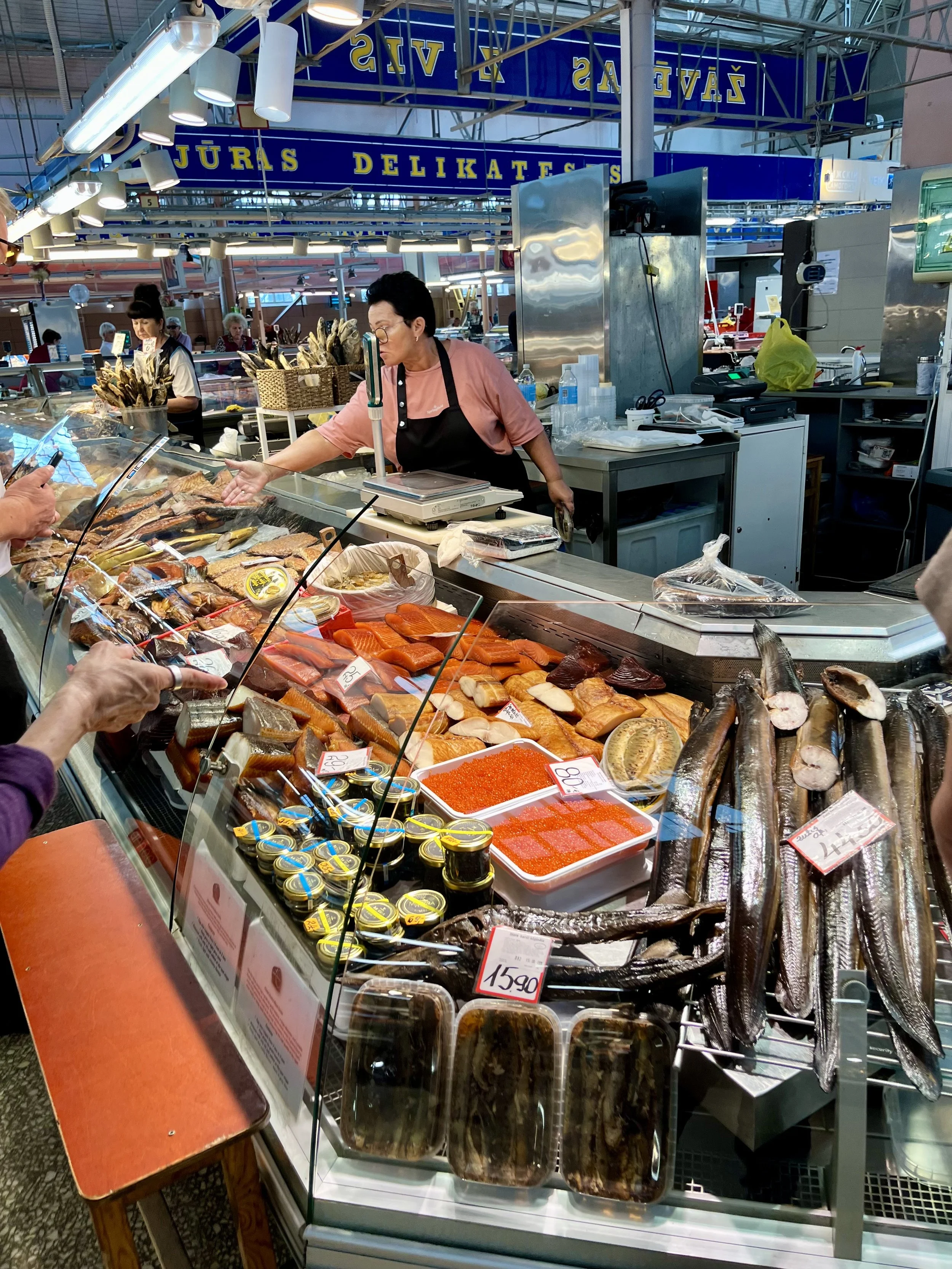
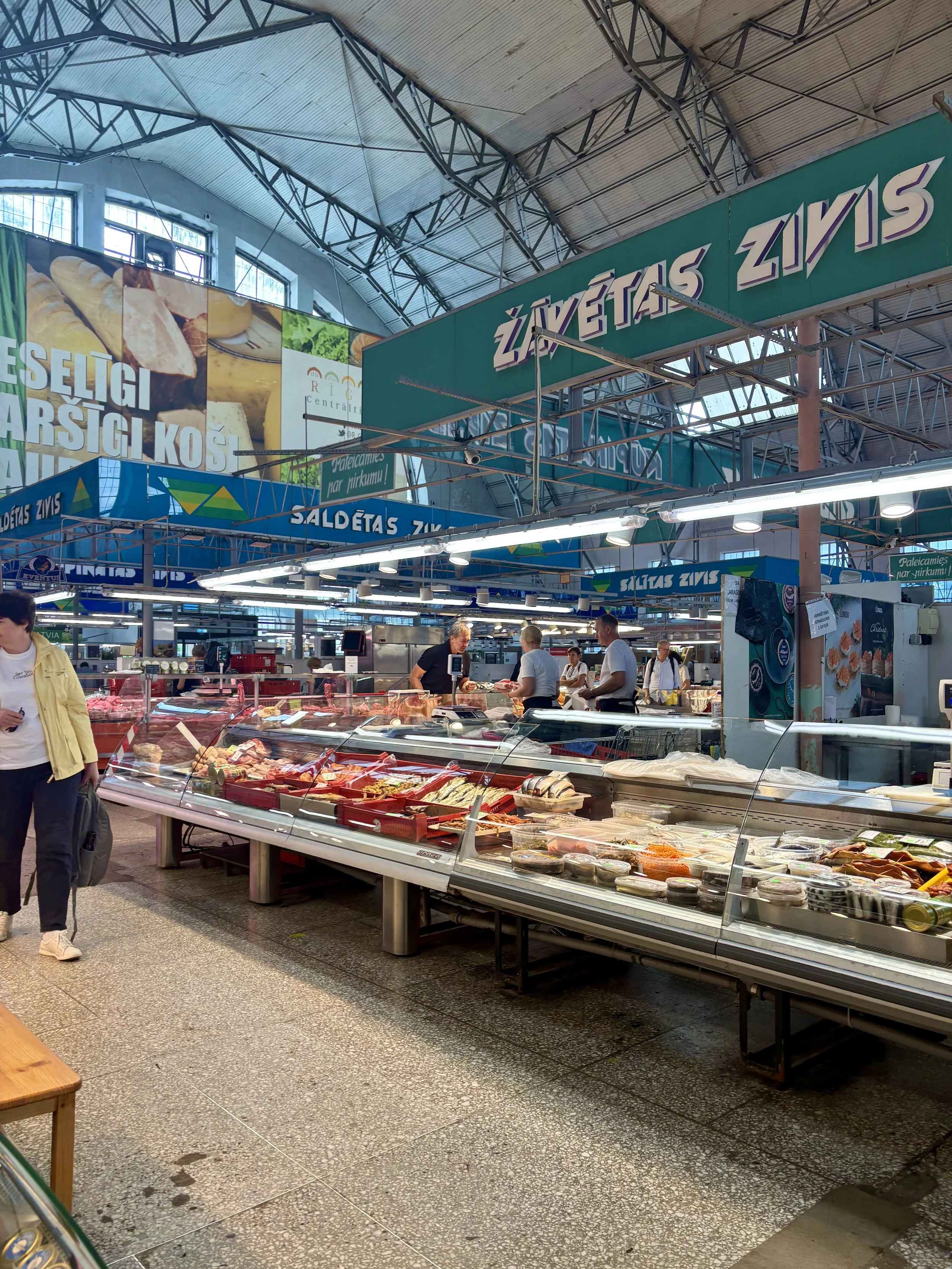
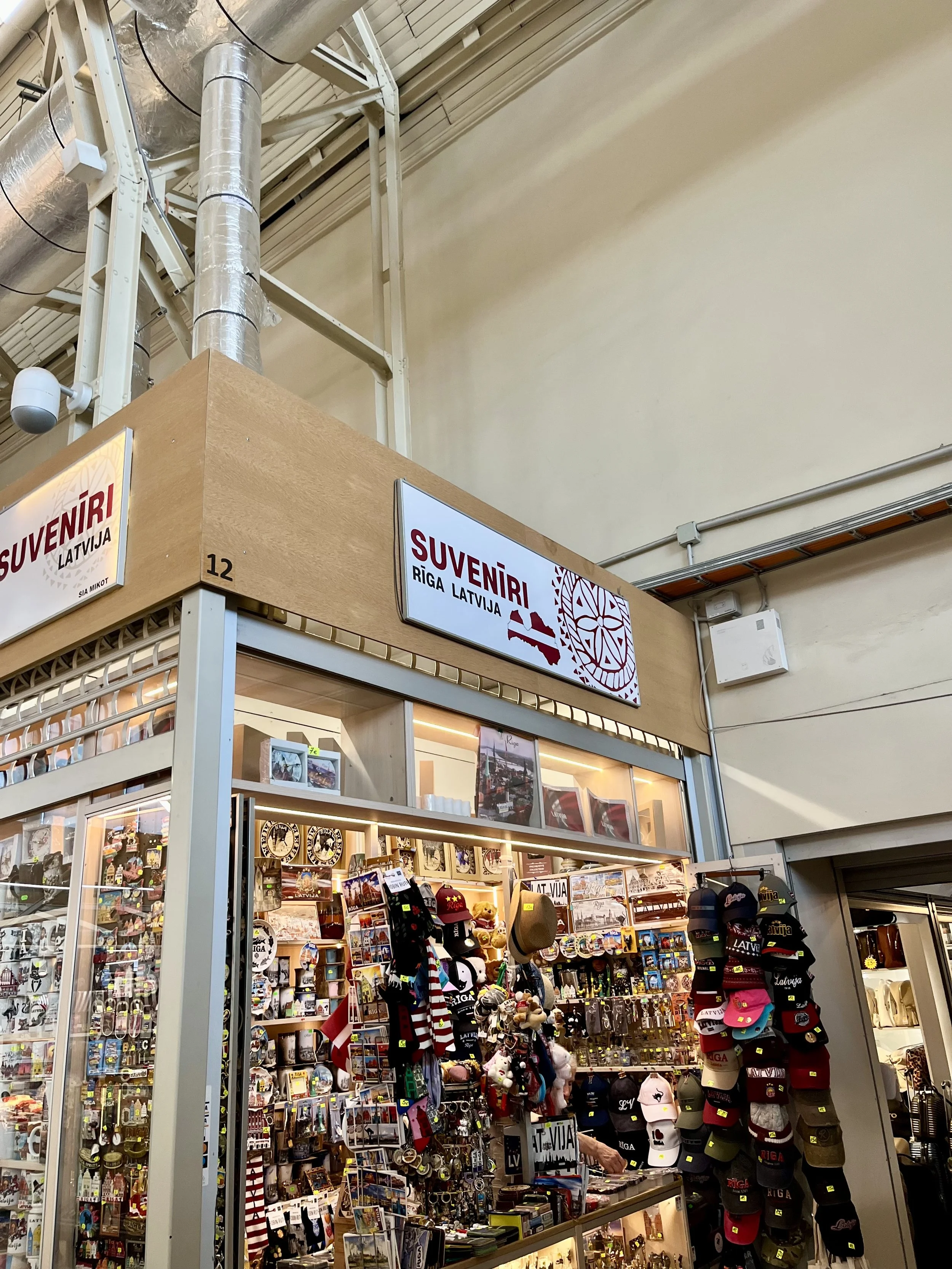
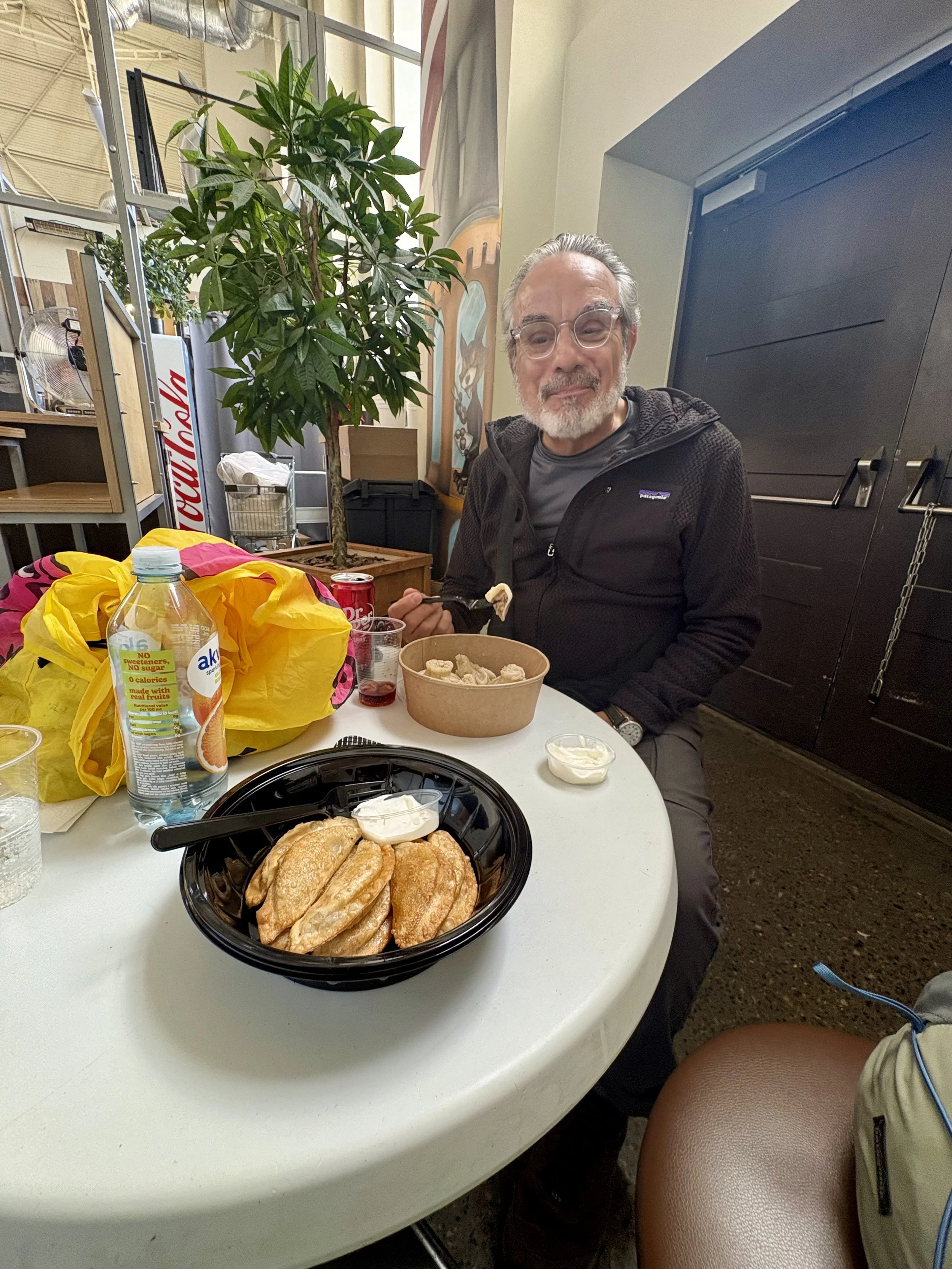
When arriving and parking at the bus station you see 5-6 buildings that make up the Central Market. These buildings were German built WW I zeppelin hangers and brought to Riga in 1920. These buildings are voluminous. After checking in at our hotel we went back to the market to buy dinner and supplies for lunch and snacks. The place is busy with many goods and food stalls, including smoked fish, cheeses, meats and sausages, breads, fruit, and our favorite choice, the meat dumplings. We walked through several hangers which had evolved into food courts, liquor stores, and merchandise businesses. We suppose the other hangers have all sorts of offerings.
Outside of our hotel
Between the market and the walkway to old town is the sunken cut where water sometimes flows; not today, but we walk over the foot bridge into the beginning of Old Town with all its narrow cobblestone streets and brick sidewalks. The wheels of our luggage rattled along as we go back and forth on the stones to our modern hotel. Turns out that the Central Market near the bus station means we are at the outside border of Old Town, and a first impression that— Old Town seems grittier than the other cities we have visited—may be wrong. The upcoming guided walking tour set for tomorrow will give us better insight. See photos of market and our dinner.
Our hotel is modern and the street is nice. At night we can hear happy people singing drinking songs as they pedal bar by our open window. This city and countryside for that matter display the influences of the former overlords. The tall spires and cobbled streets are a legacy of the Baltic German and Swedish rulers. The so-called Art Nouveau facades are from the Russian Empire. There are many “brutalist” structures and gloomy apartment blocks as a reminder of the Soviet era.
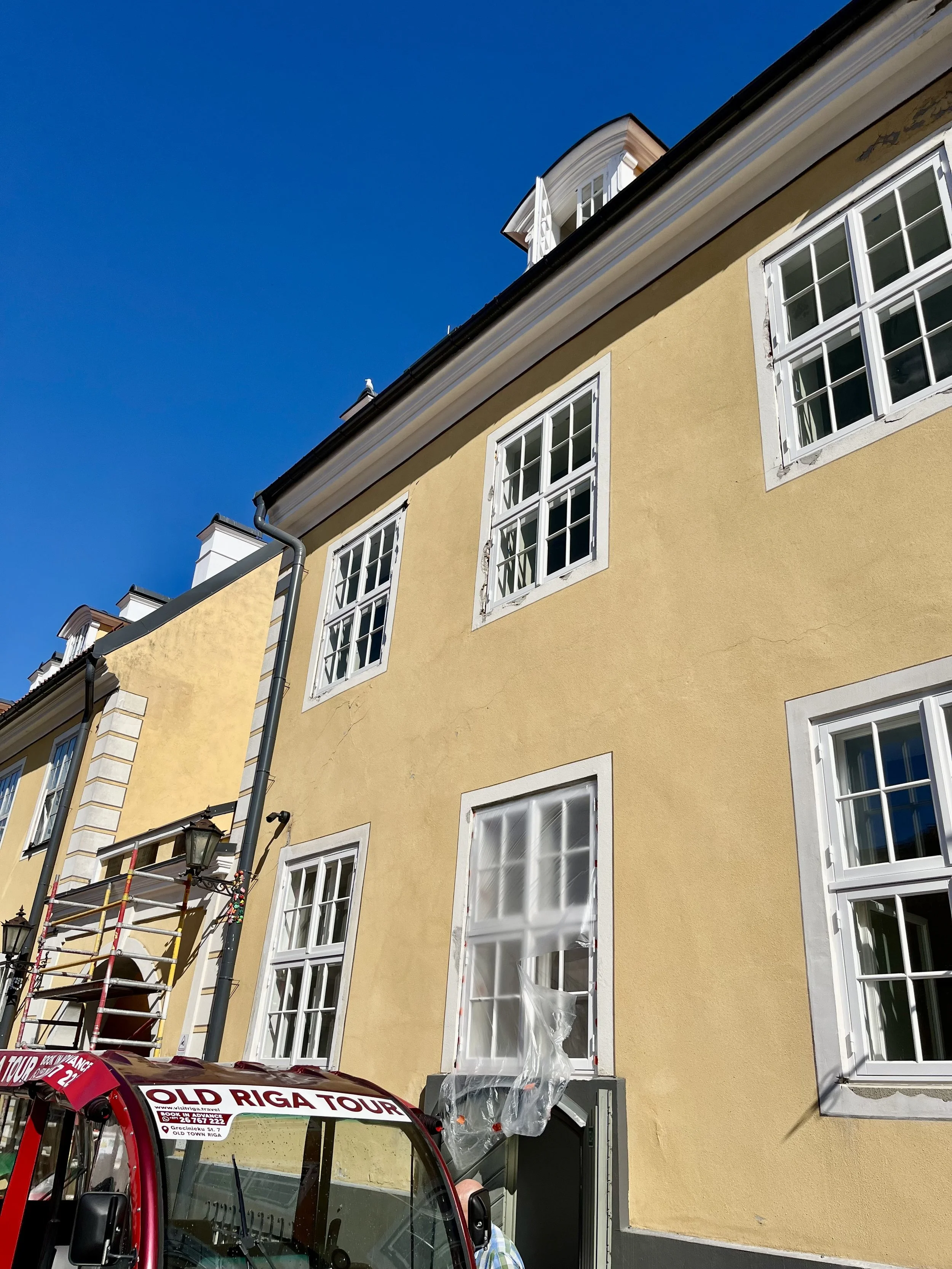
To get to the meeting point of our walking tour we start moving to the center and then pass closer to the other border. Our meeting point is next to the Old Town wall and arched entry portals. As we walked, we noticed far more elaborate structures and plaza, and fancier bars and restaurant facades, and merchandise store fronts. This part of Old Town was not gritty but polished and displayed lots of flowerbeds and potted plants. The polished look is due in part to the 825th birthday of the founding of Riga. We met our guide on “Tornu iela” Street, in front of the long 3 story structure built by Sweden for its soldier quarters directly across from Old Town’s protective wall and its entry portal. The structure has a plaster finish and well painted in mild yellow with white trim. This portends good things to come.
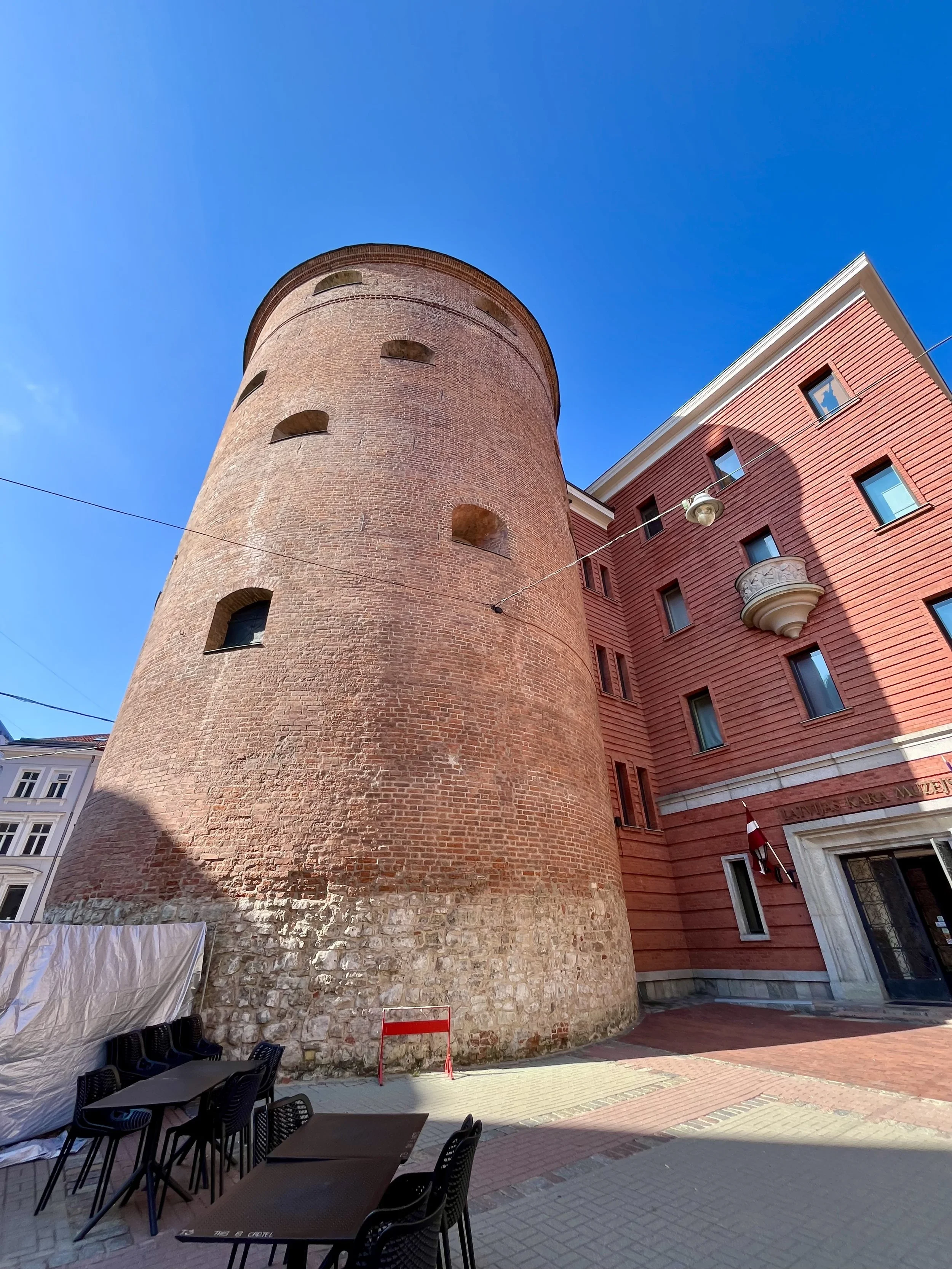
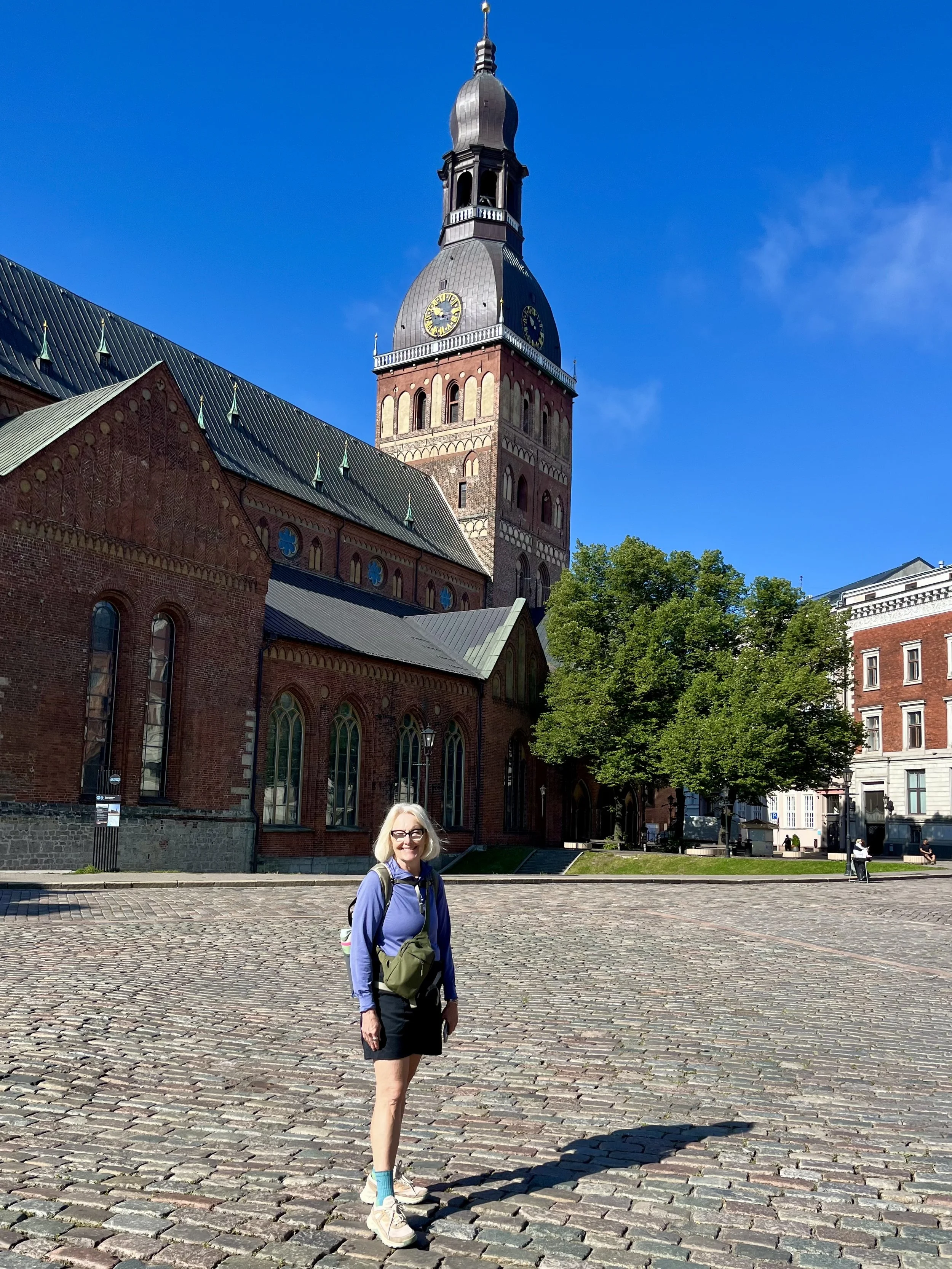
We enter the portal and come on to a large town square where the large Riga Cathedral is located. It is at this point that our impression of Riga begins to change.
The Old Town vibe is very upbeat. The streets and sidewalks are swept clean. They buildings, old and new, are highly maintained, including colorful paint, and flowers are blooming and for sale everywhere.
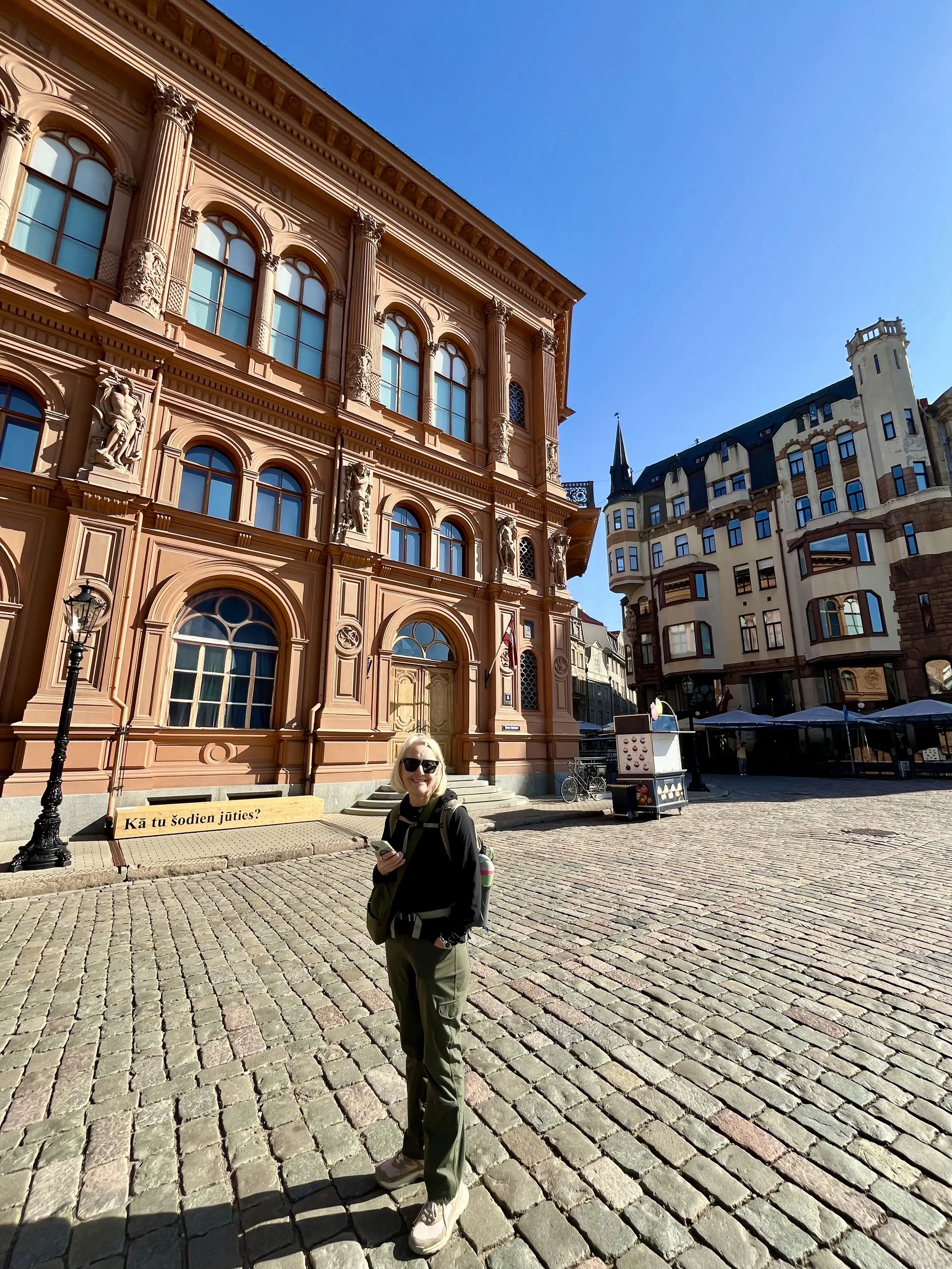
Over its history Riga was governed by Germany, Sweden, and Russia. The Hanseatic League of German merchants that were so powerful in Bergen Norway, also raised Riga into an important and wealthy shipping port for the eastern Baltic area. Because of the League’s economic reach, European visitors and businesses came to Riga and influenced the architecture of the town. You will see buildings side by side modeling Amsterdam, Belgium, and German styles. A certain trio of these houses from different eras are called “The Three Brothers.” You can easily turn and see other European baroque and French and Italian styles, all well kept. The guide boasted that Baltic people would come to Riga to experience Western Europe — “ Paris of Eastern Europe.” See Photos for examples of the look of the city.
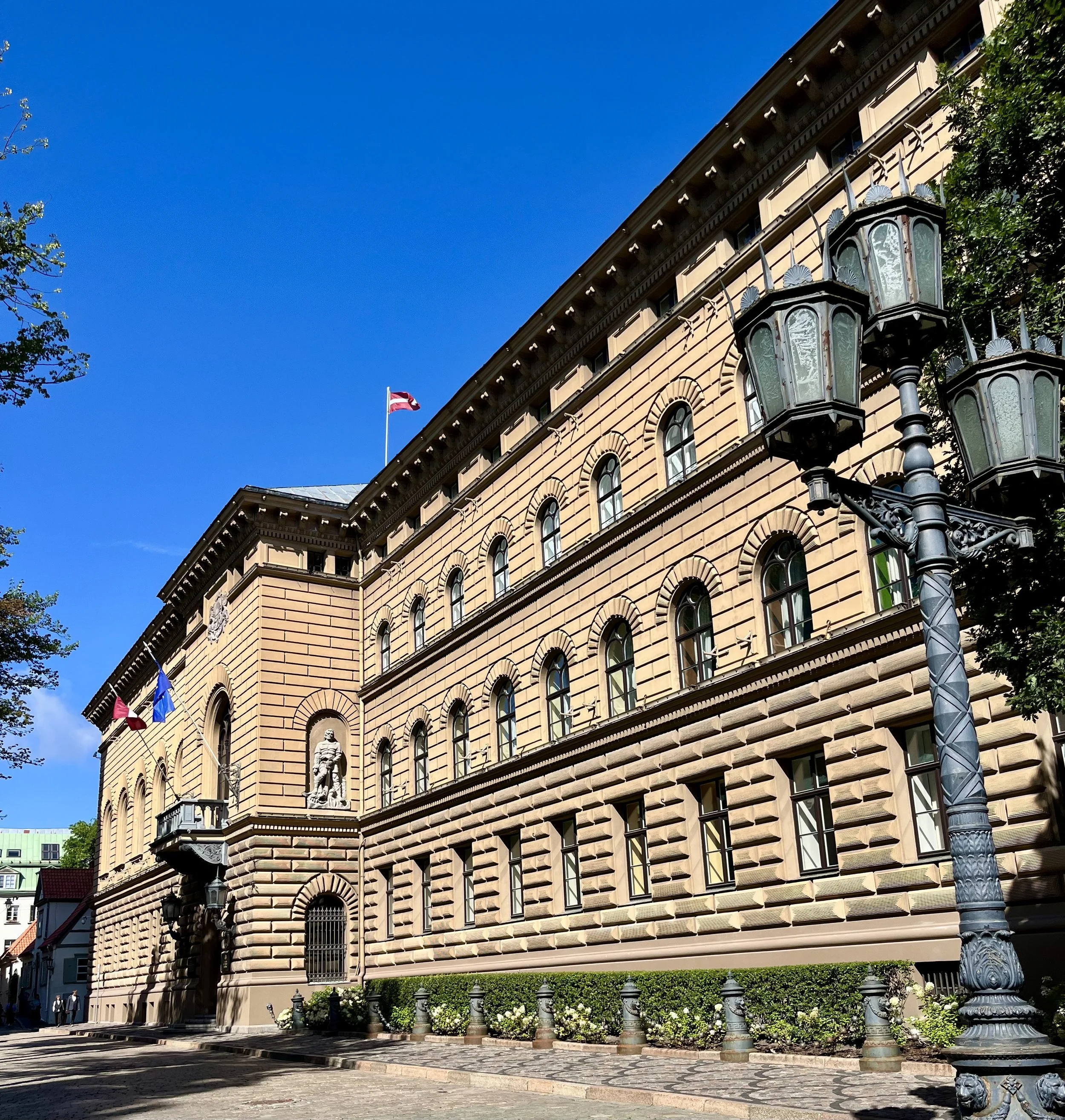
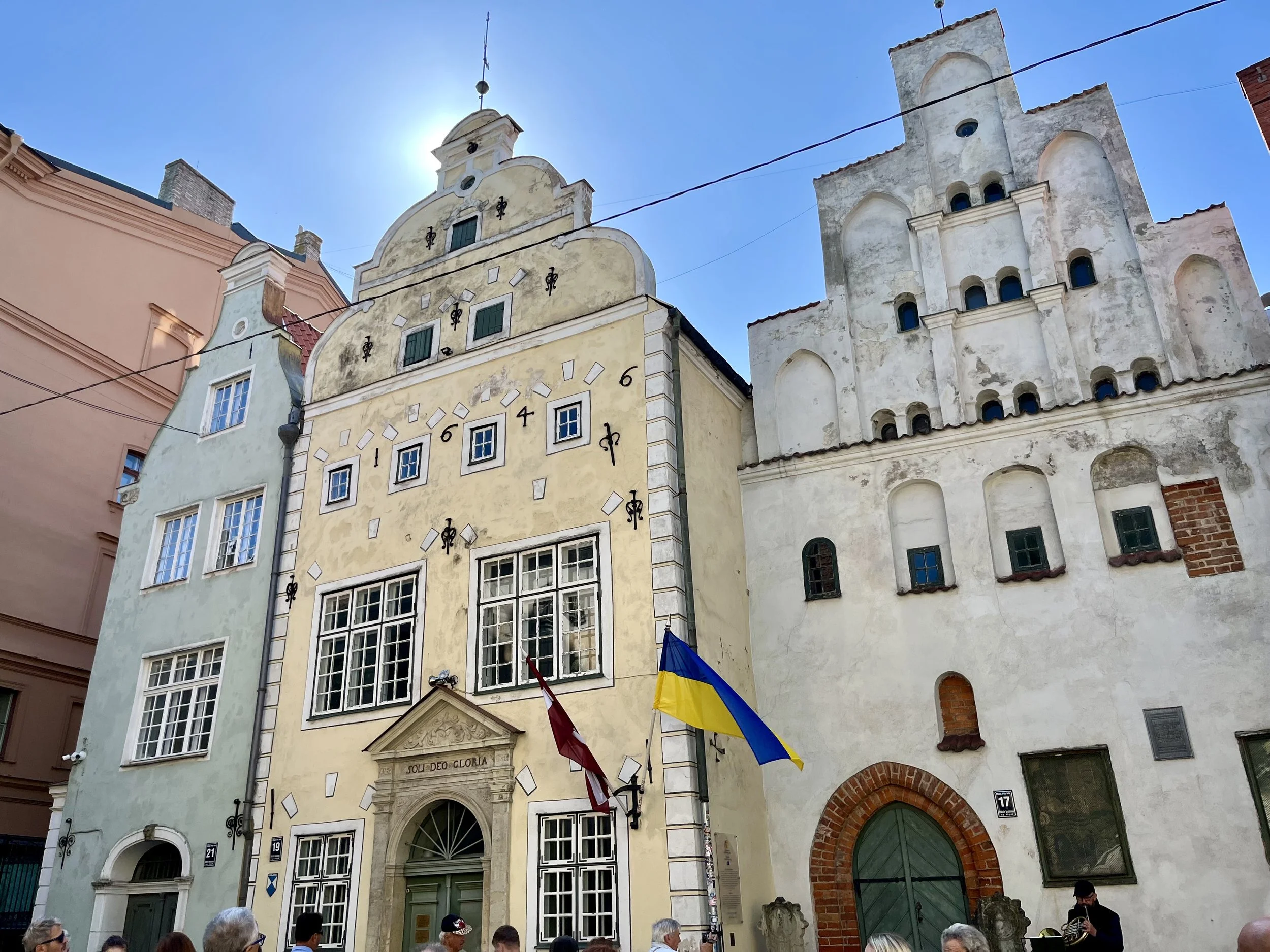
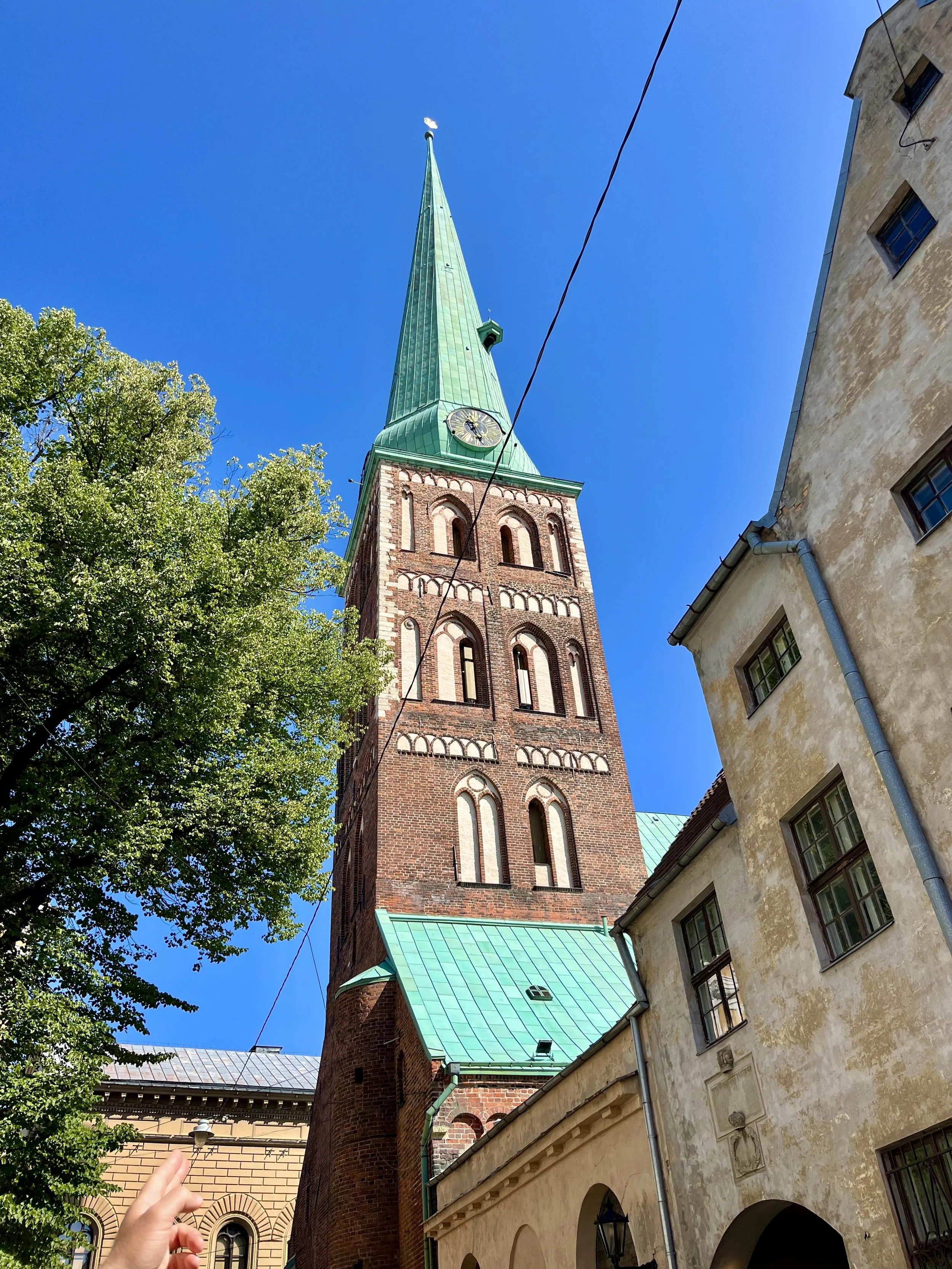
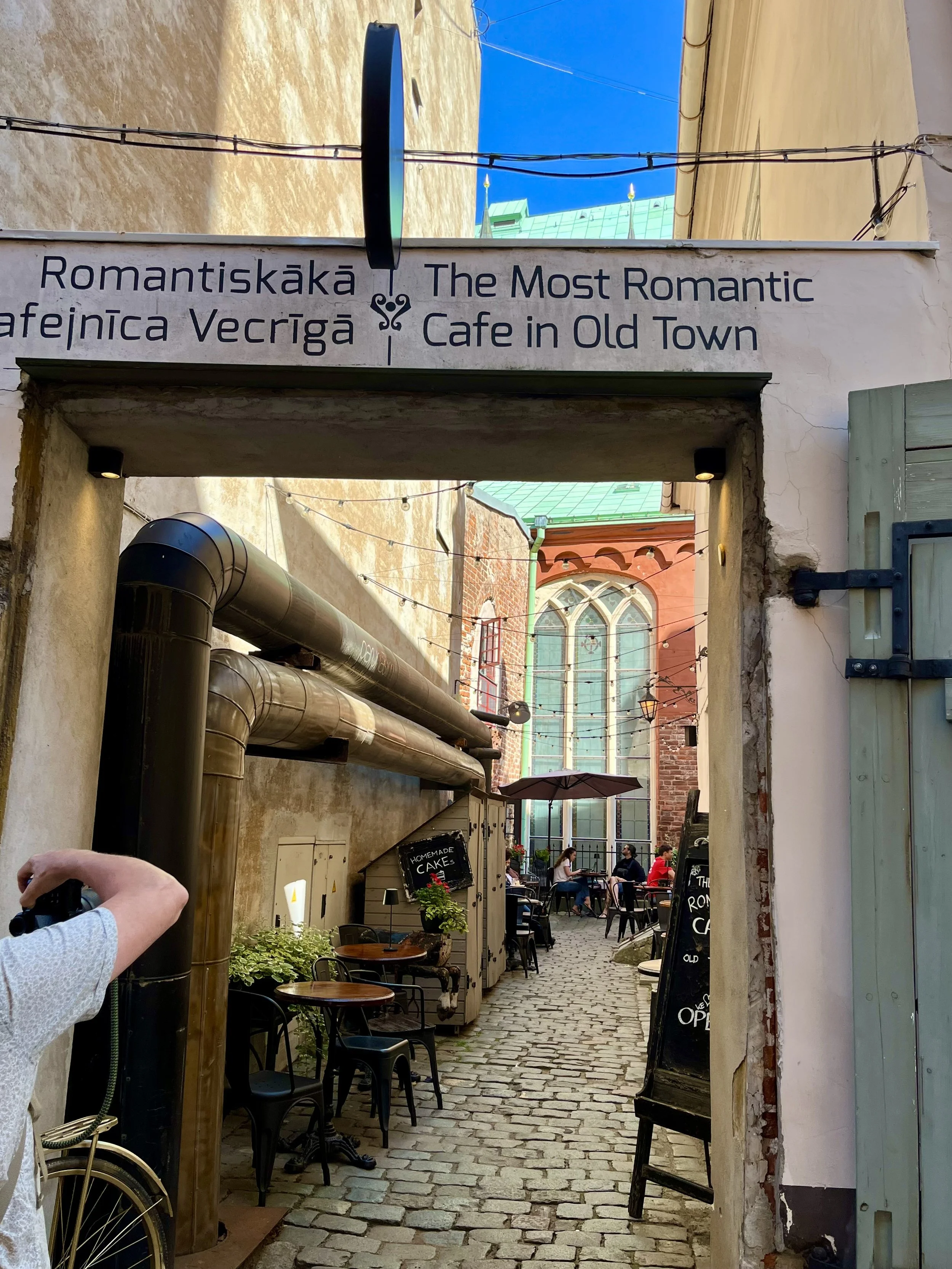
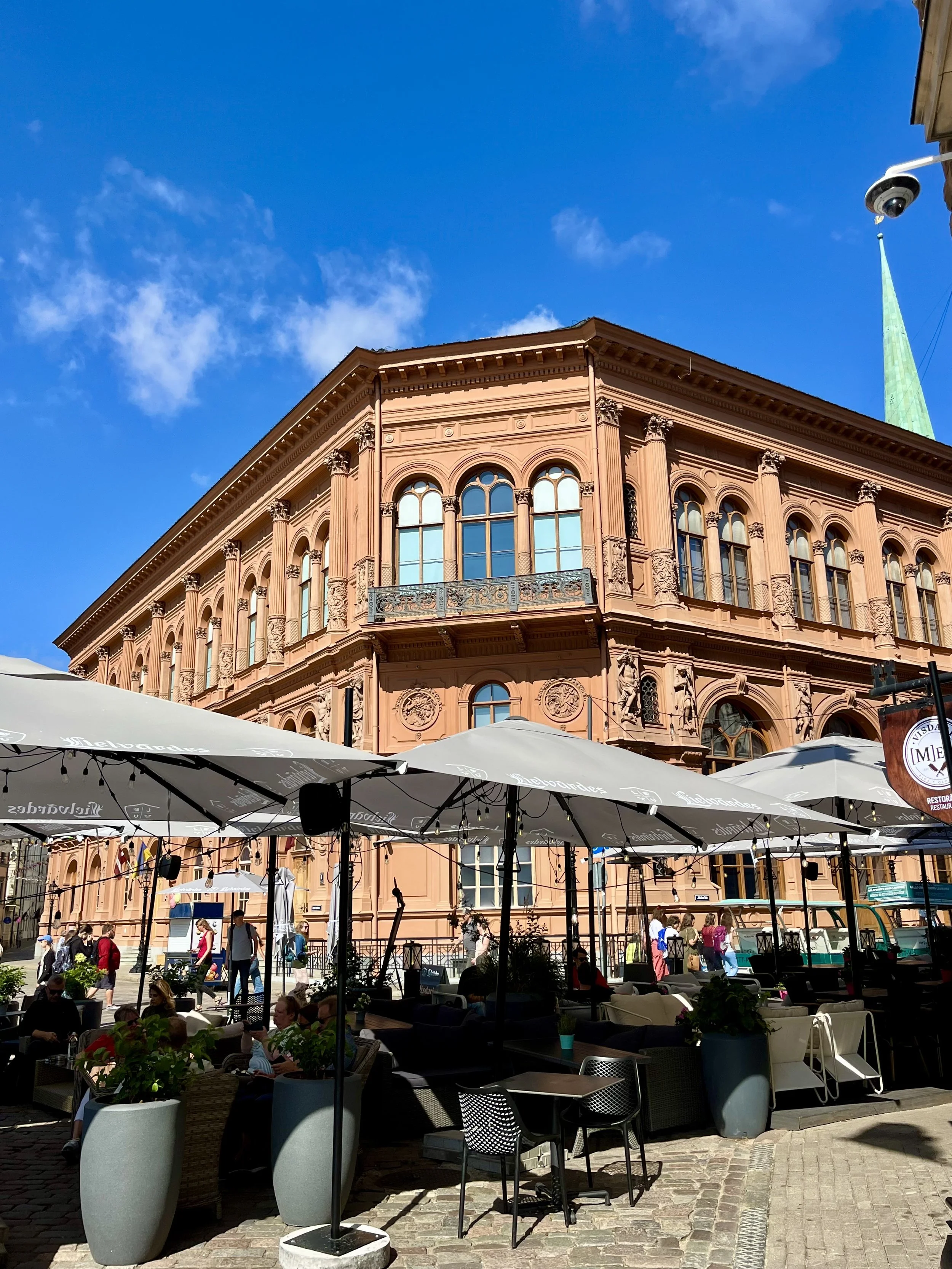
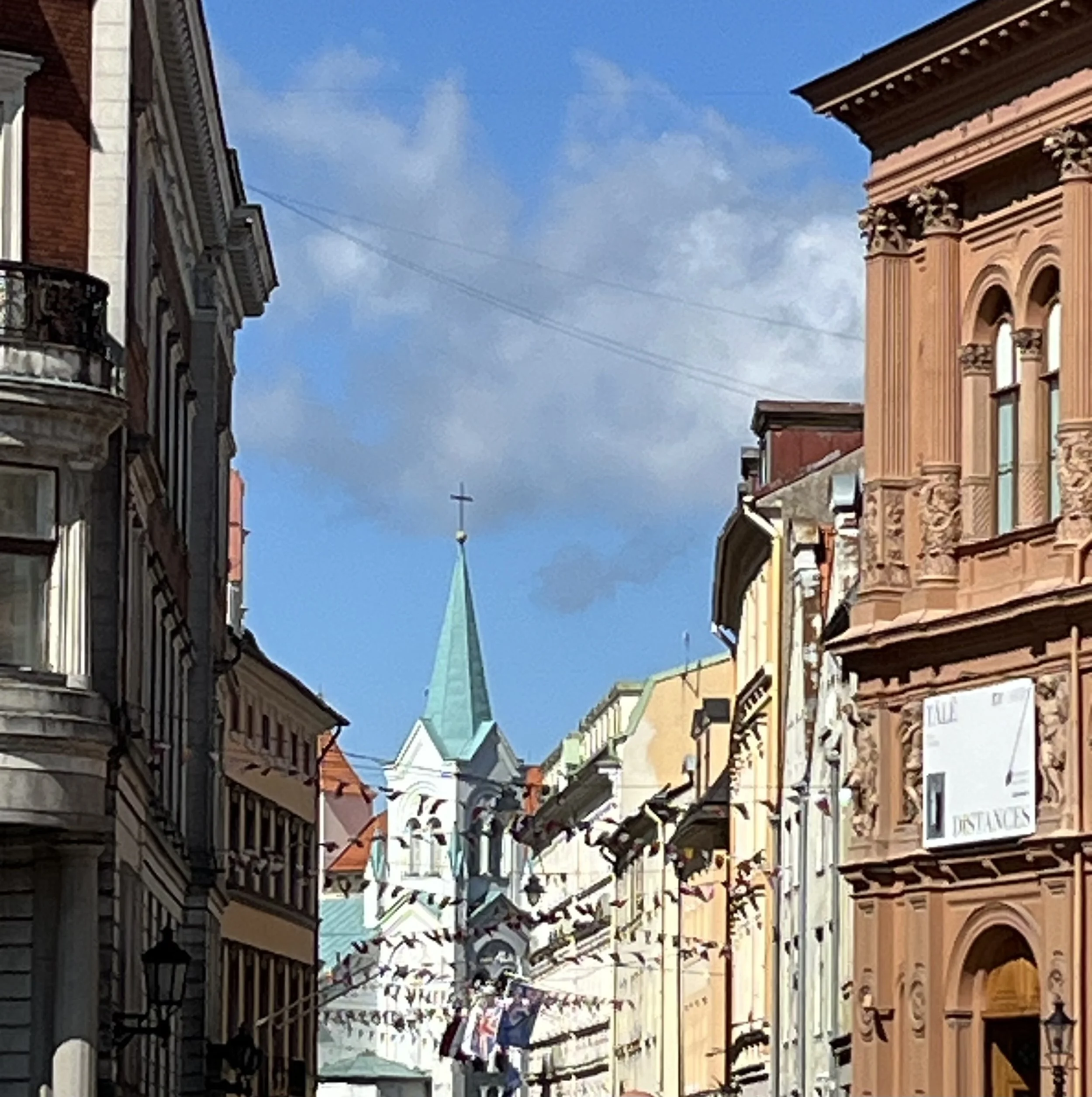
As well, any where you look church spires or tall statue comes into view. The main religion is Lutheran, with Russian Orthodox and then Catholic following. We entered the cathedrals of each. Latvians are not highly religious we are told. Nice churches though.
The Freedom Tower built in1935, honored their independence obtained in 1918. It is standing in a beautiful park that uses nature to mark division between the Old Town and the modern central city of Riga. The park has a nice river running through it, originally built as a Swedish defensive moat. When the Soviets took control of the country in 1940’s the Tower was retained. Rather then destroy it, the symbolism of the structure and statues were reimagined by propaganda. This Soviets purported the Tower to be a tribute to Russia.
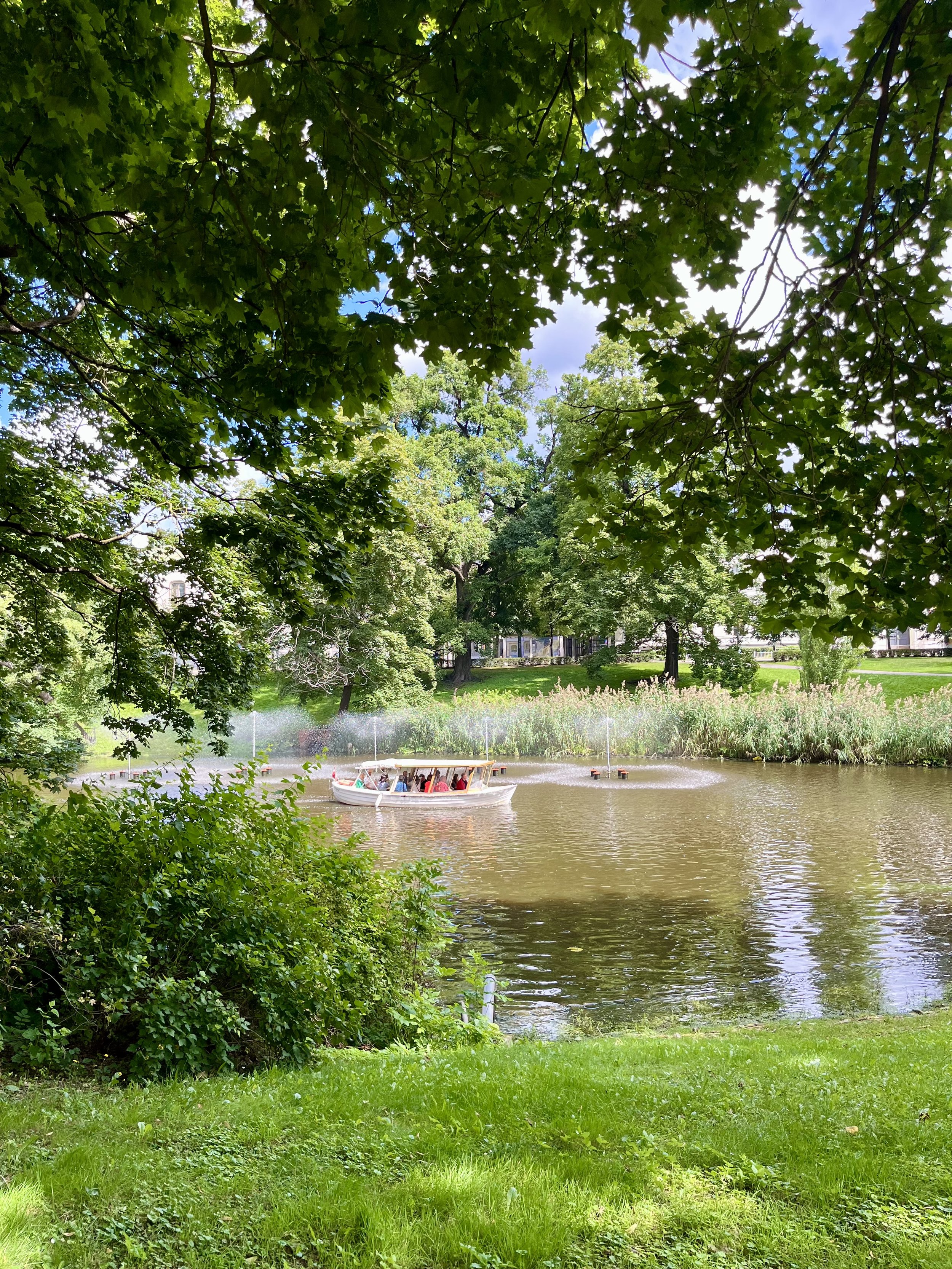
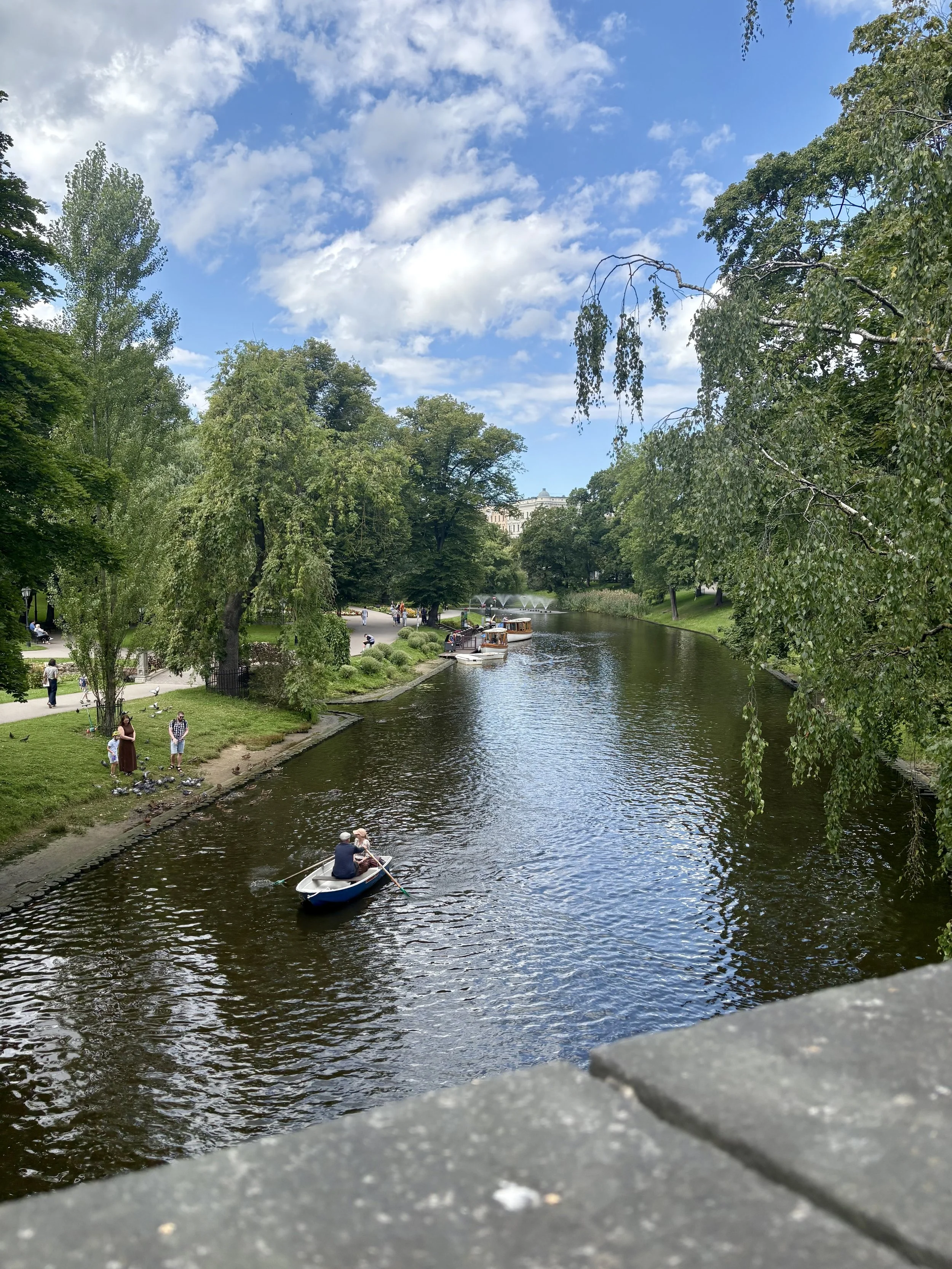
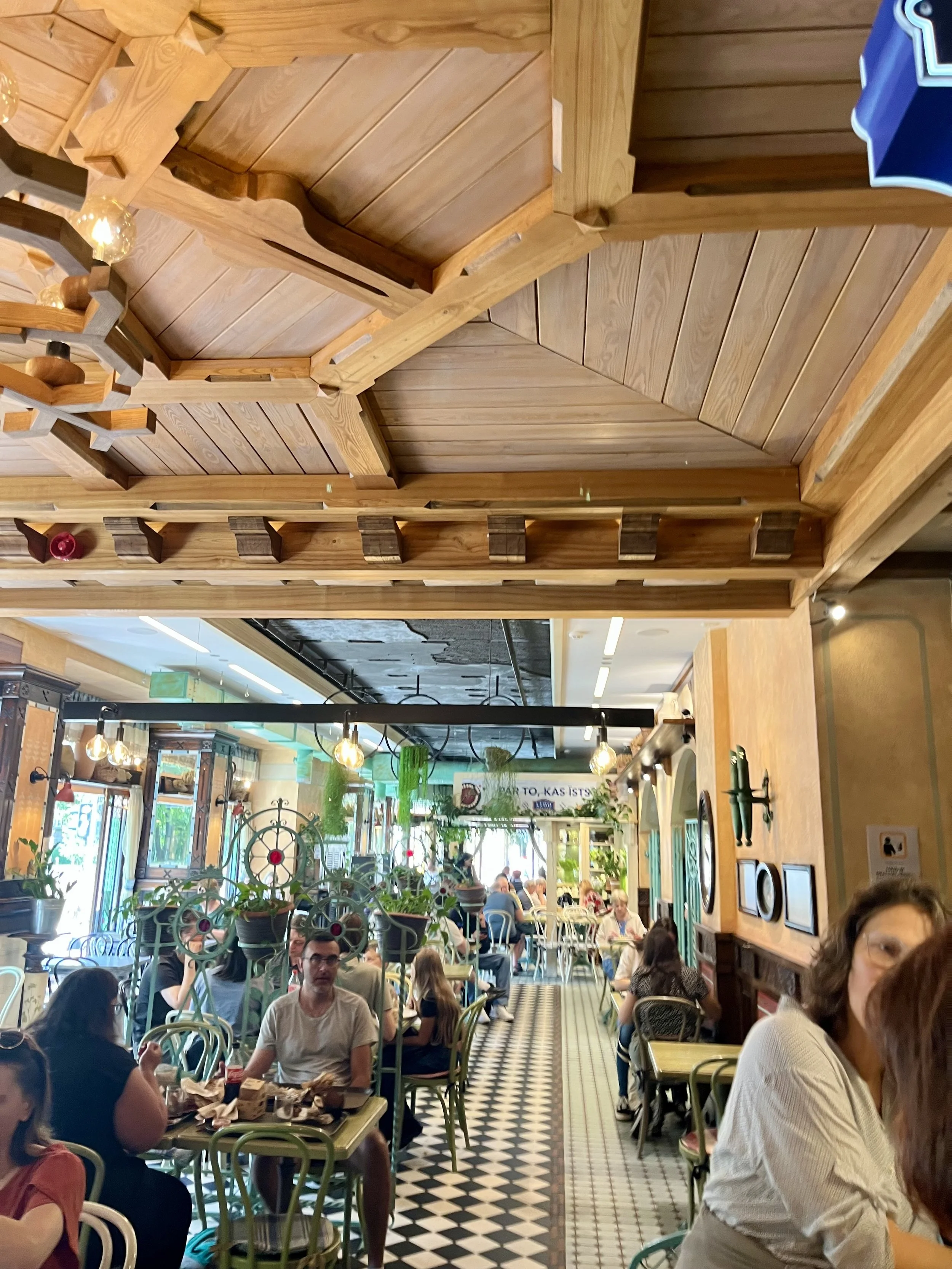
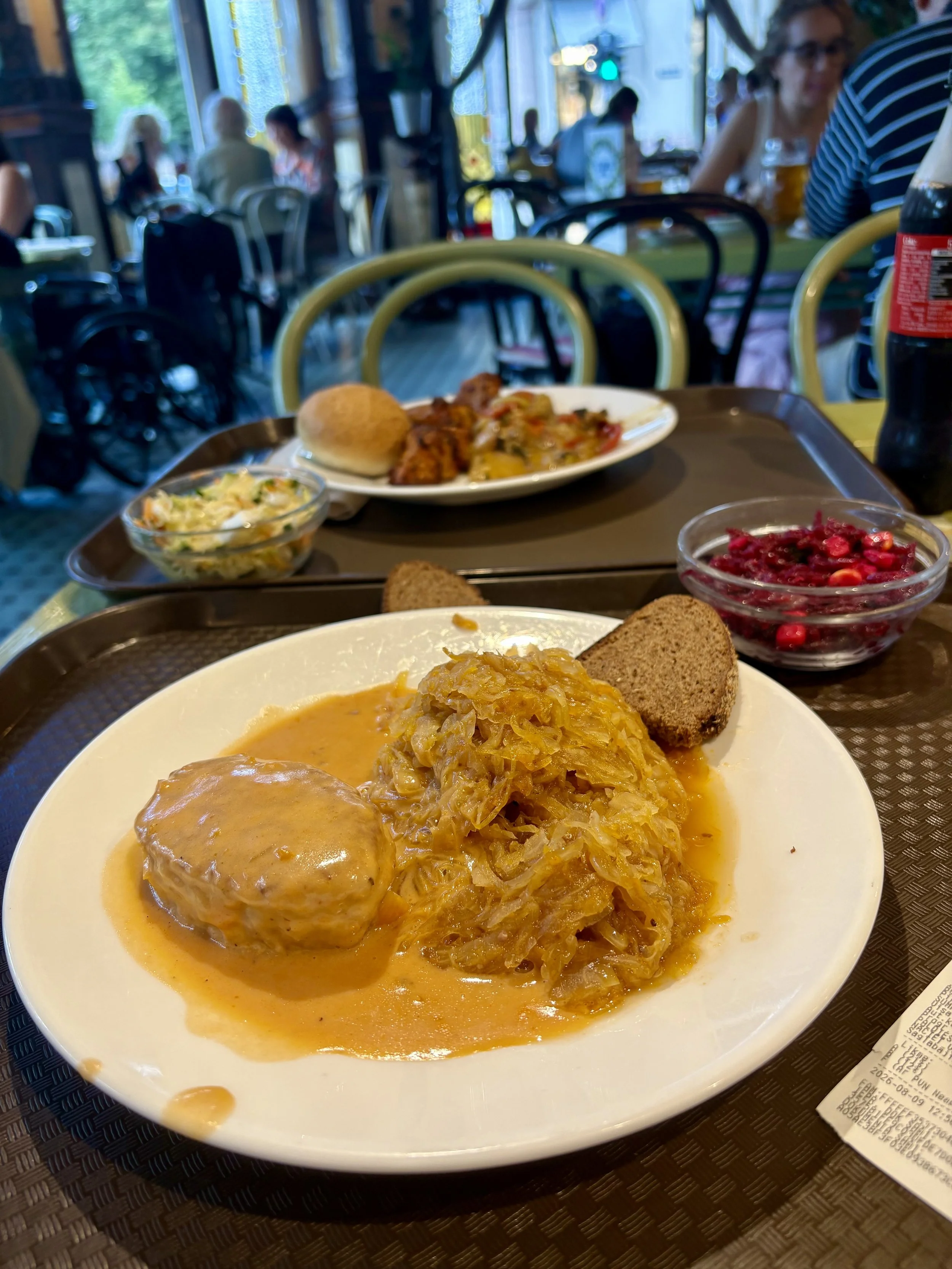
The next part of the day is visiting the KBG Prison Building in the heart of Center City. Our walk takes us down wide boulevards. There we see many high-end stores, modern high-rise structures, well maintained apartment buildings, and the beautiful Orthodox Cathedral surrounded by green park. The more modern City Center is the wealthy part of Riga. We have some time, so we stop for lunch, it turns out to be another cafeteria. It is Sunday, the place was packed, all locals, all local foods. The food is hot, hardy and very tasty. A great stop and cultural emersion.
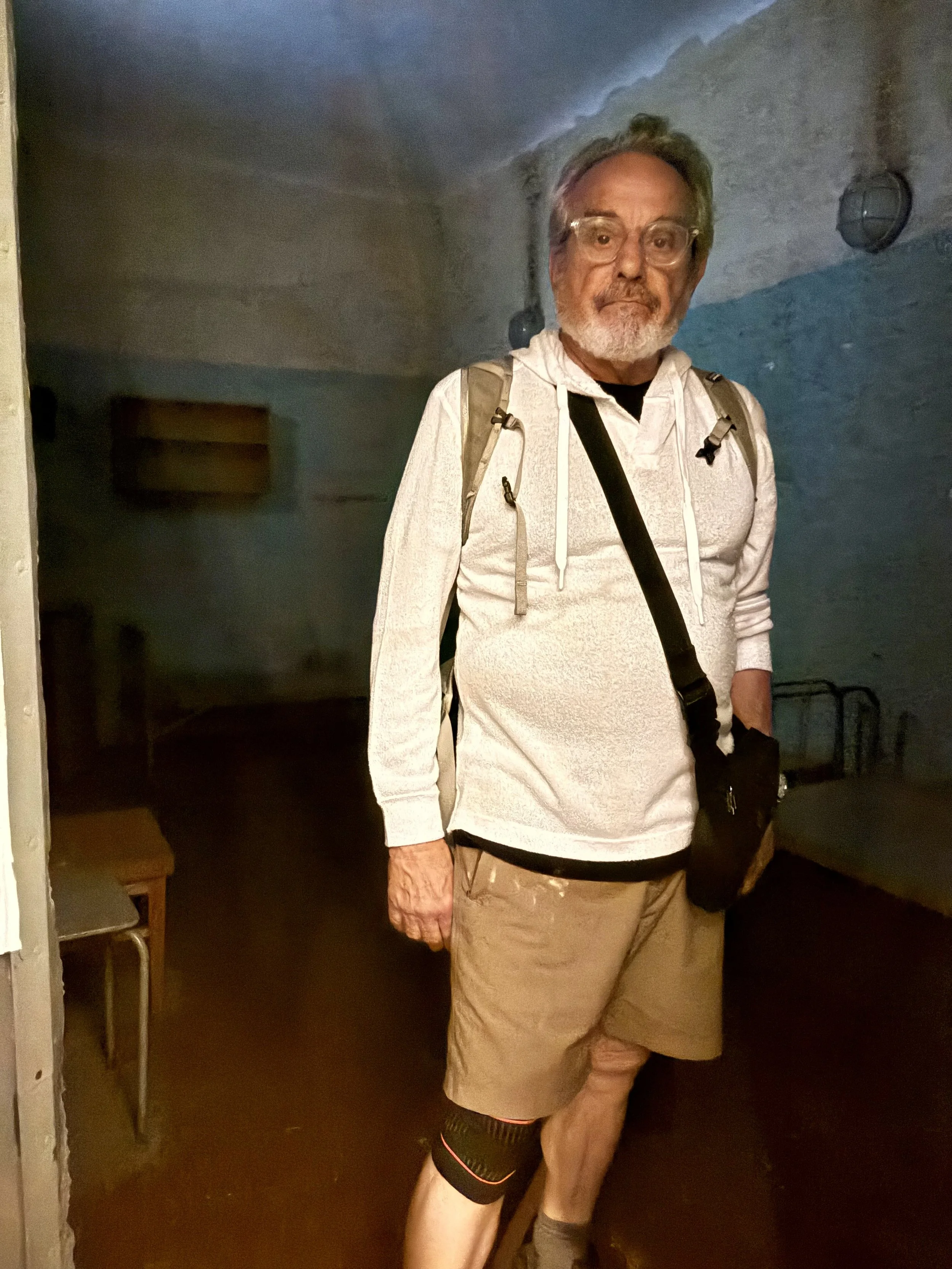
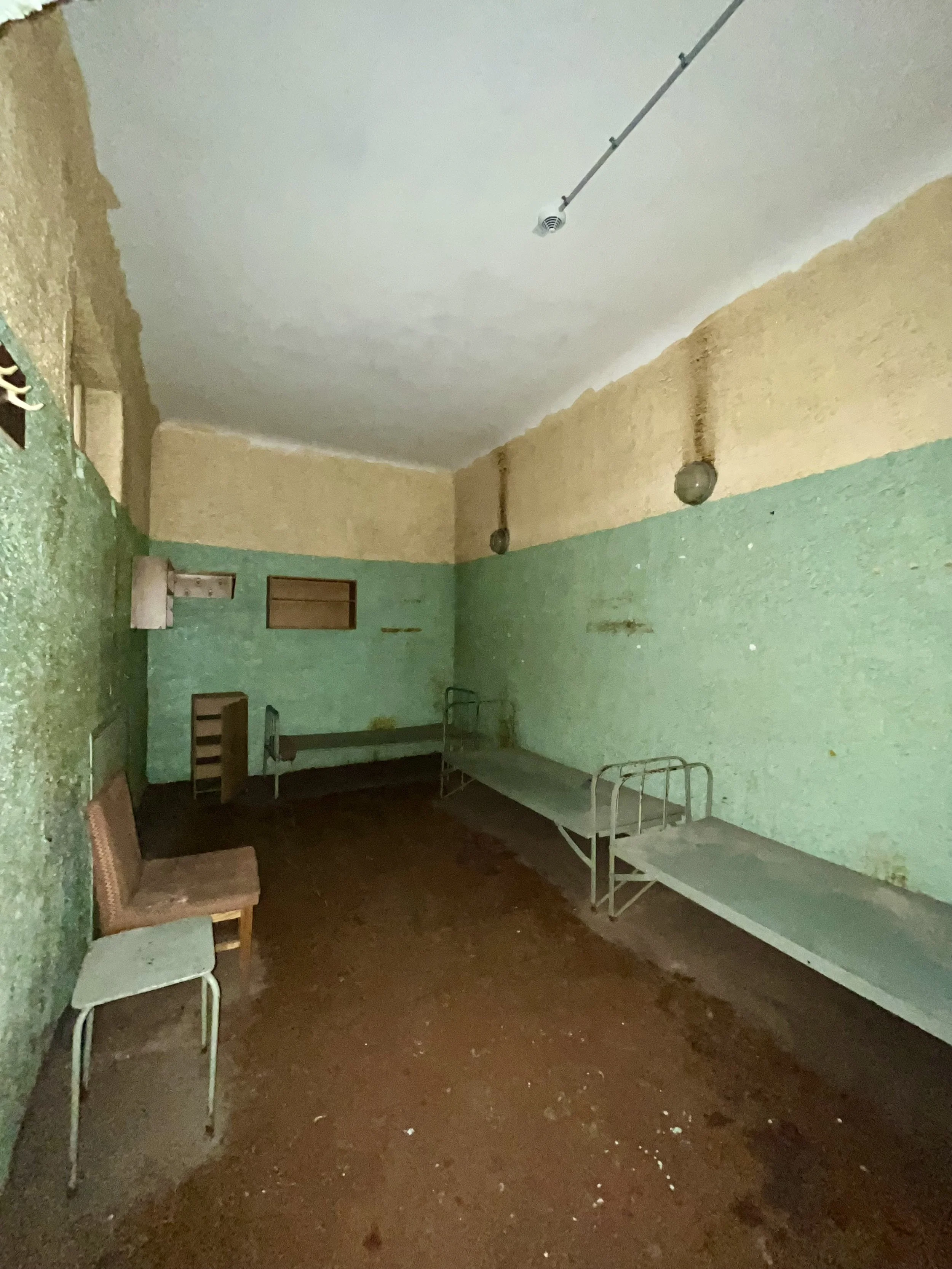
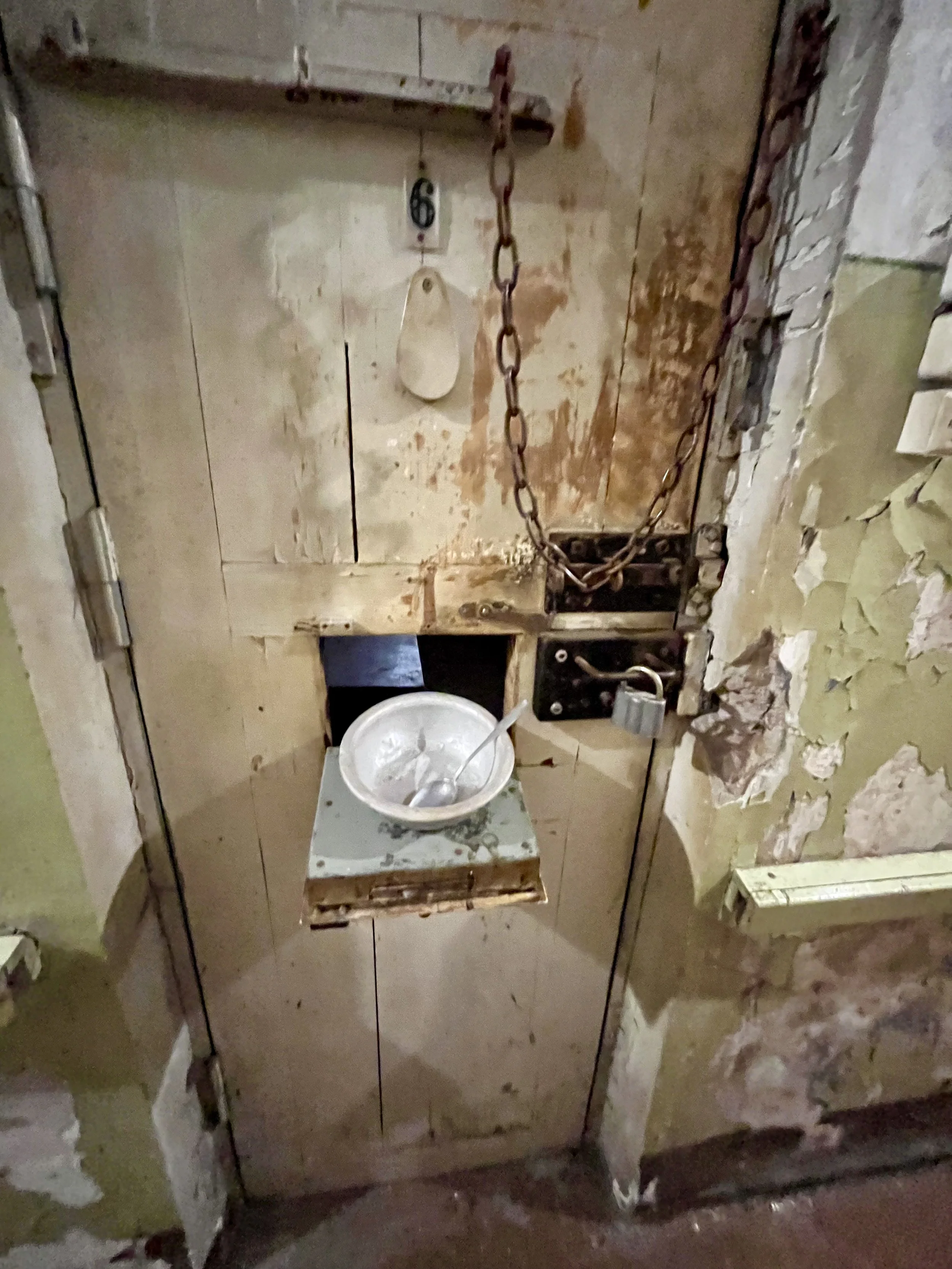
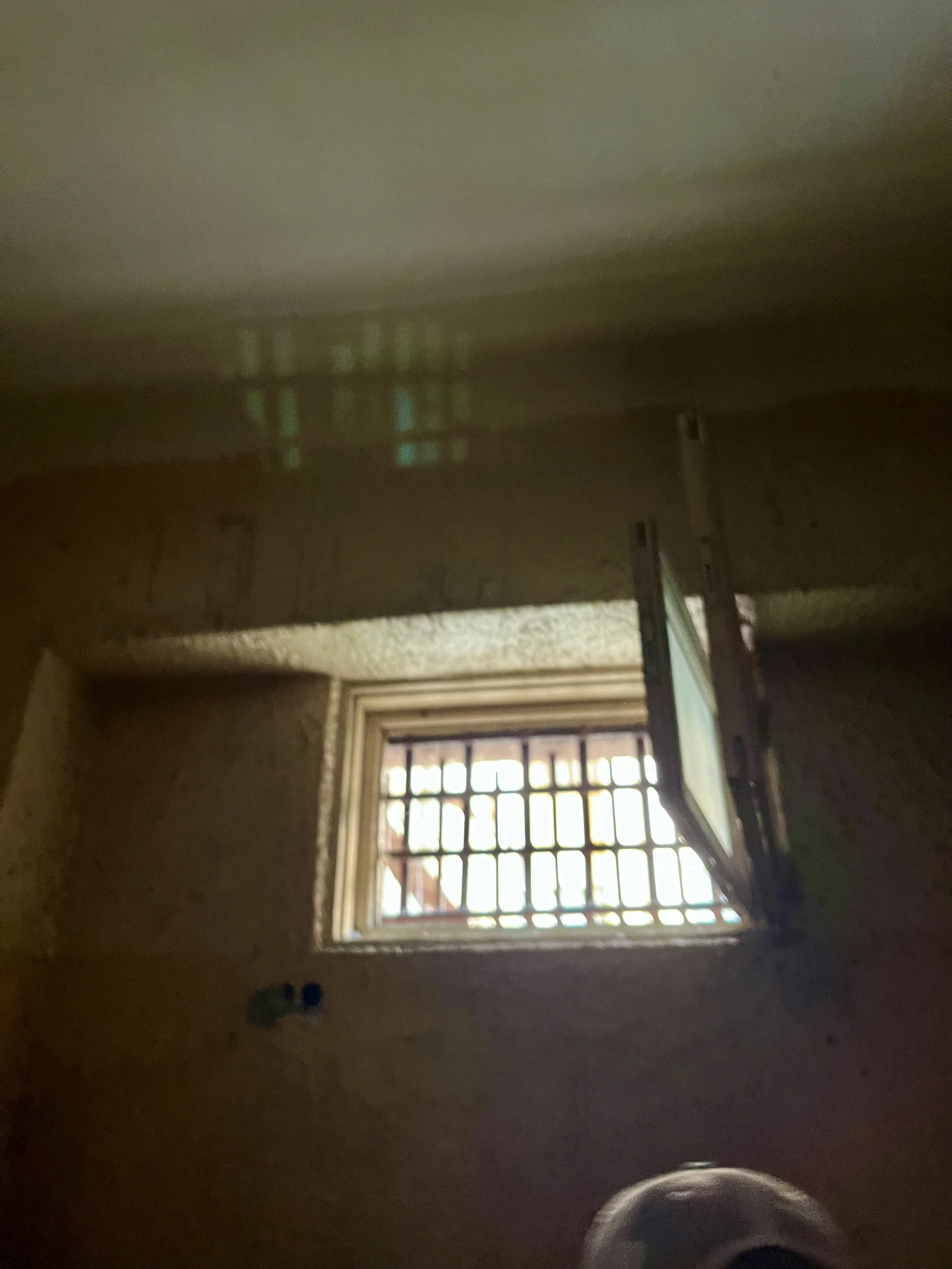
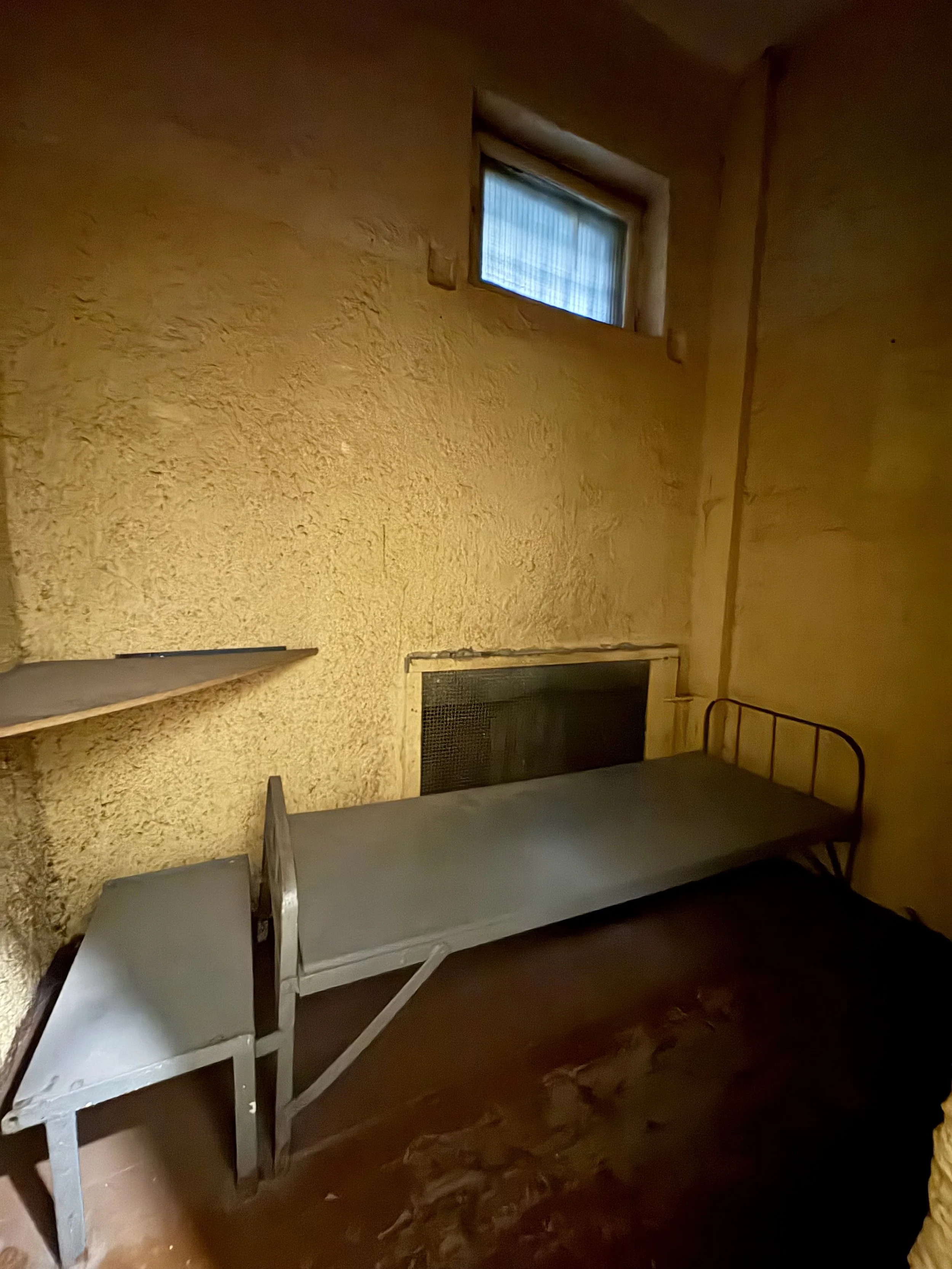
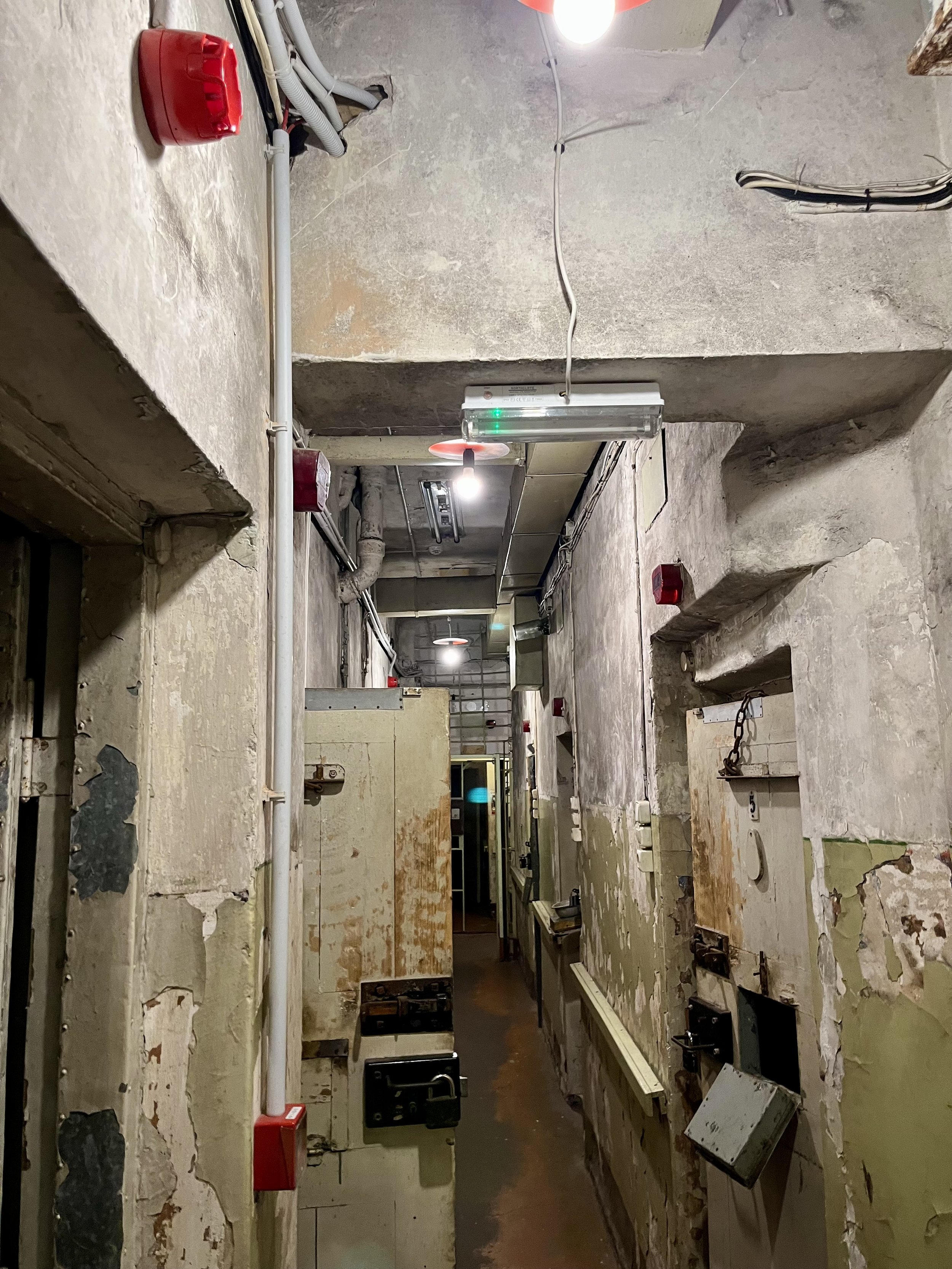
After lunch we find the KBG Prison Building enclosed between two modern buildings. The building is nicknamed “the Corner”. The large interior runs multiple levels. Unlike the former Estonian cell exhibit and voice narrative, here the story recited by the stoic guide (in character) is crystalized by standing in the interrogation rooms, cells, exercise areas; and execution room. None of us sat down although invited to do so. This guide did provide descriptions of the tactics of persuasion or cruelty used. He did describe the punishment of death in a special room to many prisoners. (This was not clear at Estonia “Cells”). See photos below
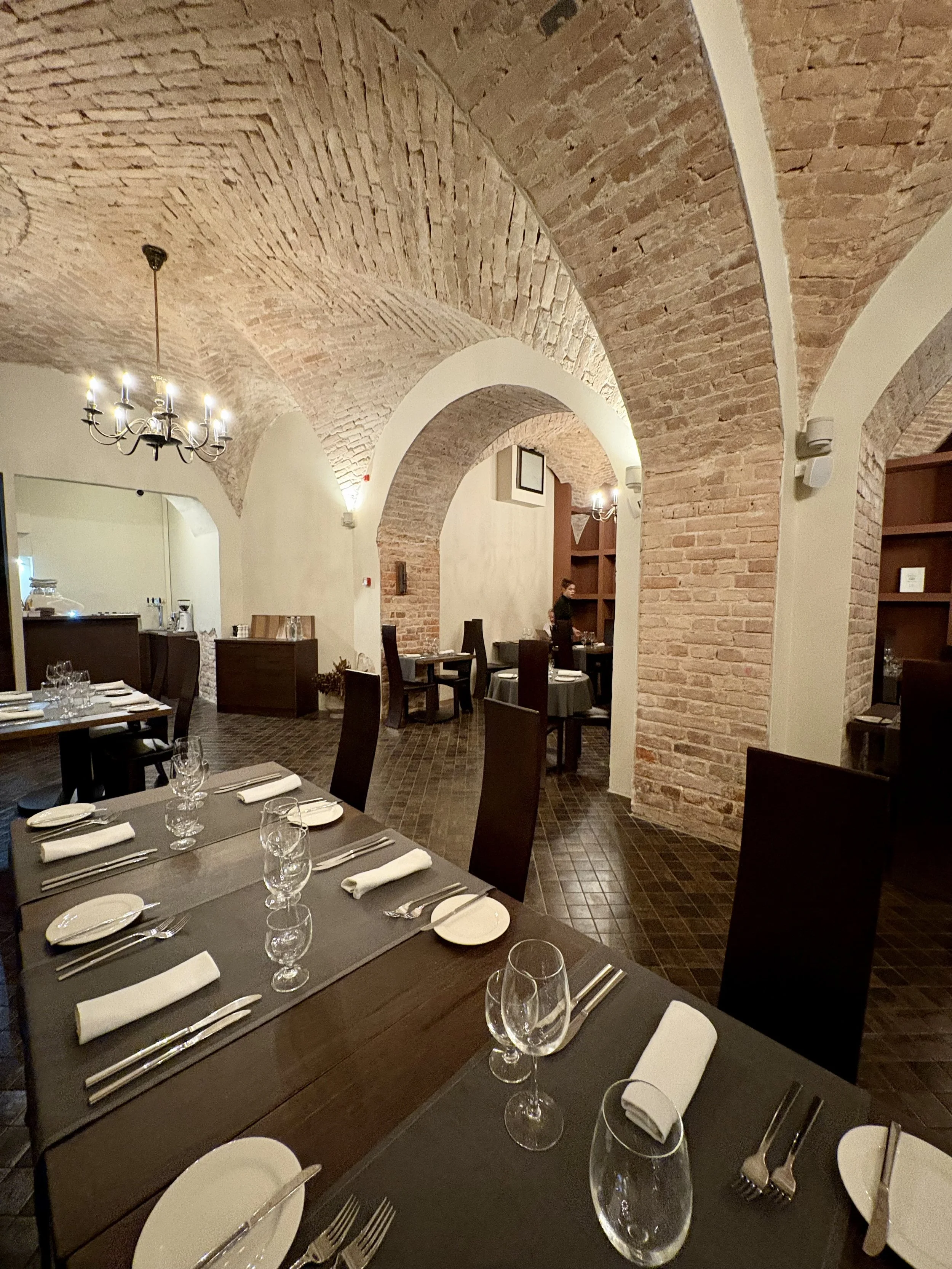
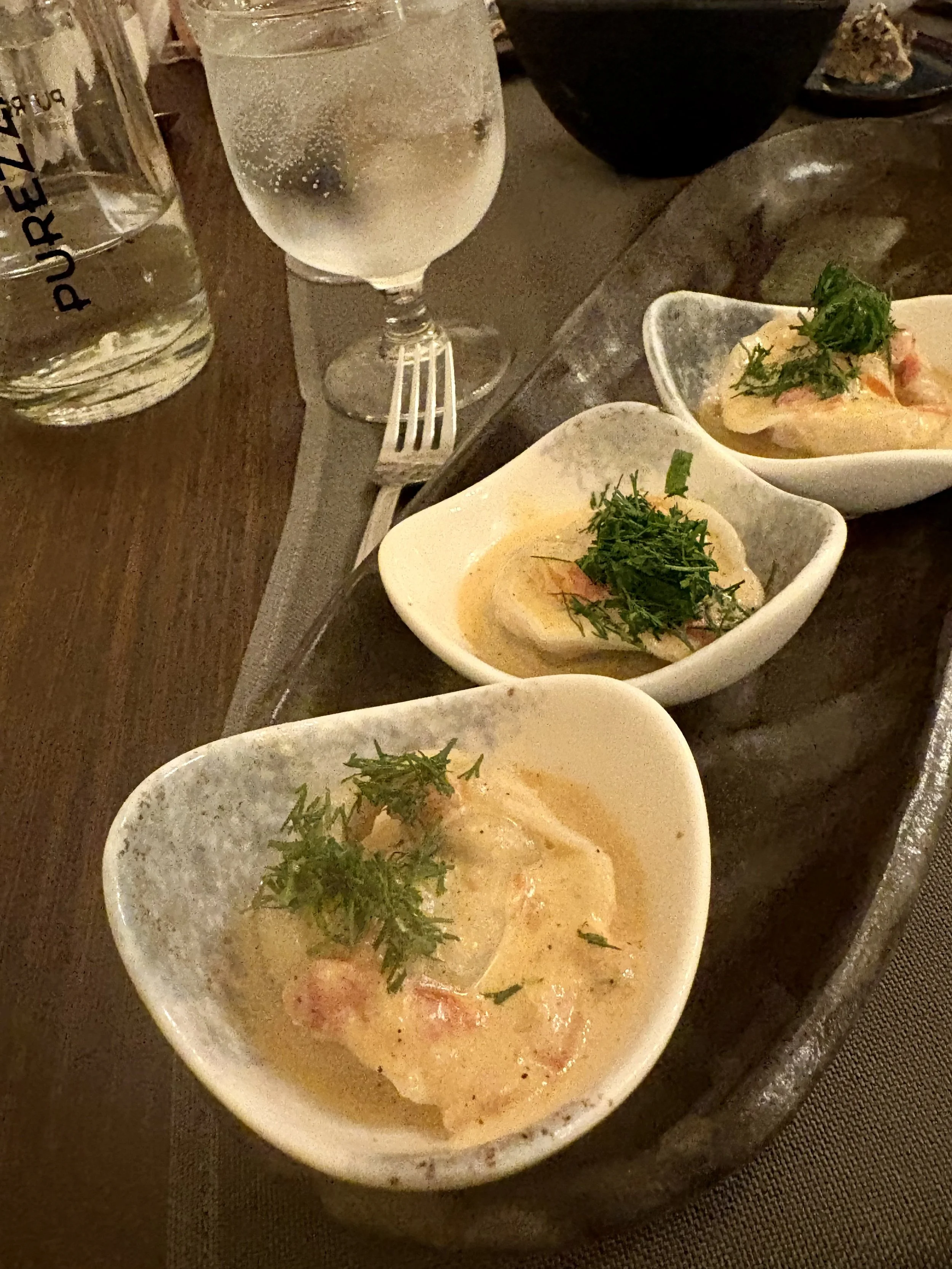
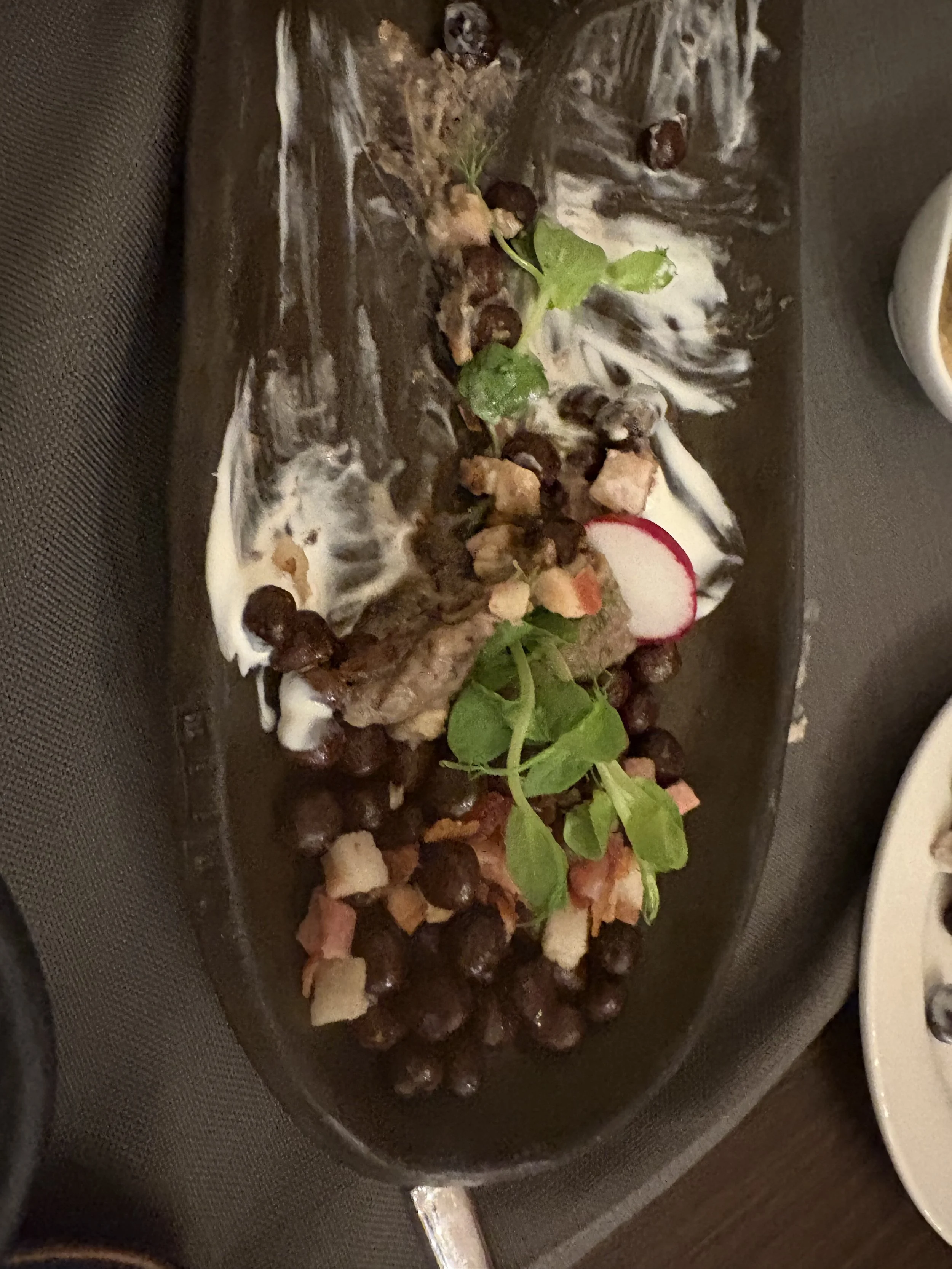
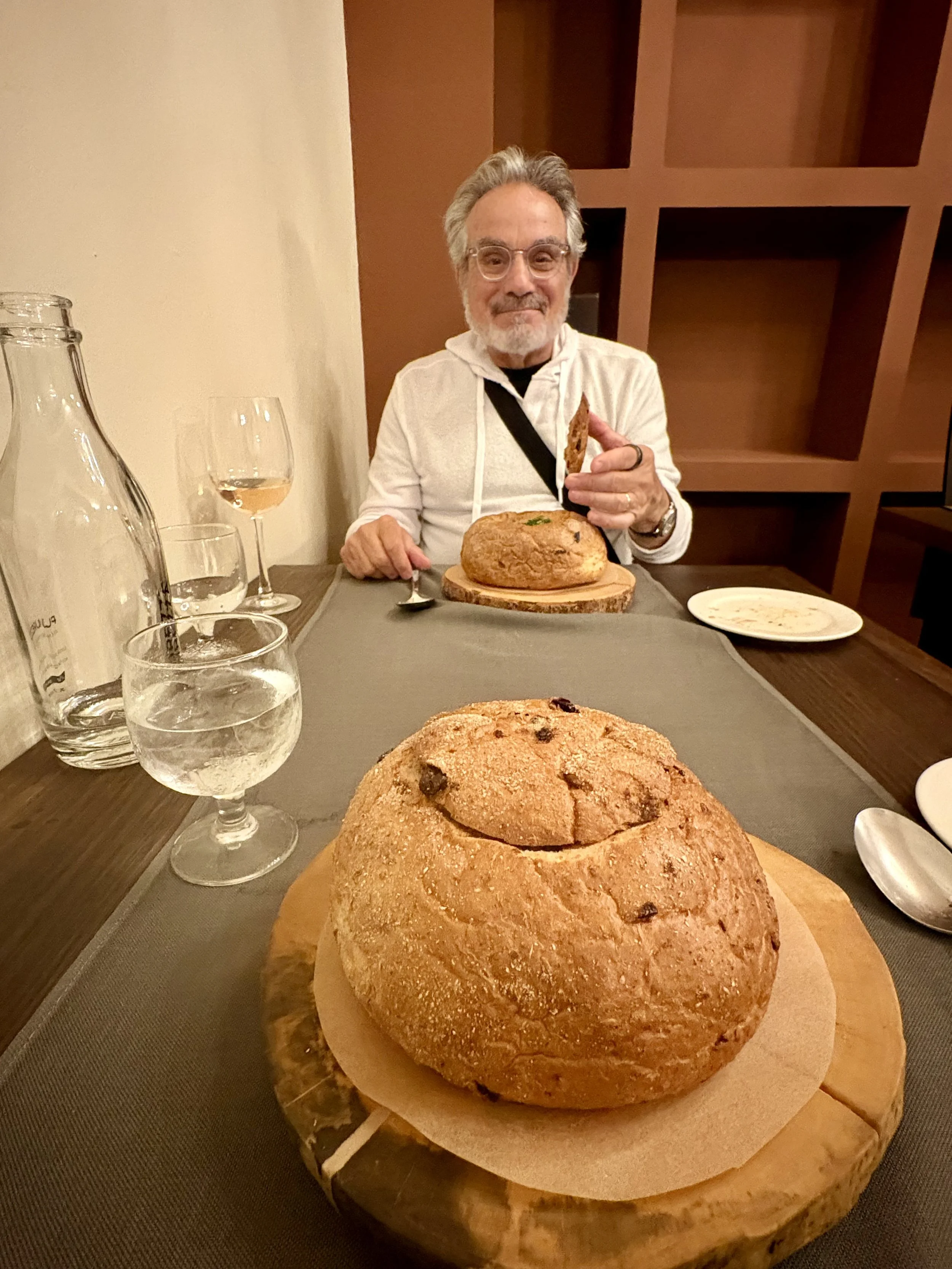
We ended the evening with dinner at a small elegant restaurant across from our hotel, called “Mydol”, we ordered their special selections: dumplings, black peas and mushroom soup in toasted raspberry bread bowl. It was served with liver pate spread with dark rye toast. The food again is excellent and very different from any of our other travels. The sparkling water, and Rose wine add the western touch!
House from the Russian version of Sherlock Holmes - very popular show here
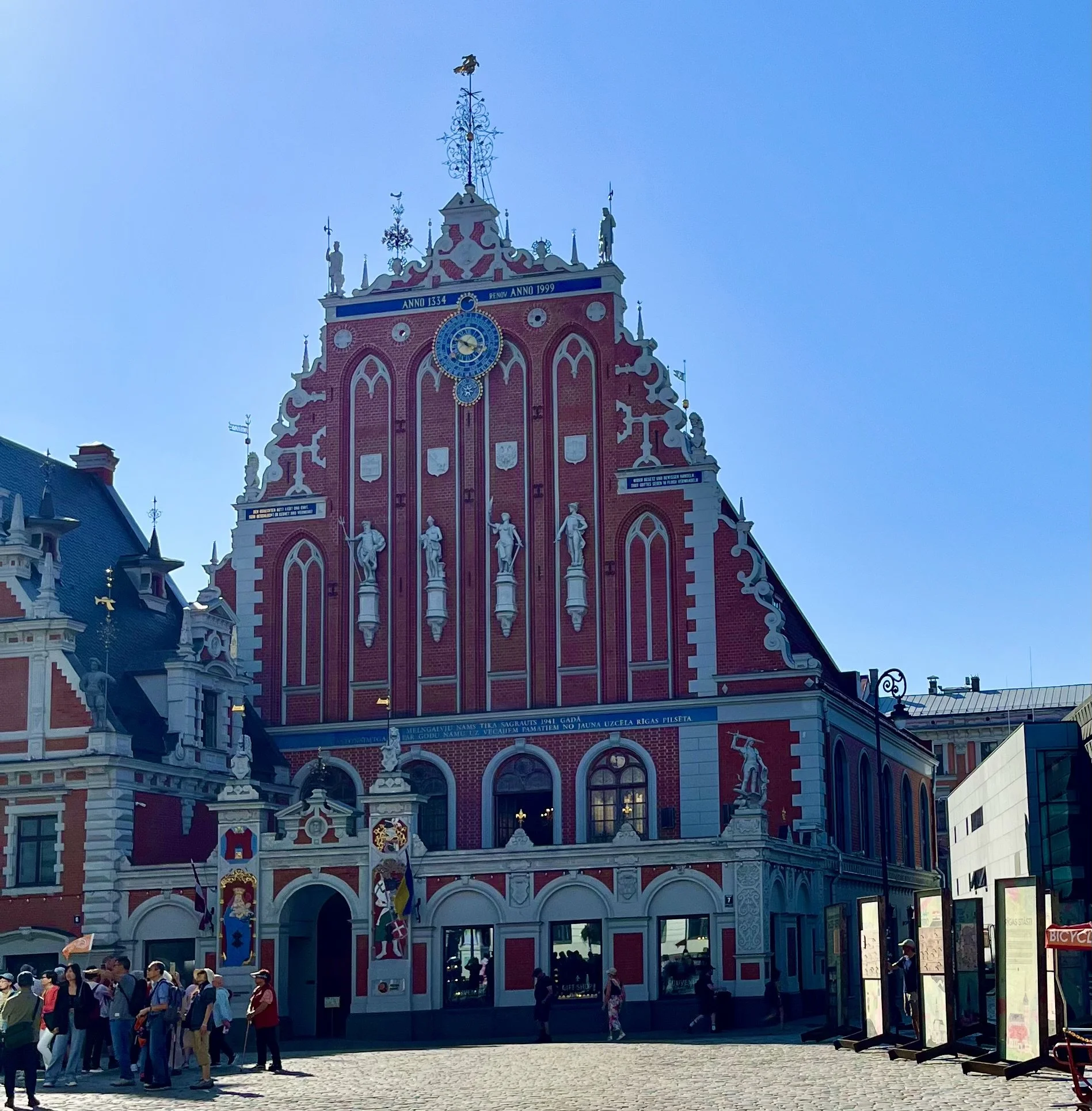
Our paid walking tour missed the mark so on final day in Riga we purchased another audio tour of old town. After a quick breakfast, we are off again to explore this ancient city. The tour was great, covering all our guide glossed over plus a history of the region. It is a beautiful old town with original churches and some like the famous “House of Blackheads” building that was the residence of unmarried merchants, shipowners and foreigners, that had been reconstructed after being destroyed in WW II. The app we have been using is called “Voice Map”, that we recommend for travelers like us that want the history and stories of the sites you visit.
We are back by noon for hotel checkout. We hang out in the lobby with lunch and some blog work before walking through the cobblestones to the bus stop for our 3:15 bus to Lithuania.
Riga is outstanding, 2 days was just right for the city. We are so glad we added this Baltic region on to our trip.
Inside the Nativity of Christ Cathedral (Russian Orthodox)